Risk of Preterm Birth
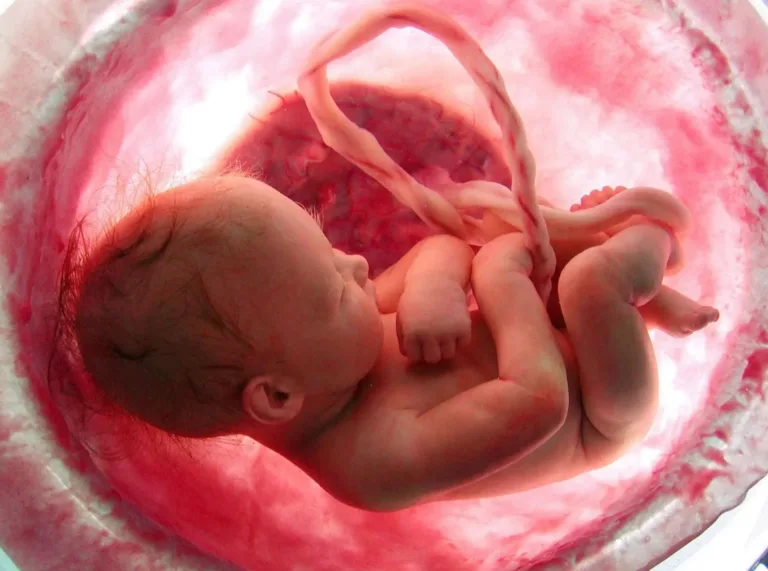
Preterm birth, which is one of the most important problems that expectant mothers may encounter during pregnancy, means that the baby is born earlier than expected. This situation carries various risks for both mother and baby health. Risk of preterm birth is a term usually used for births that occur before the 37th week of pregnancy.
In this article, the causes, symptoms, ways to prevent preterm birth and the precautions to be taken in this process will be examined in detail. Our aim is to raise awareness of expectant mothers and to provide effective strategies to reduce the risk of preterm birth.
Causes of Premature Birth
Preterm birth can be caused by a combination of many different factors. Here are some of the main reasons that increase the risk of preterm birth:
- Pregnancy Complications: Pregnancy complications such as high blood pressure (such as preeclampsia), gestational diabetes, polyhydramnios (excess amniotic fluid), and problems with the placenta can lead to premature birth.
- Infections: Certain infections that occur in the mother’s body during pregnancy (for example, urinary tract infections) can increase the risk of preterm birth.
- Mother’s Lifestyle: Certain lifestyle choices, such as smoking, alcohol or drug use, can increase the risk of preterm birth.
- Maternal Health: Chronic diseases (e.g., kidney disease, diabetes) or hormone imbalances can increase the likelihood of preterm birth.
- Mother’s Age and Past Pregnancy Experiences: The risk of preterm birth is higher for young women who will become mothers for the first time and women over the age of 35, as well as for women who have previously given birth prematurely.
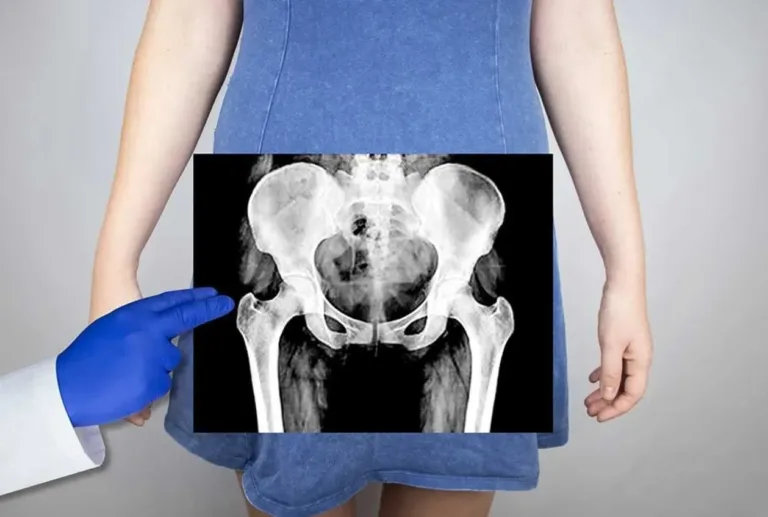
- Problems with the Uterus and Cervix: Conditions such as uterine anomalies or premature opening of the cervix can increase the likelihood of premature birth.
- Multiple Pregnancies: Women who are carrying twins or more babies are more likely to give birth prematurely than those who are carrying single pregnancies.
- Genetic and Environmental Factors: Family history of preterm birth and environmental factors may also be among the risk factors.
By identifying and managing these causes early in pregnancy, important steps can be taken to reduce the risk of preterm birth. Regular doctor check-ups and healthy lifestyle choices during pregnancy play an important role in minimizing this risk.

What are the Symptoms of Preterm Birth?
The risk of preterm birth can manifest itself through certain physical signs and symptoms. Paying attention to these symptoms during pregnancy is vital to prevent a possible premature birth. Here are the common signs of preterm labor:
- Frequent and Rhythmic Abdominal Pains: Occasional abdominal pains during normal pregnancy can be a sign of premature birth. These pains may come and go at regular intervals, similar to menstrual pain.
- Vaginal Bleeding or Discharge: Any vaginal bleeding or discharge of abnormal color and consistency is among the symptoms of premature birth.
- Back Pain: A significant and persistent back pain can be a sign of premature labor, especially if the pain is concentrated in the lower back area.
- Feeling of Pressure: A feeling of increased pressure in the pelvic area or lower abdomen may indicate premature labor.
- Tightness in the Uterus: The feeling of tightness or hardening in the uterus can be felt regularly and intensely, unlike Braxton Hicks contractions.
- Early Arrival of the Water Bladder: A bursting of the water bladder is one of the clearest signs of preterm labor and requires immediate medical attention.
It is important for expectant mothers who experience any of these symptoms to consult a healthcare professional immediately. Early detection and intervention can reduce the risk of preterm birth and protect the health of both mother and baby.

Ways to Reduce the Risk of Preterm Birth
The risk of preterm birth is preventable and manageable. There are many precautions that expectant mothers can take to reduce this risk. Here are some strategies that can help reduce the risk of preterm birth:
- Regular Health Checks: Regular doctor check-ups during pregnancy is the most important way to reduce the risk of preterm birth. During these controls, potential risk factors can be detected early and necessary precautions can be taken.
- Healthy Lifestyle: A balanced and healthy diet, adequate water consumption, and light exercise help maintain overall health and therefore reduce the risk of preterm birth.
- Avoiding Smoking and Alcohol Consumption: Smoking and consuming alcohol are important factors that increase the risk of preterm birth. Avoiding these habits is vital for a healthy pregnancy.
- Stress Management: Excessive stress and anxiety can also increase the risk of preterm birth. Stress management methods such as meditation, breathing exercises, and relaxation techniques can help reduce this risk.
- Adequate Rest and Sleep: Getting enough rest and maintaining a quality sleep pattern during pregnancy contributes to keeping the body healthy and reducing the risk of preterm birth.
- Healthy Weight Control: Excessive weight gain or insufficient weight can increase the risk of preterm birth. Maintaining a healthy weight range helps reduce this risk.
- Treating Diseases Early: Infections and other health problems should be treated quickly during pregnancy. In particular, conditions such as urinary tract infections can increase the risk of premature birth.
These measures are a general guide to reduce the risk of preterm birth, and the situation of each expectant mother is different. Therefore, it is best to consult with a healthcare professional for recommendations appropriate to their specific health condition.
Preterm Birth Treatments and Medical Approaches
If you are at risk of preterm birth, various medical treatment methods and approaches come into play. These treatments are designed to maintain the health of both mother and baby and achieve the best possible outcome. Here are some treatment methods used in pregnancies with this risk:
- Progesterone Therapy: In some cases, especially in women who have previously given birth prematurely, progesterone therapy can help reduce the risk of preterm birth. This hormone therapy can delay childbirth by preventing the uterus from becoming overactive.
- Cervical Cerclage: Cervical cerclage can be performed in women with weak cervix (cervix) and at risk of premature opening. This surgical procedure reduces the risk of premature birth by closing the cervix.
- Tocolytic Drugs: These drugs are used to delay premature birth. By slowing down uterine contractions, they can delay delivery for several days or weeks.
- Bed Rest and Hospital Surveillance: In some cases, bed rest may be recommended to the expectant mother. In severe cases, hospital supervision can reduce the risk of preterm birth.
- Antibiotic Therapy: In the presence of infection, especially when there is an infection in the amniotic fluid, antibiotic therapy can be applied. This treatment reduces the risk of premature birth by preventing the spread of infection.
- Steroid Injections: When preterm labor seems inevitable, steroid injections can be used to promote fetal lung maturation. This treatment helps reduce postpartum complications by improving the lung function of premature babies.
These treatments may vary depending on individual health conditions and the characteristics of the pregnancy. Every expectant mother at this risk should consult a healthcare professional in detail for the most appropriate treatment plan.
Recent Research and Preterm Birth
Recent research on preterm birth is constantly expanding our knowledge in this area. Here are some key findings and developments in this area:
- Genetic Factors and Preterm Birth: Genetic studies to understand the causes of spontaneous preterm births (sPTB) emphasize the importance of both maternal and fetal genomes, and their interaction with environmental factors. However, the findings from these studies are inconsistent across various populations and often fail to achieve genome-wide significance due to a lack of statistical power. Therefore, functional validation of the discoveries obtained is essential to better understand the role of gene variants in sPTB (Nature npj Genomic Medicine, 2020).
- Long-Term Effects of Preterm Birth: It can be difficult to predict the long-term health outcomes of premature babies. The health status of children born prematurely may vary depending on the significant events they experience during neonatal hospitalization. This makes it difficult to determine the long-term prognosis of children and means that current research results may not accurately reflect current clinical practice (BMJ, 2020).
- Maternal Health and Preterm Birth: Research shows that there is a relationship between the mother’s pre-pregnancy body mass index (BMI) and the risk of preterm birth. In particular, this risk may be higher in mothers with a high BMI. These findings highlight the importance of the mother’s health status before and during pregnancy (BMC Medicine, 2020).
- Preterm Birth and Global Impacts: According to 2020 data from the World Health Organization, 13.4 million babies were born prematurely worldwide, making it one of the leading causes of infant mortality worldwide. Preterm birth rates vary from country to country, with survival rates for babies born prematurely remain severely low, especially in low-income countries (WHO, 2020).
These studies provide important information on preterm birth and contribute to the development of interventions in this area. However, research needs to continue and more comprehensive information needs to be obtained. Therefore, approaches to the risk and treatment of preterm birth must be constantly updated and improved.
Mothers’ Experiences and Advice
Preterm birth is a unique and personal experience for every mother. The experiences and advice of mothers who have experienced a preterm birth can be a valuable source of information and support for other mothers who may be in this situation. Here are some general recommendations in this regard:
- Be Prepared for the Unexpected: Mothers emphasize that premature birth is unexpected and that it is important to always have a plan. When planning a birth, it may be helpful to consider the possibility of preterm birth.
- Emotional Support Is Important: Emotional fluctuations may occur after early birth. Mothers point out the importance of professional help with the support of family and friends in this process.
- Learn and Ask Questions: Experienced mothers emphasize the importance of having open communication with doctors and healthcare professionals and learning about preterm birth. By asking questions and sharing concerns, you can be more aware and prepared.
- Be Patient in Baby Care: Caring for premature babies requires special attention. Mothers stress the importance of being patient and accepting the baby’s development at their own pace.
- Take Time for Yourself: Mothers state that they should not neglect their own health and needs in this process. Taking care of your own health allows you to take better care of your baby.
- Connect with Other Mothers: Communicating with other mothers who have given birth prematurely can be helpful for sharing experiences and getting support. This kind of solidarity and sharing can provide a great boost in difficult times.
These recommendations are based on the real experiences of mothers who have experienced preterm labor and can serve as a guide for other mothers. However, every situation is different, and it’s always best to consult with a healthcare professional for advice that is customized to individual needs.
Preterm Birth and Newborn Care
Care for a newborn after early birth requires special attention and sensitivity. Since premature babies are not fully developed, it is important to take extra care measures for their health and well-being. Here are some basics about it:
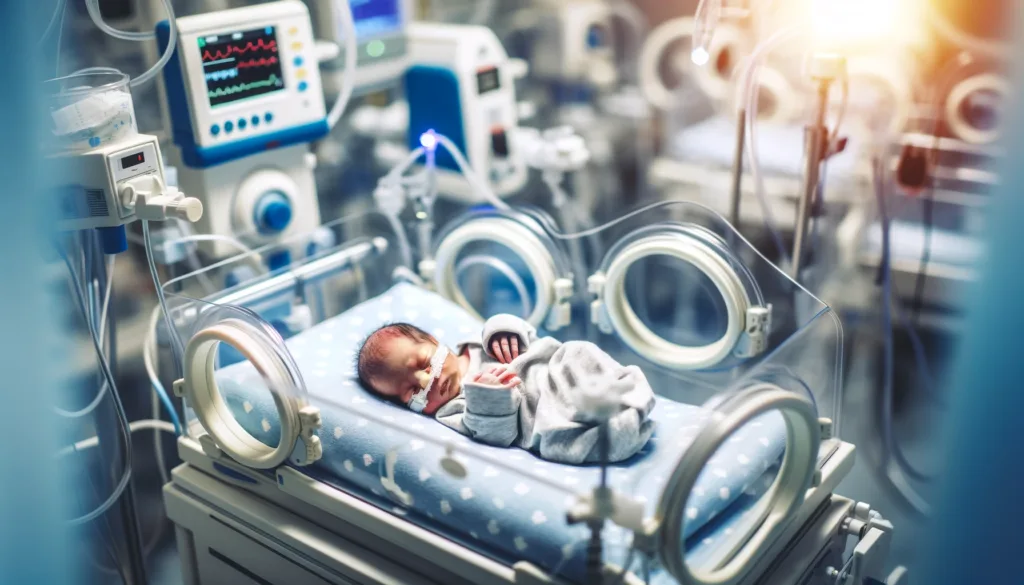
- Intensive Care Unit (NICU) Process: Premature babies are usually followed in the postnatal Intensive Care Unit (NICU). In the NICU, babies’ basic vital functions such as breathing, feeding and body temperature are closely monitored.
- Kangaroo Care: Kangaroo care involves skin-to-skin contact of the baby and helps regulate the baby’s body temperature and heart rate, while strengthening the bond between parents and baby.
- Nutrition and Breastfeeding: The nutritional needs of premature babies are special. In some cases, breastfeeding may not be possible and special formulas may be required. It may be useful to get support from a lactation specialist for breastfeeding.
- Tracking Development: The development of premature babies may be different from that of full-term babies. It is important to follow the growth and development of the baby regularly with a doctor’s control.
- Protection from Infections: Since premature babies have weaker immune systems, they are more susceptible to infections. It is necessary to observe the rules of hygiene in order to protect the baby from the risks of infection.
- Home Care: After leaving the NICU, it is important to get specific instructions and guidance for home baby care. It is necessary to have information about all the health problems and needs of the baby.
- Emotional Support and Resources: Receiving emotional support and guidance after early birth is very important for parents. Support groups and resources for families can be helpful in this process.
Caring for premature babies can be complex and challenging, but with proper care and support, they can thrive in a healthy and happy way. For more detailed information about newborn care after early birth, it is important to consult healthcare professionals and get information from reliable sources.
Frequently Asked Questions About Preterm Birth
Some important questions about preterm birth that are frequently in the minds of expectant mothers and families and general answers to these questions are as follows:
Is It Possible to Prevent Preterm Birth?
To prevent premature birth, it is important to have regular health check-ups, healthy lifestyle, stress management, adequate rest and sleep, and avoid smoking or alcohol consumption. In addition, early treatment of existing health problems can also reduce the risk of preterm birth.
What to do in case of premature birth?
When signs of preterm labor are noticed, a healthcare professional should be contacted immediately. When preterm labor is diagnosed, doctors will plan appropriate medical treatments and interventions.
What is the Health Status of Premature Babies?
The health status of premature babies may vary depending on the week of birth and the medical interventions received. Some premature babies may have long-term health problems, while others may develop normally.