Skin care products that should not be used during pregnancy
What are the skin care products that should not be used during pregnancy? The question may not even occur to most pregnant women. However, just as what you eat affects your baby, what you put on your skin affects your baby. That’s why you need to be careful when using skin care products.
Skin care products that should not be used during pregnancy
Most pregnant women know that what they eat can affect the health of their growing babies. However, you may not have thought that what you put on your body could affect you and your baby.
While commonly used skincare products are generally safe, experts say there are some skincare products that should be avoided. Below, we’ve put together a guide to what to look for when shopping in the beauty aisle. This guideline applies to the breastfeeding period.
Retinoids
This powerful substance is found in some anti-aging moisturizers, medications used to treat acne, pigment disorders and plaque psoriasis. Retinoids (also known as tretinoins) are a type of vitamin A that speeds up cell division (speeding up the regeneration of your skin) and prevents skin collagen from breaking down.
Retinoids are one of the skincare ingredients that experts recommend pregnant women stay away from. Some studies have shown that taking high doses of vitamin A during pregnancy can be harmful to the baby. And oral retinoids such as isotretinoin (a prescription acne treatment previously sold under the brand name Accutane) are known to cause birth defects.
If you’re using a skin cream that contains retinoids, don’t panic. The retinoids you put on your skin have not been shown to cause problems in pregnant women. Doctors are extra cautious when advising you to avoid them.
Avoid products that contain these ingredients:
- Avage, Fabior, Tazorac (tazarotene)
- Avita (tretinoin)
- Differin (adapelene)
- Panretin (alitretinoin)
- Retin-A, Renova (tretinoin)
- Retinoic acid
- Retinol Retinyl
- Linoleate Retinyl
- Palmitate
- Targretin gel (bexarotene)
Hydroxy Acids
Hydroxy acids, such as beta hydroxy acid (BHA) and alpha hydroxy acid (AHA), are found in products that treat certain skin disorders, such as acne, skin inflammation, and redness. They’re also found in a range of cleansers, toners, and exfoliants touted to reduce signs of aging.
Salicylic acid is the most common BHA used as an ingredient and the only BHA whose effects on pregnancy have been studied. High doses of acid in oral form (which is a component of aspirin) have been shown in research to cause birth defects and various pregnancy complications. Other BHAs have not yet been studied in pregnancy.
When applied topically, very little of BHA is absorbed by the skin. However, because oral salicylic acid is not safe during pregnancy, doctors also recommend avoiding excessive or frequent use of skin products containing BHA.
Small amounts applied to the skin, such as toner containing salicylic acid, used once or twice a day, are considered safe.
However, the risk associated with face and body scrubs containing salicylic acid is greater. Always consult your doctor before undergoing peeling treatment. If you need to have a scrub, get it done professionally at your dermatologist’s office. Dermatologists know how to perform this procedure safely during pregnancy.
If you are using a BHA product, you should use it in conjunction with sun protection, as BHA can cause sensitivity to sunlight.
The two most common alpha hydroxy acids (AHAs) in cosmetic products are glycolic acid and lactic acid. AHAs have not been studied in pregnancy, but because only small amounts are absorbed by the skin, they are considered low-risk when used in skin treatments. To be safe, though, it’s a good idea to only use them in small amounts.
Products containing these components should only be used in small quantities:
- Alpha hydroxy acid (AHA)
- Azelaic acid
- Benzoyl peroxide
- Beta hydroxy acids (BHA)
- Beta hydroxybutanoic acid
- Betaine salicylate
- Citric acid
- Dicarbonaceous acid
- Glycolic acid
- Hydroacetic acid
- Hydroxyacetic acid
- Hydroxycaproic acid
- Lactic acid
- Salicylic acid
- Tretocanic acid
- Tropical acid
- 2-hydroxyethanoic acid
Acne products
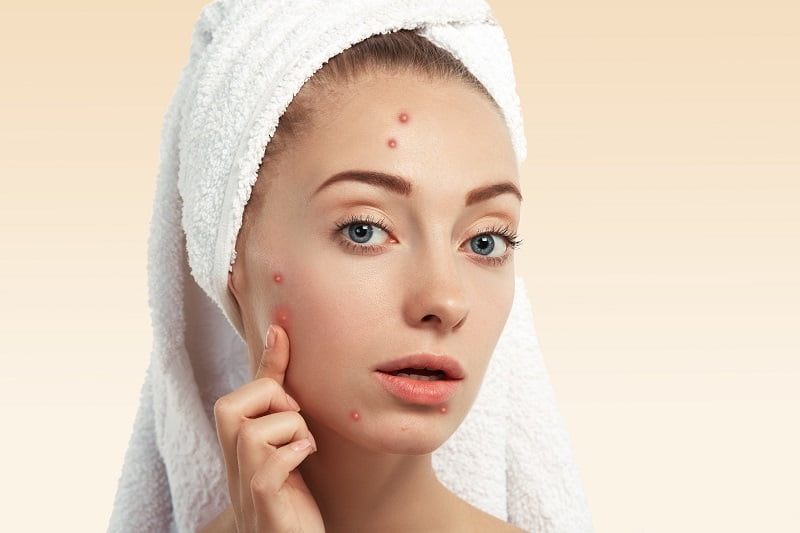
You may experience various skin problems during the first trimester due to changing estrogen levels. If you’re dealing with acne caused by pregnancy, a dermatologist can probably give you a safe topical antibiotic.
You can use a facial cleanser that contains no more than 2 percent salicylic acid (see the product box or the label on it). These small amounts are considered safe. (See above.)
If you want to be more sure, ask your obstetrician exactly how much of it will be safe for you. When it comes to what to avoid when it comes to treating acne, stay away from acne lotions, gels, and creams, as well as at-home peels, which may contain salicylic acid or retinoids. And again, stay away from the oral form of the retinoid Accutane.
Avoid products that contain these ingredients:
- Avage, Fabior, Tazorac (tazarotene)
- Avita (tretinoin)
- Differin (adapelene)
- Panretin (alitretinoin)
- Retin-A, Renova (tretinoin)
- Retinoic acid
- Retinol Retinyl
- linoleate Retinyl
- Palmitate
- Salicylic acid
- Targretin gel (bexarotene)
Depilatories
Lotions that chemically remove your hair (depilatories) or minimize hair between shaving… The good news is that these products are considered safe as long as you use them as directed.
If you have had an allergic skin reaction to hair reducers or depilatory creams in the past, you should also avoid these products during pregnancy. Also, some women’s skin becomes extra sensitive during pregnancy, so you may have a reaction to these ingredients even if you haven’t shown them before. Test it by rubbing it on a small area behind your knee before rubbing it all over your leg. Wait 24 hours to see if you react.
These topical ingredients are considered to be low-risk during pregnancy:
- Calcium thioglycolate (depilatory)
- Hydrolyzed soy protein (diminutive)
- Potassium thioglycolate (depilatory)
- Sanguisorba officinalis root extract (reducing)
- Sodium hydroxide (reducing)
Sunscreens
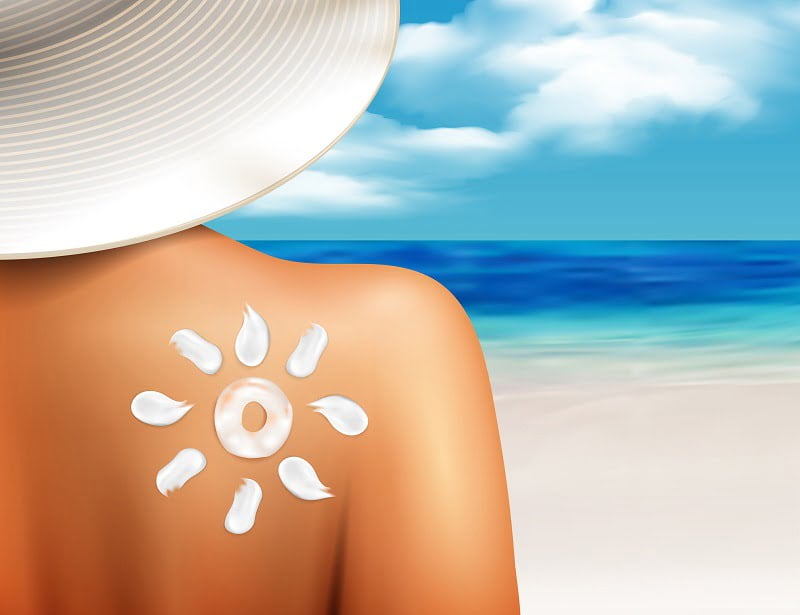
Just because you’re pregnant doesn’t mean you can’t go to the beach. But don’t forget about sunscreen. Even sunscreens with skin-penetrating ingredients are considered safe during pregnancy. However, as an extra precaution, you can opt for products that use titanium dioxide and zinc oxide, which are physical sunscreens that do not penetrate the skin.
(In addition to sunscreen, avoid the sun between 10:00 a.m. and 4:00 p.m., wear a sun hat, sunglasses, and sunscreen, and renew your sunscreen every two hours. And yes, you should wear sunscreen even if you have dark skin).
It is best not to use a sunscreen that contains the skin-lightening hydroquinone. There is limited data on its safety during pregnancy, and most experts agree that it is best to avoid it.
These topical ingredients are considered to be low-risk during pregnancy:
- Avobenzone (Parsol 1789)
- Benzophenone
- Dioxybenzone
- Octocrylene Octyl
- methoxycinnamate (OMC)
- Oxybenzone
- Para-aminobenzoic acid (PABA)
- Titanium dioxide
- Zinc oxide
Cosmetics
Even cosmetics are something to consider when pregnant.
Many makeup products are marked as “non-comedogenic” or “non-acnegenic” — meaning they contain no oil and don’t clog pores. These are safe and do not affect your baby’s health.
Avoid cosmetics that contain retinol. Some makeup products for acne-prone skin contain salicylic acid. While it’s safe topically in small amounts (such as rubbing on pimples or using it in a face wash), it’s better to avoid makeup (such as foundation) that can be absorbed by larger areas of your skin for a long time.
If you want to be very careful during pregnancy, try some of the makeup lines that only contain minerals. These products primarily use ingredients that sit on top of the skin and don’t cause irritation for most people.
Avoid products that contain these ingredients:
- Avage, Fabior, Tazorac (tazarotene)
- Differin (adapelene)
- Panretin (alitretinoin)
- Retin-A, Renova (tretinoin)
- Retinoic acid
- Retinol Retinyl
- linoleate Retinyl
- Palmitate
- Targretin gel (bexarotene)
- Tretinoin
Steroids
Steroid creams, such as over-the-counter hydrocortisone creams, are often used for contact dermatitis, mild eczema, rashes, psoriasis, soaps, detergents, cosmetics, jewelry, poison oak, minor skin irritations caused by poison, inflammation, itching, and rashes.
These topical steroids are considered safe to use during pregnancy. Stronger steroid products are sometimes prescribed by dermatologists or primary care physicians, and most of them are also safe. However, before using them during pregnancy, talk to your healthcare provider about the safety of prescription products, including topical prescriptions.
Products containing these ingredients are considered safe:
- Alclometasone (Aclovate)
- Desonide (Desonate, DesOwen)
- Fluocinolone (Capex, Derma-smoothe)
- Hydrocortisone (Aquanil HC)
- Triamcinolone (Aristocort A, Kenalog)