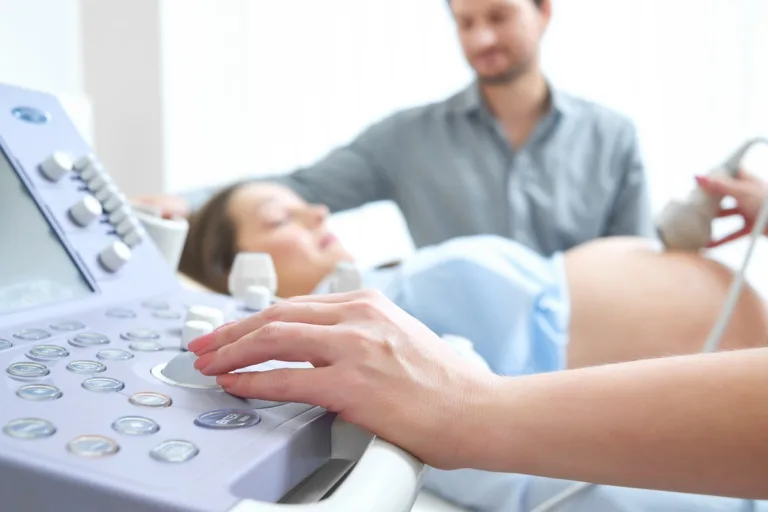
Urinary Tract Infection During Pregnancy
Pregnancy is a fascinating time for many women. However, the physiological changes that occur in this process can lead to the emergence of some health problems. One of these problems is “urinary tract infection during pregnancy” and we will try to provide detailed information on this subject in this article.
Causes of Urinary Tract Infection During Pregnancy
Hormonal Changes: During pregnancy, there are major changes in the body’s hormone profile. These hormonal changes, especially the increase in progesterone levels, can cause the urinary tract to dilate and relax. Correspondingly, the slower movement of urine from the kidney to the bladder provides the opportunity for bacteria to reproduce.
Bladder Pressure: During pregnancy, the growing uterus puts extra pressure on the bladder. This may cause the bladder to not empty completely. Urine remaining in a bladder that does not empty completely creates an ideal environment for bacteria, facilitating their reproduction.
Physical Changes: Pregnancy can cause the urethra (the channel through which urine is excreted) to dilate. This expansion allows bacteria to move more easily towards the bladder and even the kidneys.
Changes in the immune system: During pregnancy, the immune system undergoes some changes. This adaptation is necessary to ensure that the fetus is not rejected by the mother’s body. However, these immune changes can cause the mother to become more prone to urinary tract infections.
High Sugar Levels: Pregnancy-related conditions, such as gestational diabetes, can cause more sugar to be excreted in the urine. This creates a suitable source of nutrition for the bacteria, encouraging them to multiply rapidly.
Dehydration: Not consuming enough water during pregnancy can increase urine concentration, which can pose a risk for urinary tract infections.
Sexual Activity: During sexual activity during pregnancy , the risk of bacteria around the urethra being carried to the bladder may increase. This increases the risk of developing urinary tract infections.
The causes of urinary tract infections during pregnancy are complex and are associated with many factors. However, by knowing these risks and taking into account the doctor’s recommendations, important steps can be taken to prevent these infections.

What are the Symptoms of Urinary Tract Infection During Pregnancy?
- Burning sensation or pain when urinating
- Frequent need to urinate
- Cloudy or foul-smelling urine
- Pain in the abdomen or lumbar region
- Fever and chills
- General malaise
Preventive Measures
- Drinking Plenty of Fluids: Drinking at least 8–10 glasses of water a day can help prevent urinary tract infections.
- Regular Toilet Visits: Not holding your urine and emptying your bladder regularly can reduce the risk of infection.
- Personal Hygiene: Wiping from front to back prevents bacteria from being carried to the breeding site.
- Cotton Underwear Usage: Cotton absorbs moisture and thus prevents the formation of a suitable environment for bacterial growth.
How to Treat a Urinary Tract Infection During Pregnancy?
Treatment of urinary tract infection (UTI) in pregnancy can be effectively managed with early detection of the infection and the right treatment approach. However, treatments used during pregnancy limit the use of drugs that can cause adverse effects on the fetus. Here is general information on the treatment of UTI during pregnancy:
Antibiotics: The most commonly used method in the treatment of urinary tract infections is antibiotic therapy. But in pregnancy, not all antibiotics are safe. Doctors usually prefer antibiotics that are known to be safe for the fetus and have a wide spectrum of action. As examples, amoxicillin, cefuroxime, and nitrofurantoin are generally considered safe for pregnant women. However, some antibiotics, such as tetracycline and quinolones, should not be used during pregnancy because they can harm the fetus.
Pain Relievers: Some pain relievers, such as paracetamol, can be used to relieve the pain and discomfort caused by a UTI. However, it is important that pregnant women do not use over-the-counter medications without a doctor’s advice.
Drinking Plenty of Water: Drinking plenty of water can help flush bacteria out of the urinary tract and promotes infection relief.
Personal Hygiene: Keeping the genital area clean and dry can help treat UTIs by limiting bacterial growth. Wiping from front to back after the toilet prevents bacteria from being carried into the urethra.
Cranberry Juice: Some studies have suggested that cranberry juice has a protective effect against urinary tract infections. However, there is no definitive consensus on whether cranberry juice is an effective method of treatment. If you are considering consuming cranberry juice while pregnant, you should consult your doctor first.
Urinary Incontinence: Not holding urine as much as possible when your urine comes out and going to the toilet frequently prevents bacteria from accumulating in the bladder.
Monitoring and Control: Once treatment is started, your doctor may check you regularly to determine if the infection is completely gone. Follow-up is important to prevent recurrence of the infection.
In summary, UTI treatment in pregnancy requires a special approach. It is essential to consult a health professional to evaluate the potential effects of the drugs used during treatment on the mother and fetus. When signs of infection are noticed, immediately contacting a doctor and starting treatment early reduces the risk of complications.
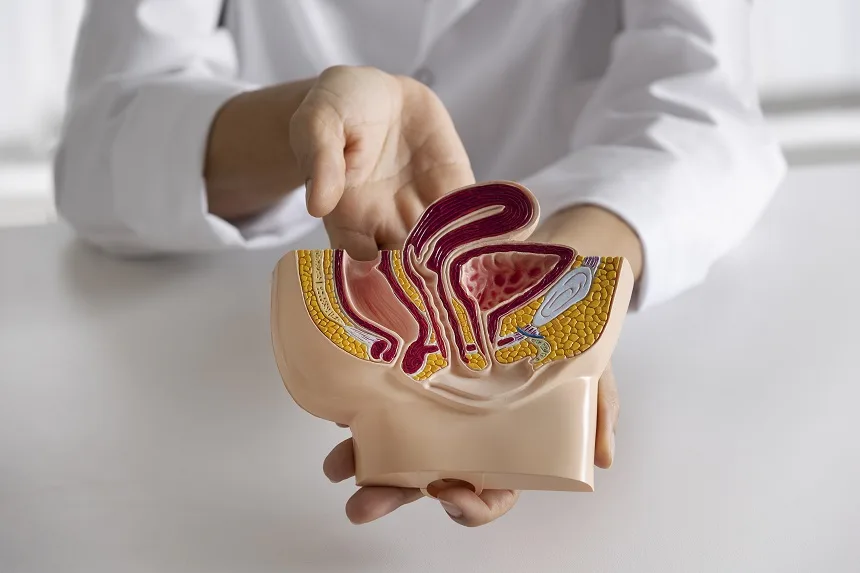
Incidence of UTI According to Pregnancy Periods
Urinary tract infection (UTI) during pregnancy can occur at any stage of pregnancy, but the risk is higher in some periods. Here is information about which periods of pregnancy UTI is more common:
First Trimester: The risk of UTI in the first trimester is relatively lower than in other periods. However, hormonal changes and adaptations in the immune system can increase the risk of UTIs during this period as well.
Second Trimester (Middle Period): In the second trimester of pregnancy (from about the 4th month to the 6th month), the risk of urinary tract infections increases. This may be due to incomplete emptying of urine due to hormonal changes and increased pressure of the growing uterus on the bladder. The accumulation of urine in the bladder creates an ideal multiplication environment for bacteria, increasing the risk of UTIs.
Third Trimester: In the last period of pregnancy, the growing fetus can put more pressure on the bladder, making it easier for urine to accumulate in the bladder. This is one of the risk factors for UTIs. However, the risk of developing urinary tract infections during this period is slightly less than in the second trimester.
Although UTI is a condition that can occur at any time of pregnancy, it should not be forgotten that the risk may be higher during the periods I mentioned above. When symptoms of a urinary tract infection are felt, whenever they occur, it is essential to contact a healthcare professional immediately. Especially in pregnancy, starting treatment early plays a critical role in preventing possible complications.
Frequently Asked Questions About Urinary Tract Infection During Pregnancy
Does a urinary tract infection during pregnancy harm the baby?
If not treated in time, a urinary tract infection can spread to the kidneys and cause premature birth.
Is antibiotic treatment safe?
Some antibiotics are considered safe in pregnancy. However, it is recommended that you do not use medication without consulting your doctor.
How do I prevent a urinary tract infection from recurring?
By implementing the above-mentioned preventive measures, you can reduce the risk of infection to a minimum.
A urinary tract infection during pregnancy can be a worrying condition for many women. However, these infections can be easily managed with the right treatment and preventive measures. The important thing is to consult a health professional as soon as you notice the symptoms and start treatment.
Note: This article is for general informational purposes only. It is recommended that you consult your doctor for information about a specific condition or treatment.