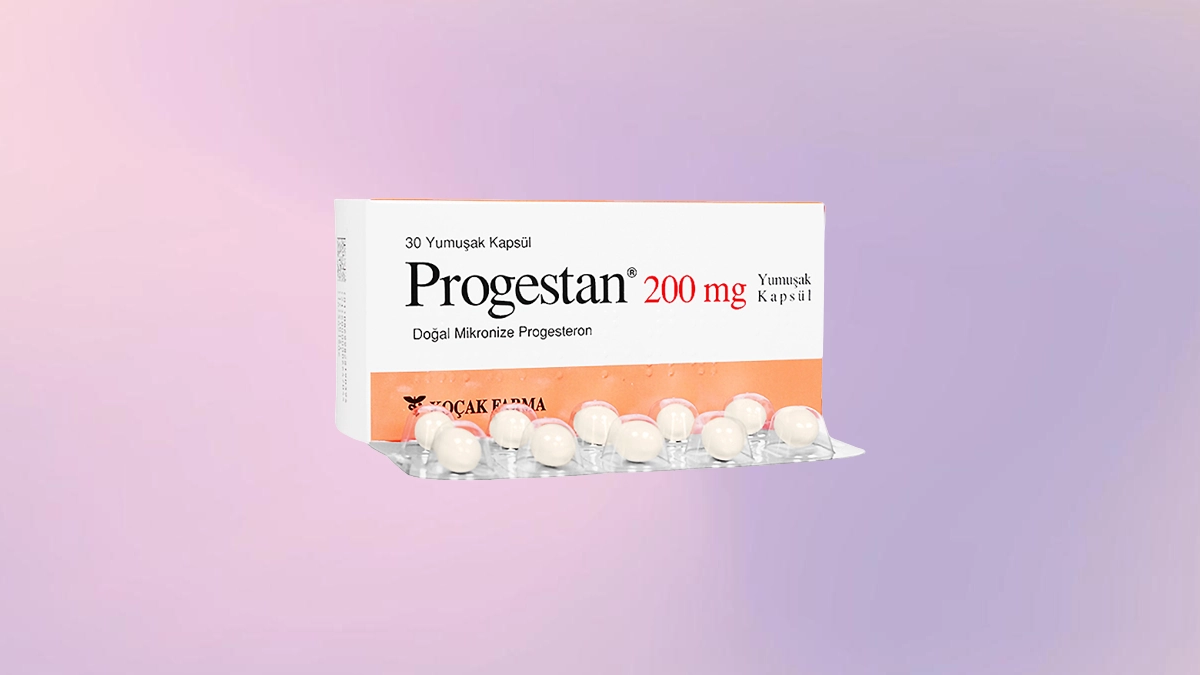
Use of Progestans During Pregnancy
Although the pregnancy process differs for each woman, there are some common concerns and questions. One of them is what you need to know about “Progestant Use in Pregnancy”. Progestan is a drug that is recommended for some women, especially during pregnancy. In this article, you can find information about what Progestan is, what it is used for, and what role it plays during pregnancy.
What is Progestan in Pregnancy?
Progestan is a synthetic version of the hormone progesterone, which is naturally produced in the body. This hormone has an important role in women’s menstrual cycle and during pregnancy. Progestan has similar effects on the body, mimicking the structure and function of the natural hormone.
Main Properties of Progestan
- Artificial Form of Progesterone Hormone: Progestan is a synthetic form of the natural hormone progesterone.
- Reduces the Risk of Miscarriage: The use of Progestans during pregnancy can reduce the risk of miscarriage .
- Supports the Uterine Wall: Progestant supports pregnancy by helping to thicken the uterine wall.
In Which Situations Is Progestan Medication Used?
Progestan is a synthetic form of the hormone progesterone, which is naturally produced in the body. This drug is used in many women’s health conditions. Here are some common situations in which Progestan is used:
Irregular Menstrual Cycles
- Regulation of the Menstrual Cycle: It is used to regulate irregular menstrual cycles that occur due to progesterone deficiency.
Pregnancy-Related Conditions
- Reducing the Risk of Miscarriage: It is used to reduce the risk of miscarriage, especially in recurrent miscarriages.
- Insufficient Luteal Phase: It is used when progesterone levels are low in the second half of the menstrual cycle.
- In Artificial Insemination or IVF Treatment: It is used to support the continuation of pregnancy.
Endometriosis and Intrauterine Membrane Diseases
- Reducing Pain and Inflammation: It is used to reduce pain and inflammation in intrauterine membrane diseases such as endometriosis or adenomyosis.
Hormone Change Therapy
- To Manage Menopausal Symptoms: It is used as an adjunct to estrogen therapy during menopause. This combination can help reduce the risk of uterine cancer.
Use as a contraceptive
- Birth Control: Progestant is used in some birth control pills and intrauterine devices (IUDs).
These purposes of use are stated for general information purposes. A health professional should be consulted before the use of any medication.
Who Should Not Use Progestants?
Although progestan is recommended for many women’s health conditions, it may not be suitable for some individuals. Here are the situations where the use of Progestan is not recommended or caution should be exercised:
Allergic Reactions
- Allergy to Ingredients: If you have a known allergy to the ingredients of Progestan, it is recommended that you do not use this medication.
Medical Conditions
- Active Thromboembolic Disorders: For example; It is not recommended for use in people with conditions such as deep vein thrombosis and pulmonary embolism.
- Liver Disease: People with active or severe liver disease are not recommended to use Progestans.
- Uterine, Breast, or Genitalia Cancer: The use of Progestan is not recommended in people where such cancers have been diagnosed or suspected.
- Previous Bleeding Disorder: People with a history of unexplained vaginal bleeding are not recommended to use Progestan without determining the cause of bleeding.
Other Conditions
- Pregnancy: If you are already pregnant, it is generally not recommended to use Progestan. However, in some cases, especially for recurrent miscarriages, your doctor may make a different recommendation.
- Porphyria: The use of Progestan is not recommended in patients with porphyria, a rare metabolic disorder.
Drug Interactions
- Interaction with Other Drugs: Progestan can interact with certain medications. If you are taking other medications, you should consult your doctor or pharmacist.
In summary, it is important to inform your doctor about your current health status, allergies and other medications you use before using PROGESTAN. As with any medication, Progestan has potential side effects and contraindications. For this reason, a health professional should be consulted before using any medication.
What are the Side Effects of Progestan Medication During Pregnancy?
Progestan is a medication that women can use for a variety of health conditions. However, just like any other medication, Progestan can have some side effects. These side effects may not be seen in everyone and may vary in severity from person to person.
Common Side Effects
Some side effects may be more common:
- Headache: Some users may experience headaches during treatment.
- Tenderness or Pain in the Breasts: There may be symptoms such as fullness, tenderness, or pain in the breast tissue.
- Mood Swings: Mood changes, depression or anxiety.
- Fatigue: Increased feeling of tiredness or weakness.
- Abdominal Pain: Nausea or abdominal cramps.
Less frequent side effects
- Hair Loss: Some users may experience hair loss.
- Weight Changes: Weight gain or loss.
- Changes in Skin: Pimples, rashes, or redness.
- Vaginal Bleeding or Spotting: Irregular vaginal bleeding or spotting.
Serious Side Effects
Although some side effects are rare, they can be quite serious:
- Chest Pain or Shortness of Breath: It can be a symptom of problems with the heart or lungs.
- Pain or Swelling in the Legs: May be a symptom of thromboembolic events, such as deep vein thrombosis.
- Severe Abdominal Pain: It can be a symptom of an ectopic pregnancy or another serious condition.
- Visual or Speech Disorders: It can be a symptom of potentially serious neurological conditions.
If you experience any of these side effects while using Progestan, especially if you notice serious side effects, contact a healthcare professional right away. You should consult your doctor or pharmacist for more information about the side effects of progestan or other medications. You can also refer to the drug’s package insert for other possible side effects that are not included in this list.
Usage of Progestan Drug
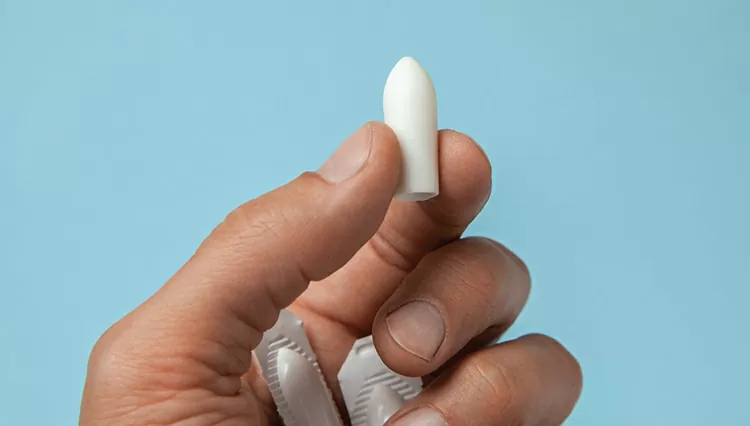
There are different forms and methods of administration of progestan during pregnancy:
- Oral Progestan (Pill): This type is progestan in tablet form that is taken by mouth. For example, we can cite drugs such as “Duphaston” or “Prometrium”.
- Vaginal Progestan (Suppository or Gel): This is progestan administered vaginally. This method allows the drug to reach the uterus directly and absorb it effectively. Vaginal suppositories or gels are inserted into the vagina, usually at night before going to bed. As an example, we can cite the “Crinone” gel or the “Utrogestan” vaginal capsules.
- Injectable Progestant: This type is progestan that is injected intramuscularly or subcutaneously. This type usually has a longer-lasting effect. As an example, we can cite “Prolutex”.
- Topical Progestan (Creams or Gels): This is progestan that is rubbed into the skin. However, there is not enough scientific data on the effectiveness of this method during pregnancy.
Frequently Asked Questions About Progestant Use During Pregnancy
Does Progestan suppository stop bleeding during pregnancy?
Yes, Progestan suppository during pregnancy can sometimes be recommended to reduce the risk of miscarriage. Especially in cases where progesterone levels are low or in cases of recurrent miscarriages, doctors think that a progestan suppository can reduce the risk of miscarriage. However, it is difficult to give an absolute guarantee as to whether the suppository will stop every bleeding. Depending on the cause of the bleeding, it may or may not be effective. If you experience any bleeding or spotting during pregnancy, you should definitely consult your doctor.
What should I pay attention to when using Progestan suppositories during pregnancy?
First of all, you should strictly follow the dosage and duration of use recommended by your doctor. Also, if you notice any side effects, discomfort or bleeding during the use of suppositories, you should immediately contact your doctor.
Does Progestan during pregnancy harm the baby?
No, scientific research so far has found no evidence that Progestan harms the baby when used during pregnancy. However, as with any medication, it is important to use it under the advice and supervision of your doctor. If you have concerns, you should talk to your doctor in detail.
The pregnancy process brings with it many variables and concerns. During this time, it is natural to focus on issues such as “Use of PROGESTAN during pregnancy”. However, the important thing is to get a doctor’s advice before using this drug, to evaluate possible side effects and risks, and to manage your pregnancy process in the best way. If you have more questions about PROGESTAN, do not hesitate to contact your doctor.
Note: This article is written for general informational purposes only. Please consult your doctor for your special health conditions. Do not forget that you should consult your doctor before using any medication during your pregnancy.
Disclaimer