What Causes Contractions During Pregnancy?
Pregnancy is one of the most special and unique experiences in the lives of many women. However, during this time, the mother’s body undergoes many changes, and sometimes these changes can bring uncomfortable conditions, especially “contractions during pregnancy”. In this article, you will learn about the causes and symptoms of contractions during pregnancy and how you can deal with this condition.
What is Contraction During Pregnancy?
Contractions encountered during pregnancy are usually characterized by regular tightening and relaxation of the uterus. The causes and severity of these contractions may vary from person to person.
The shape, frequency and severity of contractions may vary at different periods of pregnancy. Some of the contractions that can be experienced during pregnancy are as follows:
1. First Trimester Contractions:
- Implantation Contractions: The process of attachment of the fertilized egg to the uterine wall can sometimes cause mild contractions or cramp-like pain. This occurs very early in pregnancy, usually within the first few weeks after fertilization.
- Enlargement of the uterus: The uterus expands as the baby grows, which can sometimes cause slight contractions.
2. Second Trimester Contractions:
- Braxton Hicks Contractions: These contractions can begin towards the end of the second trimester of pregnancy and continue into the third trimester. They are usually harmless and are called “practice contractions” that mimic childbirth. Braxton Hicks contractions are usually irregular, short-lived, and painless.
3. Third Trimester Contractions:
- Increase of Braxton Hicks Contractions: In the late stages of pregnancy, such contractions may become more frequent and pronounced.
- Labor Contractions: In the last weeks or days of pregnancy, true contractions begin close to the onset of labor. These contractions start from the upper part of the uterus and work their way down. It usually comes regularly, at regular intervals, and becomes more severe and frequent over time. It also often causes pain that increases continuously.
How Does Contraction Happen During Pregnancy?
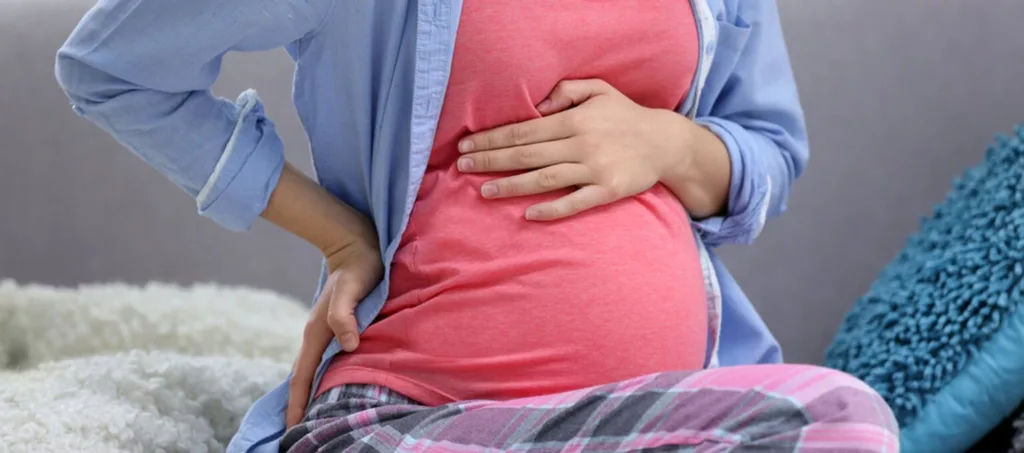
Contractions during pregnancy are a natural process experienced during pregnancy, and the nature of these contractions may vary according to the period, duration and individual differences of pregnancy. However, here is some information on how contractions are felt during pregnancy in general:
- Mild Contractions (Braxton Hicks): These contractions usually begin in the second trimester of pregnancy and can continue until delivery. Braxton Hicks contractions are also called “practice contractions” that mimic childbirth. These contractions are usually:
- It is short-lived.
- It comes at irregular intervals.
- It is painless or causes mild discomfort.
- It usually decreases by moving or changing position.
- True Labor Contractions: These contractions become more pronounced as we get closer to labor. True labor contractions:
- It comes at regular intervals, and these intervals shorten over time.
- It intensifies and lasts longer.
- It usually starts from the lumbar region and spreads to the abdomen.
- It doesn’t go away with changing positions.
- It usually causes pain or discomfort that is constantly increasing.
- Positioning Contractions: It can also be defined as the contraction of the uterus so that the baby gets into the correct position in the pelvis. Such contractions are usually mild and have no specific pattern.
The sensation of contractions during pregnancy can vary from woman to woman. Some women may describe contractions as tightening or hardening, while others may describe them as pains similar to menstrual pains. It is natural to feel contractions during pregnancy, but if you are experiencing contractions in a severe, regular or alarming manner, a healthcare professional should be consulted. Especially in the early stages of pregnancy, if it comes with symptoms such as severe contractions, water breaking, or vaginal bleeding, it is necessary to consult a doctor immediately.
How Does Contraction Feel During Pregnancy?
How contractions feel during pregnancy can vary from woman to woman. But in general, women describe these contractions in the following ways:
- Abdominal Tightening: During contraction, the muscles of the uterine wall tighten. This can be understood by a hardened sensation when you touch your abdomen with your hand. This tightening occurs temporarily, and then the uterus returns to its original state.
- Pain similar to menstrual pain: Some women describe contractions as similar to the contractions they experience during menstruation. This pain is usually felt in the lower abdomen or lower back.
- Pressure Feeling: During contractions, some women may experience a feeling of pressure in the pelvic area.
- Back Pain: Contractions can sometimes cause pain in the lumbar region. This pain is usually concentrated in the lower back and can radiate to the abdomen.
- Pain that comes at regular intervals: In women who are nearing labor, contractions usually begin to come at regular intervals. While these contractions are less frequent at the beginning, they shorten and increase in intensity over time.
- Pain Like a Wave: Some women describe contractions with the analogy of a wave. It starts slowly, peaks, and then slowly decreases.
- Slight Discomfort: Especially with Braxton Hicks contractions, there may be a slight feeling of discomfort instead of severe pain.
Causes of Contractions During Pregnancy

There are many causes of contractions, but the most common causes are:
- Physical Activity
Intense physical activity can lead to contractions during pregnancy. - Sexual Activity
Some women may experience mild contractions after sexual activity . - Dehydration
Insufficient fluid intake can lead to increased contractions.
Ways to Prevent Contractions During Pregnancy
1. Adequate Fluid Intake:
Dehydration can trigger convulsions. Therefore, drinking at least 8-10 glasses of water a day can reduce the risk of contractions by preventing dehydration.
2. Rest:
Excessive physical activity or fatigue can increase contractions. Therefore, it is useful to rest when you feel tired. Also, don’t forget to take short breaks between your daily activities.
3. Avoiding Stress:
Stress is a factor that can trigger contractions. You can reduce stress with relaxation techniques such as meditation, deep breathing techniques, or yoga.
4. Hot Bath:
A relaxing hot bath can relax the muscles and reduce the severity of contractions. However, make sure that the hot water is not too hot, excessively hot water can be harmful to the baby.
5. Exercise Regularly:
Light and regular workouts can improve your overall muscle health and reduce the severity and frequency of contractions. However, you should talk to your doctor before starting any exercise program.
6. Not Carrying Weight:
Carrying heavy loads can trigger contractions, especially by putting extra pressure on the lumbar region. Don’t be afraid to ask for help when moving your belongings.
7. Proper Nutrition:
A balanced and healthy diet can protect your muscle health. Consuming mineral-rich foods, especially magnesium and potassium, can help prevent contractions.
8. Beware of Sexual Activity:
Some women may experience contractions after sexual activity. If you have severe or frequent contractions after sexual activity, you should talk to your doctor.
9. Wearing Comfortable Clothes:
Tight clothing, especially in the abdomen, can put pressure on the uterus, triggering contractions. Therefore, it is important to choose comfortable and loose clothes.
Finally, if your contractions become severe, frequent, or accompanied by other worrying symptoms, you should definitely contact a healthcare professional. Every woman’s experience of pregnancy is unique, so it’s important to share your symptoms and experiences with your doctor regularly.
Frequently Asked Questions
-
Is contraction normal during pregnancy?
Yes, contractions during pregnancy are quite common, especially later in pregnancy.
-
Are Braxton Hicks contractions harmful?
No, they are usually harmless and are just practice contractions.
-
What should I do if my contractions are very frequent and painful?
If your contractions are regular, frequent, and painful, you should contact a healthcare professional.