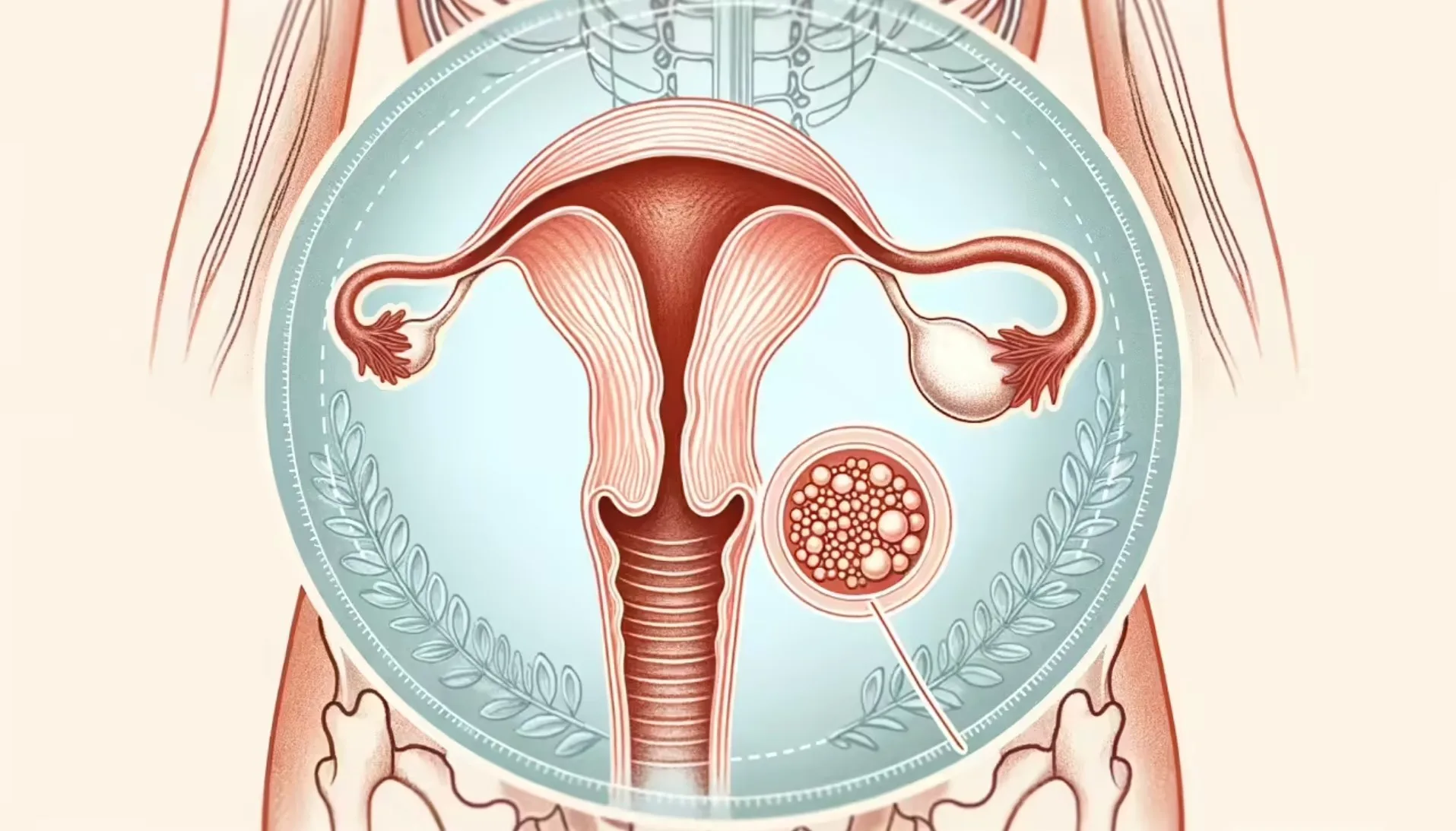
What is Ectopic Pregnancy? What are the symptoms?
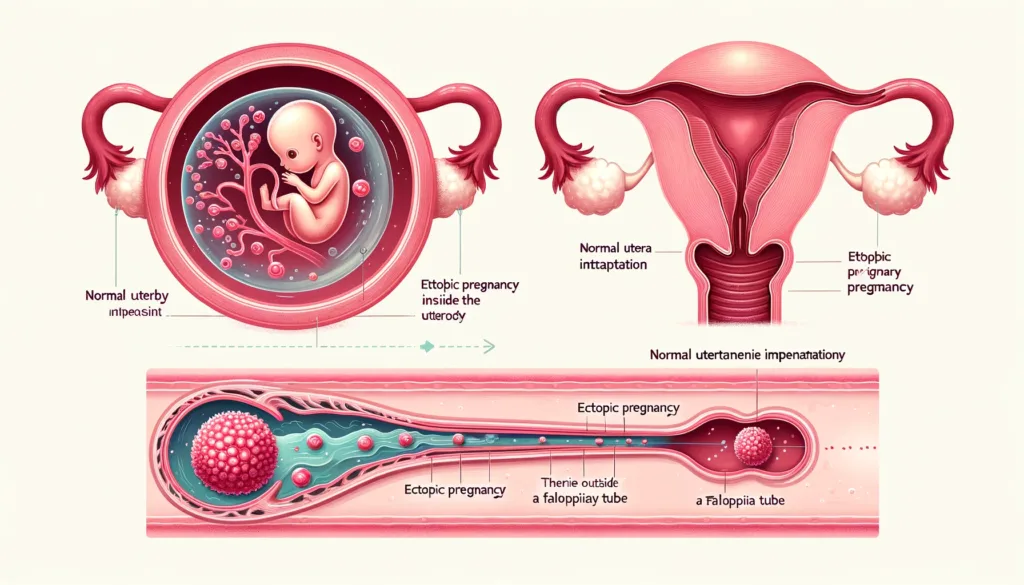
Ectopic pregnancy can be a challenging situation for expectant mothers, but with the power of knowledge and the right support, it is possible to better understand and manage this process. So, what exactly is an ectopic pregnancy ? An ectopic pregnancy, also commonly known as a test-tube pregnancy, is a condition in which a fertilized egg implants outside the uterus, mostly in the fallopian tubes. This hinders the progression of a normal pregnancy and can pose serious health risks.
Although ectopic pregnancy is worrisome, it is a manageable condition with early diagnosis and appropriate treatment. In this article, we will discuss in detail everything you need to know about ectopic pregnancy, from symptoms to treatment, from risk factors to prevention methods. Remember that knowledge is your greatest strength in this difficult journey.
What is Ectopic Pregnancy?
An ectopic pregnancy can be an unexpected and challenging experience for expectant mothers. This condition is characterized by the fact that the fertilized egg, instead of implanting in the uterus, usually finds a place in the fallopian tubes. Sometimes, this placement can also take place in other areas, such as the abdominal cavity. However, the important point is that an ectopic pregnancy is any pregnancy that takes place outside the uterus.
Ectopic pregnancy accounts for about 1-2% of pregnancies and can carry serious health risks if not diagnosed early. Typically, the first symptoms appear 6-8 weeks after the last menstrual period. This is a health problem that needs to be treated as pregnancy that continues to grow outside the uterus puts pressure on the surrounding tissues and leads to potentially serious complications.
As scary as it can be, knowing about an ectopic pregnancy is critical for early detection and effective treatment. In this article, we aim to guide expectant mothers who experience this condition by providing information about the symptoms, diagnosis and treatment options of ectopic pregnancy. Remember, having knowledge is your biggest helper in this difficult journey.
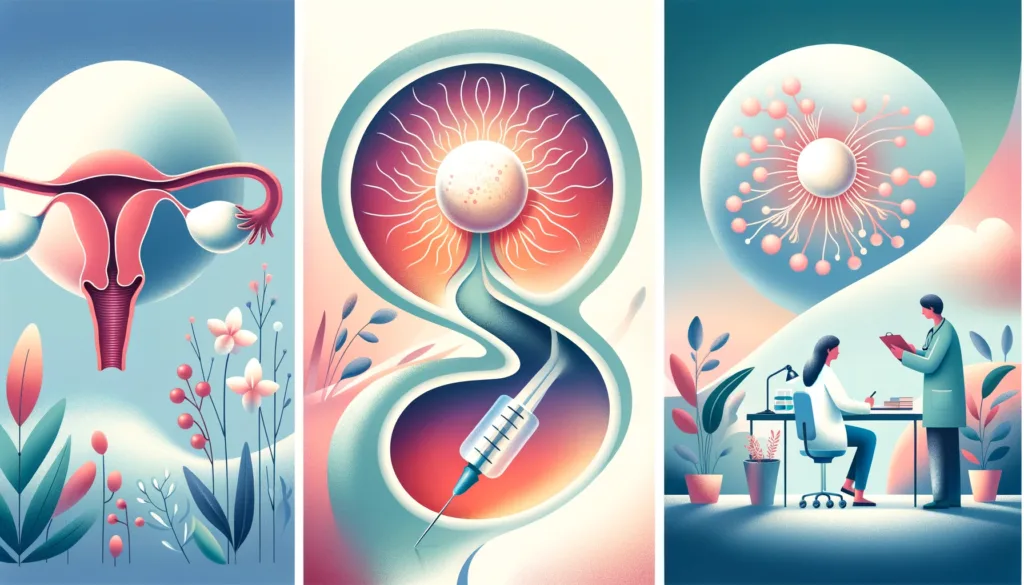
What are the Symptoms of Ectopic Pregnancy?
Ectopic pregnancy usually manifests itself with obvious symptoms, and recognizing these symptoms is vital in early diagnosis. Among the most common symptoms of this condition are:
- Abnormal Vaginal Bleeding: In the case of ectopic pregnancy, abnormal vaginal bleeding may occur, which can range from mild to severe. This bleeding is usually different from normal menstrual bleeding.
- Abdominal or Pelvic Pain: Sharp or painful pain, usually unilateral, is one of the most obvious symptoms of an ectopic pregnancy.
- Dizziness or Fainting: As an ectopic pregnancy progresses, the risk of internal bleeding increases, which can lead to a feeling of dizziness or fainting.
- Shoulder Pain: Although rare, internal bleeding that can put pressure on the diaphragm can cause shoulder pain.
A woman who experiences any of these symptoms should seek medical attention immediately. The diagnosis of an ectopic pregnancy is usually made by pelvic examination, ultrasound and blood tests. Ultrasound is used to determine if the fertilized egg is inside the uterus, while blood tests measure pregnancy hormone (hCG) levels. While hCG levels rise rapidly in a normal pregnancy, this increase may be irregular or slow in an ectopic pregnancy.
When you receive a diagnosis of an ectopic pregnancy, please remember that it is not your fault. This condition is a health problem that many women face and can be managed with proper medical intervention. You are not alone on this journey, and the emotions you experience are completely normal. Be kind to yourself and get the support you need.
Who Has a Higher Chance of Having an Ectopic Pregnancy?
Ectopic pregnancy can occur in any woman, but some conditions can increase this risk. Being aware of these risk factors can help you assess your risk. Some common risk factors that can lead to an ectopic pregnancy include:
- Previous Ectopic Pregnancy History: Women who have had an ectopic pregnancy before are at risk of having an ectopic pregnancy again.
- Fallopian Tube Damage or Problems: Infections, previous surgical interventions, or structural problems of the tube can increase the risk of ectopic pregnancy.
- Smoking: Smoking can affect movement in the fallopian tubes, making it difficult for the fertilized egg to pass into the uterus.
- Some Birth Control Methods: The risk of ectopic pregnancy may increase, especially in women with tied tubes or those who use IUDs (intrauterine device).
- Previous Pelvic Inflammatory Disease (PID): PID can damage the fallopian tubes, which can increase the risk of ectopic pregnancy.
- Age: Women over the age of 35 have a higher risk of ectopic pregnancy than younger women.
Having these risk factors doesn’t necessarily mean you’ll have an ectopic pregnancy, but being aware can increase your awareness of a potential risk and your chances of early intervention. If you have any of these risk factors, regular medical check-ups are even more important. Remember, taking care of yourself and prioritizing your health is your biggest supporter on this journey.
How is Ectopic Pregnancy Treated?
When an ectopic pregnancy is diagnosed, prompt and effective treatment is vital. The treatment method may vary depending on the stage at which the ectopic pregnancy is diagnosed and your personal health status. The main methods used in the treatment of ectopic pregnancy are:
- Medical Treatment: In mild cases of ectopic pregnancy, a drug called methotrexate can be used. This drug stops the development of abnormal pregnancy and allows the body to absorb it over time. Medical treatment is preferred in cases that do not require surgical intervention.
- Surgical Treatment: Surgical intervention may be required in more advanced cases of ectopic pregnancy. Laparoscopy (closed surgery) method is the most widely used surgical treatment. With this minimally invasive procedure, the ectopic pregnancy is removed without discomfort and, if possible, the fallopian tube is preserved.
- Surgical Intervention for Emergencies: If an ectopic pregnancy has ruptured the fallopian tube, this condition requires an urgent surgical intervention. This procedure is done to prevent life-threatening risks and stop internal bleeding.
During and after ectopic pregnancy treatment, the physical and emotional healing process is important. During the treatment process, it is important to follow your doctor’s recommendations and make the necessary medical follow-ups. At the same time, it is very valuable to receive emotional support and professional help when necessary after this experience. Being understanding with yourself and getting the support you need during this challenging time is an important part of your healing journey.
Ectopic Pregnancy and Future Pregnancies
Many women who have experienced ectopic pregnancies are concerned about future pregnancies. This is a completely normal feeling, but there are plenty of reasons to be hopeful. After an ectopic pregnancy, you still have a good chance of having a healthy pregnancy. Here’s what you need to know about future pregnancies:
- Healing Process: After an ectopic pregnancy, it is important to allow time for your body to fully recover. Your doctor will determine the amount of time it will take before you can get pregnant again.
- If you become pregnant again, your doctor will be extra careful to determine the location of the pregnancy in the early period. This helps reduce the risk of ectopic pregnancy recurrence.
- Management of Risk Factors: If you have a history of ectopic pregnancies, managing risk factors is even more important. Quitting smoking, maintaining a healthy lifestyle, and regular medical check-ups can help you in this process.
- Emotional Preparation: Getting pregnant again after an ectopic pregnancy can be emotionally challenging. During this process, it is important to receive emotional support and to seek counseling or therapy services when necessary.
- Hope and Resilience: Ectopic pregnancy is an obstacle that many women successfully overcome. Keep in mind that there are many women who achieve successful results in future pregnancies. Have confidence in yourself and hold on to hope.
Getting pregnant again after an ectopic pregnancy can bring some concerns, but being aware and prepared can make this journey safer and more hopeful. Every step of the way, be kind to yourself and get the support you need.
Methods of Protection from Ectopic Pregnancy
Although an ectopic pregnancy is not a completely preventable condition, there are steps that can be taken to reduce the risk. These steps focus on improving your overall health and reducing the risk factors for ectopic pregnancy. Here are the ways to prevent ectopic pregnancy:
- Regular Medical Checkups: Regular gynecological exams and health checkups can help in the early detection of conditions that can damage the fallopian tubes, such as pelvic inflammatory disease (PID).
- Smoking Cessation: Smoking can affect the function of the fallopian tubes. In addition to improving your overall health, quitting smoking can also reduce your risk of ectopic pregnancy.
- Sexual Health Awareness: Unprotected sexual intercourse increases the risk of sexually transmitted diseases (STDs), which can also increase the risk of PID and subsequent ectopic pregnancy. Safe sexual practices and regular testing are important in reducing this risk.
- Healthy Lifestyle: A balanced diet and regular exercise help improve your overall health and can indirectly reduce the risk of ectopic pregnancy.
- Awareness of Risk Factors: If you’ve had an ectopic pregnancy or fallopian tube problems before, talk to your doctor about how you can reduce these risks.
Ectopic pregnancy prevention is possible with proactive health management and conscious lifestyle choices. Taking care of yourself, making healthy decisions, and regular health checkups can guide you through this process. Remember, prioritizing your health is the best strategy in reducing the risk of any type of pregnancy.
Misconceptions About Ectopic Pregnancy
A lot of misinformation circulating about ectopic pregnancy can lead to misconceptions and unnecessary concerns about it. Here are some common misconceptions and facts about ectopic pregnancy:
Myth: Ectopic pregnancy only occurs in women who engage in risky behaviors.
Fact: An ectopic pregnancy can occur in any woman. Risk factors can increase the likelihood of this condition, but ectopic pregnancy can occur in women from all social and health backgrounds.
Myth: It is impossible to get pregnant after an ectopic pregnancy.
Fact: Many women experience healthy pregnancies after an ectopic pregnancy. Although the risk of recurrence is slightly higher in women with a history of ectopic pregnancies, many women are able to successfully become pregnant and give birth.
Myth: An ectopic pregnancy means you’ll be a bad mother.
Fact: An ectopic pregnancy is not about your ability or worth to be a mother. This is a medical condition that cannot be controlled and cannot be predicted.
Myth: Ectopic pregnancy is always easily diagnosed.
Fact: An ectopic pregnancy can sometimes be difficult to diagnose because its symptoms may be similar to those of a normal pregnancy or other health problems. Careful medical evaluation and monitoring are necessary for early detection.
False: In an ectopic pregnancy, pain or symptoms begin immediately.
Fact: Symptoms of ectopic pregnancy can sometimes go unnoticed in the first weeks of a normal pregnancy. Symptoms usually appear later in pregnancy.
Correcting this misinformation can help you have a more accurate understanding of ectopic pregnancy and reduce unnecessary concerns. It is important to use reliable sources and rely on your doctor’s advice when learning about any health issues.
Ectopic Pregnancy Statistics
I can share some important information on “Ectopic Pregnancy Research and Statistics” based on up-to-date and reliable sources:
- Ectopic pregnancy is seen in approximately 1-2% of the general population and this rate varies between 2-5% among patients using assisted reproductive technologies.
- Ectopic pregnancies that occur outside the fallopian tube account for less than 10% of all ectopic pregnancy cases.
- Ectopic pregnancy is one of the leading causes of maternal death in the first trimester, accounting for 5-10% of all pregnancy-related deaths. Source: [1]
These statistics are important to raise awareness of ectopic pregnancy and to better understand this condition. For more information about ectopic pregnancy, it would be useful to consult reliable medical sources where detailed research has been done on the subject.
Frequently Asked Questions
Is an ectopic pregnancy always serious?
Yes, ectopic pregnancy is a serious condition that requires urgent intervention. Early diagnosis and treatment are important to prevent complications.
When can I get pregnant after an ectopic pregnancy?
After an ectopic pregnancy, a certain recovery period is required before becoming pregnant. Your doctor will determine when you are ready to get pregnant again based on your situation.
What is the risk of recurrence of ectopic pregnancy?
Women who have had an ectopic pregnancy have a slightly higher risk of having an ectopic pregnancy again. However, this is not the case for everyone, and many women can experience healthy pregnancies after an ectopic pregnancy.
Should I get emotional support after ectopic pregnancy treatment?
Yes, an ectopic pregnancy can be a challenging experience, both physically and emotionally. Seeking emotional support and professional help when needed can be an important part of your healing process.
Is an ectopic pregnancy the same as a chemical pregnancy?
No, ectopic pregnancy and chemical pregnancy are different conditions. An ectopic pregnancy is when a fertilized egg implants outside the uterus, especially in the fallopian tubes, and requires medical attention. Chemical pregnancy, on the other hand, is a pregnancy that ends at a very early stage and can usually only be detected by blood tests. In a chemical pregnancy, the embryo cannot implant properly in the uterine wall and usually ends naturally. These two conditions differ in terms of pregnancy processes and outcomes.