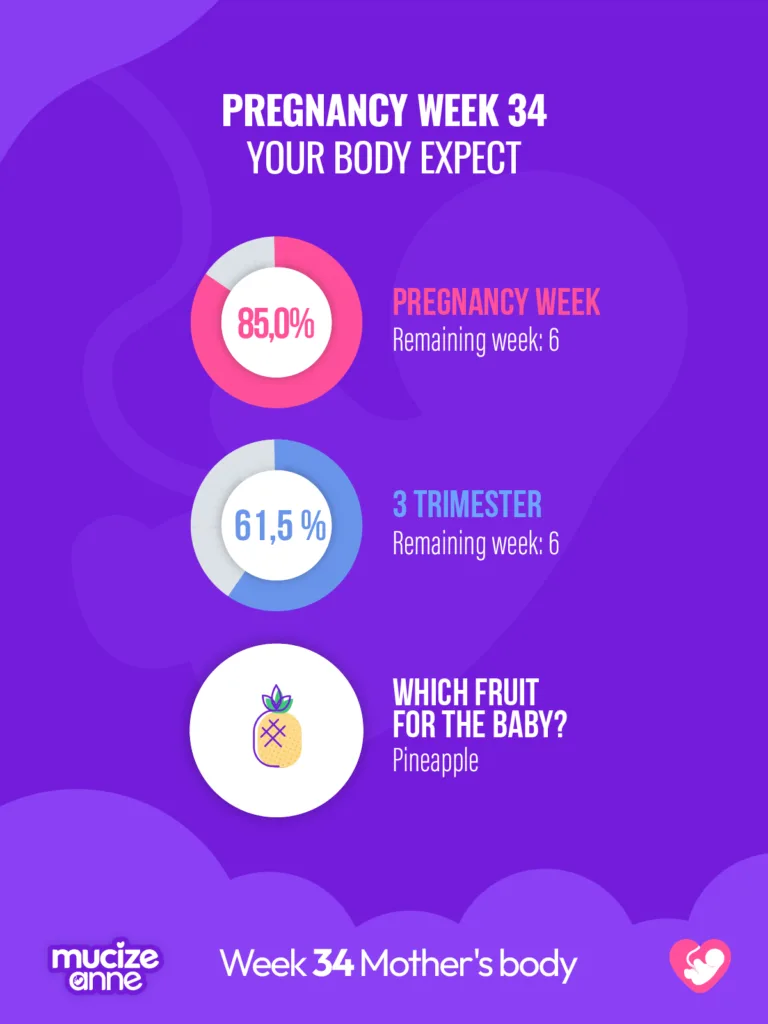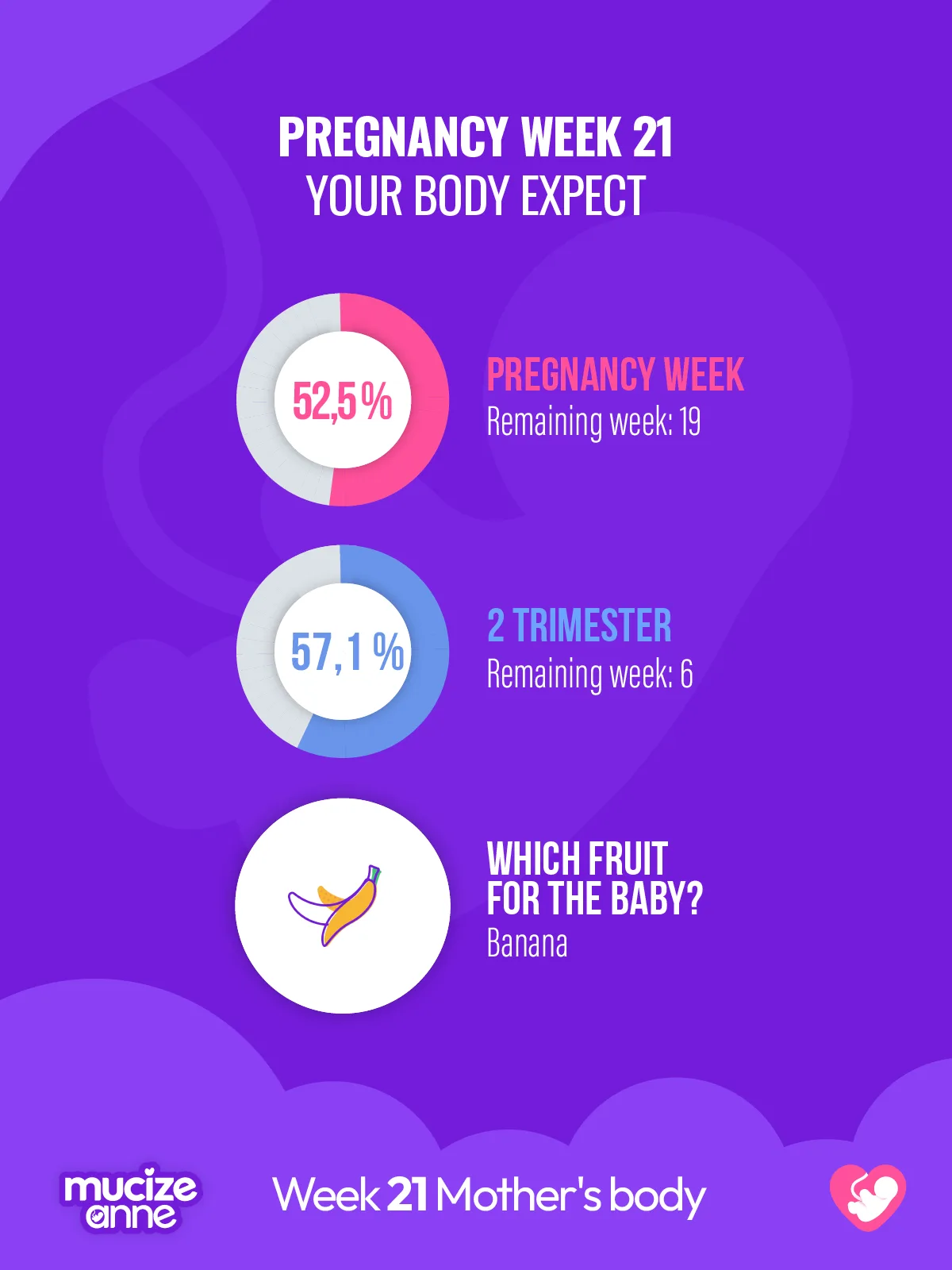
21st week of pregnancy
21 Weeks Pregnancy Highlights
- Have you started to feel your baby’s movements? Your baby is now spinning around, making itself felt with tiny kicks and punches! These early movements are called “acceleration” and are a really exciting experience.
- This week could be the time for a Detailed Ultrasound Scan! During this ultrasound, specialists will carefully check your baby’s development and take measurements. If you haven’t found out the sex of your baby, this week is a great opportunity to find out.
- You may have gained about 6-7 kilograms in total during this week of your pregnancy. But don’t get too hung up on weight gain; it is more important to focus on a balanced diet and keep moving.
- Braxton Hicks contractions may start during these weeks. These contractions usually cause a short-term feeling of tightness and pass when you change position. If the contractions become regular or uncomfortable, you should consult a specialist.
- Have you chosen a name yet? If you haven’t decided yet, these weeks are the ideal time to take a look at name suggestions! You may also start the process of preparing your home for your baby. Don’t worry, your baby will focus on your love instead of a matching playpen. 😊
Baby Development in the 21st Week of Pregnancy
Wondering how fast your baby is developing this week? Here are the miraculous changes in your baby in week 21:
- The digestive system is working: Your baby’s digestive system starts producing a dark substance called meconium in preparation for the outside world. This substance will appear in the first diaper after birth!
- Bone Marrow Active: From this week, your baby’s bone marrow starts to produce red blood cells. Previously, this was done by the liver and spleen. To help your body support your baby’s red blood cells, do not neglect your pregnancy vitamins and continue to consume iron-rich foods.
- Lanugo (Fine Hairs): By this week, your baby’s body is covered with fine hairs called lanugo. These hairs help your baby to maintain a constant body temperature and usually start to fall out at 37 weeks of pregnancy.
- He Can Hear Sounds Your baby can now hear what is happening inside your body – your heartbeat, the sounds of your digestive system and even your voice! Newborns can recognize their parents’ voices and the songs they heard during pregnancy. So you can already start talking to your baby, singing songs or reading books.
- The reproductive system is developing: If your baby is a girl, the six million eggs she will use for the rest of her life are forming in her womb this week. If it’s a boy, his testicles are still in the abdomen but will descend in the coming weeks.
Your baby is growing and developing fast – enjoy this wonderful process! 😊
21st Week of Pregnancy : How Big Is Your Baby?
In your 21st week of pregnancy, your baby is the size of a banana! It is about 21.5 cm long and weighs 340 grams, and you may start to feel your baby’s movements more frequently. Remember, from this week onwards, baby size is measured from head to heel, not from head to buttocks. This gives you a better idea of the actual size of your baby!
What Does a 21-Week Baby Do in the Womb?
This week you can feel your baby’s movements more clearly. You may even get a tiny “response” when you press gently on your tummy! Your baby is learning to make coordinated movements, enjoying the large space in your womb. He or she is also sleeping about 12-14 hours a day to support growth and development. Your baby is practicing swallowing amniotic fluid. Don’t worry, he is still getting his nutrients through the placenta. At the same time, taste buds, hair and body hair continue to develop rapidly.
21 Week Baby Photos
Your ultrasound photos from this week will look amazing! Don’t forget to take lots of printouts, because if there are no complications in your pregnancy, this may possibly be your last medical ultrasound. You can celebrate this special moment by sharing the photos with your loved ones. It’s also a great opportunity to keep thinking about your baby’s name! 😊
21 Week Pregnancy Symptoms
The symptoms you may experience in the 21st week of pregnancy are like a small rehearsal of the changes you may experience in the third trimester. Here are some common symptoms this week:
Heartburn and Indigestion
Spicy and fatty foods can increase heartburn and indigestion. By avoiding such foods and keeping a food diary, you can find out which foods bother you.
Braxton Hicks Contractions
Your uterus may experience mild contractions in preparation for labor. These contractions usually go away when you change position. However, if you experience regular and painful contractions, you should consult a specialist.
Leaky Breasts
Towards the end of the second trimester, your milk ducts are fully developed. During this time, you may leak a little fluid from your breasts. This is part of your body’s preparation for breastfeeding and is quite normal.
Dry and Itchy Skin
As the skin over your growing belly stretches, it can become more sensitive and dry. You can moisturize your skin and relieve itching by using a pregnancy-friendly lotion or body oil. However, if you notice a skin rash or other symptoms, it is important to consult your doctor as this could indicate a condition such as PUPPP.
Cracks
As your baby grows, your skin may develop stretch marks. This is caused by small tears under the skin and is often associated with a genetic predisposition or sudden weight gain. Stretch marks are more common, especially in those expecting twins. Although it is not possible to prevent them completely, they usually fade and become less noticeable after birth.
These symptoms can be a great guide to understand how your body is changing with your growing baby. Accept all these processes and enjoy this special time! 😊
How many months is a 21-week pregnancy?
21 weeks gestation is about the fifth month of your pregnancy. Doctors usually measure pregnancy in weeks to track progress more precisely. This week is an important milestone in your pregnancy, as you are halfway through a journey that lasts 40 weeks in total.
21 Week Ultrasound
If you are having your mid-term ultrasound this week, you will have the chance to see your baby’s development more closely. During the ultrasound, as well as observing your baby’s movements, you can also see details such as the cerebral hemispheres and heart chambers. This is a great opportunity to realize how miraculously your baby is developing!
If you want to find out the sex of your baby, you can ask your ultrasound specialist. For some parents, this may be an exciting detail that needs to be known immediately, while others may prefer to keep it a surprise until the birth. If you want to leave it to a more private moment, you can ask the ultrasound technician to write the gender on an envelope and make it fun by organizing a gender reveal party with your loved ones. 😊
When are Braxton Hicks contractions worrying?
Braxton Hicks contractions are usually short and harmless, but in some cases you may need to be careful. If the contractions
- It doesn’t pass in a few minutes,
- If it becomes stronger and more frequent,
- Fluid or blood coming from the vagina,
be sure to inform your doctor. These contractions are usually preparatory to labor and are considered normal. They usually last no longer than 2 minutes and can be triggered by a full bladder, dehydration, sexual intercourse or a strong movement of the baby. In such cases, drinking plenty of fluids, resting and changing positions are usually comforting. However, it is important to consult your doctor when in doubt.
21 Weeks of Pregnancy Abdominal Appearance
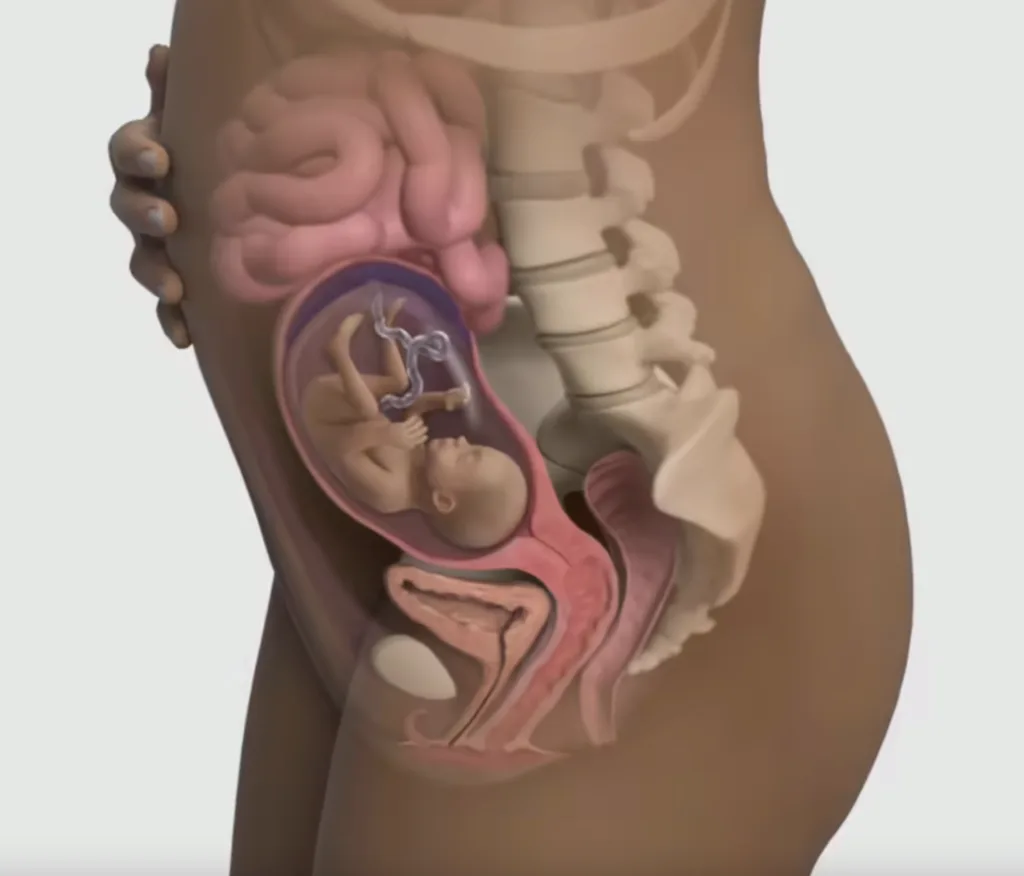
When you look in the mirror this week, you may think, “Is that me?!” At 21 weeks of pregnancy, you may have gained 6-7 kilograms. If you are expecting twins, this figure can go up to 9-10 kilos.
Your new curves can make you feel great and attractive. But if the discomfort of weight gain worries you, remind yourself that it is completely normal and necessary. If you are worried about your weight, you can put your mind at ease by consulting your doctor.
Remember that the weight you gain during pregnancy is not just fatty tissue; it serves a vital function for your body and your baby. Here is a general picture of how pregnancy weight gain is distributed:
- Average 38-week-old baby: 3.4 kg
- Placenta 700 g
- Uterus 900 g
- Amniotic fluid 900 g
- Fat, protein and other nutrient stores: 3.2 kg
- Breast tissue 900 g
- Increased fluid volume: 900-1.3 kg
- Increased blood volume: 1.8 kg
As you can see, these pounds play a very important role in keeping your baby healthy and feeding him or her after birth. When you feel bad about your body, remember these functions and be proud of your body! 😊
21 Weeks Pregnant Mothers of Twins
If you are expecting twins this week, your tummy may be tense and itchy. Stretch marks may also start to appear during this period. You can soothe your growing belly by using pregnancy-friendly moisturizers to relieve itching.
Heartburn can be common during this period. To alleviate this, avoid spicy and fatty foods and eat smaller portions but more frequently. If these methods are not enough, you can consult your doctor and get a recommendation for an antacid that can be used safely during pregnancy.
When you are expecting twins, your body carries extra stress, so you should take care to rest and take good care of yourself. Don’t hesitate to ask for help when you need it and enjoy this miraculous process! 😊
Tips for 21 Weeks Pregnancy
Your pregnancy journey continues apace! You have about 19 more weeks ahead of you, and sometimes it can feel like a blink of an eye and sometimes it can feel like a slow process. Here are some tips to help you make this period more comfortable and enjoyable:
1. Drink plenty of water
Drinking water helps to alleviate many problems during pregnancy. It may sound strange, but drinking plenty of water prevents your body from retaining water. It also calms Braxton Hicks contractions, helps protect you from urinary tract infections and makes you feel better in general.
2. Don’t Neglect Movement
Exercise can sometimes seem challenging, but it is highly beneficial in pregnancy to reduce bloating and improve blood circulation. You can try low-impact activities such as maternity yoga, gentle walking or swimming. Especially as your belly grows, this type of exercise will not only relax you but also prepare your body for labor.
3. Take Courses and Trainings
If you want to learn about childbirth, breastfeeding or baby care, now is a great time to enroll in such courses! As these courses usually fill up quickly, consider enrolling early before the last few months. The knowledge you will gain will boost your confidence and prepare you one step further for your baby.
Enjoy this week, take care of yourself and remember that your body is doing great work on this beautiful journey! 😊
Frequently Asked Questions
In this wonderful but sometimes confusing 21st week of pregnancy, it’s natural to have questions. Here are some of the questions that other expectant mothers often ask and that you might wonder about, and the answers to them:
Which tests are performed at 21 weeks of pregnancy?
A detailed ultrasound scan is usually performed during this period. Your doctor may also recommend additional tests, such as screening for gestational diabetes or iron levels.
When will my baby start moving regularly?
Most expectant mothers start to feel their baby’s movements regularly between 18 and 22 weeks. Don’t worry if you haven’t felt them yet; every baby is active at different times.
What kind of food should I focus on in the 21st week of pregnancy?
Try to eat a balanced diet, rich sources of iron, high-quality proteins, complex carbohydrates, healthy fats and plenty of fiber. Also, remember to drink plenty of water for adequate hydration.
How much weight should I gain?
Weight gain during pregnancy is individualized and your doctor will provide a guideline based on your BMI and general health. On average, total weight gain during this period is expected to be between 5-10 kilograms.
Is it safe to exercise during pregnancy?
Yes, light to moderate exercise is safe as long as it is approved by your doctor. Swimming, walking and prenatal yoga are popular exercises to do during pregnancy.
Is insomnia normal during pregnancy?
Yes, insomnia is common during pregnancy. Creating a comfortable sleeping environment, establishing a relaxing night routine and using pregnancy pillows can help.
Is it safe to travel during pregnancy?
Yes, generally the second trimester of pregnancy is the safest time to travel. However, you should talk to your doctor if you have any health problems or risk factors.