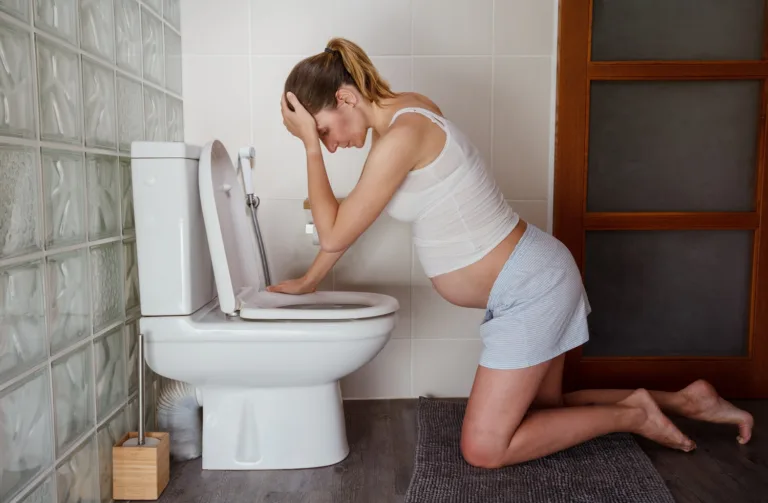
Braxton Hicks Contractions During Pregnancy (False Pain)
Braxton Hicks contractions do not mean that labor has begun. What is Braxton Hicks, colloquially known as false labor or false labor pains, and what are the methods to alleviate these pains, we have compiled for you, miracle mothers.
Contractions are a normal part of labor, but you may experience “false” labor contractions, also known as Braxton Hicks contractions, before the “true” labor begins. While this may sound a little scary, Braxton Hicks contractions are usually harmless. You can think of it as your body’s preparation for childbirth.
This can be a bit confusing in your first pregnancy. You may feel like you’re going to have your baby. However, you will be relieved if your doctor tells you that there are no real labor contractions.
In this article, we consulted experts to answer all your questions, from what Braxton Hicks contractions are to how to alleviate their symptoms, and we wanted to share their answers with you.
What are Braxton Hicks contractions?
Braxton Hicks contractions are irregular contractions seen in the last months of pregnancy. Anything that irritates the muscles in your uterus can cause it to contract.
Braxton Hicks contractions are thought to help strengthen the uterine muscles and prepare the cervix for childbirth. False contractions are quite common. Although false labor contractions can often be quite painful, some women may not even realize they are experiencing these contractions.
False contractions do not cause you to give birth. True labor contractions are associated with cervical changes, which means your body is preparing to deliver the baby. Braxton Hicks contractions are quite annoying and Is it real labor pain? Or is it false pain? It can cause you to fall into its climate.
What causes Braxton Hicks contractions?
There are a few possible causes of Braxton Hicks contractions. The causes of Braxton Hicks contractions are as follows;
- Dehydration: A major cause of Braxton Hicks contractions is dehydration. The area in the brain that tells you to contract your uterus and the area that tells you that you are thirsty are right next to it. So sometimes when you’re thirsty, it can also activate this area of your brain, and this causes contractions.
- Urinary tract infection: Urinary tract infections can cause Braxton Hicks contractions. If you have a urinary tract infection, this condition will disappear after treatment.
- Lots of activities: Sometimes too much activity during the day can trigger Braxton Hicks contractions. Even standing too much or walking around for long periods of time can trigger contractions. If you’ve had an active day and start experiencing contractions, those contractions will go away when you rest.
- Sexual intercourse: Some women experience Braxton Hicks contractions during or after intercourse . When you orgasm, your body releases oxytocin, a hormone that makes your muscles contract. This physical activity can trigger contractions. However, they are usually mild and resolve immediately after intercourse.
When do Braxton Hicks contractions start?
You can experience Braxton Hicks contractions at any point in your pregnancy, but they usually occur during the third trimester.

How are Braxton Hicks contractions described?
If you’re wondering how to tell if the pain you’re experiencing is a real labor pain, we’ve come up with a few tips that you should read carefully. Braxton Hicks contractions often make your uterus feel like a “very taut basketball” as your muscles tense. However, everyone feels these contractions differently; Some women may feel a little uncomfortable, as if they are experiencing mild menstrual cramps, while others may actually feel painful. Braxton Hicks contractions are a sensation that can be positioned between discomfort and pain.
What are the differences between False Labor and Real Labor Pains?
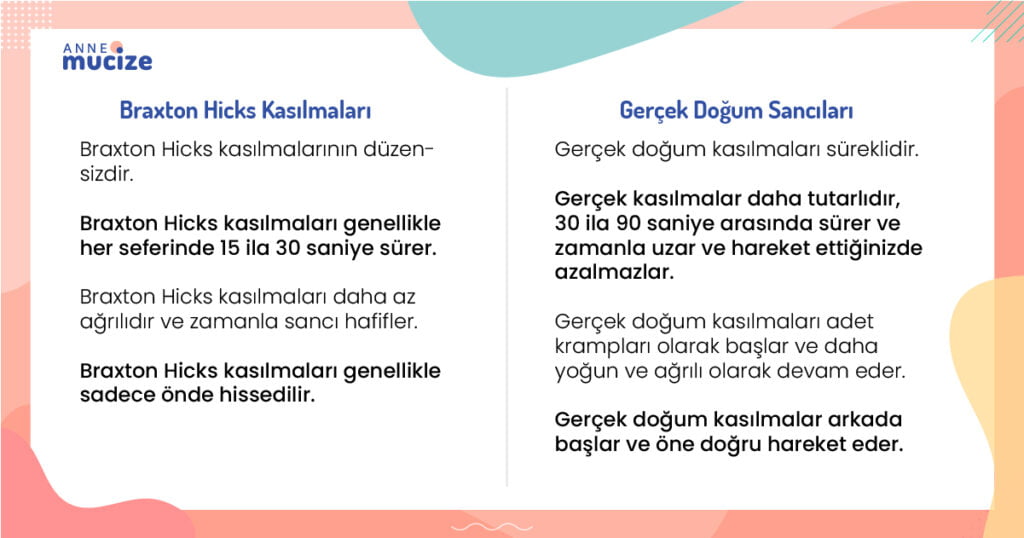
Here are the main differences between Braxton Hicks contractions and true labor contractions.
- Braxton Hicks contractions are irregular while true labor contractions are continuous.
- Braxton Hicks contractions usually last 15 to 30 seconds at a time (sometimes lasting as long as two minutes), and they usually subside when you change your position or the activity you’re doing. But true contractions are more consistent, lasting between 30 and 90 seconds, and they lengthen over time and don’t decrease when you move.
- Pain levels are also a factor. True labor contractions begin as menstrual cramps and continue to be more intense and painful.
- Braxton Hicks contractions are usually felt only in the front, while true labor contractions start in the back and move forward.
- When you have actual labor contractions, you may also experience other symptoms, such as breaking your water or bleeding.

What are Braxton Hicks methods for relieving contractions?
When you experience Braxton Hicks contractions, you can alleviate the severity of the contraction if you do the actions listed below.
Drink fluids: Since dehydration is a factor in Braxton Hicks contractions, drinking some water can help reduce the severity of the contraction.
- Rest: If you experience contractions after exercising or moving a lot, it’s important to put your feet up.
- Take short walks: If your contractions aren’t due to exercise, getting up and moving around can help relieve the situation.
Should I go to the doctor for Braxton Hicks contractions?
If the contractions are accompanied by the following;
- If you have more than eight contractions in an hour or painful contractions that occur every 10 minutes (or less),
- If your water (amniotic fluid) has come out,
- If you have vaginal bleeding,
- If there is a decrease in the baby’s movements,
You should immediately go to the doctor.
Braxton Hicks can be confusing at times, but these contractions are usually not a sign of labor. However, if you’re still unsure whether or not you’re experiencing true labor contractions, it’s worth contacting your doctor.