6th week of pregnancy
Now things are getting serious! If you are not experiencing morning sickness, extreme tiredness or other early pregnancy symptoms, you are lucky.
It’s normal to feel a little emotional in week 6 as it’s still very early in your pregnancy. With hormonal fluctuations and some uncomfortable symptoms, you may find yourself feeling a little uncertain. Fortunately, you have a long 40-week period ahead of you, which is more than enough time for you to get used to this new situation and for your baby to complete its development.
This week, your baby’s heartbeat can be detected by ultrasound; you can see and maybe even hear the tiny beats at your first check-up appointment.
It’s still early days, but your baby is starting to look more and more like a “tiny baby” every day. Her body is rapidly taking shape, her organs and body systems are slowly forming.
Baby Development in the 6th Week of Pregnancy
Many important processes for your baby’s development have already begun. His tiny body is now pumping blood through a more developed circulatory system. The neural tube, which will form the basis of the brain and spinal cord, is slowly closing. And its tiny four-chambered heart is getting ready to beat this week!
The hands and feet are still shaped like little paddles, but they may be starting to wiggle a little. The 6-week embryo is getting cuter and cuter; its nose, eyes, ears, ears, chin and cheeks are slowly taking shape and looking more and more like a ‘baby’.
This curved, C-shaped, chickpea-sized body is growing and developing rapidly. The optic ventricles that will form the eye sockets are already beginning to form, and the basic structures of the inner ear are taking shape. Those tiny arm and leg protrusions will turn into chubby arms and legs that you can’t get enough of kissing!
6 Weeks Baby Size
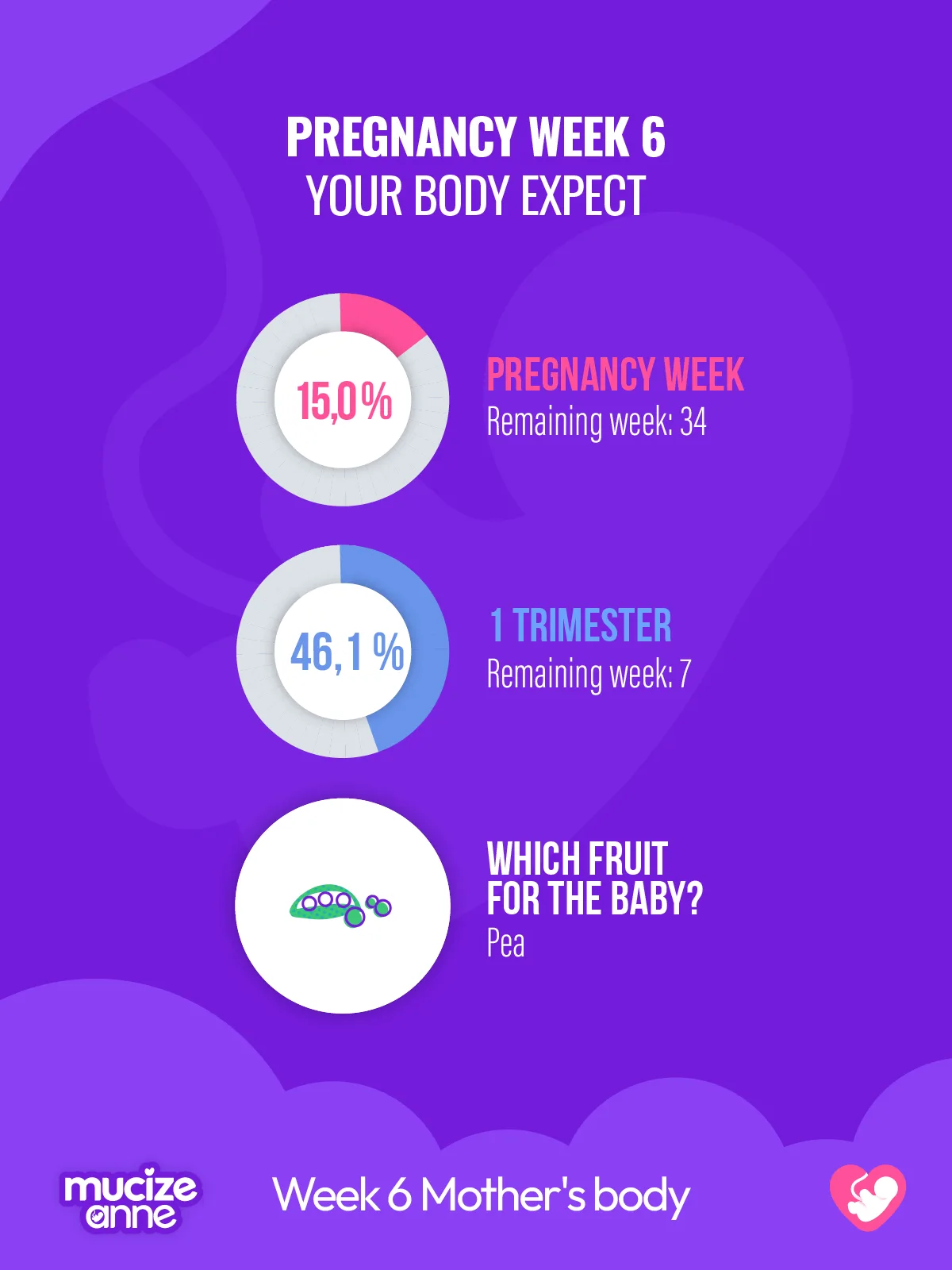
At 6 weeks pregnant, your baby is about the size of a pea. This tiny embryo, which is now about 0.6 cm, will double in size again next week! What a fast and amazing growth, isn’t it?
6th Week of Pregnancy Baby Appearance
The tiny 6-week embryo is starting to look more and more like a baby. It is still very tiny, but it is growing and developing rapidly. The optic ventricles where the eyes will form, the four-chambered heart and the tiny arm and leg protrusions are already starting to appear. The facial features are also starting to take shape; it’s only a matter of time before it gets that cute nose, eyes and chin!
How many months is a 6-week pregnancy?
Doctors usually track pregnancy in weeks, but at week 6 you are actually about a month and two weeks pregnant. Since pregnancy is counted from the first day of your last period, you probably only found out you were pregnant a week ago. In fact, you may have been pregnant in the 2nd or 3rd week of pregnancy and realized it in the 5th week.
6th Week of Pregnancy Ultrasound
At 6 weeks, an ultrasound can show signs of development, such as an embryo sac or a tiny heartbeat. But don’t panic if you don’t see a heartbeat or embryo this week; your pregnancy week may be earlier than you think. Your doctor will probably suggest that you come back for another ultrasound in a few days or a week.
If you are pregnant with twins, it may be possible to see two separate gestational sacs or yolk sacs on the ultrasound this week. You may have many questions before your first doctor’s appointment; remember to write them down so that you can ask them all when you see your doctor.
6th Week of Pregnancy Pregnancy Symptoms
Because you are still in the early stages of pregnancy, you may be experiencing severe nausea this week, like some expectant mothers, or you may feel almost nothing at all. Both situations are quite normal! In week 6, the most common symptoms are as follows:
Fatigue You may feel sluggish and tired because your hormones are changing. Your body is trying to get used to this new situation, so make sure you get plenty of rest if you are tired.
Nausea: Although it is known as morning sickness, nausea can continue throughout the day. Especially those expecting twins may experience nausea more intensely. It is a good idea to find foods that are comfortable for your stomach and keep them handy, because an empty stomach can trigger nausea.
Breast tenderness: Your breasts may feel tender due to increased blood flow. Isn’t it interesting that your body is already preparing for breastfeeding? Even at 6 weeks old!
Frequent urination: As the pregnancy hormone hCG provides extra blood flow to the pelvic area, you may have an increased need to go to the toilet. This is normal, but if you experience pain or a feeling of tightness when urinating and can’t get relief, you should consult your doctor because your risk of urinary tract infection increases from week 6 onwards.
Gas and bloating: The hormone progesterone can cause some discomfort in the digestive system. Drinking plenty of water to prevent constipation and eating fibrous foods can help relieve this bloating.
Emotional Fluctuations: It’s normal to experience mood swings due to hormones. Fatigue and blood sugar fluctuations can also affect your mood, so regular and healthy snacks can help you feel a little more balanced.
Cramping and spotting: It is quite common to experience cramping and light spotting during the 6th week of pregnancy. These symptoms can cause concern, but mild pain and spotting are considered normal. If the pain is more severe than menstrual cramps or the spotting turns into heavy bleeding, it is best to consult your doctor.
How Do You Feel at 6 Weeks Pregnant?
It is quite normal to feel a mixture of excitement and anxiety during the sixth week of pregnancy. Even if there are no obvious changes in your body yet, it is possible to experience emotional ups and downs. It is important to give yourself time by listening to your feelings during this process. Remember, every feeling is temporary in this exciting journey.
6 Weeks of Pregnancy
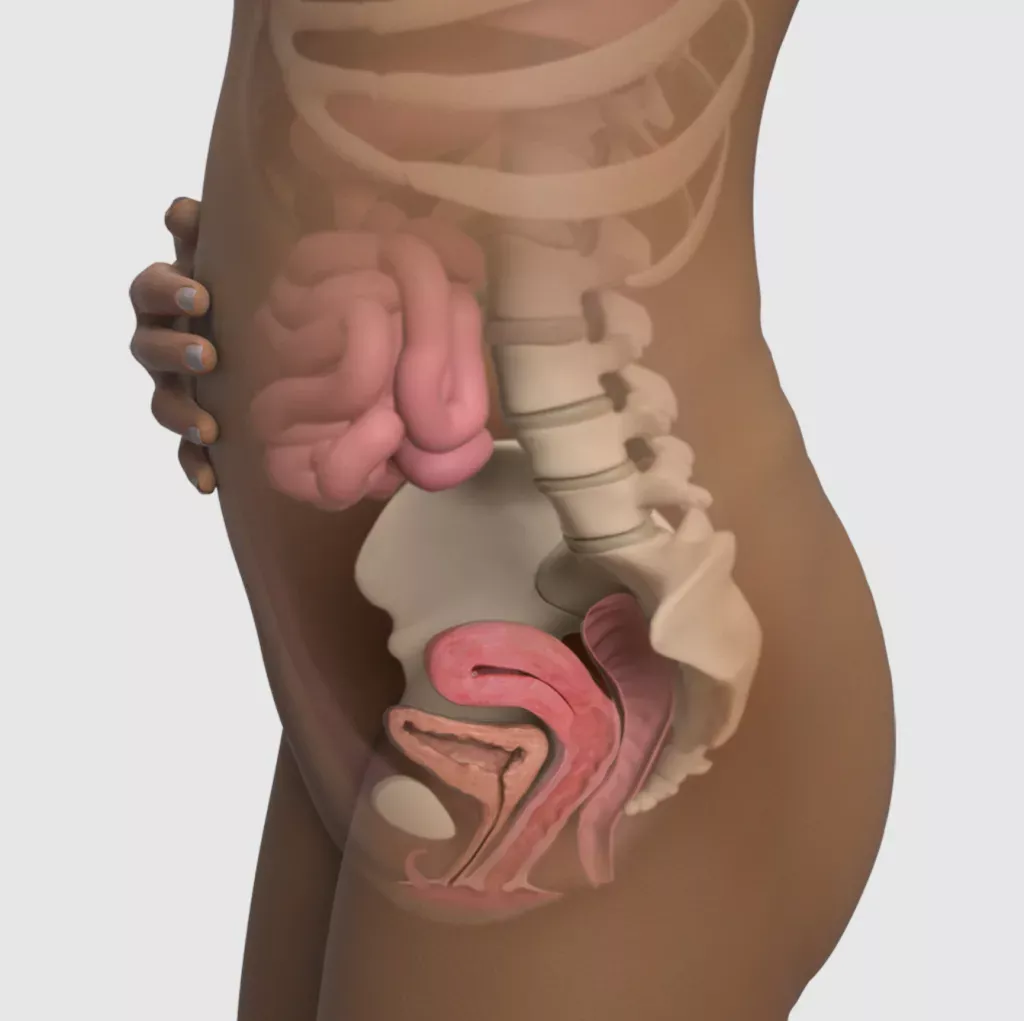
In the sixth week of pregnancy, it’s normal to feel a slight bulge in your belly, although it’s not yet noticeable. A miracle the size of a tiny pea is growing inside you! Your baby is getting bigger and bigger every day. So, if you don’t want to tell everyone that you are pregnant yet, you can keep this little secret to yourself a little longer. However, if you are pregnant with twins, your belly may start growing a little earlier than other expectant mothers.
Tips for 6 Weeks of Pregnancy
Here are some little tips to help you feel a little better. Here are some tips to make your life easier in week 6:
Prepare for your first doctor’s visit
There will be many questions at your first doctor’s appointment, so write down everything that comes to mind. Don’t forget to write down your symptoms, your family medical history and any concerns you have. You can have a more relaxed and productive conversation if you have all the questions ready to ask at the first visit.
Keep Yourself Safe
Remember that your baby’s critical systems are still developing, so it’s time to protect yourself! Limit caffeine consumption, get plenty of rest and avoid exposure to chemicals or high temperatures (e.g. hot baths or saunas). Make taking care of yourself your first priority during this period.
Go to the toilet immediately when you feel cramped
As the risk of urinary tract infections increases during pregnancy, make sure you drink plenty of water and don’t put off going to the toilet. Frequent trips to the toilet are normal, but symptoms such as a constant feeling of tightness, burning or pain can be a sign of a urinary tract infection.
Find the Balance
Trying to do everything right when you are tired and nauseous can be difficult. You don’t need to be perfect; just try to find balance. Take a short walk or a gentle yoga session when you have energy. Eat nutritious food when you feel good about eating, but if nausea is overwhelming, you can use simple snacks (such as rice krispies or popcorn) to give you some energy.
Emotional Changes: Psychological Effects of Pregnancy
The 6th week of pregnancy is also a time for emotional fluctuations. The increase in hormone levels in your body can increase the intensity of the emotions you feel. Here are some of the emotional changes you may experience this week:
- Emotional Sensitivity: You may feel more sensitive and cry easily. This is a normal reaction and you should not feel bad.
- Mood Swings: You may experience sudden transitions from happiness to sadness or irritability. These fluctuations are under the influence of your hormones and will stabilize over time.
- Worry and Anxiety: Worries about your baby’s health and future parenthood are normal. It is important to seek information and support to overcome these worries.
- Fatigue and Changes in Energy Levels: Physical fatigue can also affect your emotional energy. Resting and getting enough sleep can help you cope with this.
There are some things you can do to overcome these emotional changes:
- Support Groups and Family: Turn to family, friends or pregnancy support groups for emotional support.
- Open Communication: Sharing your feelings with your partner or loved ones can help ease the emotional burden.
- Time Allocation: Take time for yourself, engage in meditation, light exercise and relaxing hobbies.
- Professional Help If you find it difficult to cope with your feelings, it may be helpful to seek help from a professional therapist.
The emotional changes you experience during the 6th week of pregnancy are a natural part of pregnancy and it is important to know that you are not alone. Instead of feeling guilty, remember that these changes are temporary and that you will grow stronger with each passing day. Be kind to yourself and be grateful to everyone who accompanies you on this extraordinary journey.
Things to do Checklist for Week 6
In the 6th week of pregnancy, there are steps you need to take to keep yourself and your baby healthy. During this period, we offer a checklist to help you stay organized and not forget important tasks:
- Doctor Appointments: Update your pregnancy calendar and schedule your upcoming doctor appointments.
- Nutrition Plan: Review your healthy diet and consult a dietitian if necessary.
- Supplements: Take folic acid and other important vitamins regularly.
- Exercise Routine: Determine a pregnancy-appropriate exercise routine with the advice of your doctor.
- Adequate Sleep: Review and improve your sleep patterns to get enough sleep.
- Stress Management: Learn and practice stress management techniques; you can do meditation, deep breathing or gentle yoga.
- Financial Planning: Plan your baby’s expenses and organize your budget.
- Education: Read books about pregnancy or attend antenatal classes.
- Support System: Strengthen your support network with family and friends.
- Baby Needs List: Create a list of needs for your baby and gradually start collecting them.
The important thing for this week is to be kind to yourself and be patient as you adapt to the changes. Each week of pregnancy is full of unique and memorable moments. This checklist will help you and your baby stay healthy and enjoy this special time.
Frequently Asked Questions About the 6th Week of Pregnancy
The 6th week of pregnancy can be a time when many questions are running through your mind. Here are some common questions asked by first-time pregnant women and their answers:
When does morning sickness start and how to alleviate it?
Morning sickness usually starts from the 6th week. Eating small, frequent and light meals, drinking ginger tea and avoiding heavy fatty foods can help to relieve nausea.
What kind of exercises should I do during this period?
Low-impact exercises, such as walking and swimming, are generally safe during pregnancy. But talk to your doctor before starting any exercise program.
What are the risks I may face during this period of pregnancy?
Every pregnancy is unique, but in general some risks, such as miscarriage and ectopic pregnancy, can be identified during this period. Talk to your doctor about the risks and how to monitor them.
Which foods should I avoid consuming?
During pregnancy, it is important to avoid raw or undercooked meats, some seafood, unpasteurized dairy products and fish with high mercury content.
How often should I go to the doctor?
Usually, your doctor will want to see you every 4 weeks during this early stage of pregnancy, but this frequency may vary depending on your individual needs.
I have little or no pregnancy symptoms, is this normal?
Yes, every woman experiences pregnancy differently. Some women experience very pronounced symptoms, while others experience very mild symptoms. Both situations can be normal.
You can start a new topic in the forum to ask questions to other expectant mothers and benefit from their experiences.