
7 ways to prevent birth defects
What are the 7 ways to prevent birth defects? Is it possible to prevent birth defects? In this article, we will try to explain the ways to prevent birth defects.
Birth defects or congenital disorders are structural or functional abnormalities, including metabolic disorders, that are present from birth. Some of the most common birth defects include: neural tube defects (NTDs), congenital heart defects, Down syndrome.
There are several factors that lead to birth defects; While 10-25 percent of the cause is environmental and 20 percent is genetic factors, the cause of 70 percent is unknown. Keep reading the article to learn more about ways to prevent birth defects before and during pregnancy.
7 ways to prevent birth defects
Here are 7 ways I can protect myself from birth defects:
Take Your Folic Acid Supplement

If you’re wondering which vitamin prevents birth defects, Folic acid is the answer. Folic acid deficiency, an essential B vitamin, causes neural tube defects (NTDs). The two most common NTDs are spina bifida and anencephaly, which are related to a malformed brain and spinal cord. It is estimated that about 70 percent of NTDs can be prevented if women who are pregnant or planning to become pregnant have enough folate in their bodies. The recommended daily dose of folic acid is 400 micrograms (mcg) per day for about 3 months before pregnancy. Women need 800 mcg of folic acid when they become pregnant.
Quit Alcohol

Alcohol is a well-known teratogen responsible for a number of congenital defects in infants. Because the alcohol in your bloodstream crosses the umbilical cord, there is no known safe amount to consume during pregnancy. Since it is also not known if it is a safe period to consume during pregnancy, it is best to avoid any form of alcohol, such as beer or wine occasionally. Excessive alcohol consumption causes Fetal Alcohol Spectrum Disorders, which is one of the leading causes of preventable intellectual disability in children. You should also be careful with non-alcoholic beer and wine, as most of them contain trace amounts of alcohol.
Stay Away from Tobacco and Illegal Drugs
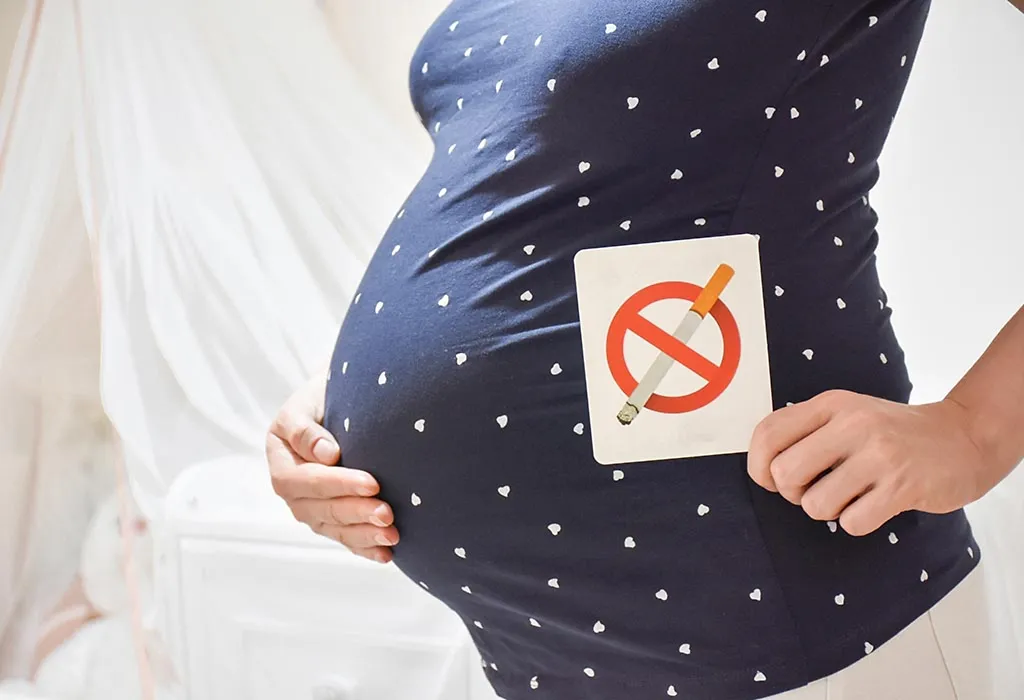
Smoking during pregnancy brings with it the dangers of premature birth, infant death, and birth defects such as cleft lip or cleft palate. Secondhand smoke also increases the risk for mother and child; Therefore, avoid being around smokers. Quitting smoking before you get pregnant is ideal, and if you’re already pregnant, the sooner you quit, the better. Illegal drugs, such as marijuana and others, also increase the risk of birth defects, premature birth, and low birth weight; Therefore, it is best to opt for treatment for any addiction before deciding to get pregnant.
Adequate Iodine Intake

Although iodine deficiency is rare in women, your body’s need for iodine increases during pregnancy. Iodine deficiency can lead to cretinism, a birth defect that causes impaired neurocognitive development, an increased risk of fetal death, and retarded mental and physical growth. The recommended intake of iodine before pregnancy, during pregnancy and lactation is 150 mcg every day in the form of potassium iodide.
Avoid Chemicals

There are a number of chemical and environmental toxins that can cross the placenta and enter your baby’s system. Some of the most common toxins come from dyes, thinners, gasoline, lead-based paints, household cleaners, and even solvents in some personal care products such as fragrances, nail polish, and hair dye. Reduce the use of such products before and during pregnancy to minimize the risk of exposure. Switch to natural personal care products and household cleaning products that use safer, natural ingredients.
Talk to Your Doctor About Medications

Talk to your doctor about any medications you may be taking before you get pregnant. Some medications, such as antibiotics, blood thinners, thyroid and cancer medications, acne medications lithium, antidepressants, can cause serious birth defects if you continue to take them during pregnancy. And then there are drugs whose effects on the fetus are unknown. So, if you’re planning a pregnancy, talk to your doctor about safety and the option to switch to safer ones. You will also need to talk to your doctor about vaccines, such as the flu vaccine and the Tdap vaccine, which are recommended during pregnancy. Some vaccines protect you from infections that might otherwise cause congenital disabilities in your baby.
Plan Ahead and Maintain a Healthy Lifestyle
When you decide to get pregnant, it’s important to make long-term plans and start living a healthy lifestyle in terms of nutrition, exercise, and quitting bad habits. Make sure you eat nutritious foods so that your body stores plenty of all the necessary nutrients before you get pregnant. Try to achieve a healthy body weight; A body mass index of 30 or higher puts you at risk for pregnancy complications. Therefore, before you get pregnant, work with your doctor to set a realistic goal for weight loss. Diabetes control is a critical factor that is often overlooked. It can cause complications not only for you, but also for your baby.
Which brings us to the last question; Can birth defects be prevented? The answer is Yes and No. When you choose to avoid the known risk factors for birth defects, you reduce the likelihood of birth defects, but you don’t eliminate them completely.