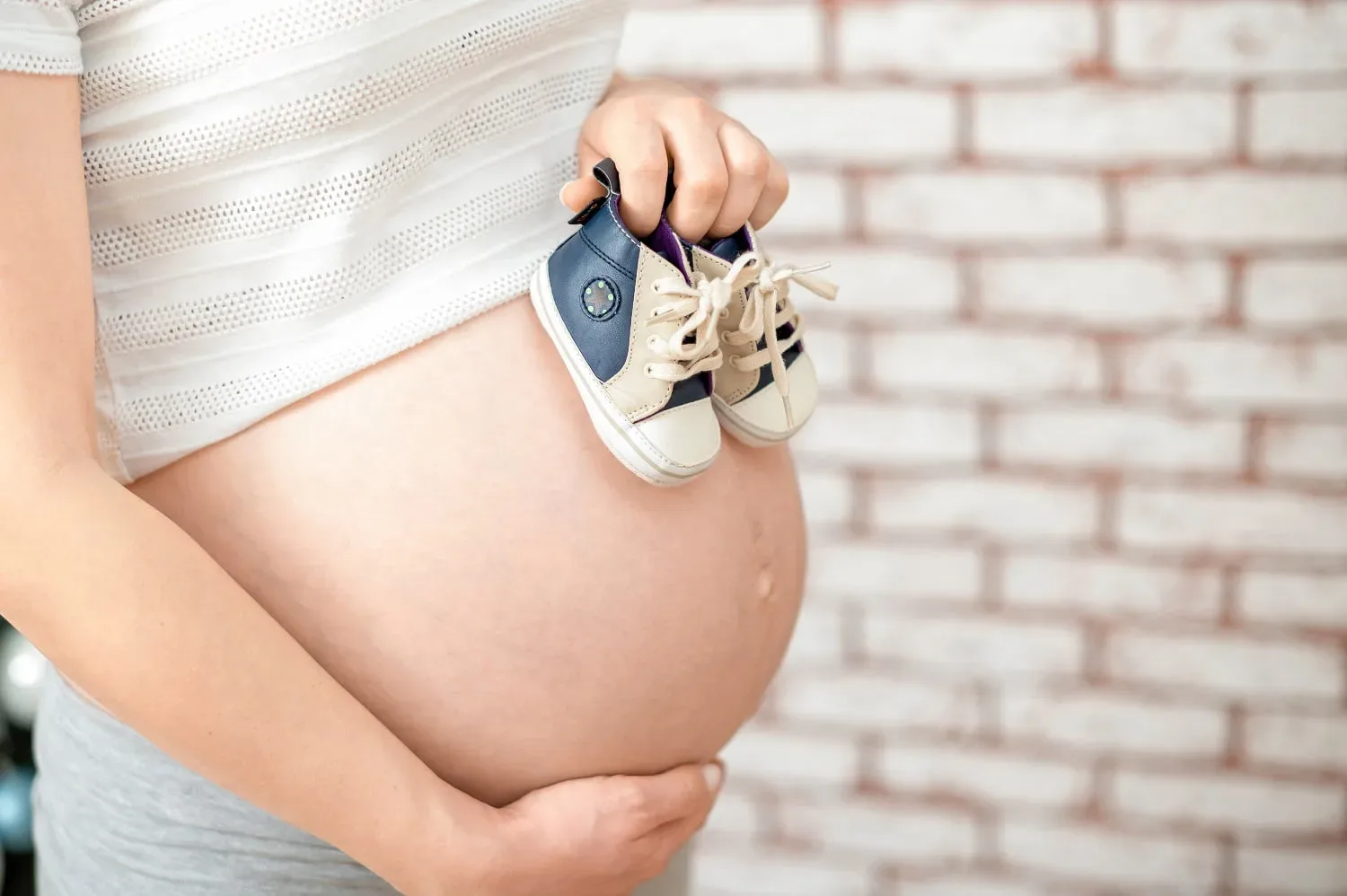
Belly Growth During Pregnancy: The Inevitable and Magnificent Process of Pregnancy
For many women, pregnancy is one of the most special and exciting periods of their lives. However, this process, although full of happiness and anticipation, on the one hand, brings with it many physical and emotional changes, on the other hand. Perhaps the most noticeable of these changes in the pregnancy process is belly growth. Although belly growth is a natural part of the pregnancy process, this change can bring many question marks for mothers, both physically and emotionally.
Belly Growth During Pregnancy: Why Is It Important?
Belly growth is not only an aesthetic change, but also a physical indicator that a new life is developing. This growth in the umbilical area is essential for the fetus to grow and develop in a healthy way. In addition, changes and possible complications that occur during belly growth can be important markers for the health of the mother and baby.
This article is a comprehensive guide in which all aspects of the topic of belly growth during pregnancy are examined. From physical and emotional changes to nutrition and exercise, from doctor’s advice to frequently asked questions, many topics will be covered. The aim of the article is to provide women who experience belly growth during pregnancy with the necessary information to go through this period in a conscious and healthy way.
Belly Growth Onset and Timeline During Pregnancy
During pregnancy, belly growth usually begins to be noticed towards the end of the first trimester. However, every woman experiences growth at a different pace and rate. Belly growth usually shows different characteristics between the first, second and third trimesters of pregnancy.
First trimester: visible changes

The first trimester is usually the period when belly growth is minimal. Most women gain only a few pounds during this period and experience minimal growth in the belly area. However, the uterus begins to grow, and due to hormonal changes, there may be a slight bulge.
Second Trimester: Period of Rapid Growth

The second trimester is the period when belly growth is the fastest. During this period, the fetus begins to grow rapidly, which causes stretching of the skin in the umbilical area. At the same time, the increase in amniotic fluid and the enlargement of the placenta also contribute to the growth of the navel. During this period, it is often necessary for mothers to review their clothing choices and turn to more comfortable clothes.
Third Trimester: Final Stage and What to Expect
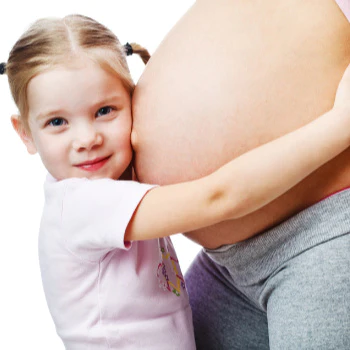
The third trimester is the final stage of belly growth. During this period, the fetus is almost ready for childbirth, and the umbilical region therefore reaches its maximum size. In addition to physical ailments, there may also be limitation of movement due to the size of the belly. During this period, it is important to go to the doctor’s control frequently and have the necessary screenings.
However, it should not be forgotten that each woman’s experience is different and therefore belly growth may vary from person to person. Your doctor’s recommendations and regular check-up visits are critical to the health of you and your baby.
Causes of Belly Growth
Belly growth during pregnancy is usually caused by a combination of several different factors. Many of these changes are natural adjustments that the mother’s body makes to support a new life. Detailed below are the main causes of belly growth.
Growth of the fetus
The most obvious cause of belly growth during pregnancy is, of course, the growth of the fetus. Towards the end of the first trimester, the uterus begins to grow gradually, which is noticeable as a bulge in the navel area. In the second and third trimesters, as the fetus grows rapidly, the belly expands in parallel.
Amniotic Fluid and Placenta
The fetus develops in a fluid called amniotic fluid. The amount of this fluid increases with the progression of pregnancy and contributes to the enlargement of the belly area. Likewise, the placenta also enlarges, causing the belly to enlarge.
Hormonal Changes
During pregnancy, many hormonal changes occur in the body. These hormones lead to relaxation of tissues and muscles, which leads to the growth of the belly area. In particular, the muscles and connective tissues around the uterus can expand under the influence of hormones.
Physiological Factors
Increased blood volume and metabolic rate during pregnancy can also cause belly growth. Although these factors are usually not as obvious as other causes, they do contribute to belly growth.
Genetics and Lifestyle
Some women may genetically experience faster or slower belly growth. Lifestyle factors, such as diet and exercise, can slightly affect belly growth.
Physical Changes and Effects
Belly growth during pregnancy represents much more than just a visual change. These changes also have various effects on the physical health of the mother. Below, you’ll find a few basics about the physical effects of belly growth and how you can deal with them.
Posture Changes
The growth of the belly area can cause a change in the center of body weight. This can affect the mother’s posture and lead to lower back or back pain. In order to maintain posture and minimize pain, exercises and choosing appropriate shoes may be important.
Changes in the Skin
The skin in the navel area is quickly stretched during pregnancy. This can cause the formation of “striae”, or cracks as they are popularly known. Moisturizing creams can be used to prevent or at least alleviate stretch marks.
Limitation of Movement
In the third trimester, the belly area is greatly enlarged, which can restrict mobility. Simple daily activities, such as tying shoes or picking something up from the floor, can become difficult. In this case, it is important to be vigilant and seek help when needed.
Respiration and Digestion
Belly growth during pregnancy can lead to the diaphragm being pushed upwards, which can lead to reduced respiratory capacity. In addition, the pressure on the digestive system can lead to problems such as constipation. It will be useful to get your doctor’s recommendations for these situations.
Feeling of Fatigue and Heaviness
The growth of the uterus and belly area forces the body to expend more energy, which can lead to fatigue. Adequate rest and sleep are essential to alleviate fatigue.
Pelvic Pressure
As the belly grows, an extra load is placed on the pelvis area. This can be especially noticeable when walking or standing for long periods of time. Pelvic support belts can be used to relieve this pressure.
Physical effects are inevitable along with belly growth, but most of these effects are temporary and can be managed with the right guidelines. The important thing is to accept these changes and get through this process in the healthiest way possible. Remembering to consult your doctor in case of any abnormalities or suspicions is critical for the health of you and your baby.

Considerations
Although belly growth during pregnancy is a normal process, there are important factors to consider during this period. Although every pregnancy is different, it can be helpful to focus on some basic issues in general.
Doctor Follow-up
Belly growth during pregnancy can worry the mother, especially during the first pregnancy. Sudden or unexpected belly growth or pain may require a doctor. Routine checkups and ultrasound scans are critical to the health of the mother and baby.
Nutrition
A balanced diet is essential for a healthy belly and fetal growth. Excessive weight gain can increase risks such as gestational diabetes or high blood pressure. A careful diet and your doctor’s recommendations can help minimize these risks.
Exercise and Physical Activity
Proper exercise during pregnancy can relieve belly and lower back pain. However, it is important to consult with your doctor before starting any type of physical activity.
Choice of Outfit
As the belly grows, it becomes important to wear comfortable and flexible clothes. Tight clothing can put pressure on the belly area and cause a feeling of discomfort.
Listening to Yourself
Paying attention to the changes in your body allows you to go through the pregnancy process more comfortably. In case of fatigue, a feeling of heaviness, or any pain, it is important to rest and seek medical attention when necessary.
Psychological Preparation
Belly growth during pregnancy may also require a psychological preparation process, especially for first-time mothers. Emotional fluctuations are normal during this process, but it can be helpful to seek professional help for a constant state of anxiety or stress.
Pregnancy brings with it many physical and emotional changes, and belly growth is just one part of these changes. However, careful planning and following your doctor’s instructions will allow you to go through this process in a much healthier and more comfortable way.
Health Checks and Doctor’s Recommendations
Belly growth during pregnancy requires many health check-ups and doctor visits for a normal and healthy development. Here are some important checks and recommendations to consider in this process.
First Trimester Controls
During this period, it is recommended that you make your first prenatal visit and perform some basic screenings. Although belly growth is not yet very evident during this period, important information can be obtained about how this process works.
Second Trimester Controls
During this period, a detailed ultrasound scan and control of the anatomical development of the fetus are performed. Belly growth also becomes more pronounced during this period, and your doctor will evaluate whether this growth is normal.
Third Trimester Controls
This is the period when belly growth is most pronounced. During this trimester, frequent doctor visits and screenings may be required. In particular, measurement of belly circumference is critical to closely monitor the growth of the fetus.
Weight Tracking
Weight gained during pregnancy is closely related to belly growth. Because every pregnancy is different, it’s important to consider your doctor’s recommendations for weight gain.
Tests and Screenings
Many different screenings and tests can be done during pregnancy; these include blood tests, glucose loading testing, and screening such as group B streptococcal (GBS) testing. These tests can be important for monitoring the health of the mother and baby.
Activity and Recreation
Your doctor will determine what types of activities are appropriate and how much rest you should get, based on belly growth and the health of the fetus. Especially in the last trimester, it may be important to avoid exerting too much effort.
Nutrition & Supplements
A balanced and healthy diet is critical for the healthy growth of the belly and fetus. Your doctor can help with your eating plan, especially by recommending supplements such as iron, folic acid, and calcium.
Belly growth during pregnancy is one of the most obvious and inevitable effects of pregnancy, but careful follow-up and planning is required to overcome this process in a healthy and comfortable way. Routine doctor visits, regular screenings, and your doctor’s recommendations are essential for the health of both mother and baby.
Emotional and Psychological Effects
Belly growth during pregnancy is not only a physical change, but also a complex process with emotional and psychological effects. Pregnancy causes significant changes in hormone levels, which can affect mood. Here are a few thoughts on the emotional and psychological aspects of belly growth.
Body Image and Self-Esteem
Enlargement of the belly area can cause mixed feelings about body image in many women. Some mothers may see the growth of their belly as a sign of being a ‘real mom’, while for others it can lead to self-esteem issues.
Anxiety and Worry
Belly growth during pregnancy can cause anxiety, especially for women who are going to be mothers for the first time. Concerns such as ‘Is everything okay?’, ‘Is my baby healthy?’ can be experienced frequently. But these feelings are usually normal, and open communication with your doctor can ease your concerns.
Spouse and Partner Relationship
Belly growth can also lead to a number of emotional changes in the relationship with the spouse or partner. For many couples, belly growth reinforces the reality of impending parenthood and can further strengthen the relationship. However, in some cases, these changes can also lead to stress and conflict.
Emotional Fluctuations
Hormones, belly growth, and other physical changes can trigger emotional fluctuations. These fluctuations can range from mild mood changes to severe symptoms of depression. If you are experiencing persistent or severe emotional problems, it may be helpful to see a health professional.
Preparing Yourself and Planning for the Future
Belly growth is also an opportunity for the mother to prepare herself for a new period of life. Many mothers use belly growth as a physical indicator to begin a process of thorough reflection and planning for parenthood.
Emotional and psychological effects are an inevitable part of belly growth. However, being aware of these emotional changes and seeking professional help when necessary can make pregnancy a healthier and happier process. Your doctor and other health professionals are here to support your emotional and psychological health, so don’t hesitate to contact them with any concerns or issues.
Frequently Asked Questions
Belly growth and the pregnancy process bring many questions and concerns for mothers. Here are some frequently asked questions and answers on this topic.
When does the belly start to grow during pregnancy?
In most women, belly growth becomes more pronounced during the second trimester of pregnancy. However, every pregnancy is different, and this process can vary from person to person.
What does belly growth mean during pregnancy?
An enlarged belly usually means that the fetus is growing normally. However, belly growth that is too fast or too slow can be a sign of potential health problems.
Does Belly Size Indicate Baby’s Size?
Belly size is only an indicator and does not give precise information about the size of the baby. A detailed ultrasound or other scans can provide clearer information about the size of the baby.
Is Belly Growth Painful During Pregnancy?
Some women may experience tightness and discomfort in the belly area, but this is usually temporary and should not be a serious pain. If you have severe pain, it is important to contact your doctor.
How Much Weight Should I Gain?
There is a relationship between belly growth and weight gain, but the ideal weight gain varies depending on your starting weight, overall health, and the specific circumstances of pregnancy.
How Can I Manage Emotional Influences?
If you are experiencing emotional fluctuations due to an enlarged belly, it may help to talk to a health professional. In addition, support groups and family support are also important for maintaining your emotional health.
Frequently asked questions can be a guide for most expectant mothers. However, every pregnancy is special, and the best resource for any symptoms or questions you may be experiencing will be a healthcare professional. If you have any questions or concerns, do not hesitate to consult your doctor.
Belly growth during pregnancy brings with it many changes, both physical and emotional. Careful follow-up and planning is required in order to overcome this process in a healthy and comfortable way. Belly growth is also an opportunity for the mother to prepare herself for a new period of life. Physical changes, weight gain, emotional influences, and health checkups are all important factors to consider in this process. Routine doctor visits, regular screenings, and your doctor’s recommendations are essential for the health of both mother and baby. If you have any questions or concerns, do not hesitate to consult your doctor.
Resources
- “What To Expect When You’re Expecting,” Heidi Murkoff and Sharon Mazel
- “Mayo Clinic Guide to a Healthy Pregnancy,” Mayo Clinic
- “Pregnancy, Childbirth, and the Newborn: The Complete Guide,” by Penny Simkin, Janet Whalley, and Ann Keppler
- “The Pregnancy Countdown Book,” Susan Magee and Kara Naqisbendi M.D.
- “Birthing from Within,” Pam England and Rob Horowitz
These resources can offer in-depth information and practical advice on the pregnancy process and belly growth. However, the most important thing to remember is that every pregnancy is unique, so your doctor’s recommendations will be the best guide for you.