Morning Sickness During Pregnancy: Causes, Remedies & Tips 🤰
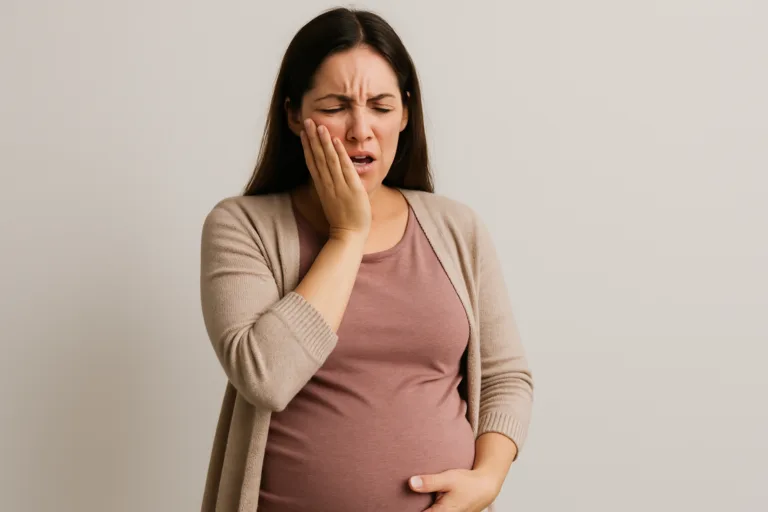
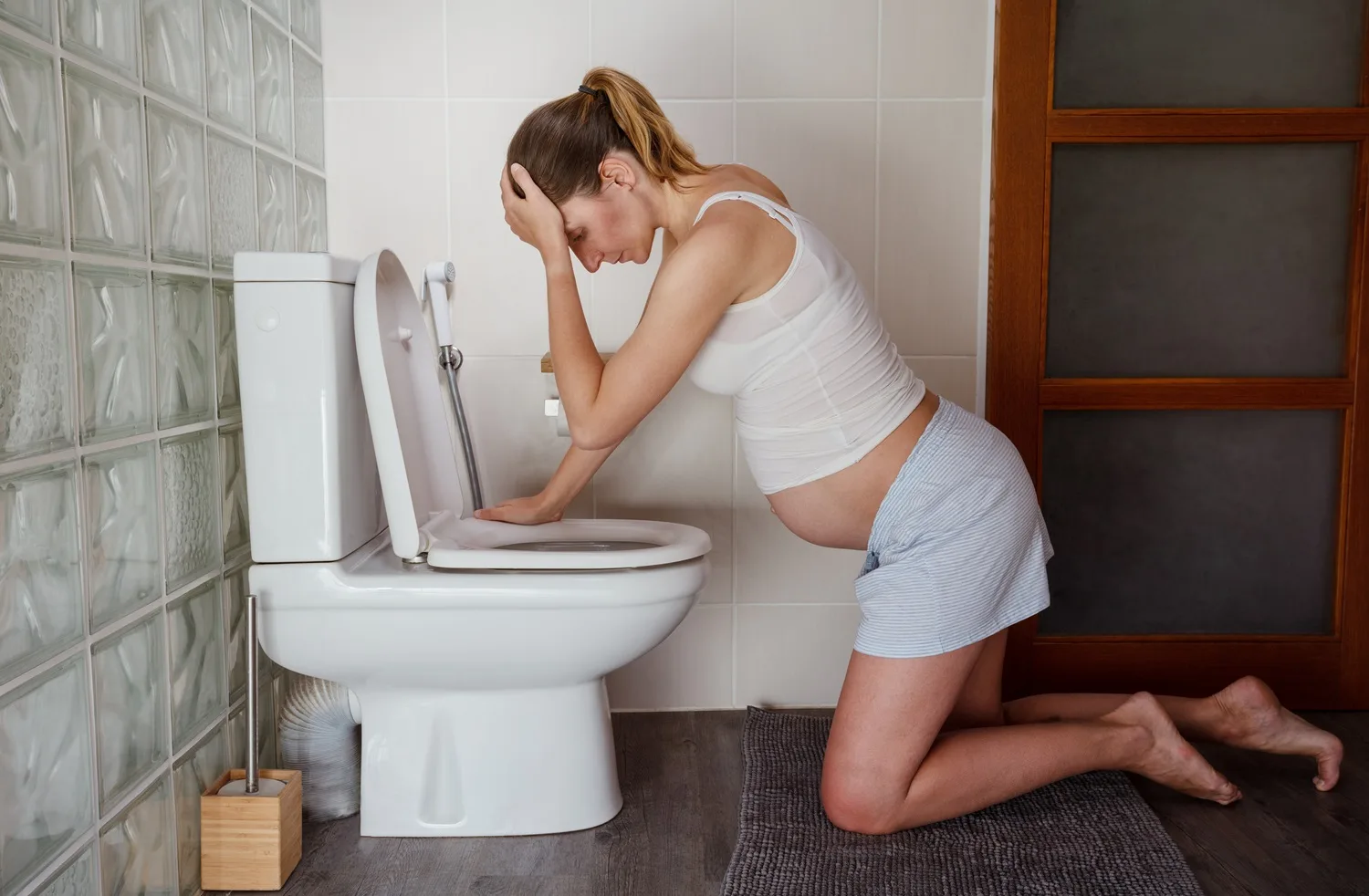
Morning sickness is one of the most common pregnancy symptoms, affecting a large majority of expectant mothers. While it can be frustrating, the good news is that there are ways to ease nausea and make this phase more manageable. In this article, we’ll explore the causes of morning sickness, when it typically occurs, and practical tips to help you feel better.
Why Does Morning Sickness Happen? 🤔
Although the exact cause of morning sickness is unknown, experts believe that it is mainly triggered by hormonal changes during pregnancy. One key suspect is Beta-hCG (human chorionic gonadotropin), also known as the “pregnancy hormone.” This hormone increases rapidly in the early weeks of pregnancy, peaking around the 10th week.
Another theory suggests that nausea may act as a natural defense mechanism, preventing pregnant women from consuming potentially harmful foods during the critical early stages of fetal development. Additionally, increased sensitivity to smells during pregnancy can contribute to nausea.

When Does Morning Sickness Start? ⏳
For many women, nausea is one of the earliest pregnancy symptoms. It can begin as early as the 4th or 5th week, often becoming more intense by the 9th or 10th week. The timing and severity vary from woman to woman, but it is most common during the first trimester.
How Long Does Morning Sickness Last? ⏰
Morning sickness usually subsides by the second trimester, around week 12-14. However, for some women (about 15%), it can persist throughout the pregnancy. If nausea is severe and accompanied by excessive vomiting and weight loss, it may be a condition called hyperemesis gravidarum, which requires medical attention.
Does Morning Sickness Harm the Baby? 👶
No! While nausea and vomiting can be uncomfortable, they do not harm the baby. Many women struggle to eat properly during the first trimester, but mild weight loss is usually not a cause for concern. The baby starts gaining weight later in pregnancy, and by then, your appetite will likely return.
How to Relieve Morning Sickness? 🌿
If you’re looking for natural ways to ease nausea, try these tips:
✅ Ginger: Research shows that ginger can help reduce nausea. Ginger tea, ginger candies, or ginger ale can be effective.
✅ Cold & Fizzy Drinks: Carbonated drinks like ginger ale, lemon water, or sparkling water can be soothing.
✅ Smoothies & Shakes: Nutrient-packed cold drinks can help you stay hydrated and nourished.
✅ Mild, Low-Odor Foods: Avoid strong-smelling or greasy foods; opt for bland, easy-to-digest meals.
✅ Fruits with High Water Content: Watermelon, oranges, and cucumbers can help keep you hydrated.
Lifestyle Tips to Reduce Nausea 🏡
Small lifestyle changes can also make a big difference:
🍪 Snack Before Getting Out of Bed: Eat a few crackers or dry toast before standing up in the morning.
🥗 Eat Small, Frequent Meals: Keeping your stomach from being too empty or too full can prevent nausea.
🚫 Avoid Trigger Foods: If certain smells or foods make you nauseous, steer clear of them.
🛌 Stay Upright After Meals: Lying down right after eating can worsen nausea and acid reflux.
💊 Check Your Prenatal Vitamins: Some vitamins can worsen nausea. Ask your doctor about switching to folic acid-only supplements if needed.
🧴 Try Acupressure Wristbands: These wristbands, commonly used for motion sickness, may also help with pregnancy nausea.
FAQs About Morning Sickness ❓
Can morning sickness indicate the baby’s gender?
There is a common belief that severe nausea means you’re having a girl, but this is not scientifically proven. Morning sickness varies for each pregnancy.
Can I prevent morning sickness completely?
Yes! Despite its name, morning sickness can occur at any time of the day.
What if I don’t experience nausea at all?
Not all women experience nausea during pregnancy, and that’s perfectly normal! Every pregnancy is unique.
Sources: