BPD Value in Pregnancy: 7 Important Facts
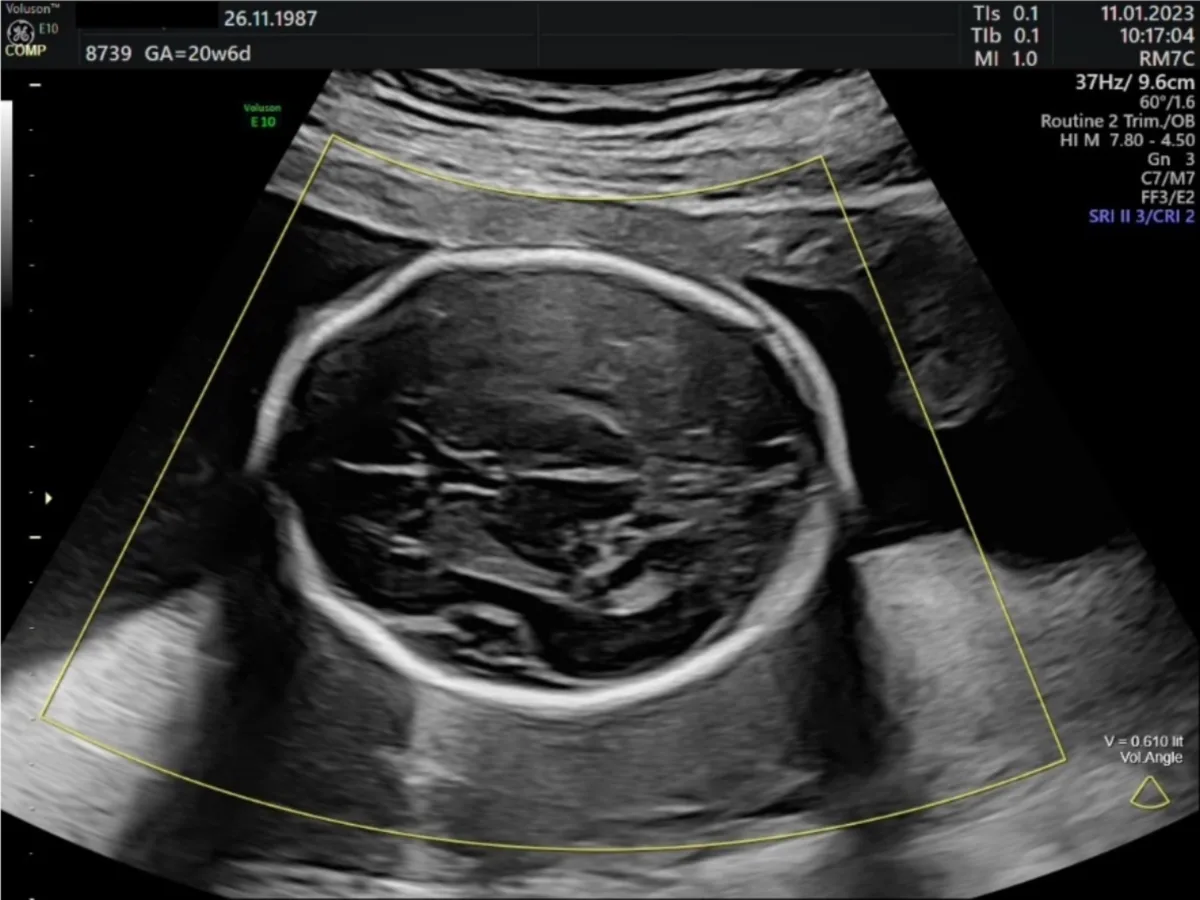
BPD (Biparietal Diameter) in pregnancy refers to the widest diameter of the baby’s skull, acting as an important indicator in pregnancy. So, why is BPD so important during pregnancy and what does it mean? Here are 7 important information for you!
What is the BPD Value During Pregnancy?
BPD in pregnancy is the measurement in millimeters of the distance between the parietal bones on the right and left sides of the baby’s head. Biparietal diameter, which is one of the first values that come to mind when it comes to baby head measurement during pregnancy, is considered one of the main indicators in fetal development follow-up.
Why Is It Important?
- Evaluation of Fetal Development: The BPD value indicates whether the baby is growing in accordance with the gestational week.
- Birth Prediction: It helps in determining the baby’s head diameter, estimated birth weight and date of birth.
- Early Detection of Health Risks: Values outside the normal BPD range help doctors monitor pregnancy more closely and diagnose potential problems early.
When and How to Measure BPD During Pregnancy?
Ultrasound measurement usually becomes more noticeable from the second trimester (weeks 14-28). The doctor or ultrasound specialist will view the baby’s head from the most accurate angle, recording the biparietal diameter (BPD) in millimeters. For this measurement, it is important that the baby is in the appropriate position; otherwise, the values may deviate.
Measurement Frequency
Depending on the course of your pregnancy, your doctor may request BPD measurement at certain periods. In case of risk factors or problems in previous pregnancies, you may be advised to have an ultrasound every 2-4 weeks . Thus, BPD values are regularly monitored according to gestational weeks .
BPD Values by Pregnancy Weeks
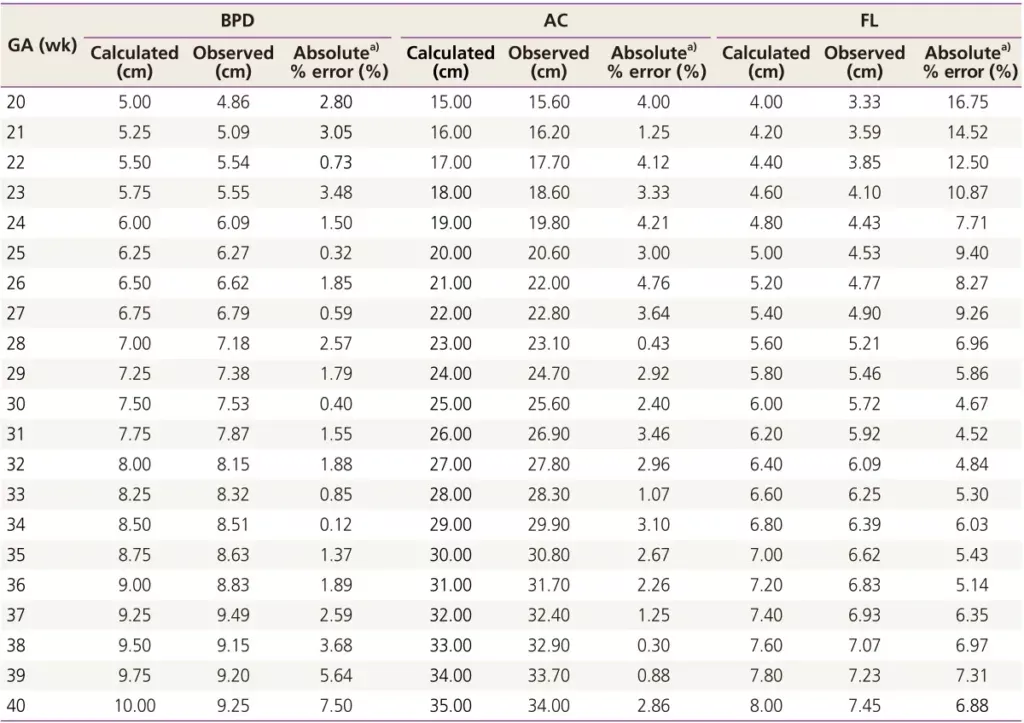
BPD values show a regular increase according to the gestational week. For example:
- Week 20: Approx. 46–50 mm
- Week 24: Approx. 58–62 mm
- Week 28: Approx. 70–74 mm
These values are average, and differences of 2-3 mm are generally considered normal. Your doctor will monitor the baby’s growth rate by evaluating the measurements with weekly follow-up.
Variability in Values
Because every mother and baby have different genetic characteristics, the normal range of BPD may not always fit the same mold. Some babies’ head measurement may naturally be smaller or larger. If your doctor deems this condition risky, he or she may order additional tests or more frequent ultrasound checks.
Causes of Low or High BPD Results
Possible Causes of Low BPD Value
- Genetic Factors: Hereditary traits from the family can lead to a smaller head diameter of the baby.
- Nutritional Deficiencies: Malnutrition of the expectant mother or problems with the placenta can reduce the growth rate of the baby.
- Incorrect Measurement: The baby being in the wrong position during the ultrasound or expert errors have the potential to understate the value.
Possible Causes of High BPD Value
- Genetic Predisposition: In some families, the head diameter of babies may be larger than average.
- Gestational Diabetes: The mother’s high blood sugar can increase the growth rate of the baby.
- Fetal Abnormalities: In very rare cases, developmental abnormalities in some infants can cause a high BPD value.
Instead of panicking when a significant difference is observed in BPD values, you can contact your doctor and have the necessary additional tests or follow-ups performed.
Things to Consider in BPD Follow-up
- Routine Checkups: Go for ultrasound exams as often as recommended by your doctor and follow up regularly for other measurements, including BPD.
- Nutrition and Supplements: A balanced diet and taking supplements (vitamins, minerals, etc.) recommended by your doctor during pregnancy support the growth of the baby.
- Expert Opinion: If there are abnormal results or a risky condition is suspected, do not hesitate to consult a doctor who specializes in related fields, such as a perinatology specialist.
- Stress Management: Stress can negatively affect overall pregnancy health. With a doctor’s approval, try to stay calm with methods such as light exercise or meditation.
Incorrect Measurement and Possible Errors
Ultrasound-Induced Errors
Depending on the baby’s posture, the quality of the ultrasound device, or the experience level of the specialist, the BPD value may be incorrect. For this reason, it will give healthier results to evaluate the follow-up of BPD values according to pregnancy weeks as a whole, not one-time measurements.
Short-Term Differences
Factors such as the active movement of the baby, the amount of amniotic fluid or the structure of the mother’s uterus can also lead to measurement differences in the short term. Slight deviations are usually not a sign of serious trouble.
Frequently Asked Questions (FAQs)
When Is BPD Value Most Important?
BPD measurements, especially in the second and third trimesters, are critical in understanding the rate of fetal development of the baby. Ideally, it should be followed up and recorded regularly from the 20th week onwards.
What Should I Do When BPD Is Low or High?
A low or high BPD value alone does not always mean that there is a serious problem. If your doctor deems it necessary, he or she can clarify the situation with different tests (eg detailed ultrasound, blood tests).
Can BPD Value Be Affected by the Expectant Mother?
The size of the baby’s head is not a measurement that you can directly intervene in. However, a balanced diet, adequate rest and regular doctor check-ups generally ensure a healthy pregnancy process and contribute to the development of the baby.
Remember: Every expectant mother and every baby is different. If you are concerned about your ultrasound measurement results during pregnancy or if the values are outside the “normal BPD range”, you can get the most accurate information from your doctor. You can also share your own experiences or questions on the subject in the comments and exchange ideas with other expectant mothers.
Wishing you a healthy and happy pregnancy period!
Resources: