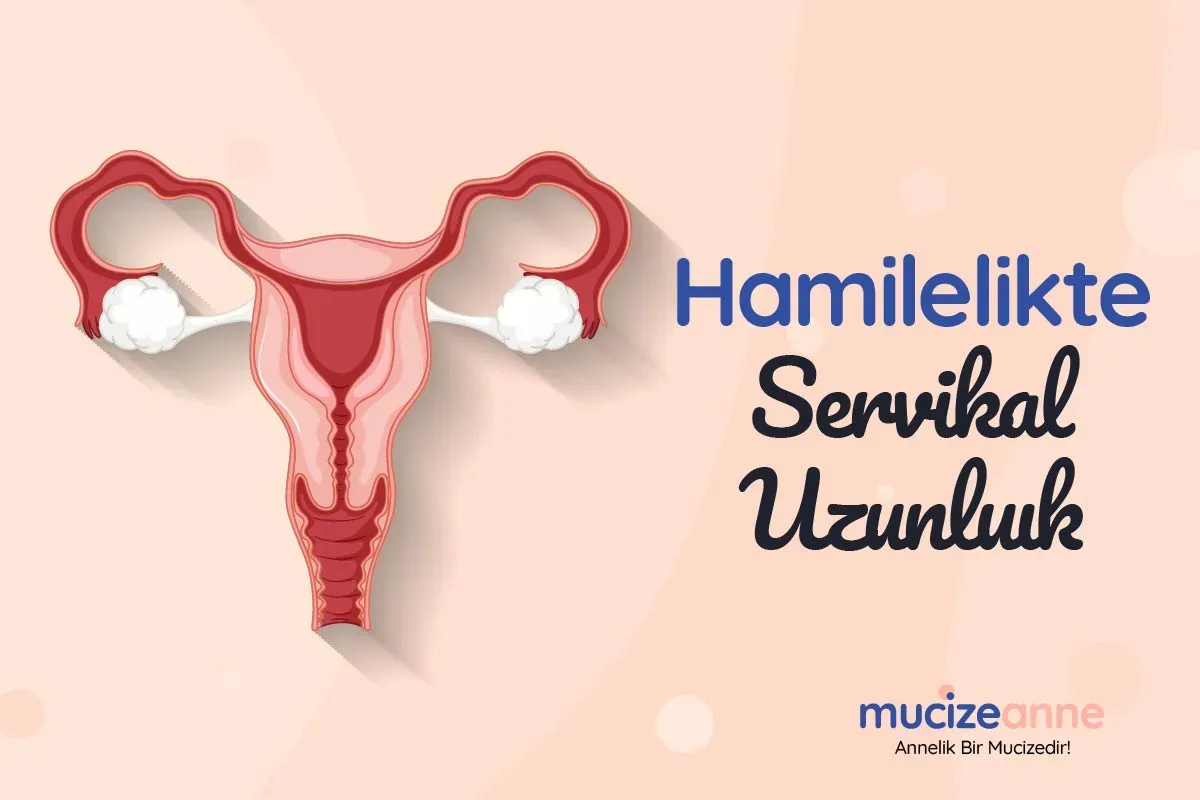
Cervical length during pregnancy
Cervical length during pregnancy (Cervical length) is one of the factors that can cause complications during pregnancy. In this article, we tell you what you need to know about cervical length.
What is cervical length during pregnancy?
The cervix is a three-centimeter-long canal that connects the uterus to the vagina. Cervical length is the length of the canal, including the cervical opening. In order for a healthy baby to grow in pregnant women, the cervix must be of a certain length.
Why is cervical length important during pregnancy?
The cervix is almost inflexible until conception. When you get pregnant, it becomes softer and shorter, the muscle loses its tone and expands. This is known as cervical effusion, which allows the fetus to fit inside the cervical canal as it is born. But if your cervix is too short, you may be at risk for preterm labor and all the complications that come with preterm birth.
Is Cervical Length the Same as Cervical Insufficiency?
No, short cervix and cervical insufficiency are completely different things. A short cervix refers only to the length of the cervical canal. On the other hand, cervical insufficiency refers to premature cervical effusion and dilation, which occurs when the muscles cannot remain tight and strong. Cervical insufficiency can lead to a short cervix.
Factors Affecting Cervical Length
Many factors affect cervical length. Some of them include:
- Anatomy: Some women have a congenitally short cervix.
- Swollen Uterus: In multiple pregnancies, the uterus is stretched more than its capacity. It shortens its length, pushing the cervix downward.
- Cervical Insufficiency: Cervical insufficiency, or an inadequate cervix, is a condition caused by a lack of cervical muscle strength, which can affect cervical length.
How is the length of the uterus measured?

Ultrasound transvaginal scanning can help measure cervical length. Ideally, the length of the cervix should be around 3.5 – 5 cm in the 24th week and 3.5 – 4 cm in the 28th week. At 32 weeks, the length of the cervix is 3 – 3.5 cm. A cervix shorter than 2.5 cm increases the likelihood of premature birth.
Is it necessary to measure the length of the cervix?
Doctors often recommend cervical length screening to women who are carrying twins or multiples, or who have a history of preterm birth and miscarriage.
What Can Be Done For Short Cervix?
Here are a few things to do if your cervix is too short:
1. Bed rest

Bed rest should not be compromised. Lying down can prevent the uterus and fetus from pressing on the cervix, preventing the cervix from shrinking prematurely.
2. Cerclage
This is a minor surgery in which your doctor will suture your cervix with several stitches. The procedure is quick and is performed under anesthesia. It is performed on women who have previously given birth prematurely. Some doctors believe that cerclages can lead to infection and inflammation, but these can be controlled with the right medications.
3. Hormone Therapy
In this treatment, your doctor will place progesterone, the pregnancy hormone, in the cervical area. Progesterone can help relax the uterus.
4. Pesser
A silicone device known as a pessary can be used to support the cervix and keep it closed.
It’s important to understand the changes your body undergoes during pregnancy. Cervical length plays an important role during pregnancy, so it is important to know about it. If you have any concerns about the length of the cervix during pregnancy, consult your gynecologist.
For more articles on pregnancy, visit our Pregnancy Category.