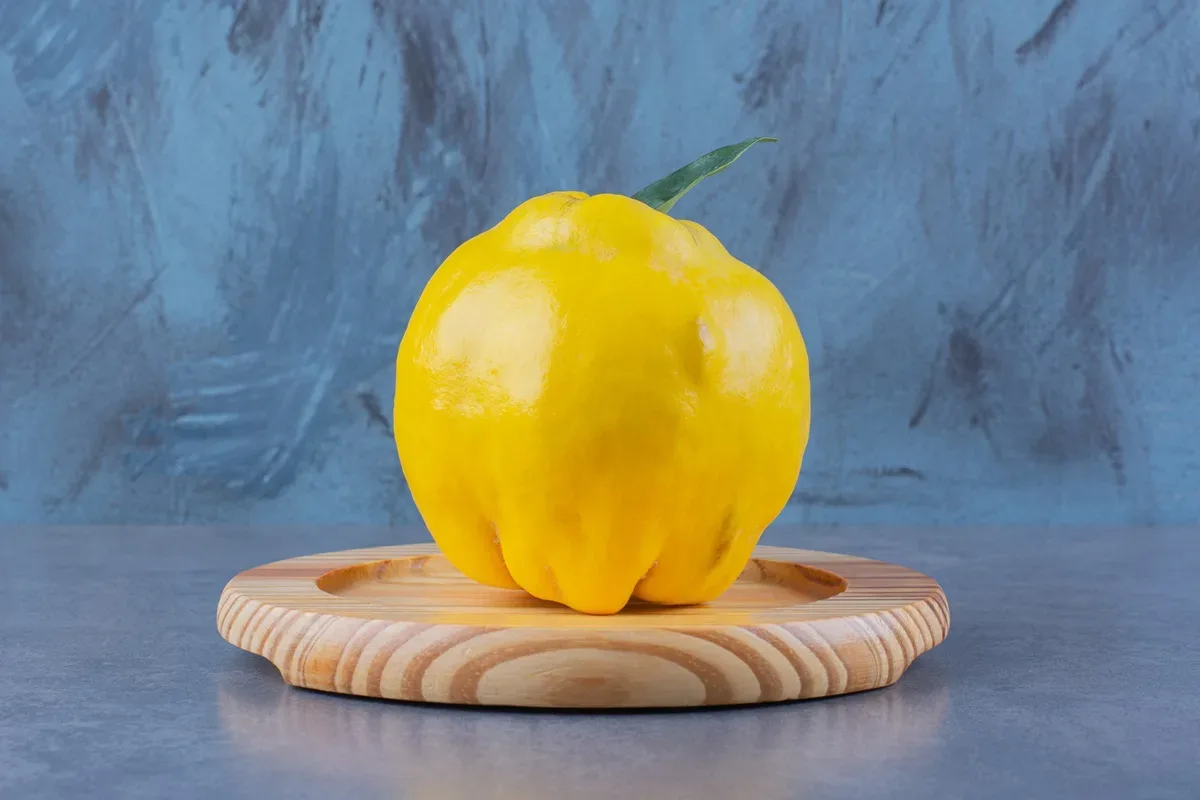
Cooking quince during pregnancy
Eating Quince during pregnancy – this phrase is of interest to many expectant mothers. Pregnancy is one of the most special and important periods in a woman’s life. During this period, a healthy diet is vital for both mother and baby. 🤰🍏
During pregnancy, every bite is important for your baby’s development. A healthy and balanced diet both protects the health of the expectant mother and supports the healthy growth of the baby. During this special period, it is known that some foods are especially recommended, while others should be avoided. So, what role does eating quince during pregnancy play during this period?
Quince is one of the fruits rich in vitamins and minerals and recommended to be consumed during pregnancy. 🍐 In this article, we will discuss the benefits of quince consumption during pregnancy, the nutritional values of quince and how it should be consumed during pregnancy. We’ll also talk about general tips on healthy eating during pregnancy.
Let’s start this nutritious journey and take a closer look at eating quince during pregnancy ! 🌟
Nutritional Values and Health Benefits of Quince
Eating quince during pregnancy can be both a delicious and nutritious option for many expectant mothers. 🍐 Quince attracts attention with its rich nutritional values and positive effects on health. So, what are the ingredients of this wonderful fruit?
Quince is very rich in vitamins A, C and E. Vitamin C, in particular, is important for maternal and infant health during pregnancy because it strengthens the immune system and protects against cell damage. In addition, this fruit contains a lot of fiber, which offers a natural solution to the problem of constipation, which is common during pregnancy. 🌿
From the point of view of minerals, quince contains potassium, magnesium and iron. Potassium helps maintain fluid balance in the body, while magnesium supports muscle and nerve functions. Iron, on the other hand, is especially important during pregnancy due to its increased blood volume and can reduce the risk of anemia. 💪
In addition, quince is rich in antioxidants. These antioxidants support overall health by protecting the body from the harmful effects of free radicals. This is an important advantage in combating increased oxidative stress during pregnancy.
Finally, the quicelic’s soft texture and pleasant taste can also offer a soothing effect against pregnancy-related digestive issues, such as nausea. 🌸
To sum it up, eating quince during pregnancy is not only a delicious experience but also a nutritious choice that offers many benefits for maternal and infant health.
Why Is It Important To Eat Quince During Pregnancy?
When it comes to eating quince during pregnancy, this fruit has many benefits. Consuming quince in a pregnant woman’s diet offers many advantages in terms of digestive comfort and essential nutrients. To reduce the natural astringency of quince, it is recommended to cook it thoroughly and enjoy its unique flavor as part of a balanced diet. [1]
Here are the potential benefits of eating quince during pregnancy :
- Rich in fiber: Quince is a good source of dietary fiber , which helps relieve constipation and promote healthy digestion, which is a common problem during pregnancy due to hormonal changes. Adequate fiber intake can help prevent gestational diabetes and keep blood sugar levels stable.
- Source of vitamin C: Quince contains vitamin C , which supports the immune system and facilitates the absorption of iron from plant-based foods. During pregnancy, it’s vital to maintain a healthy immune system, prevent infections, and support overall health.
- Contains antioxidants: Quince contains antioxidants, including vitamin C and various phenolic compounds. Antioxidants can affect pregnancy outcomes by protecting against cell damage from oxidative stress and inflammation.
- Iron Content: Although quince is not as high as some other fruits, it is still important in terms of iron content. Iron is essential for preventing anemia, which is a concern during pregnancy.
- Relief Against Nausea: Some pregnant individuals may experience morning sickness and nausea . The mild aroma and taste of cooked quince may be more tolerable for some than stronger-smelling foods and may relieve nausea.
- Variety of Flavors: Quince has a uniquely sweet and floral flavor to add variety to your pregnancy diet. Experimenting with different foods can help prevent dietary monotony and ensure the intake of a variety of nutrients.
- Hydration Support: Quince has a high water content, which can be helpful for hydration during pregnancy, especially if you have trouble drinking large amounts of water.
- Pectin Benefits: Quince is naturally high in pectin, a soluble fiber that can help regulate blood sugar levels and support digestive health.
How Should Quince Be Consumed During Pregnancy?
Eating quince during pregnancy is both a delicious and healthy option, but there are some tips on how you should consume this fruit. Quince, when prepared and consumed correctly, can be a delicious part of your pregnancy diet.
- Consuming by Cooking: Quince is naturally a little astringent and has a firm texture when raw. So, when consuming quince during pregnancy, it is best to cook the fruit. This both reduces astringency and facilitates digestion. You can prepare quince in the form of compotes, jams or baked desserts.
- As Quince Juice: If you do not want to consume quince directly, quince juice can also be a good alternative. Quince juice has a softer consistency while preserving the natural taste and nutritional values of the fruit.
- Consuming Naturally: If you like the natural form of quince, you can consume a well-washed and ripe quince by chopping it into small pieces. This will increase your fiber intake.
- Include Quince in Dishes: Quince can be used in sweet and savory dishes. For example, quince, which is added to meat dishes, adds a unique taste to the dish.
- Be Careful: As with any new food during pregnancy, you should be careful for allergic reactions or digestive problems during eating quince during pregnancy . If you notice any negative effects, you should contact your doctor.
- Diversifying: Diversify your pregnancy diet by consuming quince in different ways. This both increases your nutrient intake and makes your meals more interesting.
- Cleanliness and Safety: It is important to wash the quince thoroughly before consuming it. Paying special attention to food safety during pregnancy helps protect you from possible foodborne illnesses.
Eating quince during pregnancy is a great choice for a healthy pregnancy. However, as always, it’s best to talk to your doctor about adding a new food to your diet.
Quince Allergy and Side Effects
Eating quince during pregnancy is generally safe, but like any food, quince can cause allergic reactions or side effects in some people. It is important to be careful when consuming quince, as you may be more susceptible to such reactions during pregnancy.
- Allergic Reactions: An allergy to quince is a rare occurrence, but it can cause allergic reactions such as skin rashes, itching, wheezing, or swelling in some individuals. If you have had fruit allergies before or notice these symptoms after quince consumption, stop consumption and consult a health professional.
- Digestive Problems: Quince may cause digestive problems in some people due to its high fiber content. If you experience digestive discomfort such as constipation or diarrhea, you may want to consider reducing or stopping quince consumption.
- Natural Astringency: The natural astringency of quince can cause stomach upset in some people. Therefore, when consuming quince during pregnancy, it is important to cook the fruit thoroughly and reduce its astringency.
- Balanced Consumption: Although quince is a healthy fruit, it is important not to overdo it when it comes to eating quince during pregnancy . Like any food, quince should be consumed as part of a balanced and varied diet.
- Individual Tolerance: Each individual’s tolerance to foods is different. To find out if eating quince during pregnancy is good for you, start with small amounts and observe your body’s reaction.
- Communication with a Healthcare Professional: If you have any health concerns or existing medical conditions, be sure to talk to your healthcare provider when adding quince or other new foods to your diet.
While eating quince during pregnancy is generally safe and healthy, like any new food, it’s important to consider individual reactions.

Other Useful Fruits You Can Eat During Pregnancy
While eating quince during pregnancy is a nutritious and healthy choice, it’s important to consider other fruit options to enrich your pregnancy diet. Pregnancy-friendly fruits provide expectant mothers with a variety of nutrients, while also offering delicious and refreshing options.
- Apples: Rich in vitamins, minerals, and fiber, apples are both a healthy snack and a digestive-friendly option during pregnancy.
- Bananas: Rich in potassium, bananas can help prevent cramps that are often encountered during pregnancy. In addition, bananas can be easily consumed and support digestion.
- Strawberries: Rich in vitamin C, folate, and antioxidants, strawberries are beneficial for both maternal and infant health.
- Avocado: Containing folate, potassium, and healthy fats, avocados are excellent for the development of the baby’s brain and nervous system.
- Oranges and Other Citrus Fruits: Citrus fruits such as oranges and tangerines, which are rich in vitamin C and folate, strengthen the immune system and increase iron absorption.
- Kiwi: Kiwi is rich in vitamin C and other essential nutrients. It also facilitates digestion and helps fight constipation.
- Grapes: Rich in antioxidants and vitamins, grapes are a good option for a healthy pregnancy. However, it is necessary to pay attention to the high sugar content of grapes.
- Plum: Plum, which is rich in fiber, can offer a natural solution to common constipation problems during pregnancy.
Including these fruits in your diet in a balanced way, such as eating quince during pregnancy , ensures that you get a variety of nutrients that both you and your baby need. As always, it’s best to speak with your doctor before consuming a new food or fruit.
Conclusions and Recommendations
In our article, we focused on eating quince during pregnancy and healthy eating during pregnancy. Quince is both a delicious and nutritious option to consume during pregnancy, but remember that a healthy pregnancy diet is made up of variety and balance.
- Balanced Diet: Quince is just one of the many healthy fruits in your pregnancy diet. Including other pregnancy-friendly fruits in your diet also supports your overall health and your baby’s development.
- Consult Your Doctor: Always talk to your doctor before consuming a new food during pregnancy, especially eating quince during pregnancy . This helps you prevent any health problems.
- Explore the Variety: Don’t be afraid to experiment with different fruits. This can make your pregnancy diet more enjoyable and ensure the intake of different nutrients.
- Portion Control: Like any food, it is important to consume quince in a balanced way without overdoing it. Getting enough of all food groups is essential for a healthy pregnancy.
- Adopt a Healthy Lifestyle: In addition to a balanced diet, regular exercise and adequate rest are also important during pregnancy.
Eating quince during pregnancy attracts attention with its rich nutritional content and health benefits. With the information we’ve covered in this article, we hope to guide you on your journey to healthy eating during pregnancy. We wish you healthy and happy days during and after pregnancy! 🤰🍐💚
Frequently Asked Questions
Can quince be eaten every day during pregnancy?
Yes, it is generally safe to eat quince during pregnancy , but like any food, it is important to consume it in a balanced way. Consuming small portions of quince every day helps you reap its benefits.
What are the symptoms of quince allergy?
Although quince allergy is rare, it can show symptoms such as a skin rash, itching, swelling, or difficulty breathing. If you notice such symptoms, stop consumption and contact a healthcare professional.
Is it safe to eat raw quince during pregnancy?
Raw quince can be naturally astringent and firm. During pregnancy, it is usually safer to consume quince cooked and makes it easier to digest.
Does quince prevent constipation during pregnancy?
Yes, quince is rich in fiber, which can offer a natural solution to the problem of constipation that is common during pregnancy.
Is it useful to drink quince juice during pregnancy?
Yes, quince juice preserves the natural nutritional values of the fruit and can be beneficial as an alternative source of fluid during pregnancy. However, it is important to pay attention to the sugar content in ready-made quince juices.
Does quince affect sugar levels during pregnancy?
Quince has a naturally low glycemic index and has a balanced effect on blood sugar. However, it is important for pregnant women with diabetes to consult their doctor.
Does eating quince during pregnancy make the baby born with dimples?
Whether or not a baby is born with dimples depends on genetic factors and does not have a direct relationship with the mother’s diet. Dimples are a genetic trait that usually results from the structure of the facial muscles. While eating quince during pregnancy is a healthy choice, it has not been scientifically proven to have a decisive impact on the baby’s physical characteristics.