Eating apples during pregnancy
Eating Apples During Pregnancy: Pregnancy is one of the most important and sensitive periods in a woman’s life. During this period, a healthy diet is of great importance for the health of both the mother and the baby. Eating apples during pregnancy is an important part of this balanced and healthy eating regimen. Apples are known for their rich content of vitamins and minerals, and they provide many essential nutrients that the body needs during pregnancy. In this article, we will provide comprehensive information about the benefits of apple consumption during pregnancy, the ideal consumption amounts, the various types of apples, and the importance of eating apples during pregnancy. We aim to provide a comprehensive guide to eating apples during pregnancy, detailing the benefits of apples for the health of both the mother and the developing baby.
Benefits of Eating Apples During Pregnancy
Eating apples during pregnancy is recommended as they are rich in various nutritional values. Apples contain many essential nutrients that pregnant women and their developing babies need. Here’s a look at the nutritional values of apples:
- Vitamins: Apples contain vitamin C, vitamin A, and many B vitamins (B1, B2, B3, B6). Vitamin C helps strengthen the immune system, while B vitamins support energy metabolism.
- Minerals: Apples contain minerals such as potassium, calcium, phosphorus, and iron . Potassium helps maintain fluid balance in the body, and calcium is important for bone health.
- Fiber: Apples contain high amounts of soluble and insoluble fiber. Fiber supports digestive health and can alleviate constipation issues that are common during pregnancy.
- Natural Sugars and Carbohydrates: Apples are rich in natural sugars and carbohydrates. This provides a quick source of energy during pregnancy, but its excessive consumption should be carefully managed.
- Antioxidants: Apples are rich in antioxidants. These compounds protect against cellular damage and improve overall health.
- Water Content: The high water content of apples is an important part of hydration during pregnancy.
These nutritional values of apples explain why apples are recommended as an important part of a healthy diet during pregnancy. However, like any nutrient, apples should be consumed in a balanced way, and it’s important to seek specific advice from your doctor or a dietitian to meet your nutritional needs during pregnancy.
How Many Apples Should Be Eaten Daily During Pregnancy?
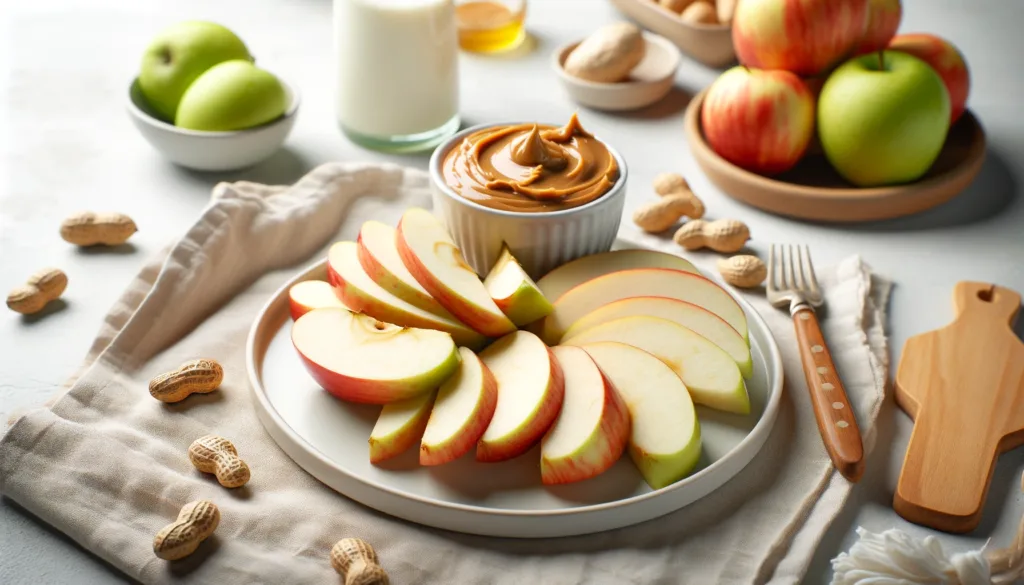
Although eating apples during pregnancy offers many health benefits, it is important to pay attention to the daily consumption of apples during this period. In general, it is recommended that pregnant women consume 1 to 2 medium-sized apples per day. This amount helps prevent excess sugar intake while providing essential nutrients.
Apples are rich in fiber and offer a natural solution to the problem of constipation, which is common during pregnancy. In addition, it is rich in vitamin C, potassium and other important vitamins and minerals. However, since each individual’s nutritional needs are different, it is best to consult with a dietitian or doctor about the amount of apple consumption.
Eating apples can also help prevent sudden sugar drops that can occur during pregnancy. The natural sugar of apples provides a quick and healthy source of energy. However, due to its sugar content, pregnant women, especially those at risk of gestational diabetes, should carefully adjust the amount of apple consumption.
Finally, checking if apples are organic is an important step when it comes to eating apples during pregnancy. Non-organic apples may contain pesticide residues. Therefore, opting for organic apples if possible or washing apples thoroughly is important for a healthy pregnancy.
Varieties and selection of apples during pregnancy
Eating apples during pregnancy is an important part of a healthy diet, but all varieties of apples have different characteristics. Therefore, which apple variety you choose during pregnancy may vary depending on the nutritional values you get and your taste preference.
- Red Apples: Red apples, which are usually sweet, especially varieties such as Fuji and Gala, have a high antioxidant content. Antioxidant intake during pregnancy is beneficial for both mother and baby by supporting cell health.
- Green Apples: Green apples, especially the Granny Smith variety, are known for their lower sugar content and high fiber content. These features make it ideal for pregnant women who are at risk of gestational diabetes or who want to control their weight.
- Yellow Apples: Yellow apples, such as Golden Delicious, can have both a sweet and slightly acidic flavor. These varieties often make digestion easier and can help alleviate stomach upset, which is a common problem during pregnancy.
When choosing apples, it is also important to consider the ripeness and freshness of the fruit. Apples that are not too ripe or too firm offer the best taste and nutritional value. In addition, it is important to opt for organic apples or wash apples thoroughly to reduce pesticide exposure.
Since each variety has its own advantages, considering variety when it comes to eating apples during pregnancy will enrich your diet.
Things to Consider When Consuming Apples During Pregnancy
Although eating apples during pregnancy offers many benefits, there are some things to consider. These recommendations will help pregnant women consume apples in a healthy way:
- Avoiding Excessive Consumption: Apples contain carbohydrates and sugar. When consumed in excess during pregnancy, this can lead to increased sugar levels and a slowed metabolism, which can cause weight management problems
- Balancing Apple Varieties: Green apples are nutritious, like red apples, but more tart and rich in fiber. This can increase the stomach acidity of some pregnant women. Consuming apple varieties in a balanced way can help reduce this problem
- Washing Apples: Apple peels are rich in antioxidant and phenolic compounds, but fruit and vegetable peels can harbor parasites such as toxoplasma. This can lead to some health problems that can be seen during pregnancy. Washing apples thoroughly reduces these risks.
- Balanced Diet: Apples can be part of a healthy diet during pregnancy, but they should be consumed in a balanced way with other food groups. Eating apples can help prevent iron deficiency and boost the immune system, but a variety of food sources are also needed for iron and other nutrients.
- Apple Varieties: Different varieties of apples offer different flavors and nutritional values. For example, varieties such as Granny Smith and Fuji may cater to different needs during pregnancy. When choosing, consider both taste and nutritional values.
These suggestions will help you take a healthy and balanced approach when it comes to eating apples during pregnancy. It is important to always seek advice from your doctor or a dietitian on nutrition, especially during a sensitive period such as pregnancy.
Recipes with apples
Eating apples during pregnancy is not just limited to direct consumption. Apples are an excellent base ingredient for a variety of healthy snacks and delicious recipes. Here are some healthy apple-based snacks and recipe suggestions you can try during pregnancy:
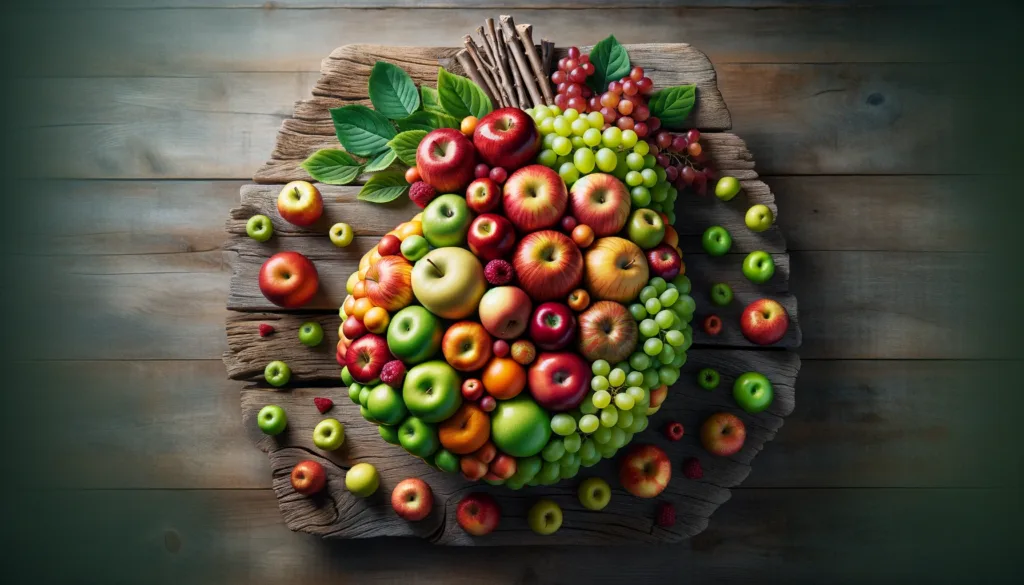
- Apple Slices and Peanut Butter: For a light and nutritious snack, combine apple slices with natural peanut butter. This provides a source of fiber, enriched with protein and healthy fats.
- Baked Apples with Oatmeal: For breakfast, add the diced apple to the oatmeal and season with cinnamon or honey. It provides a delicious and nutritious starter.
- Apple Yogurt: You can mix chopped apple chunks with low-fat or Greek yogurt to create a light snack or breakfast alternative.
- Apple Smoothie: You can prepare a nutritious smoothie by blending apple, banana, low-fat milk or almond milk and a pinch of cinnamon in a blender.
- Dried Apple Chips: Oven-dried apple slices at a low temperature provide a healthy and crispy snack option.
- Apple Pancakes: Another creative way to eat apples during pregnancy is with apple pancakes. You can prepare a delicious breakfast by adding apple zest and cinnamon to the pancake mix.
These recipes offer both delicious and nutritious alternatives to eating apples during pregnancy. Apples can be used in both main meals and snacks and play an important role in maintaining a balance of variety and nutrition during pregnancy.
Apple Eating Habits and Diet During Pregnancy
Eating apples during pregnancy should be considered as part of the overall diet. To get the most out of apples, it’s important to eat them in a balanced and varied diet.
- Balanced Diet: Apples are an important part of the pregnancy diet, but a balanced diet that includes various food groups is essential. Fruits, vegetables, whole grains, protein sources, and healthy fats provide a wide range of nutrients needed during pregnancy. [1]
- Variety in Meals: Consuming apples at different meals and in different ways both diversifies your food intake and adds flavor to your diet. For example, you can add it to oatmeal in the morning and include it in salads for lunch or dinner.
- Apples as a Snack: Apples are ideal as a quick and practical snack option. It both relieves the feeling of hunger and provides a healthy source of energy. You can also increase your protein intake by combining it with peanut butter or cheese. [2]
- Hydration and Apples: Apples also contribute to your hydration, as they are a fruit with a high water content. Adequate fluid intake is very important, especially during pregnancy.
- Apple and Sugar Content: Apples contain natural sugar, so it’s important to consider the amount to keep your sugar intake balanced. To balance your sugar intake, carefully adjust your consumption of other fruits and sugar-containing foods throughout the day.
- Adaptation to Nutritional Needs During Pregnancy: In order to adapt to changing nutritional needs during pregnancy, it is helpful to meet regularly with your doctor or a dietitian. These experts can help you create a nutrition plan that works best for you and your baby’s health.
Eating apples during pregnancy provides several health benefits for both mother and baby. However, to get the most of these benefits, it’s important to consume apples as part of a balanced and varied diet. It is important to always seek advice from your doctor or a dietitian on nutrition, especially during a sensitive period such as pregnancy.
Eating apples during pregnancy is a healthy eating option for mothers during this special and important period. Apples support the health of both mother and baby with their rich nutritional values. Balancing the amount of daily consumption, the correct selection of apple varieties and proper preparation methods allow you to make the most of these benefits. Plus, a variety of apple-based snacks and recipes can add flavor and variety to your pregnancy diet. Finally, eating apples during pregnancy should be considered as part of your overall diet, and the importance of a balanced diet should always be considered. For a healthy pregnancy process, it will be helpful to regularly review your eating habits with your doctor or a dietitian.
Eating Apples During Pregnancy: Frequently Asked Questions and Answers
Here are some frequently asked questions about eating apples during pregnancy and the answers to these questions:
Is it safe to eat apples every day during pregnancy?
Yes, it is safe to eat apples every day during pregnancy. However, like any food, it is important to consume apples as part of a balanced diet, without overdoing it.
What varieties of apples should be preferred during pregnancy?
During pregnancy, any variety of apples can be consumed. However, by trying varieties that differ in taste and nutritional value, you can find the one that works best for you.
What are the benefits of eating apples during pregnancy?
Apples are rich in vitamin C, fiber, and other important nutrients. This helps to strengthen the immune system, improve digestion, and meet overall nutritional needs during pregnancy.
Are there any side effects of eating apples during pregnancy?
When consumed in normal amounts, there are no known serious side effects of eating apples. However, excessive consumption can cause digestive problems or an excessive sugar intake.
Is it better to eat apples during pregnancy instead of consuming apple juice?
The juice of fresh apples can lose some nutrients, such as fiber. Therefore, consuming fresh apples during pregnancy allows you to benefit from all the nutritional values of the fruit.
Should you consume organic apples or regular apples during pregnancy?
Organic apples reduce the risk of pesticide residues, but both types are healthy. If you consume regular apples, it is important to wash them thoroughly.