Eating avocados during pregnancy
Eating avocados during pregnancy has an important place in the healthy diet of expectant mothers. During this special period, it is of great importance to meet the nutrients needed by both the mother and the baby. Avocado stands out as an ideal option during pregnancy with its high nutritional values and rich vitamin content.
In this article, we will discuss in detail the effects of avocado consumption during pregnancy on health, its contribution to baby development and practical consumption methods. Thus, we aim to provide comprehensive and useful information on eating avocado during pregnancy.
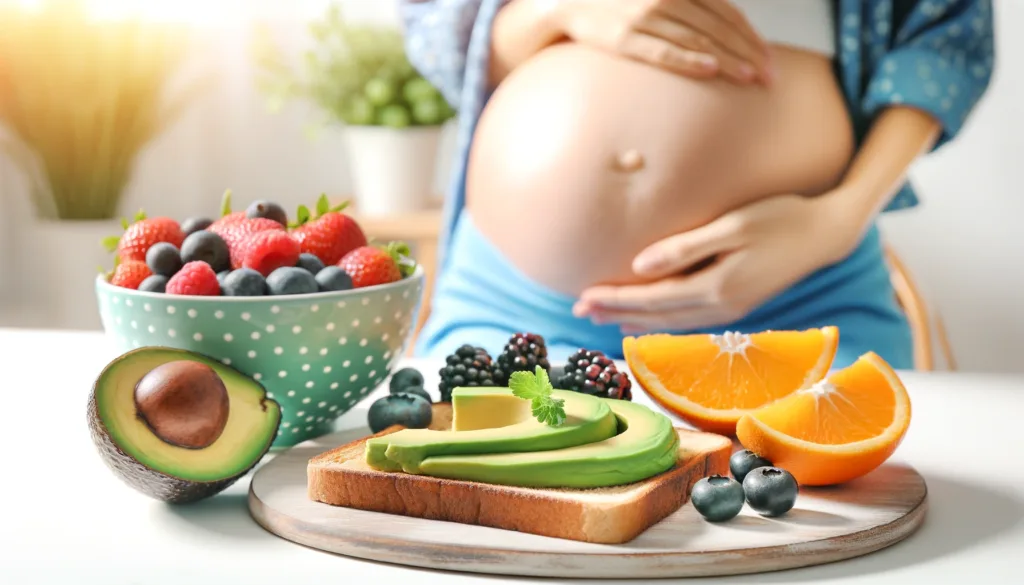
Substances and Nutritional Values in Avocado Fruit
Although it differs according to the size of the avocado and the climatic conditions of the region where it is grown, a standard avocado fruit includes the following:
- Calorie: One medium avocado contains about 240 calories.
- Oil: Avocados contain about 22 grams of healthy fats. Most of these fats are monounsaturated fatty acids.
- Carbohydrate: It contains about 13 grams of carbs, but most of them are in the form of fiber.
- Protein: Avocados contain about 3 grams of protein.
- Fibre: It contains about 10 grams of dietary fiber.
- Vitamins and Minerals: Avocados are rich in vitamin K, folate, vitamin C, potassium, vitamin B5, vitamin B6, and vitamin E. It also contains minerals such as iron, zinc, magnesium and phosphorus, it is especially rich in carotenoids, which are precursors of vitamin A, such as beta-carotene and lutein.
Avocados are considered a valuable food item as part of a healthy eating pattern.
Benefits of Eating Avocado During Pregnancy
Eating avocados during pregnancy offers numerous benefits for expectant mothers. Avocados are rich in folic acid , which is especially important during pregnancy because folic acid is vital for the development of the baby’s nervous system. In addition, avocados are a rich source of Omega-3 fatty acids. These fatty acids are critical for the baby’s brain development and positively affect maternal health as well.
- Source of Folic Acid: Avocados contain plenty of folic acid, which is critical for pregnancy. Folic acid is vital for the development of the baby’s nervous system and spinal cord.
- Omega-3 Fatty Acids: Contains Omega-3 fatty acids, which are important for the baby’s brain and eye development. These fatty acids also support maternal health.
- High Fiber Content: With its high fiber content, avocados help alleviate digestive problems such as constipation, which is common during pregnancy.
- Vitamin and Mineral Store: It is rich in vitamins A, C, E and minerals such as potassium. These nutrients support the overall health of the mother and baby.
- Healthy Fats: Contains healthy fats, which provide extra calories and nutrients needed during pregnancy.
- Regulates Blood Sugar Levels: Avocados can help balance blood sugar levels, which may contribute to reducing the risk of gestational diabetes.
- Regulates Cholesterol and Blood Pressure: It contains monounsaturated fatty acids that support heart health and may help reduce the risk of high blood pressure.
Eating avocado during pregnancy positively affects the health of both the mother and the developing baby with these benefits. A balanced inclusion of this nutritious fruit in the pregnancy diet can contribute to a healthy pregnancy process.
Effects of Avocado Consumption During Pregnancy on Health
Avocado consumption during pregnancy has many benefits in terms of health effects. Here are some of these benefits:
- Supports Fetal Brain Development: Avocados contain choline, which is essential for the brain and nerve development of the fetus.
- Rich in Minerals: Avocados contain calcium, potassium, magnesium, niacin, and other important minerals needed during pregnancy.
- Improves Nutrient Absorption: Avocados increase the absorption of fat-soluble vitamins in other foods.
- Contains Healthy Fats: Avocados are rich in omega-3 and omega-6 fatty acids, which are essential for the development of the fetus.
- Helps with Weight Control: Thanks to its high fiber content, avocados can help prevent excessive weight gain.
- Reduces the Risk of Preeclampsia: Due to the fact that it is rich in potassium, it can reduce the risk of preeclampsia .
- Healthy Weight Gain: It supports healthy weight gain in the second trimester of pregnancy and helps keep blood sugar stable.
- Reduces Muscle Cramps: Thanks to its richness in potassium and magnesium , it can reduce common leg and back cramps.
- Source of Antioxidants: Avocados contain antioxidants that protect against cell damage caused by free radicals.
- Promotes Digestion: Thanks to being rich in fiber, it facilitates digestion and can relieve constipation associated with pregnancy.
- Helps Manage Cholesterol and Blood Sugar: Avocados can help manage cholesterol and blood sugar levels during pregnancy.
- Meets the Need for Calcium: Avocado draws attention with its calcium content, which is important during pregnancy, and contributes to the bone and tooth development of babies.
- Reduces the Risk of Anemia: Avocados are a source of folate, which reduces the risk of anemia in early pregnancy.
- Reduces Muscle Cramps: Avocados are rich in potassium and magnesium, helping to relieve muscle cramps.
- Source of Potassium: Potassium helps regulate the balance of body fluids, and avocados are rich in this mineral.
- Contains B Vitamins: B vitamins are important in energy production, and avocados are rich in B vitamins.
- Source of Beta-Carotene: Beta-carotene is a nutrient that the body converts into vitamin A, and avocados are rich in this nutrient.
Consuming Avocados during pregnancy also helps prevent birth defects by supporting folic acid intake and increases overall mineral intake.
There are also some points to consider when consuming avocados during pregnancy. It is important to consume avocados cleanly and safely. Although there is no specific time frame for pregnant women to consume avocados, avocados are considered a healthy option in every trimester.
Practical Avocado Recipes
Avocado consumption during pregnancy offers many benefits for maternal and infant health. At the same time, it’s possible to incorporate avocados into your diet in a variety of delicious ways. Here are some practical recipes and recommendations for avocado consumption during pregnancy:
Avocado and Egg Breakfast Toast:

Add sliced avocado and cooked eggs on top of the toasted bread. Optionally, you can also add cheese, ham, tomatoes or spinach leaves (Avodemia)
Baked Egg Avocado:
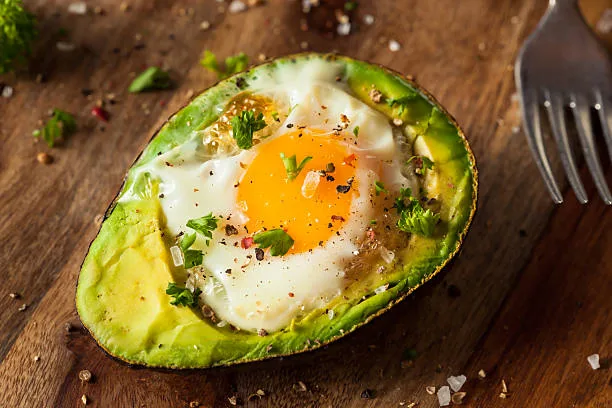
Cut the avocado in half and remove the core. Crack an egg into each avocado and pour a little milk over it. Season with salt and pepper and bake at 425 degrees Fahrenheit for 15-20 minutes (Firstcry Parenting)
Chocolate Chip Banana Avocado Milkshake:
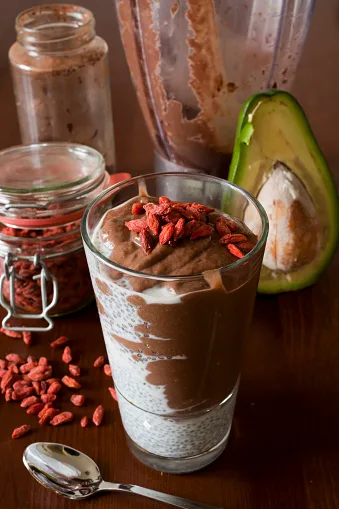
Mix a glass of milk, half a ripe avocado, a ripe banana, two tablespoons of cocoa powder and a teaspoon of honey and mix until smooth (Avodemia).
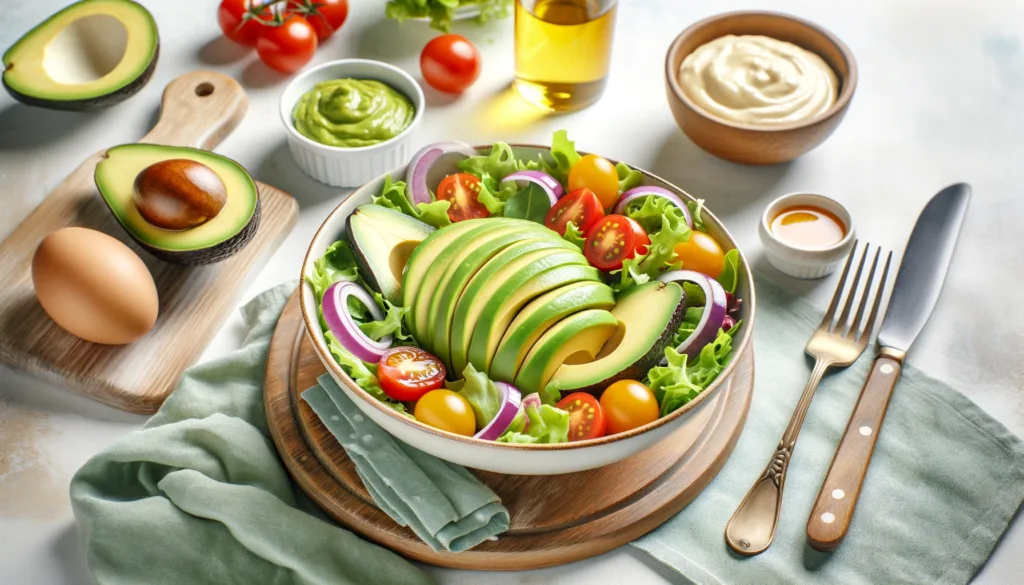
Avocado Salad:

Stir in the diced avocado, cherry tomatoes and red onion. Pour the dressing prepared with olive oil, apple cider vinegar, salt and pepper over the salad and mix (Avodemia)
Peanut Butter Avocado Toast:
Spread peanut butter on whole-grain bread and top with crushed avocado. If desired, you can sweeten it with honey and sea salt (Pregnancy Eats.)
These recipes offer options that are both nutritious and delicious during pregnancy. However, there are some points to consider when consuming avocados during pregnancy. For example, it is important to wash the fruit thoroughly, as Listeria monocytogenes bacteria can be found on the outer surface of avocados (Parenting Miniklub). In addition, since avocados are a high-calorie fruit, it would be healthy to limit the amount of consumption to half or one avocado per day.
During pregnancy, it is important to consume a variety of nutrients in a balanced way, so it will be beneficial to include nutritious fruits such as avocados in your diet in a balanced way.
The Right Timing and Amount of Avocado Consumption During Pregnancy
The right timing and amount of avocado consumption during pregnancy is an important part of a healthy diet. Avocados are recommended to be consumed during pregnancy, as they contain high nutritional values and healthy fats. However, like any food, avocados should be consumed in a balanced and moderate way.
Timing of Avocado Consumption
- Can Be Consumed in All Trimesters: Avocados are beneficial at all stages of pregnancy. The nutrients it contains help meet the needs of different periods of pregnancy.
- Against Morning Sickness: It is among the foods that are good for morning sickness. It can be consumed as a light snack in the morning.
- Balanced Use in Meals: Avocados can be used as a source of healthy fats and fiber in meals. It can be consumed on toast for breakfast, or added to salads for lunch or dinner.
Consumption Amount
- Daily Amount: Experts generally recommend that pregnant women consume half to one avocado per day.
- Calorie and Fat Content: Avocados should be consumed in moderation due to their high calorie and fat content. Excessive consumption can lead to unwanted weight gain.
- Nutritional Balance: Avocado should be combined in a balanced way with other nutrients in the pregnancy diet.
Other Important Considerations
- Cleaning: Avocados should be washed thoroughly before consuming, as bacteria may be present on the surface.
- Fresh Consumption: Avocados can spoil quickly after ripening, so it’s best to consume them fresh.
- Variety: To provide variety in your pregnancy diet, it’s important to include other fruits and vegetables besides avocados.
Avocado consumption during pregnancy, when done in a balanced and conscious way, makes important contributions to the health of both the mother and the baby. It may be helpful to consult your doctor or a dietitian for any health concerns or special dietary requirements.
Frequently Asked Questions About Avocado Consumption During Pregnancy
Here are some important questions about avocado consumption during pregnancy:
How many avocados should be eaten daily during pregnancy?
The amount of consumption of avocado depends on individual nutritional needs. However, half or one avocado can be consumed daily.
In which trimesters is avocado especially useful during pregnancy?
Avocados are useful in any trimester of pregnancy, but they are especially important in the first trimester as they provide folate and help with nausea
Does eating avocado during pregnancy have positive effects on the baby?
Yes, avocados can contribute to fetal brain and eye development with their high nutritional values
Is there a risk of avocado allergy during pregnancy?
An avocado allergy is rare, but as with any food, you should not consume it if you have a known allergy to avocados
How does Avocado consumption during pregnancy help with weight control?
The high fiber content of avocados may help prevent excessive weight gain
Conclusion: Avocado for a Balanced and Healthy Pregnancy
Avocado consumption during pregnancy offers a nutritious and delicious option for expectant mothers. The rich nutritional content of avocados provides many benefits for maternal and infant health. These benefits include choline, which contributes to brain development, B vitamins that are good for morning sickness, healthy fats that balance cholesterol and blood sugar levels, and high fiber content that facilitates digestion.
However, it is important that avocado consumption is balanced. Excessive consumption can lead to negative effects such as excess weight gain and digestive problems. Therefore, pregnant women are recommended to consume half to one avocado per day. Also, avocado allergy may be present, albeit rarely, so a healthcare professional should be consulted in case of any allergy.
Washing and storing avocados correctly reduces the risks of potential bacteria. Choosing fresh and ripe avocados is better for digestion.
Finally, avocados should be included in the pregnancy diet in a balanced and varied way and should be consumed in combination with other food groups. It is important to remember that each pregnancy is unique and the diet needs to be adjusted based on personal factors. For a healthy pregnancy, avocados can be a delicious and nutritious part of a balanced diet.