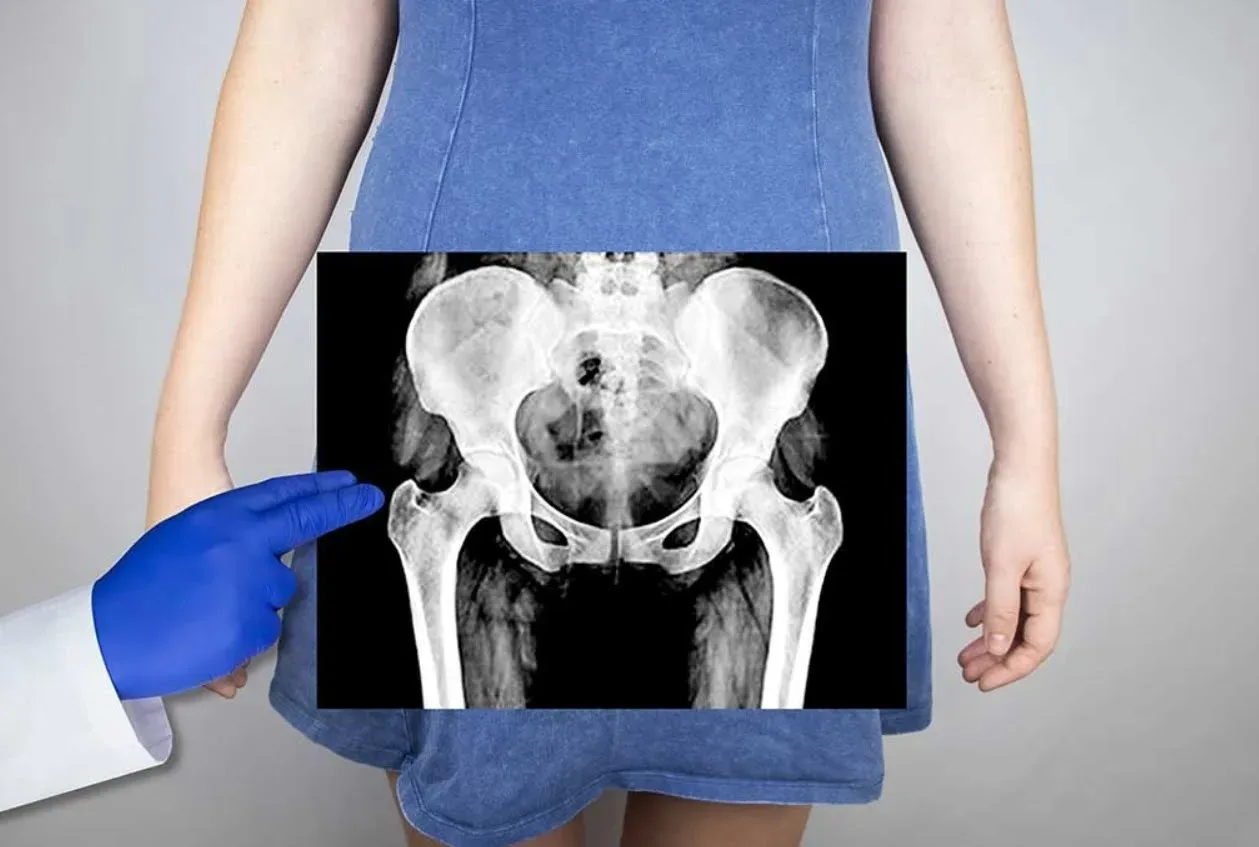
Effects of hip shape on childbirth
Women’s body shapes are such that they can give birth to a normal vaginal birth. However, there are some studies showing that women with wider hips can give birth more easily.
The baby sits on its mother’s pelvis for the entire pregnancy. (The Latin name for the pelvis is pelvis.) The pelvis begins to expand as childbirth begins to approach. Every woman’s pelvis structure is different; Some may have a wide pelvis or hip, and others may have a narrower pelvis or hip.
This trait, which some women with wide pelvis have, is not a quality – it simply refers to the shape of the pelvis, which is a larger or wider hip structure.
Women can have different types of pelvic structures, and women with wider pelvises may have an easier time giving birth. To learn more about the effects of hip shape on normal childbirth, it is important to know how they are classified in different ways.
Effects of hip shape on childbirth
Women’s pelvis is considered in four main categories.

1. Gynecoid (Gynecoid) Pelvis Shape
The gynecoid pelvis shape is one of the most common pelvic shapes found in women. This shape is great for facilitating vaginal delivery in most women. This type of pelvis is shallow and wide, which proves to be great at helping the baby through the birth canal. In other words, a shallower and wider pelvis gives the baby more space during the birth process, thus making this shape one of the most suitable.
If your doctor says you can have a normal birth, you probably have a gynecoid pelvis. Women who have this type of pelvis are usually curvy and shapely, and tend to retain more fat around their thighs rather than their belly.
2. Anthropoid (Anthropoid) Pelvis Shape
This shape of the pelvis is also common, as is the gynecoid pelvis, but instead of being wider from side to side (right to left), this shape is wider from front to back. If you have this type of pelvis shape, childbirth may not be very easy for you as there is less room for the pelvis to fully open during labor. Childbirth may also take longer.
Women with this type of pelvis shape have more weight on their abdomen and buttocks. If you have such a pelvis, your doctor may recommend that you take an active role in the labor process and may also recommend some activities such as squatting or walking that can help ease the birth process.
3. Android Pelvis Shape
This type of pelvis shape is most often found in tall women with narrow pubic girdles and smaller hip muscles. The front of the pelvis has a narrow and heart-shaped bulwark, and thus a triangular shape is formed at the entrance with a narrowed subpubic curve. This type of pelvis shape makes it difficult for large babies to pass through the birth canal, and therefore women with this type of pelvis often give birth by cesarean section.
However, if vaginal delivery is considered, the doctor may ask you to move more during the birth process, and you may also need to push more. This means that women with this type of pelvis can of course give birth normally, but their delivery time may be longer.
4. Platypelloid Pelvis Shape
In this type of pelvis, the ischial spines are pronounced, and the sub-pubic arch is wide, giving it a flattened shape with a pronounced sacrum at the entrance. If you have this type of pelvis shape, you may need to experience longer labor pains because it may take longer for your baby to enter your pelvis. The main difference between the platipelloid pelvis and the android pelvis is that the latter has a wider pubic arch, while the former has a narrow pubic arch. This means that once the baby is settled or enters the pelvis, delivery with the platipelloid pelvis will be easier.
Examining a woman’s pelvis is a common procedure your doctor will perform. However, while an X-ray of the pelvis used to be part of a prenatal examination, it is no longer mandatory. Your doctor may check your pelvis to find out its structure.
A woman’s birth experience depends on several important factors, including her health, the baby’s position during childbirth, the size of the baby’s head, and so on. A woman’s body is created in such a way that she can give birth normally. Therefore, having a certain pelvis shape cannot be a clear indicator of whether you will have a vaginal birth or whether you will need a cesarean section.
As your pregnancy continues and your due date approaches, your body begins to prepare for childbirth. Your pelvis will begin to stretch and relax to facilitate the baby’s movements through the birth canal. The bones around your pelvic area will slowly begin to separate from each other as you make room for the baby’s movement. It’s important to remember here that these changing ligaments in the pelvis don’t mean your bone structure has changed; rather, it’s the way your body prepares for childbirth.
So, if you’re wondering if women with wider hips have comfortable labor, the answer is yes, it’s quite possible, because there’s more room for the baby to move freely. However, the size of the hips cannot be the only determining factor in facilitating childbirth. Other important aspects that contribute to facilitating the birth process are the size of the baby, the position of the baby, the strength of the contractions and the health of the mother.
This also means that even if you have wide hips and other aspects of childbirth are not in your favor, you may have difficulty in the birth process or even have to have a cesarean section. On the other hand, if all other birth conditions are in your favor and you don’t have ideal fertility hips, you can still give birth normally.
For more information about childbirth, visit our Maternity category.