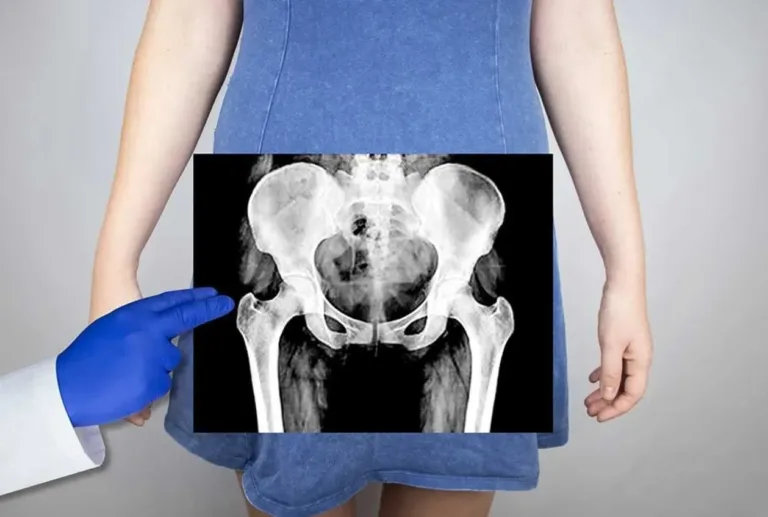
Roof Inspection During Pregnancy: What Is It, How Is It Done, Does It Hurt?
In the last weeks of pregnancy, a roof examination is carried out to determine the mode of delivery . In this examination, the size of the mother’s pelvic bones and the baby’s head are evaluated with the doctor’s fingers. The roof examination provides important information to decide whether the birth will occur normally.
What is Roof Inspection During Pregnancy?
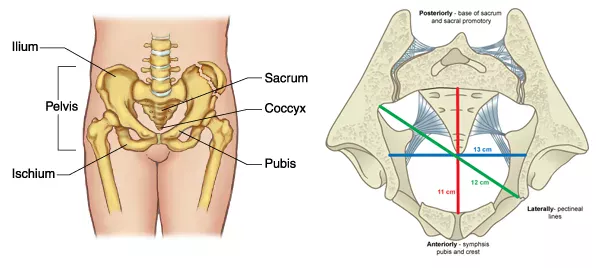
Roof examination during pregnancy is a prenatal examination. The term “roof” refers to the parts of the pelvis that are involved in childbirth. The pelvis is the area that the baby must pass through during childbirth. A roof examination is done to assess the shape, size, and overall structure of the pelvis. This exam can help determine if a baby will be born naturally through the pelvis.
In particular, the roof inspection evaluates:
- General structure of the pelvis: Anatomical structure and shape of the pelvis.
- Pelvic Entrance: The width and shape of the upper part of the pelvis.
- Pelvic Outlet: The width and shape of the lower part of the pelvis.
Some women’s pelvis may be more amenable to natural childbirth, while others may have a narrow or atypical structure. In such cases, a normal birth may be difficult or risky, and a cesarean section may be advisable.
Roof examination during pregnancy is usually done in the weeks leading up to birth, sometimes just before labor begins. This examination is performed by an obstetric doctor or midwife and is usually a physical examination performed by hand.
This examination is critical for maintaining the health of the baby and expectant mother and planning the birth process. If a doctor thinks that the pelvis is not suitable for a normal birth, this can inform how your birth plan will be shaped.
How is Roof Inspection Performed?
A Roof examination during pregnancy is a physical examination performed by hand by an obstetric doctor or midwife. Roof inspection during pregnancy is carried out as follows:
- Preparation: Before the examination, the expectant mother is positioned in a comfortable position, usually lying on her back. He prepares for examination by separating the legs bent at the knee.
- External Pelvis Assessment: The doctor or midwife first evaluates the external pelvis. This is done to detect the overall shape, symmetry and possible abnormalities of the pelvis.
- Internal Pelvis Assessment: In this step, the doctor uses both hands, wearing sterile gloves. One hand remains outside, while the other hand (usually two fingers) is inserted into the vagina. In this way, he can evaluate different parts of the inner pelvis. In particular, it controls the anterior, posterior and lateral walls of the pelvis, the sacrum (coccyx) area, the pubis bone and the ischial tuberosities (seat bones).
- Measuring Pelvic Entry and Exit: The width of the upper (inlet) and lower (outlet) parts of the pelvis is measured by hand. This is critical for assessing whether the baby’s head can pass through the pelvis.
- Other Observations: During the examination, the doctor may also detect potential cysts, tumors, or other abnormalities.
- Evaluation of Results: After the examination is completed, the doctor evaluates the results. If the size or shape of the pelvis is not suitable for delivery, then cesarean delivery may be recommended.
Does Roof Inspection Hurt?
Although the Roof exam during pregnancy is associated with mild discomfort for many women, it is usually not an overly painful procedure. However, this may vary depending on the woman’s unique pain threshold, how the examination is performed, and the physiological structure of the woman.
Here are some of the emotions felt during a roof inspection:
- Pressure: Sometimes pressure can be felt, as the doctor evaluates the pelvis with his hands.
- Slight Discomfort: There may be a slight feeling of discomfort in the vaginal area, especially when evaluating the inner pelvis.
- Pain: Rarely, pain may be felt, especially if there is an infection, cyst or other medical condition.
For many women, a roof exam can be just as uncomfortable as a routine gynecological exam. However, each individual’s reaction to pain and discomfort is different. If you experience extreme discomfort or pain during the examination, you should report this to your doctor immediately. Your doctor will work with you to determine the cause of the discomfort and act accordingly.
When is the Roof Inspection Done?

Roof examination during pregnancy is carried out in the last weeks when labor is approaching or sometimes at the beginning of the birth process. However, the exact time to perform this examination may vary depending on your doctor’s clinical practice, your medical history, and your current health status.
Here is some general information on when a roof inspection is usually performed:
- Last Weeks of Birth: For most women, the roof examination can be done from the 36th week, when the due date is approaching. This helps the doctor plan the birth process. In particular, it is done with the aim of determining whether the birth canal is suitable for the birth of the baby.
- At the beginning of labor: If you’ve already gone into labor and haven’t given birth yet, your doctor may perform a rooftop exam to assess whether natural childbirth is safe.
- Exceptions: Sometimes, your doctor may choose to perform a roof exam at an earlier stage, especially if there are special concerns about your or your baby’s health condition. For example, complications from previous births, concerns about the shape or size of your pelvis, or other medical conditions may require this type of early examination.
When deciding when to carry out a roof inspection, the main goal is always to protect the health of the mother and baby and to manage the birth process in the safest way. If you have any concerns or questions about the timing of the exam, it is important to talk to your doctor about it. Your doctor can give you information about why and when to have the examination.
In Which Cases Is Roof Inspection Necessary?
A roof inspection is usually necessary in the following cases:
- First Pregnancy: For risk assessment in cases where the anatomical structure is unknown.
- Previous Cesarean Births: To assess whether natural childbirth is possible.
- If the baby looks big: To check if the baby can pass through the pelvis.
- Pelvic Trauma or Surgery History: In order to assess whether the pelvis is suitable for childbirth.
- Suspicion of Abnormal Pelvis Shape: To determine if the birth is safe.
These situations are just a few of the scenarios in which a roof inspection may be necessary. In any case, your doctor will make the best decision.
How is the Result of Roof Inspection Evaluated During Pregnancy?
Evaluation of the result of the roof inspection during pregnancy is based on many factors. This examination is done to determine if the mother’s pelvis can accommodate the baby’s head and body. Here are some key elements of this assessment:
- Width of the pelvis: The width of the narrowest point of the pelvis is important for determining whether the baby’s head can pass through this area.
- Shape of the pelvis: The general shape of the pelvis (e.g., android, anthropoid, ginecoid, etc.) can give clues about how the birth will take place.
- Anterior and Posterior Walls of the Pelvis: The distance and configuration of the pelvic walls can affect the mechanical process of childbirth.
- Sacrum (Coccyx) and Coccyx (Coccyx Bones): The position and mobility of these bones can affect the baby’s passage during birth.
- Ischial tuberosytes (seat bones): The distance between these bones is a factor that affects the width of the pelvis.
If, as a result of the roof examination, your doctor concludes that the pelvis is not suitable for delivery, this usually means that a cesarean section is recommended. However, this is not a final decision and each woman’s situation is unique.
In a particularly risky situation, it is important to discuss the results of this examination in detail with your doctor. The results of the examination will guide you in creating your birth plan.
What are the Risks of Roof Inspection?
Roof inspection is generally considered a low-risk procedure. However, just like any other medical procedure, there are some potential risks and side effects. These risks include:
- Infection: During the examination, there is a risk of carrying microorganisms to the upper genitalia, which can lead to infection. However, this risk is minimal when done under appropriate sterile conditions and with the right technique.
- Rupture of the uterine lining: This condition is very rare, but there is a risk of rupture of the lining of the uterus, especially during an aggressive examination.
- Onset of Contractions: In some cases, mild pains may begin after the roof inspection. However, these pains are usually mild and short-lived, and do not cause labor to begin immediately.
- Spotting: There may be a slight spotting after the examination. However, this is usually mild and short-term.
- Discomfort: There may be a slight feeling of discomfort during and after the examination. This can vary depending on the individual’s pain threshold and how the examination is performed.
- Psychological Effects: Some women may find the roof inspection psychologically challenging. It is important to provide support during this examination, especially for women with a history of trauma.
If you experience any discomfort, pain or other symptoms after the roof examination, you should contact your doctor. As with any medical procedure, it is important to obtain informed consent when performing a roof examination. For this reason, it is recommended that you get detailed information about the risks and benefits of this procedure from your doctor before the examination.