How Should Nutrition Be in the 3rd Trimester?
Welcome to the last straight of pregnancy! This period is like the final round of a marathon for you and your baby. Nutrition in 3 trimesters is your gold medal that will allow you to achieve success at the end of this marathon. At this stage, healthy eating habits are of great importance not only for you, but also for your little companion. As a matter of fact, choosing the right foods during this period provides the energy and nutrients needed for your baby’s final developmental stages. So, how should you go about the nutrition marathon in this 3rd trimester, how to slow down or increase the gas in which food corners? To discover the answers to these questions, we embark on a journey full of energy and knowledge. Are you ready? So, let’s get started!
Key Nutrients and Sources
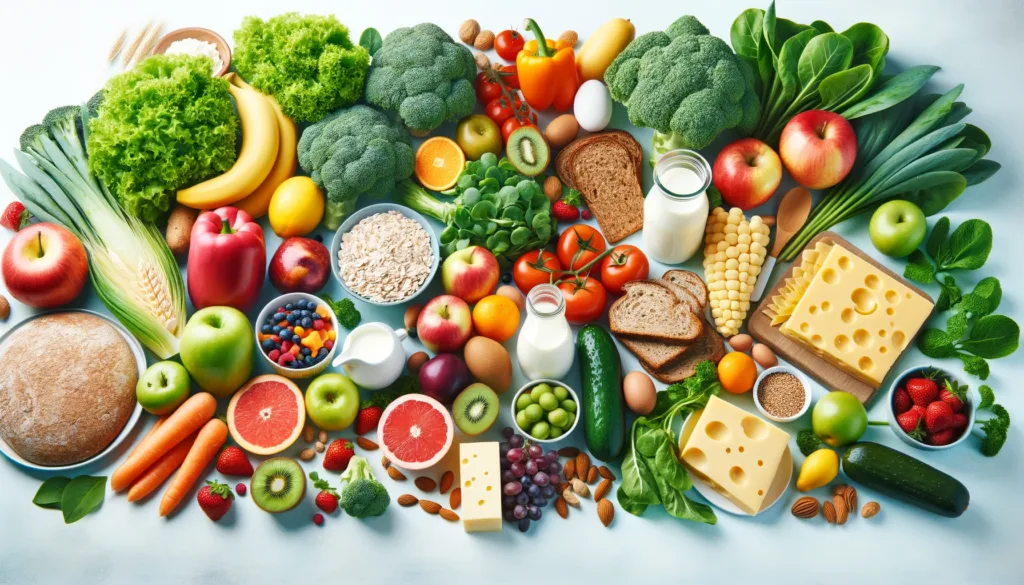
Nutrition in the 3rd trimester means drawing a nutrient-rich picture! During this period, you should focus on the various nutrients that are vital for your body and your growing baby. So, what are these nutrients and what are their best sources?
- Protein: The basis of muscle development and cell structure. Red meat, chicken, fish, eggs, legumes and dairy products are rich in protein.
- Carbohydrates: Your source of energy! Whole grains, fruits, vegetables, and legumes provide healthy carbohydrates.
- Healthy Fats: Critical for brain development. You can get healthy fats from foods like avocados, olive oil, nuts, and seeds.
- Calcium: Important for bone health. Milk, yogurt, cheese and green leafy vegetables are rich in calcium.
- Iron: Necessary for blood cell production. Red meat, chicken, fish, green leafy vegetables, and dried fruits are good sources of iron.
- Folic Acid: It’s important for the development of your baby’s nervous system. Green leafy vegetables, orange juice and grain foods are rich in folic acid.
- Vitamins and Minerals: A variety of vegetables and fruits provide the vitamins and minerals your body needs.
Nutrition in the 3rd trimester is possible with a balanced consumption of these essential nutrients. Remember, creating a colorful and varied plate is the best way to have a healthy pregnancy process!
Daily Calorie and Nutrient Needs
During the third trimester of pregnancy, the amount of nutrients and calories your body and your developing baby need increases. During this period, your “3rd trimester nutrition” plan should be adjusted to meet these increased needs. However, this does not mean ‘eating more’, it means ‘eating more consciously’. So, how to adapt to their daily calorie and nutrient needs?
- Calorie Needs: In the third trimester, it’s usually enough to increase your daily calorie intake by about 200–300 calories compared to the pre-pregnancy period. However, this may vary depending on your individual health situation and your doctor’s recommendations.
- Protein: Consuming about 70-100 grams of protein per day contributes to the healthy growth of your baby.
- Calcium: About 1000 mg of calcium per day is important for bone health. To meet this amount, it may be beneficial to consume 3-4 servings of dairy products per day.
- Iron: The need for iron also increases, and a daily iron intake of around 27 mg is recommended. Iron supplements can help meet this need.
- Folic Acid: Getting at least 600-800 mcg of folic acid daily is critical for the development of the baby’s nervous system.
- Water: Adequate hydration is crucial. Drinking at least 8-10 glasses of water a day is essential for the health of both you and your baby.
Nutrition in the 3rd trimester should be planned taking into account these increased needs. Regularly consuming balanced and varied foods will support the health of both you and your baby.

Healthy Snack Ideas for Nutrition in the 3rd Trimester
In the third trimester of pregnancy, snacks provide great opportunities not only to suppress hunger, but also to get the nutrients you need throughout the day. Healthy snacks in your “3rd trimester nutrition” routine will both keep your energy levels high and provide essential nutrients. Here are a few healthy snack ideas:
- Yoghurt and Fruits: You can get both protein and vitamins by mixing seasonal fruits with a bowl of yogurt.
- Smoothie: A smoothie with banana, spinach, milk/yogurt and a pinch of chia seeds is an energizing and nutritious option.
- Pumpkin or Apple Slices and Peanut Butter: It’s both a sweet and healthy snack. Peanut butter provides extra protein.
- Whole Grain Crackers and Cheese: A perfect combination for protein and carbohydrate balance.
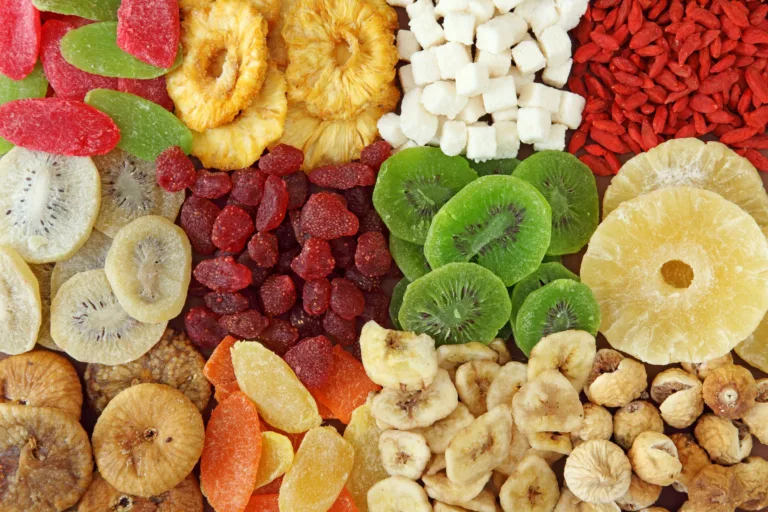
- Nuts and Dried Fruits: Blends like walnuts, almonds, and raisins provide healthy fats and energy.
- Fresh Veggie Sticks and Hummus: It’s both delicious and nutritious. Vegetables provide fiber, while hummus provides protein.
- Granola Bars: Homemade or sugar-free natural granola bars are an easy and healthy option.
These healthy snacks add color and variety to your eating plan during the 3rd trimester. Remember, when choosing your snacks, it’s important to consider their nutritional value and the calories they contain for the health of both you and your baby.
Common Problems with Nutrition in the 3rd Trimester and Nutrition Tips
Here are some common problems that can be encountered in the 3rd trimester and nutritional tips to help you deal with these problems:
- Anemia: Anemia is common, especially due to iron deficiency. It is important to add iron-rich foods such as red meat, fatty fish, beans, lentils, chickpeas, and iron-enriched breakfast cereals to your diet.
- Heartburn (Reflux): To alleviate heartburn , it is recommended to eat smaller meals, take a walk after eating, and avoid fatty and spicy foods.
- Fatigue: Opt for whole-grain and fruit/vegetable-based snacks instead of sweet foods to ease fatigue. Rye crackers, for example, are great with cheese or with vegetables and hummus dip.
- Frequent Urination and Urinary Incontinence: Doing Kegel exercises to strengthen the pelvic floor muscles can help alleviate frequent urination problems.
- Constipation and Hemorrhoids: Drinking plenty of water, exercising safely, consuming high-fiber foods (such as whole grains, bran, plums), and avoiding standing or sitting for long periods of time can alleviate hemorrhoid problems.
- Sleep Problems: To alleviate sleep problems , it is recommended to consume high-carbohydrate snacks (such as crackers, fruit or toast and jam) and sleep on your side.
- Dyspnea: Keeping your back straight and relaxing your shoulders can help deal with shortness of breath.
- Skin Problems (Itchy Abdomen and Stretch Marks): By moisturizing your skin and using mild soaps, you can relieve itching and reduce the formation of stretch marks .
These problems and recommendations are related to common situations that can be encountered in the third trimester of pregnancy. If you have any questions or concerns, you should consult with your healthcare provider.

When to Get Support from a Doctor?
In the third trimester of pregnancy, some conditions may require you to contact your doctor. Here are some suggestions for these situations:
- Abnormal Symptoms: Contact your doctor immediately if you notice symptoms such as abnormal bleeding, severe headache, vision problems, abdominal pain, severe nausea or vomiting, burning or pain when urinating.
- Change in Baby Movements: If you notice a decrease or change in your baby’s movements, it’s important to check it out.
- Signs of Fluid Leakage or Premature Birth: If you notice amniotic fluid leakage or signs of preterm labor (regular contractions, contractions, etc.), consult your doctor immediately.
- Severe Edema (Swelling): If you notice severe swelling in the hands or face, this may be a sign of preeclampsia and should be evaluated immediately.
- Chronic Diseases: If you have chronic diseases such as diabetes and high blood pressure and have difficulty controlling these diseases, you should talk to your doctor.
- Psychological State: If you are experiencing emotional or mental health issues, such as depression or extreme anxiety, it is important to seek professional support for this as well.
What should always be remembered is that your doctor’s guidance and recommendations are important for your pregnancy to proceed in a healthy and safe way. In any situation where you are uncertain or have concerns, it is best to contact your doctor without hesitation.
A Sample Daily Menu for Nutrition in the 3rd Trimester
A sample daily menu should include balanced and varied foods to meet the nutrients needed in the third trimester of pregnancy. Here’s an example:
- Breakfast: A high-protein option, for example, is two eggs and whole wheat bread.
- Lunch: A nutritious choice, for example, chicken salad wraps.
- Snack: Energizing and nutritious, for example, slices of cheese or apple peanut butter.
- Dinner: A balanced option is vegetable, chicken or turkey tacos, for example.
This menu should be planned to include protein, fruits and vegetables at every meal and should be balanced with the consumption of whole grains and adequate water.
Conclusion: Nutrition in the 3rd Trimester
3rd day of pregnancy. Nutrition during the trimester is vital for the health of both you and your baby. A balanced and varied diet is fundamental to meet the increased nutritional and energy needs during this period. Adequate hydration, as well as foods containing protein, carbohydrates, healthy fats, vitamins, and minerals, are important parts of a healthy pregnancy process. Consulting your doctor with any health problems or concerns will be your guide on a healthy pregnancy journey. Making informed choices about nutrition during this period are the cornerstones for a healthy pregnancy and a healthy baby.
Frequently Asked Questions About Nutrition in the 3rd Trimester
How many calories should I eat in the third trimester?
In the third trimester, you need 450 calories in addition to your basic daily calorie and protein needs.
What Foods Should I Avoid During Pregnancy?
You should avoid foods that contain high mercury, such as fish, unpasteurized dairy products, raw or undercooked meat, poultry, fish, or seafood.
Which Foods Should Be Consumed in the Third Trimester?
Foods such as fruits, lentils, raw and vegetable salad, seeds and nuts, bean toast prepared with whole grain bread and avocado salad should be consumed.
Why Is Protein Important in the Third Trimester?
Protein is essential for expanding blood volume and growth of maternal and fetal tissues. Adequate protein intake is important for optimal growth and weight of the baby.
Is It Necessary To Eat Frequently In The Third Trimester?
Consuming three small, balanced meals and three light and healthy snacks at all stages of pregnancy, including the third trimester, helps ensure adequate nutrition for the mother and fetus.
How Much Is My Daily Water Need?
During pregnancy, it is recommended to drink at least 8-10 glasses of water a day. Water is very important for the health of both you and your baby.
Resources: