Useful Winter Fruits and Vegetables During Pregnancy
Winter fruits and vegetables that are beneficial during pregnancy open the doors to the world of nutrition for mothers during this special and sensitive period. Pregnancy is a process that further increases the importance of a balanced and nutritious diet for the health of both mother and baby. Especially in winter, the rich and nutritious variety of fruits and vegetables offered by nature helps pregnant women to meet the vitamins and minerals they need naturally.
In this article, we will discuss in detail the winter fruits and vegetables recommended to be consumed during pregnancy and examine the benefits of these foods. Thus, we aim to help you make the healthiest choices for both you and your baby.
Useful winter berries during pregnancy

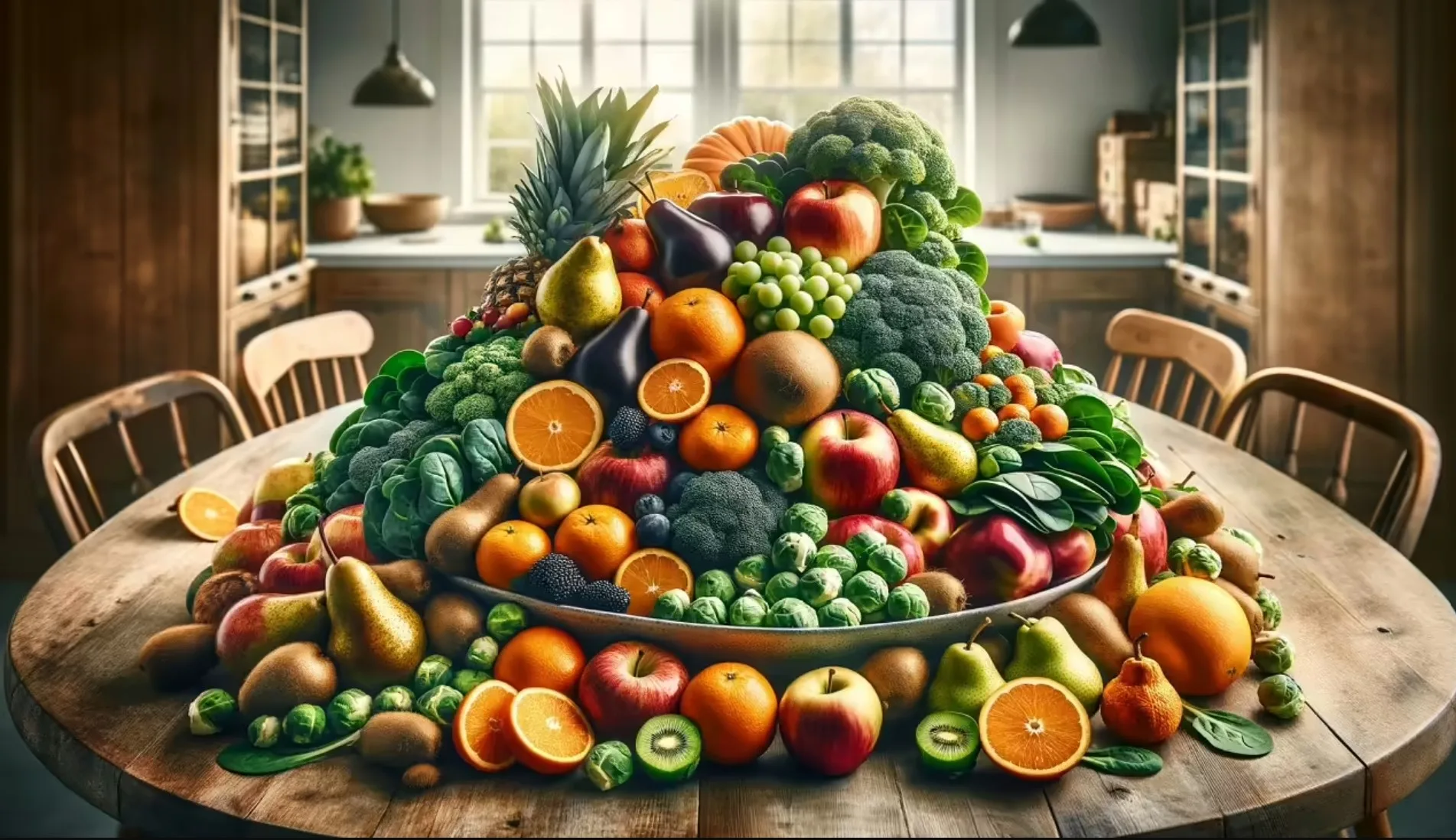
Beneficial winter fruits during pregnancy play a key role in meeting the health and nutritional needs of both you and your baby during your waiting period. The winter season is packed with many nutritious and vitamin-rich fruits, making them an ideal source of nutrients during pregnancy. In this section, we’ll take a detailed look at the best winter fruits that you can consume during a winter pregnancy .
- Apple: Apples are an excellent winter fruit that is both readily available and rich in vitamin C, potassium, and dietary fiber. In addition, it can help against the problem of constipation, which is common during pregnancy.
- Oranges and Tangerines: Rich in vitamin C , these fruits help strengthen the immune system and increase iron absorption during pregnancy. It’s also great for hydration because of its high water content.
- Kiwi: Kiwifruit is a fruit rich in folate and is critical for the healthy development of babies. It is also rich in vitamin C and fiber.
- Pears: Rich in fiber , pears support digestive health and help against constipation problems that may occur during pregnancy.
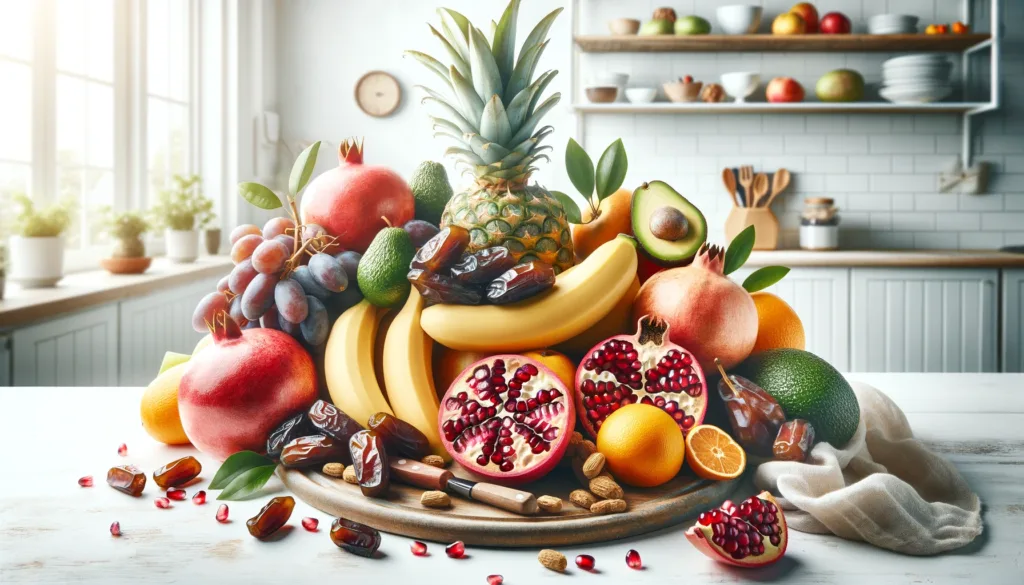
- Pomegranate: Pomegranate is rich in antioxidants and helps meet the increased need for antioxidants during pregnancy. In addition, thanks to its folate content, it contributes to the healthy development of the fetus.
- Quince: Quince is rich in vitamin C and fiber. It supports the immune system and contributes to digestive health. In addition, it can help relieve nausea and stomach upsets during pregnancy.
- Grapefruit: Grapefruit is rich in vitamin C and potassium. It helps regulate blood pressure and strengthens the immune system. However, it is recommended to consult your doctor before consuming it, as it may interact with some pregnancy medications.
- Cornelian cherry: Cranberries are rich in vitamin C and vitamin E. It can also help prevent urinary tract infections, which is a common problem during pregnancy.
- Bananas: Bananas are rich in potassium and can help relieve muscle cramps that can occur during pregnancy. In addition, it can reduce nausea with its vitamin B6 content.
- Avocados: Avocados are rich in healthy fats and folate. These nutrients are important for the health of the mother and contribute to the development of the baby’s brain and spinal cord.
- Dates: Dates contain energizing natural sugars, fiber, and various minerals. In addition, thanks to its natural sugar content, it meets the need for sweets during pregnancy in a healthy way.
- Pineapple: Pineapple contains an enzyme called bromelain and can make it easier to digest. It is also rich in vitamin C, but in some cases of pregnancy it is recommended to consume it on the advice of a doctor.
Useful winter vegetables during pregnancy
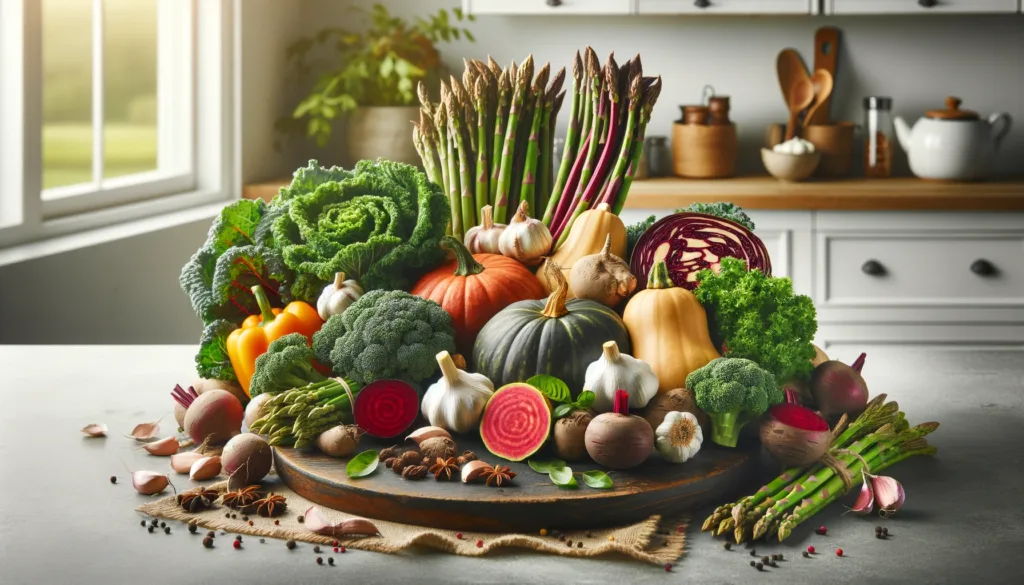
Winter vegetables that are beneficial during pregnancy provide the nutrients needed by expectant mothers and their babies, helping them to spend this special period in a healthier and more balanced way. The winter season is rich in nutritious vegetables, full of various vitamins and minerals. In this section, we’ll look at winter vegetables that are particularly useful during pregnancy and the benefits they provide.
- Spinach: Spinach is rich in iron, folate, and vitamin K. Iron promotes increased blood volume during pregnancy, while folate is critical for infants’ nervous system development.
- Broccoli: Rich in calcium, folate and vitamin C, broccoli supports bone health and strengthens the immune system.
- Brussels sprouts: Packed with high fiber content and vitamins, Brussels sprouts support digestive health and help meet nutrient needs during pregnancy.
- Zucchini and Pumpkin: Packed with vitamins A and C, zucchini and pumpkin support eye health and the immune system. In addition, they are ideal for a healthy diet due to their low calorie content.
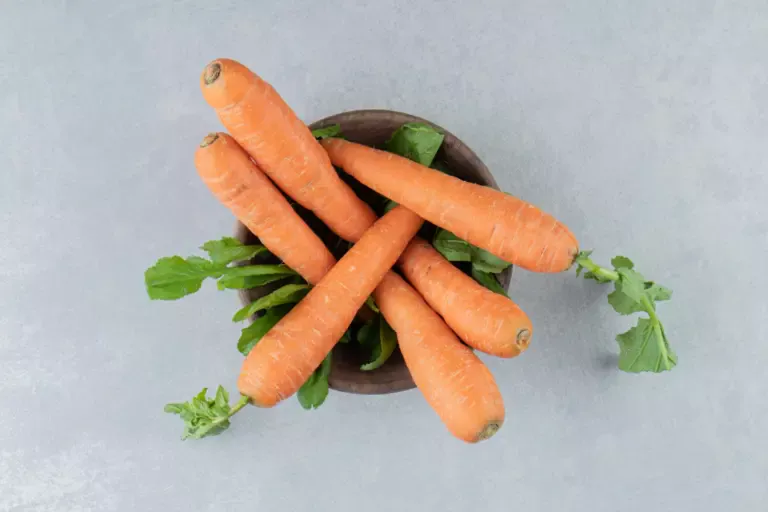
- Carrot: Carrots, which are rich in vitamin A, support eye health and the immune system. In addition, it regulates the digestive system with its fiber content.
- Beet: Rich in iron, folate, and antioxidants, beets help improve blood health and boost energy levels.
- Cabbage: Cabbage is rich in vitamin C and fiber. With its antioxidant properties, it strengthens the immune system and facilitates digestion.
- Celery: Rich in potassium and fiber, celery can help reduce the risk of high blood pressure and supports the digestive system.
- Jerusalem artichoke: A good source of prebiotics, Jerusalem artichoke supports healthy gut flora and is beneficial for digestive health.
- Leeks and Onions: Leeks and onions contain antioxidants and anti-inflammatory properties. It strengthens the immune system and is beneficial for overall health.
- Collard greens: Collard greens are rich in vitamins A, C, and K and are a powerful source of antioxidants. It may help reduce the risk of anemia by increasing iron absorption during pregnancy.
- Winter Squash: Winter squash is high in beta-carotene (a precursor of vitamin A) and supports eye health. In addition, it helps to improve the digestive system with its fiber content.
- Asparagus: Asparagus is rich in folate and vitamin K, which contributes to the development of the baby’s nervous system during pregnancy.
- Artichoke: Containing fiber, folate, and vitamin C, artichokes support digestive health and increase their overall nutritional value.
- Red Beetroot: Red beets are rich in iron and folate. By supporting blood formation, it helps prevent iron deficiency anemia that can occur during pregnancy.
- Garlic: Garlic has antioxidant and anti-inflammatory properties. It can help strengthen the immune system.
Healthy Recipes You Can Prepare with Winter Fruits and Vegetables
Useful winter fruits and vegetables during pregnancy are an excellent basis for preparing nutritious and tasty meals. In this section, we will include healthy recipes that will support the health of both mothers and babies and that you can easily prepare using fruits and vegetables found in the winter season. In addition to adding flavor and variety to your diet, these recipes will also ensure that you get the necessary nutrients.
Porridge with apples
- Ingredients: Oats, chopped apples, cinnamon, a small amount of honey or maple syrup.
- Preparation: Cook the oats in hot water, add the chopped apple and cinnamon. You can use a small amount of honey or maple syrup to sweeten it.
Spinach Omelet
- Ingredients: Eggs, fresh spinach leaves, a small amount of grated cheese, olive oil.
- Preparation: Beat the eggs and cook in a lightly oiled pan, add the spinach leaves and grated cheese.
Steamed Vegetables with Broccoli and Carrots
- Ingredients: Broccoli heads, chopped carrots, olive oil, lemon juice.
- Preparation: Steam the vegetables, drizzle with a little olive oil and lemon juice.
Pomegranate Yogurt Dessert
- Ingredients: Yogurt, fresh pomegranate seeds, honey or maple syrup.
- Preparation: Place the yogurt in a bowl, sprinkle with pomegranate seeds and add honey or maple syrup to taste.
Zucchini Soup
- Ingredients: Chopped zucchini, onion, garlic, vegetable broth, cream.
- Preparation: Sauté the onion and garlic, add the chopped zucchini and vegetable stock. After baking, puree and add cream.
These recipes can make your pregnancy process more enjoyable by offering options that are both healthy and delicious. In addition, you can change and vary the ingredients in these recipes to your own taste.
Frequency and Amount of Fruit and Vegetable Consumption During Pregnancy
Consuming beneficial winter fruits and vegetables during pregnancy is extremely important for the health of the expectant mother and her baby. However, it is necessary to adopt a balanced approach to how often and how much these foods should be consumed. In this section, we will focus on the ideal frequency and amount of fruit and vegetable consumption during pregnancy.
Daily Fruit Consumption
- The general recommendation for pregnant women is to consume at least 2-3 servings of fruit per day. One serving is approximately equal to one medium-sized fruit, half a cup of fresh juice, or a cup of fresh fruit salad.
- Spreading fruit consumption throughout the day helps keep blood sugar in balance.
Daily Vegetable Consumption
- Daily consumption of vegetables during pregnancy should be at least 3-5 servings. A serving of vegetables is approximately one cup of raw leafy green vegetables or half a cup of cooked vegetables.
- Diversifying vegetables ensures the intake of different nutrients.
Balanced Consumption Tips
- Color diversity means food diversity. Try to include fruits and vegetables of different colors in your diet.
- Excessive consumption of fruits during pregnancy, especially those with a high sugar content, can cause unwanted fluctuations in blood sugar levels. Therefore, it is important to keep the amount of fruit consumed in balance.
Exceptions and Considerations
- Certain pregnancy conditions or health conditions can affect your consumption of fruits and vegetables. For example, in conditions such as gestational diabetes, it is important to follow your doctor’s recommendations.
- It is important to wash fruits and vegetables thoroughly before consuming them to remove possible harmful substances.
Conclusion: Pregnancy and a Balanced Diet
A balanced and healthy diet during pregnancy is extremely important for the health of both mother and baby. Studies show that adequate consumption of fruits and vegetables during pregnancy can positively affect the birth weight of babies and reduce the risk of low birth weight. In particular, a study conducted in developed countries found that low vegetable consumption increased the risk of small gestational births (odds ratio 3.1; 95% confidence interval 1.4-6.9; P=0.01) and that an increase in fruit consumption increased birth weight (10.4 g for each quintile increase; P<0.0001). These data highlight the importance of a balanced consumption of various fruits and vegetables during pregnancy. (Source: PubMED)
Frequently Asked Questions
What winter fruits should be consumed during pregnancy?
Fruits rich in vitamin C, potassium and folate, such as apples, oranges, tangerines, kiwi and pears, should be consumed during pregnancy.
What winter vegetables to eat during pregnancy?
Vegetables rich in iron, folate, and vitamin A, such as spinach, broccoli, Brussels sprouts, zucchini, and carrots, are recommended during pregnancy.
What are the benefits of consuming fruits and vegetables during pregnancy?
Consumption of fruits and vegetables provides essential vitamins and minerals during pregnancy, strengthens the immune system and promotes proper nutrition.
How many servings of fruits and vegetables should pregnant women consume per day?
Pregnant women should consume at least 2-3 servings of fruit and 3-5 servings of vegetables per day, which is important for overall health and a balanced diet.
What should be considered when consuming fruits and vegetables during pregnancy?
It is important to wash fruits and vegetables thoroughly before consuming them. Also, excessive consumption of fruits with high sugar content should be avoided.