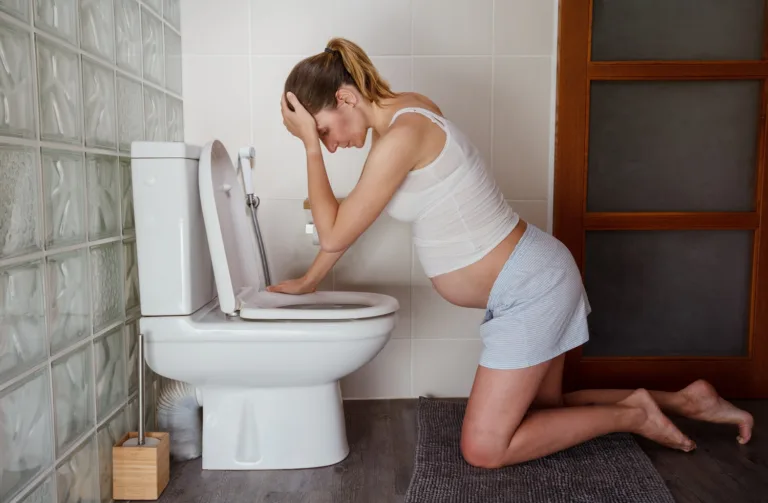
What Causes Heart Palpitations During Pregnancy?
Pregnancy; It is a time of miraculous changes, unexpected sensations, and new beginnings. However, this process can also be a harbinger of unexpected guests in your body: heart palpitations. Perhaps you suddenly found yourself accompanied by the rapid beating of your heart. Don’t worry; Heart palpitations can be a natural part of pregnancy. In this article, we will explain step by step the causes of heart palpitations during pregnancy, how they can be alleviated and when you should seek professional help. Get ready to listen to the song of the pregnant heart; Because this is the melody of a loving adventure for both you and your little companion.
Causes of heart palpitations during pregnancy
Pregnancy is one of the most important periods of life, and many changes occur in your body during this period. One of them is the heart palpitations experienced by many expectant mothers. So, what are the underlying causes of these palpitations?
One of the causes of heart palpitations during pregnancy is an increase in the amount of blood in the expectant mother. Your body produces about 20-25% more blood to meet your baby’s oxygen and nutrient needs. This increased blood volume requires your heart to work faster, and sometimes this can be felt as palpitations.
In addition, fluctuations in pregnancy hormones can also affect your heart rate. Increased progesterone levels can naturally increase the heart’s beating rate. In the later stages of pregnancy, shortness of breath and therefore heart palpitations may also occur as a result of the growing uterus pressing on the diaphragm.
Iron deficiency anemia during pregnancy can also cause heart palpitations. Your need for iron increases due to the increased amount of blood in your body, and if you don’t get enough iron, this can put additional strain on your heart.
In addition, stress, fatigue, excessive caffeine consumption, or side effects of certain medications can also lead to heart palpitations. While these symptoms are usually harmless, if they are accompanied by additional symptoms such as chest pain, fainting, or tightness, it is important to contact a healthcare provider immediately.
Although heart palpitations are common during pregnancy, the symptoms you experience and their intensity can vary from person to person. If these symptoms worry you or prevent you from doing your normal activities, it’s best to consult a healthcare professional. Remember that every change in pregnancy is a message to be heeded for the health of you and your baby.
Heart Palpitations and Iron Deficiency During Pregnancy
During pregnancy, the need for iron also increases due to increased blood volume. Iron is an essential component in the body’s production of red blood cells, and these cells carry oxygen throughout the body. Because iron deficiency anemia is a condition in which not enough red blood cells are produced, pregnant women are particularly vulnerable to this condition. Anemia requires the heart to work harder because when there are fewer red blood cells, the amount of oxygen that each cell has to carry increases. This can lead to accelerated heartbeats and therefore palpitations.
Symptoms of anemia due to iron deficiency include pale skin, fatigue, dizziness, and a general feeling of weakness. If you’re experiencing any of these symptoms during pregnancy, your doctor will likely perform blood tests and recommend iron supplements if necessary. Pregnant women are advised to include iron-rich foods in their diet, such as red meat, green leafy vegetables, and legumes, to meet their iron requirements.
If you are experiencing heart palpitations and showing signs of iron deficiency anemia, it is important to consult a healthcare professional. If this happens, taking iron supplements recommended by your doctor and paying attention to your diet is vital to protect the health of both you and your baby. In this way, you can both alleviate heart palpitations and continue your pregnancy in a more comfortable and healthy way.
Methods for relieving heart palpitations during pregnancy
There are several methods you can use to relieve heart palpitations during pregnancy. These methods usually include lifestyle changes and some practical solutions.
- Regular Light Exercise: Engage in light exercise, such as walking, to support your heart health, but don’t forget to talk to your doctor before starting each new exercise routine.
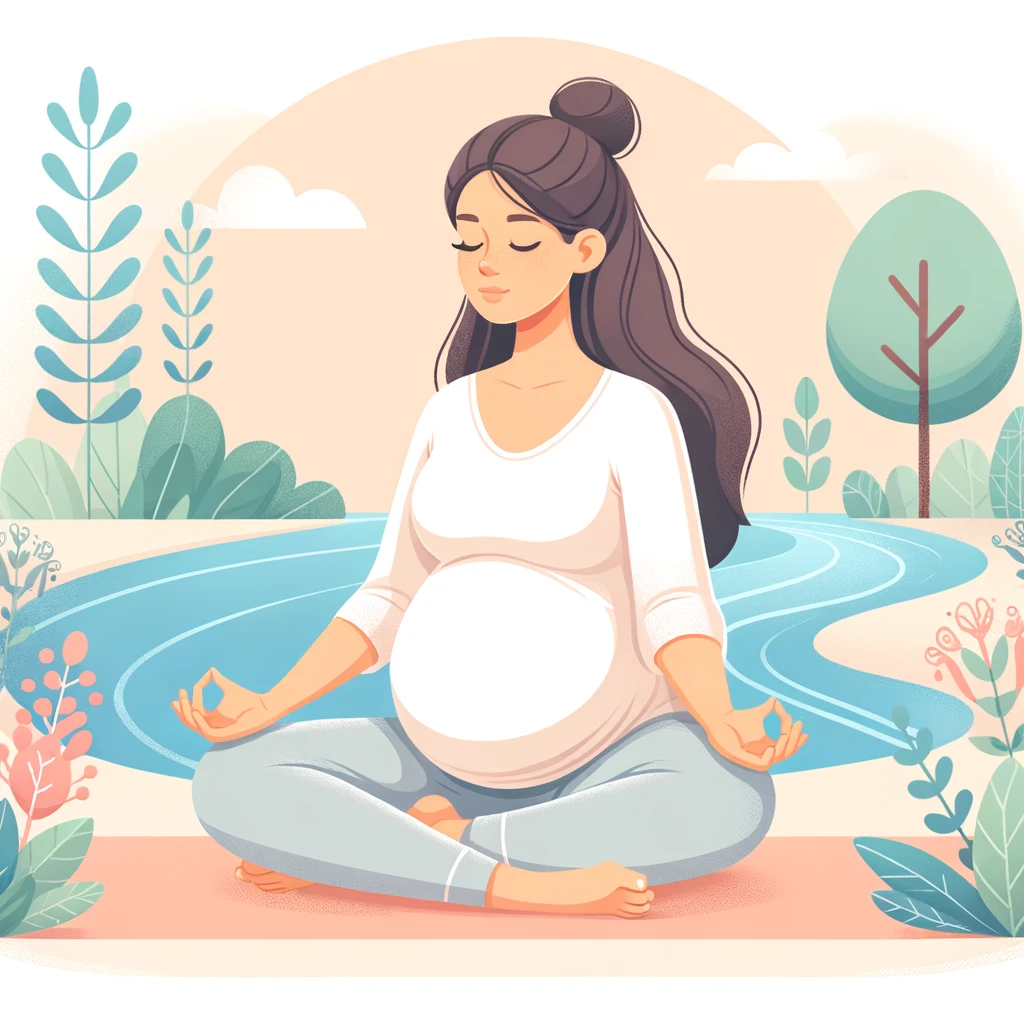
- Stress Management: Try relaxation techniques such as yoga, meditation, or deep breathing exercises . These methods can both reduce your stress and regulate your heart rate.
- Pay attention to nutrition: Avoid caffeine, sugar, and processed foods. A balanced diet can help prevent heart palpitations and protect your overall health.
- Adequate Sleep: During pregnancy, your body needs extra rest. A good night’s sleep is important for your heart health.
- Pay attention to fluid intake: Consuming enough fluids can optimize blood volume and ease the burden on your heart. However, adjust your fluid intake by following your doctor’s recommendations.
- Vitamin and Mineral Supplements: With the recommendation of your doctor, you can take supplements containing essential vitamins and minerals, especially iron. This helps treat conditions such as anemia in particular and can reduce heart palpitations.
When is heart palpitations dangerous during pregnancy?
Heart palpitations during pregnancy are usually harmless and occur only as a result of normal changes in the body. But in some cases, heart palpitations can be a sign of a more serious problem. Here are some situations in which heart palpitations are dangerous:
- Persistent heart palpitations: If heart palpitations persist for a long time or recur regularly, you should consult a healthcare professional.
- Other symptoms that accompany palpitations: When other symptoms, such as chest pain, fainting, severe dizziness, shortness of breath, or difficulty speaking, are combined with heart palpitations, you may need to seek medical attention immediately.
- Altered Palpitation Patterns: If you notice a change in the rhythm of your heartbeat or experience an increase in the frequency or severity of your palpitations, this could be a warning sign.
- Heart Problems Before Pregnancy: This is especially important if you had existing heart conditions before pregnancy and are experiencing heart palpitations. Contact your doctor to see if your current conditions are getting worse.
- Additional Factors: Women with existing health conditions, such as high blood pressure, diabetes, or thyroid disorders, should be more careful about heart palpitations.
Remember that it’s normal to experience heart palpitations during pregnancy, but if you experience any of the above symptoms, contact a healthcare provider right away for your health and your baby’s safety1. Early detection and treatment can prevent potentially serious health problems.
Heart Palpitations and Shortness of Breath During Pregnancy
Heart palpitations and shortness of breath are among the common conditions during pregnancy. However, some precautions can be taken to prevent the occurrence of this pregnancy symptom or to reduce its severity:
- Regular and Balanced Nutrition: A balanced diet ensures that your body gets the nutrients it needs. Consuming foods that contain adequate amounts of iron, protein, and vitamins helps both prevent anemia and support your heart health.
- Doing Light Exercises: Light exercises such as swimming and walking help your heart work in a healthier way. However, it’s important to plan your exercise routine with your doctor.
- Adequate Water Consumption: It’s important to drink enough water to ensure that your body fluids stay balanced. This can help your blood circulation function properly and reduce heart palpitations.
- Reducing Stress: Stress during pregnancy can trigger both heart palpitations and shortness of breath. Practicing stress-reducing activities and relaxation techniques can alleviate these symptoms.
- Adequate Rest and Sleep: Your body needs extra rest during pregnancy. Getting a good night’s sleep and taking short rest breaks during the day can help regulate your heart rate.
- Limiting Caffeine Intake: Caffeine can increase your heart rate. Therefore, reducing your consumption of tea and coffee may be beneficial.
- Avoiding Smoking and Alcohol Use: These substances are harmful to both you and your baby’s health and can worsen heart palpitations and shortness of breath.
- Avoiding heavy lifting: Lifting heavy things can both put extra stress on the heart and trigger shortness of breath.
Pregnancy is one of the periods when you experience significant changes in your body and life, and some new sensations, such as heart palpitations, are normal during this period. However, as mentioned in this article, steps can be taken to manage these symptoms and minimize potential discomfort. Eating a balanced diet, adequate hydration, exercising regularly, managing stress, and paying attention to sleep patterns are all important for the health of both you and your baby.
Heart palpitations and shortness of breath can be worrisome during pregnancy, but they are usually harmless and easily manageable. If your symptoms bother you or you have any concerns, contacting your doctor is the best approach. Remember, health professionals are there to ensure that you and your baby have a healthy pregnancy and are always ready to provide support and guidance.
Finally, the information contained in this article is designed to help women who experience heart palpitations during pregnancy understand these symptoms and become aware of how to deal with them. Every pregnancy is unique, and you should work one-on-one with your doctor to determine what’s best for your individual health situation. Taking care of your health on this exciting journey will give you and your baby the best start.
Heart Palpitations During Pregnancy (FAQs)
How long do heart palpitations last during pregnancy?
Mild heart palpitations during pregnancy are usually normal and can usually last for a few seconds to a few minutes. However, if the palpitations last a long time or bother you, it is important to consult your doctor.
What are the foods that are good for heart palpitations during pregnancy?
Foods rich in iron, magnesium, and potassium can help support heart health. It will be beneficial to include foods such as green leafy vegetables, legumes, dried fruits and whole grains in your diet.
What types of exercises are suitable for heart palpitations during pregnancy?
Light to moderate exercise is recommended during pregnancy, especially walking, swimming or pregnancy yoga. However, keep in mind that you need to get your doctor’s approval before starting any exercise program.
When to go to the doctor for heart palpitations during pregnancy?
If heart palpitations are accompanied by other symptoms such as chest pain, severe dizziness, shortness of breath or fainting, or if they recur frequently, you should contact your doctor immediately.
Can stress trigger heart palpitations?
Yes, stress can trigger heart palpitations by causing various reactions in your body. Practicing stress management techniques and relaxation methods can help prevent heart palpitations.