1 of pregnancy. Nutrition in the Week
The 1st week of pregnancy actually refers to the period when a pregnancy does not actually begin. This is the first week of the woman’s menstrual cycle, and it is during this period that a fertilized egg attaches to the uterus. However, if pregnancy is planned or if there is a suspicion of pregnancy, a healthy lifestyle and nutrition are important from this week onwards.
1 of pregnancy. How Should Nutrition Be During the Week?
Important points to consider about nutrition in the 1st week of pregnancy are as follows:
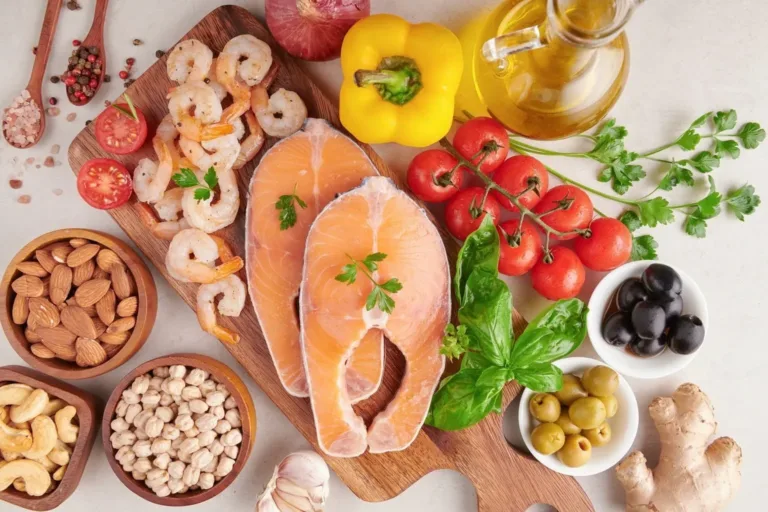
- Balanced Diet: It is important to eat a balanced diet from all food groups. This encompasses a diet that includes proteins, carbohydrates, fats, vitamins, and minerals.
- Folic Acid: It’s important to increase your intake of folic acid, a vitamin that can help prevent neural tube defects. Therefore, the consumption of green leafy vegetables, citrus fruits, whole grains and legumes should be encouraged. At the same time, folic acid supplementation can be started with the recommendation of the doctor.
- Calcium and Vitamin D: Dairy products such as milk, yogurt and cheese should be consumed for bone health. Sun exposure for vitamin D is also beneficial.
- Iron: Consuming iron sources, especially red meat, chicken, fish, legumes, and green leafy vegetables, can help prevent anemia.
- Adequate Water: It is important to meet the body’s water needs. At least 8-10 glasses of water should be drunk per day.
If pregnancy is planned, it is beneficial for a woman to start eating healthy at this early stage, both for her own health and for a possible pregnancy. It can also be very helpful to get nutritional guidance from a dietitian or doctor during the pregnancy planning process.
Foods to Avoid and Bad Habits:
To be prepared for a possible pregnancy, it is useful to avoid certain foods and habits during this period as well. Here are the foods and bad habits to avoid in nutrition during the 1st week of pregnancy:
- Alcohol: Alcohol can cause fetal alcohol spectrum disorders (FASD). This can cause learning difficulties, behavioral problems, and some physical abnormalities in the baby.
- Caffeine: Excessive caffeine consumption can increase the risk of miscarriage. Try not to consume more than 200–300 mg of caffeine per day.
- Raw or Undercooked Foods: Raw or undercooked seafood, eggs, and meat products can cause infections such as listeriosis or salmonella.
- Unpasteurized Milk and Dairy Products: These products carry the risk of an infection caused by listeria bacteria.
- High Mercury Content Fish: High mercury content fish, such as king mackerel, shark, swordfish, and tuna, can have negative effects on the development of the nervous system of the fetus.
- Smoking: Smoking can cause low birth weight, premature birth, and many other complications.
- Drugs and Certain Medications: Avoid using any medications, herbal supplements, or drugs without a doctor’s advice.
- Supplements and Foods with High Vitamin A Content: Excessive amounts of vitamin A can cause birth defects. In particular, liver and fish oil supplements may contain high amounts of vitamin A.
- Cat Feces and Raw Soil: These materials carry the risk of infection caused by a parasite called toxoplasmosis.
- Heavy Physical Activity and Certain Exercises: Excessive physical activity or potentially dangerous exercises can increase the risk of miscarriage.
1 of pregnancy. Nutrition of the Week – The Importance of Folic Acid
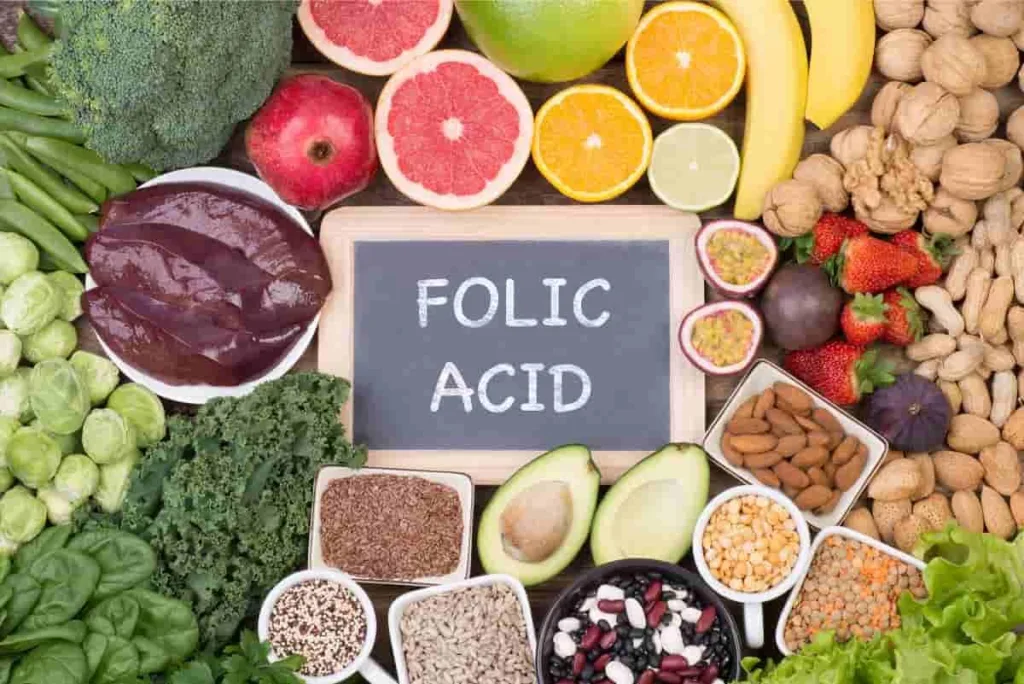
Folic acid is a type of B vitamin that is especially important to take before pregnancy and early in pregnancy. The importance of folic acid in the nutritional point of the 1st week of pregnancy is emphasized for the following reasons:
- Preventing Neural Tube Defects: Folic acid can help prevent the formation of neural tube defects (NTDs) in the fetus. The neural tube is the structure that forms the brain and spinal cord in the baby. Neural tube defects occur when the neural tube does not close completely, which can lead to serious birth defects such as spina bifida (spinal opening) and anencephaly (missing a large or all part of the brain).
- Early Formation: The neural tube is formed in the first few weeks of pregnancy. This is a time when many women don’t even know they’re pregnant yet. Therefore, it is recommended that women planning pregnancy take adequate amounts of folic acid before becoming pregnant and during the first trimester of pregnancy.
- DNA Synthesis and Cell Division: Folic acid has a critical role in DNA synthesis and cell division. This is especially important in the early stages of pregnancy, when the fetus is growing and developing rapidly.
- Blood Cell Production: Folic acid helps in red blood cell production, which is important for oxygen transport for both mother and baby.
However, what is the best way to get the right amount of folic acid?
- Diet: Green leafy vegetables, orange juice, lentils and legumes, whole grains and some grain products are foods rich in folic acid.
- Supplements: It is generally recommended that women who are pre-pregnant and in the first trimester of pregnancy take at least 400 mcg of folic acid per day. However, this amount can vary, especially for women with a history of neural tube defects in a previous pregnancy. You should talk to a healthcare professional to determine the right dosage.
In short, folic acid intake is critical for the healthy development of the fetus in the early stages of pregnancy.
A Recipe Rich in Folic Acid: Salad with Spinach and Lentils
Ingredients:
- 1 cup boiled green lentils
- 2 cups fresh spinach
- Half a red onion, finely chopped
- 1 carrot, grated
- Olive oil, lemon juice, salt and pepper
Construction:
- Wash and boil the lentils thoroughly.
- Wash and drain the spinach leaves thoroughly.
- In a large bowl, add the spinach, lentils, chopped onion and grated carrot.
- Add olive oil, lemon juice, salt and pepper and mix.
- Serve and enjoy!
This salad contains a high amount of folic acid, thanks to both lentils and spinach. However, it is important to also take folic acid supplements recommended by your doctor to fully meet your folic acid needs.