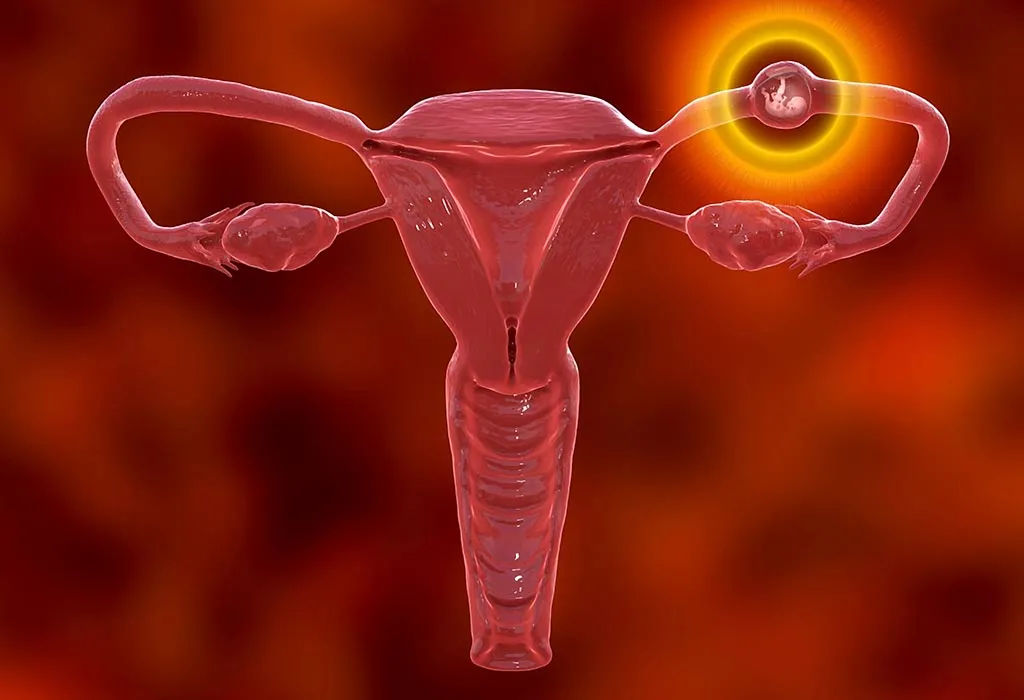
Uterine pain during pregnancy
Uterine pain during pregnancy is a condition that many expectant mothers experience and are frequently wondered about. 🤰 This special time brings with it many changes, both physical and emotional. Although the causes of uterine pain during pregnancy vary, it is usually part of a normal and expected process. However, understanding when these pains are normal and when a healthcare professional should be consulted can make the pregnancy process safer and more comfortable.
In this article, we will discuss in detail the curiosities about uterine pain during pregnancy, its causes, when it starts, treatment methods and when to consult a doctor. Being aware of uterine pain during pregnancy can make this unique journey more enjoyable. 🌸
When Does Uterine Pain Begin During Pregnancy?
Uterine pain during pregnancy can occur at different times of pregnancy, but it is usually experienced in the early stages. In most cases, women begin to experience mild cramping or discomfort in the lower abdomen during implantation (implantation ), which is usually 6 to 12 days after fertilization.
This sharp uterine pain in early pregnancy is usually a result of the uterus dilating and preparing for the growing fetus. As pregnancy progresses, the uterus continues to stretch and adapt to the developing baby, which can cause occasional discomfort during the first trimester.
Causes of Uterine Pain in Early Pregnancy
Uterine pain during pregnancy can occur in the early stages due to various factors, such as: If you think your uterus hurts early in pregnancy, understanding the various causes of uterine pain is essential to distinguish normal discomfort from potential complications and seek proper medical attention.
1. Implantation
One of the main causes of uterine pain in early pregnancy is the implantation process. When the fertilized egg attaches to the wall of the uterus, it can cause mild cramps and spotting. This is normal and expected in early pregnancy.
2. Round ligament pain
The tissues, known as round ligaments, are made up of muscles that provide support to the uterus. As the uterus expands and grows during pregnancy, these ligaments become stretched and can cause pain or discomfort on one or both sides of the lower abdomen. Round ligament pain is a common cause of uterine pain in the second trimester, but it can also be experienced earlier.
3. Gas and Constipation
Hormonal changes during pregnancy can slow digestion, which can lead to increased gas and constipation . This can cause bloating and abdominal discomfort, which can be mistaken for uterine pain. Maintaining a healthy, balanced diet along with regular exercise can help alleviate these symptoms.
4. Miscarriage or Ectopic Pregnancy
Although not as common as the previous causes, it is important to mention the potential complications. Severe or persistent uterine pain accompanied by vaginal bleeding may be a sign of miscarriage or ectopic pregnancy . In these cases, immediate medical attention is crucial.
Treatment of uterine pain in early pregnancy
It is important to note that treatment for uterine pain in early pregnancy focuses primarily on managing the discomfort, rather than eliminating the discomfort entirely. Here are some measures that can provide relief:
- Rest: Getting enough rest and avoiding strenuous activities can help relieve uterine pain.
- Heat: Applying a warm compress or taking a hot bath can help relax the uterine muscles and get rid of cramps.
- Proper Hydration: It is very important to stay hydrated during pregnancy. Drinking enough water can help reduce muscle cramps and prevent constipation.
- Light Exercise: Doing light prenatal exercise, such as yoga or walking, can promote circulation and alleviate uterine discomfort.
- Correct Body Mechanics: Maintaining good posture and using supportive pillows while resting can help relieve pressure on the uterus and reduce pain.

When Should You Be Worried?
While mild uterine pain in early pregnancy is usually normal, there are some situations where it is important to seek medical attention. Here are three points to consider:
1. Severe or Prolonged Pain
This may be a cause for concern if the pain is intense, persistent, or worsens over time. Severe cramps, especially those accompanied by heavy bleeding or other worrisome symptoms, should be addressed by a healthcare professional.
2. Vaginal bleeding
Light spotting may be normal in early pregnancy, but if it is accompanied by heavy vaginal bleeding or severe pain, it may be a sign of miscarriage or ectopic pregnancy. Medical intervention is necessary to ensure the health of both mother and baby.
3. Fainting or Dizziness
Feeling dizzy, lightheaded , or fainting along with uterine pain can be a sign of an ectopic pregnancy or other complications. Timely medical evaluation is very important to prevent the occurrence of potential complications.
When to Consult a Doctor?
Although mild uterine pain is often normal in the early stages of pregnancy, it is important to consult a doctor in some cases. Seek medical attention if you experience any of the following:
- Severe or persistent pain that does not go away with rest or other self-care measures.
- Heavy vaginal bleeding or tissue passage.
- Symptoms of fainting, dizziness, or shock.
- Fever or chills.
- Painful urination or blood in the urine.
- Pain or any other worries or worries you have about your pregnancy.
It is advisable to prioritize being mindful of your health and the well-being of your baby, as it is always preferable to err on the side of safety. Your healthcare provider can assess your symptoms, perform any necessary tests, and provide appropriate guidance and care.
You may be experiencing pain on the left side, uterine pain in the early 1st week of pregnancy, pain in the 5th week of pregnancy, or at any time. While it can certainly be uncomfortable, in most cases it is a normal part of the body’s preparation for the baby’s growth. Understanding the causes, knowing when to worry, and following appropriate self-care measures can help alleviate anxiety. However, if you have any doubts or concerns, it is important to consult with a healthcare professional for an accurate assessment. With proper care and guidance, you can get through this stage of pregnancy while ensuring the health and well-being of both you and your baby.
References/Sources:
1. Common ailments during pregnancy; Women and Infants; https://www.womenandinfants.org/services/pregnancy/pregnancy-planner
2. Young. R, Cork. K; Intermittent Ovarian Torsion in Pregnancy (CPC Emergency Medicine); National Library of Medicine; https://www.ncbi.nlm.nih.gov/pmc/articles/PMC5965408/ ; March 2017
3. FAQ: Ectopic Pregnancy; American College of Obstetricians and Gynecologists; https://www.acog.org/womens-health/faqs/ectopic-pregnancy
4. Pregnancy Gas; American Pregnancy Association; https://americanpregnancy.org/healthy-pregnancy/pregnancy-health-wellness/gas-during-pregnancy/
5. Normal size of the uterus during pregnancy; American Pregnancy Association; https://americanpregnancy.org/healthy-pregnancy/pregnancy-health-wellness/uterus-size-during-pregnancy/
6. Pregnancy ailments; Cleveland Clinic; https://my.clevelandclinic.org/health/articles/pregnancy-pains
7. Changes and disturbances in the body; Office of Women’s Health (U.S. Department of Health and Human Services); https://www.womenshealth.gov/pregnancy/youre-pregnant-now-what/body-changes-and-discomforts