How much water should you drink daily during pregnancy?
How much water should you drink daily during pregnancy? What are the benefits of drinking water during pregnancy? How do you know if you’re dehydrated? We answer all these questions for our miracle mothers.
The foods you eat during pregnancy help your baby thrive, but so does what you drink. Your need for water to support your pregnancy and baby increases, which means you need to drink more fluids. In this article, we will try to explain the question of how much water to drink daily during pregnancy.
Health benefits of water
Drinking water can be one of the simplest steps you can take towards a healthy pregnancy. Drinking enough water is very important for the health of you and your baby. The health benefits of drinking water include:
- It supports your body. Your body is made up of about three-quarters of water — which helps support digestion, regulate your body temperature, and create hormones, among many other essential functions.
- Supports your pregnancy. Your body needs more water during pregnancy for a variety of reasons, including your increased metabolism and significantly higher blood volume (which provides your baby with the oxygen and nutrients he needs to grow).
- Reduces swelling. If your feet and ankles are swollen, drinking more water can really help. Swelling can develop with not drinking enough water because your body tries to retain more fluid when it senses that it is dehydrated. (If the swelling is excessive or occurs suddenly, especially in your hands, legs, or face, contact your doctor, as this could be a sign of preeclampsia.)
- It keeps you organized. Fluids also help prevent common pregnancy problems like constipation and hemorrhoids by keeping your bowels moving and your stools soft.
- Reduces the risk of UTIs. Drinking water dilutes your urine and allows you to expel bacteria as it causes you to go to the bathroom more often, which reduces your risk of urinary tract and bladder infections.
How much water should you drink daily during pregnancy?
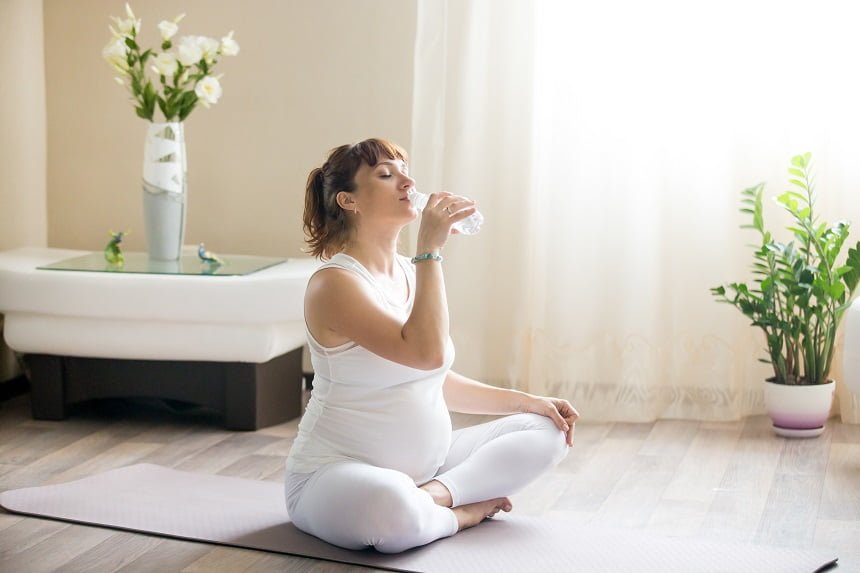
It is recommended to drink 10 – 12 glasses of water daily during pregnancy. However, this is not a strict rule. Every woman’s pregnancy process is different and her daily water needs may vary according to many variables.
Your daily water needs may vary depending on your activity levels, size, and weather. For example, you’ll likely need more fluids than usual when it’s hot outside or when you’re exercising.
Here’s the best way to tell if you’re drinking enough water during pregnancy: Your urine should look pale yellow or discolored, and you should only occasionally feel thirsty.
Plain water is the ideal drink, but you can consume it in certain quantities in milk, juice, coffee, and tea. Fruits and vegetables with high water content, such as watermelon, cucumbers, and even lettuce, also support your overall water intake.
Keep in mind that fruit juice is full of sugar and extra calories, so you should be careful when consuming it. Also, limit caffeine in coffee, tea, and sodas. Experts advise pregnant women to take no more than 200 milligrams of caffeine per day.
First trimester
Your need for water increases with pregnancy, so you may not have to think too much about how much water you drink very early on.
If morning sickness is causing you to vomit, you’ll need to keep an eye on your water intake. When you vomit, your body loses both water and electrolytes, which can quickly lead to dehydration, so drink more water than usual throughout the day.
Also, be sure to let your doctor know if you’re losing fluids due to nausea and vomiting or if it’s causing you to lose more than 5 percent of your pre-pregnancy weight. You may have hyperemesis gravidarum, a condition that may require hospitalization and IV infusions of fluids and electrolytes.
Second trimester
In the second trimester, nausea and vomiting will (hopefully) be left behind. However, as your blood volume increases, so will your water requirements – after all, more than three-quarters of the blood is water.
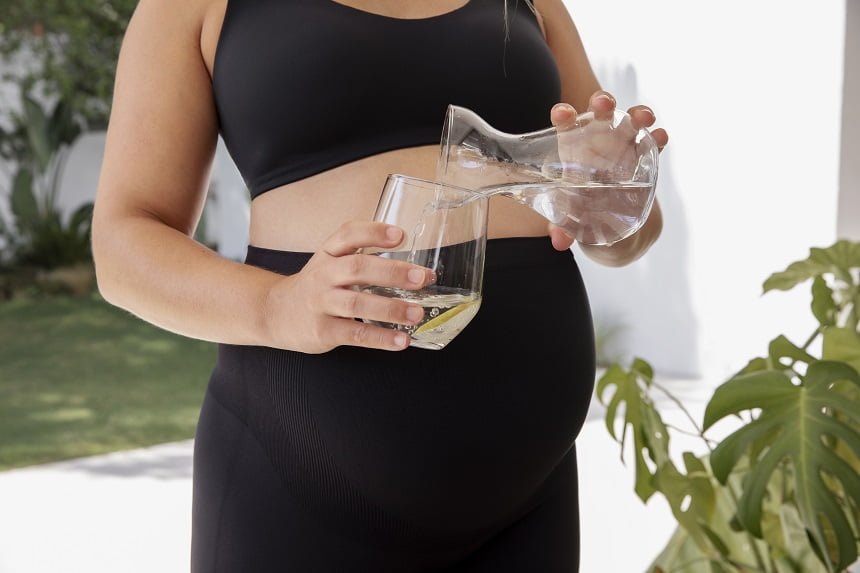
Although 10 glasses of water may seem like a high goal, you can easily reach this goal by sipping water frequently during the day. It would be wise to drink sips instead of drinking too much water at once. If you want the water, you can consume it by adding lemon or a little fruit juice to give it flavor.
Third trimester
Your blood volume peaks between 32 and 34 weeks of pregnancy and increases by 50 to 60 percent compared to pre-pregnancy levels. This makes it especially important to stay hydrated during the last trimester. Dehydration can cause Braxton Hicks contractions , which can easily be confused with true labor contractions.
Symptoms of dehydration
Knowing the signs of dehydration (dehydration) is important not only for the pregnancy process, but at all times.
Symptoms of dehydration include:
- Excessive thirst
- Get out less annoying
- Urine that appears dark yellow or straw-colored
- Fatigue, confusion, or dizziness
If you’re concerned that you may be severely dehydrated, call your doctor, especially if:
- Frequent vomiting
- Feeling confused or very sleepy
- If you have bloody or black stools or diarrhea that lasts longer than 24 hours