Baby Hiccups in the Womb
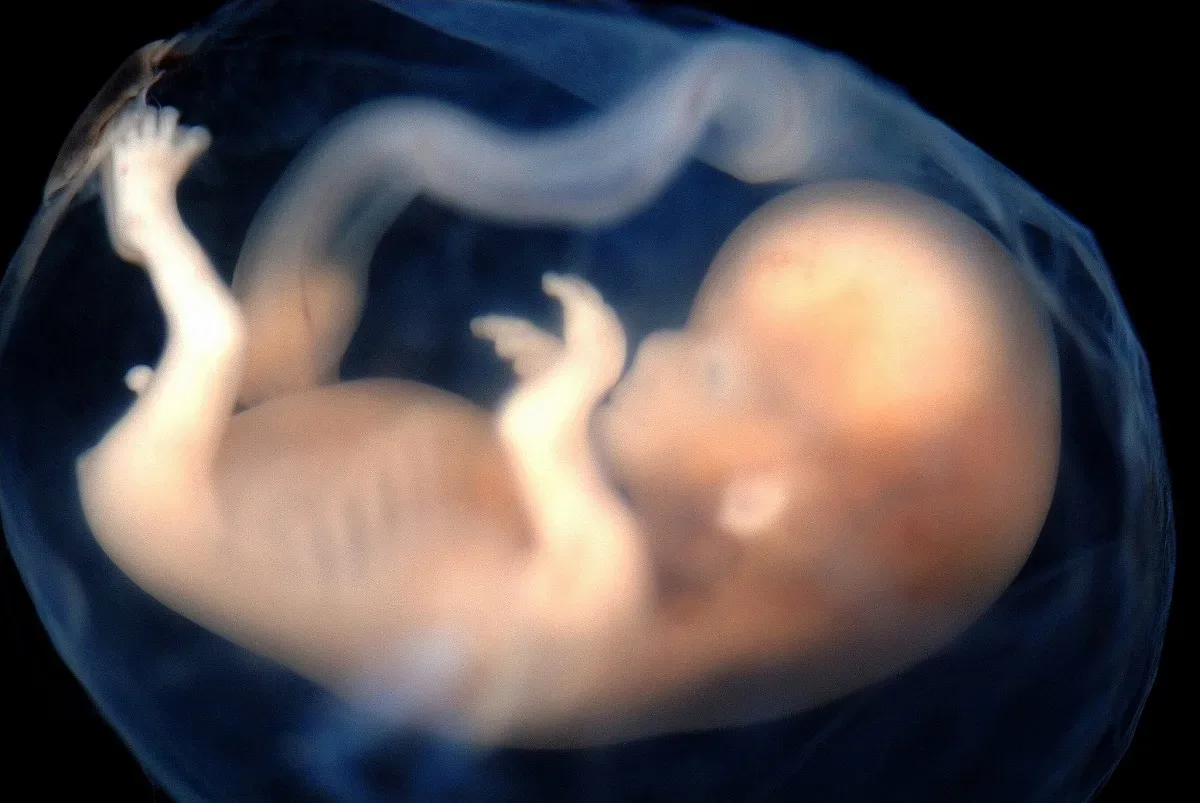
Baby hiccups in the womb can be both a surprising and sweet experience for many expectant mothers. The baby’s hiccups in the womb are usually caused by swallowing amniotic fluid, which causes contractions of the baby’s diaphragm to occur when performing breathing exercises. However, sometimes expectant mothers may wonder if it’s normal for their baby to hiccup, or if it’s a health problem.
In this guide, we will explain in detail the causes, symptoms and how to recognize baby hiccups in the womb. We’ll also cover the effects of baby hiccups on health and development, and when you should consult a doctor. Whether you’re a first-time mom or an experienced parent, this guide will help you learn everything you need about your baby’s hiccups in the womb.
How to Recognize Baby Hiccups in the Womb?
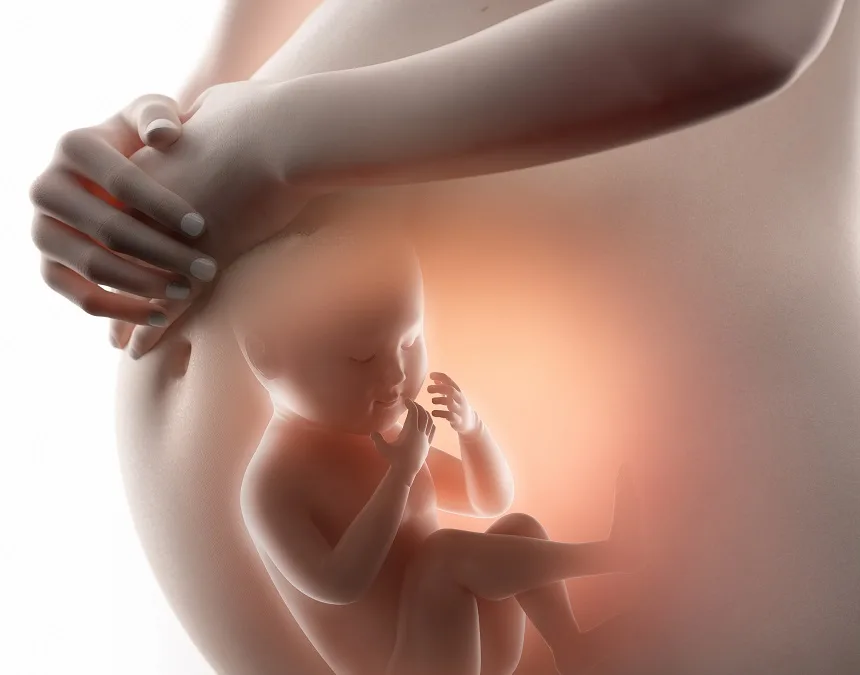
When the baby is hiccupping, mothers may feel a slight shaking or patting-like movements due to rhythmic contractions in the diaphragm. Identifying and understanding baby hiccups requires some practice and attention. Here are some methods to help you understand baby hiccups:
- Light Swings and Kicks: When the baby is hiccupping, mothers may often notice a slight shaking sensation or a series of small kicks. These movements usually come at regular intervals and have a different rhythm than the heartbeat.
- Rhythmic Movements: Baby hiccups usually come at rhythmic and regular intervals. If you feel slight movements that are repeated at regular intervals, it’s probably baby hiccups.
- Visual and Tactile Indicators: By gently pressing or looking at the mother’s belly with an external hand, you can also detect baby hiccups visually and tactilely.
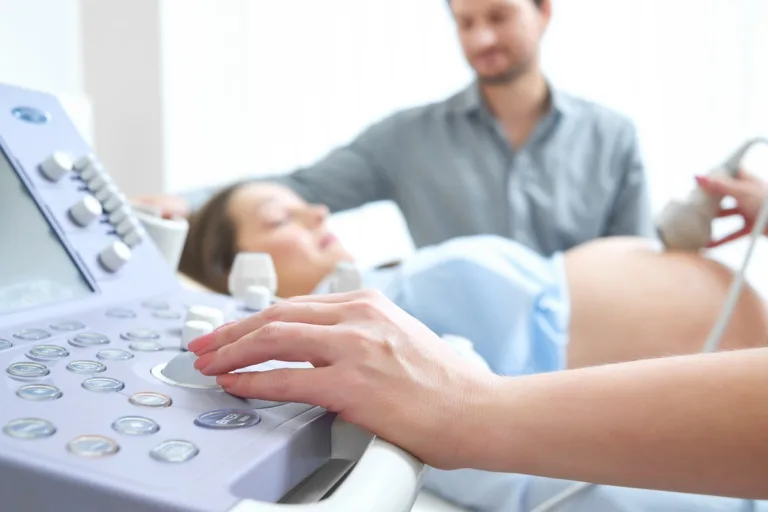
- Ultrasound Imaging: If you’re still unsure, an ultrasound scan is the best way to get a clear view of the baby’s hiccups.
Baby hiccups in the womb usually indicate that the baby is doing breathing exercises and that the diaphragm muscle is working. This usually indicates the healthy development of the baby and the ability to breathe. If you’re concerned about baby hiccups or notice frequent hiccups, it’s always best to contact your doctor.
When Does Baby Hiccups in the Womb Start?
Babies usually start hiccups in the womb from the 16th week, and this is usually felt by mothers as rhythmic contractions1. Hiccups of babies occur due to the occurrence of involuntary contractions of the diaphragm muscle when performing breathing exercises in the womb. These hiccups help the baby to work his diaphragm and breathing mechanism.
- Stages of Development: Babies’ hiccups in the womb usually begin from the fourth month of age, and this is an indication that babies are starting to do breathing exercises. Hiccups promote the development of the baby’s diaphragm and lungs.
- Frequency of Hiccups: The frequency of baby hiccups may increase later in pregnancy. Babies’ hiccups are usually short-lived, but sometimes they can last a long time.
- Doctor’s Control: If baby hiccups are very frequent or do not have a specific pattern, it is advisable to consult a doctor. Your doctor can evaluate baby hiccups and their general condition with ultrasound or other diagnostic methods.
What Causes Baby Hiccups in the Womb?
Baby hiccups in the womb usually occur when babies swallow amniotic fluid. This causes an involuntary contraction of the diaphragm muscle, which is felt as baby hiccups1. The main causes of hiccups in babies are:
- Breathing Exercises: When babies do breathing exercises in the womb, amniotic fluid can escape into their lungs. This causes contraction of the diaphragm, and babies may develop hiccups.
- Diaphragm Development: As babies’ diaphragm develops, hiccups may occur during the contraction and relaxation of this muscle.
- Ingestion of Amniotic Fluid: When babies swallow amniotic fluid, it triggers rhythmic contractions in the diaphragm muscle, which causes hiccups.
- Central Nervous System Development: As babies’ central nervous system develops, coordination between the diaphragm and other muscles improves. This coordination can trigger babies to hiccup.
- Normal Physiological Response: In general, baby hiccups are usually a normal physiological response and are considered an indication that the baby is developing in a healthy way.
Baby hiccups in the womb are usually nothing to worry about. However, if the hiccups are too frequent or last a long time, it is important to seek the opinion of a doctor. Your doctor can guide you to better understand the cause of the hiccups and assess your baby’s overall health.
Fetal Hiccups and Infant Health
Fetal hiccups, i.e. baby hiccups in the womb, are usually an indicator of the healthy development of the baby. Babies hiccuping in the womb promotes the development of the diaphragm muscle and lungs, which is essential for the baby’s ability to breathe independently after birth. Here’s more about the relationship between fetal hiccups and infant health:
- Diaphragm Development: Fetal hiccups promote the development and function of the diaphragm muscle. Babies’ diaphragm muscle plays a critical role in the breathing process, and hiccups stimulate the work and development of this muscle1.
- Breathing Exercises: Fetal hiccups help babies do breathing exercises in the womb. These exercises prepare babies’ lungs and diaphragm so that they can breathe independently after birth.
- Lung Development: During hiccups, amniotic fluid enters and exits babies’ lungs. This process helps babies develop their lungs and receive oxygen after birth.
- Normal Physiological Process: Fetal hiccups are usually a normal physiological process and an indication that the baby is developing in a healthy way.
- Doctor’s Rating: If fetal hiccups are very frequent or do not have a specific pattern, it is advisable to consult a doctor. Your doctor can evaluate fetal hiccups and your baby’s overall health with ultrasound or other diagnostic methods.
Is It Possible to Prevent Baby Hiccups in the Womb?
Baby hiccups in the womb are usually normal and harmless, and usually do not require any precautions or treatment. However, baby hiccups can be uncomfortable for mothers, and some mothers may want to soothe or prevent baby hiccups. Here are some points to consider in this regard:
- A Normal Situation: First of all, it is important to know that baby hiccups in the womb are usually part of a normal and healthy development. Baby hiccups promote the development of the diaphragm and lungs.
- Doctor’s Advice: If you are concerned about baby hiccups, consult your doctor. Your doctor can determine the cause of the hiccups and provide guidance as needed.
- Position Changes: In some cases, changing the mother’s position can soothe baby hiccups. Simple movements, such as slowly turning on its side or walking, can change the baby’s position and relieve hiccups.
- Calming Techniques: Deep breathing and relaxation techniques can reduce the mother’s stress, which can have a calming effect on the baby.
- Fluid Intake and Nutrition: Regular fluid intake and a balanced diet can help keep amniotic fluid healthy and reduce baby hiccups.
Baby hiccups in the womb can be a familiar and sweet experience for many expectant mothers. Baby hiccups are usually an indication that the baby’s diaphragm and lungs are developing in a healthy way. Baby hiccups are, in general, a normal physiological response and nothing to worry about. However, if hiccups are very frequent or last a long time, it is advisable to consult your doctor.
In this guide, we have explained in detail the causes, symptoms and how to recognize baby hiccups in the womb. We’ve also covered the effects of baby hiccups on health and development, and when you should consult a doctor. You can contact your doctor to learn more about baby hiccups in the womb and to learn more about your baby’s health. Your baby’s hiccups in the womb are a natural part of her developing little body and are often a source of joy.
Frequently Asked Questions About Baby Hiccups in the Womb
Is Baby Hiccups in the Womb Normal?
Yes, baby hiccups in the womb are usually an indication of normal and healthy development. Baby hiccups promote the development of the diaphragm and lungs.
What Does Baby Hiccups Feel Like?
Baby hiccups in the womb are usually felt as light shakes or kicks that come at rhythmic and regular intervals.
When Does Baby Hiccups in the Womb Start?
Baby hiccups usually start from the 16th week, and sometimes they can start earlier.
How long do baby hiccups last?
Baby hiccups are usually short-lived, but their duration can vary. If hiccups last a long time or occur very often, it is recommended to consult your doctor.
How Can Baby Hiccups Be Prevented or Sooed?
In general, no specific treatment is recommended to prevent or soothe baby hiccups. However, the mother’s position changes can sometimes soothe the hiccups.
Can Baby Hiccups Be Seen on Ultrasound?
Yes, baby hiccups can be seen on an ultrasound scan, and your doctor can evaluate these hiccups and provide information about the baby’s overall health.
Do Baby Hiccups Require a Visit to the Doctor?
Baby hiccups are usually harmless and do not require a visit to the doctor. However, if the hiccups are very frequent or last a long time, it is advisable to consult your doctor.