Healthy snacks during pregnancy
With healthy snacks during pregnancy, you will naturally meet some of the vitamins and minerals you need daily and necessary for the development of the baby, while you will offer delicious foods to your rumbling stomach. Pregnancy can significantly increase your appetite. The important thing is to take calories in moderation during the day.
Healthy Snacks During Pregnancy
In this article, we discuss 10 snacks for miracle mothers that are nutritious and healthy during pregnancy. These foods are snacks that meet your basic nutritional needs during pregnancy.
1. Apples and Cheese
The vast majority of pregnant women do not consume enough fiber-rich foods in the early stages of pregnancy. With pregnancy, your daily fiber needs increase by about 28 to 30 grams. You may find it difficult to consume fibrous foods due to nausea, which is frequently seen in the first trimester. It’s wise to include plenty of fruits and vegetables in your diet to ensure you’re meeting your daily fiber needs. In addition, this can also help you deal with problems such as constipation .
One medium apple contains more than 4 g of fiber and is only 95 calories. It is easy to carry. You can throw an apple in your bag. It’s also packed with pectin, a soluble fiber in apple peel that makes it easier to digest.
Another essential nutrient during pregnancy is calcium. Expectant mothers need 1,000 milligrams (mg) of this mineral every day. Calcium is not only needed to keep your bones and teeth strong, but it’s also essential for your baby’s bone structure. If you don’t get enough calcium from the food or supplements you eat, your baby will take it from your bones. Note: Prenatal vitamins — though they’re packed with other important nutrients — usually don’t contain much calcium, so don’t be too confident about meeting this need.
Each 30-gram slice of cheddar cheese contains 200 mg of calcium and provides 20 percent of your daily needs. Each slice of cheese is made up of about 110 calories and 9g of fat, so you can eat a slice or two.
2. Eggs on buns
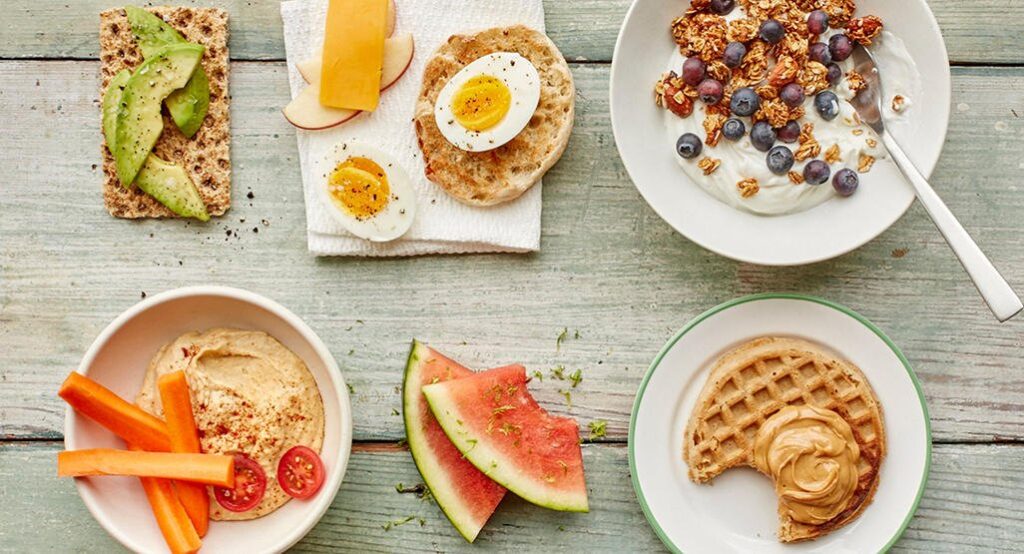
1 egg on toast or bun (beaten or toasted)
You’ve probably been reading a lot in the news about vitamin D in pregnancy. Vitamin D helps absorb calcium in the body and is directly related to preventing cancer, boosting immunity, and reducing inflammation.
Getting enough vitamin D is essential during pregnancy to help support your baby’s growing bones and teeth and to keep your little one’s immune system functioning properly after birth. Pregnant women need 600 IU of vitamin D daily. According to the Institute of Medicine, up to 4,000 IU per day is considered safe to take. (Ask your doctor about the dose you should take daily.)
One egg contains 20 IU of vitamin D. Vitamin D is found in egg yolks , so don’t throw away the yolk, but make sure it’s fully cooked.
According to some reliable sources;
- whole milk – 220 grams of 98 IU of vitamin D,
- Salmon – 360 IU of vitamin D per 100 grams,
- Canned tuna – 85 grams of which contains 200 IU of vitamin D.
Egg yolks also contain choline, which is essential for your baby’s developing brain and can help prevent birth defects. You need 450 mg of choline daily, and you can cover 125 mg with just one egg.
3. Miracle Mom Mix
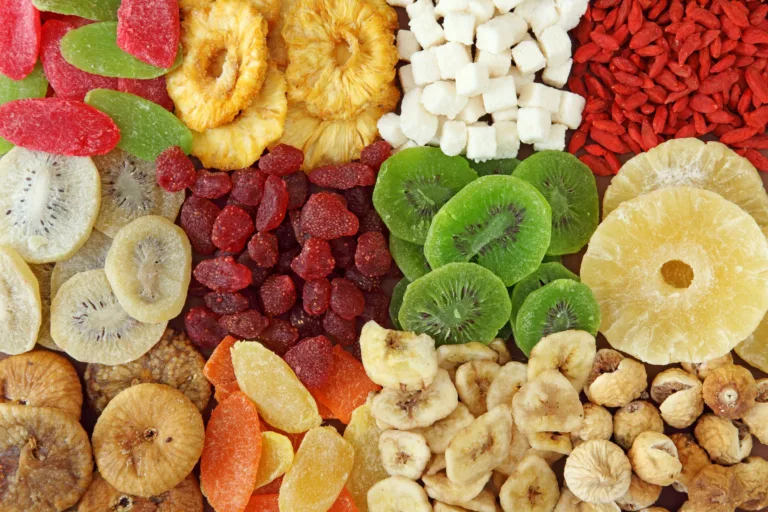
1/2 cup pumpkin seeds, 1/2 cup dried cherries, 1/2 cup raw almonds, and 1/2 cup dark chocolate chips (makes 2 cups; 1/2 cup = 1 serving) or 1/2 cup pecans, 1/2 cup unsweetened coconut, 1/2 cup dried diced mango, and 1/2 cup cashews (makes 2 cups; 1/2 cup = 1 serving)
Note: You should store this mixture in the refrigerator.
Other than that, there are a lot of mix combinations you can make. However, these recipes are a delicious concoction that contains calcium, vitamin D, and the mineral magnesium, which help in the formation of bones and teeth. Expectant mothers need about 300 mg of magnesium daily (depending on their age), and pumpkin seeds offer this amount in just a quarter of a cup. Other good sources of magnesium include cooked spinach, black beans, and Brazil nuts.
Do you have trouble sleeping at night? Most women have trouble sleeping at some point during their pregnancy. Dried cherries contain naturally occurring melatonin, which can improve sleep quality and duration . You can consume dried cherries with cereal before going to bed.
Dark chocolate contains heart-protective cocoa flavanols and has been shown to help lower blood pressure. It also contains small amounts of magnesium, manganese, copper, zinc, and phosphorus, which are bone-building minerals.
Be sure to include almonds in your diet, especially if you find it difficult to consume dairy products. 28 grams of almonds contain 76 mg of calcium, 1 mg of iron and 3.5 g of fiber. And almost all of the fat they contain is unsaturated fat, which is beneficial for heart health. Whether you snack on almonds whole or use them on yogurt, oatmeal and salads.
4. Yogurt
Yogurt over 1 cup of blueberries and 2 tablespoons of chopped walnuts
There are many reasons why yogurt has become the star of the dairy aisle. Yogurt is a good source of protein. A 150-gram serving of yogurt contains about 14 g of protein. It also meets 15 percent of your daily calcium needs. It also contains probiotics , which benefit your digestive system.
Mixing blueberries with yogurt provides about 4 g of fiber and only 84 calories, plus a boost of antioxidants. Two tablespoons of chopped walnuts add 93 calories, 1 g of fiber, and healthy omega-3 fats. Walnuts also contain the B vitamin biotin, which helps you get energy from the food you eat.
5. Vegetables or chips and guacamole
1/4 cup guacamole with 1/2 cup cucumber slices, 1/2 cup carrots, and 1/2 cup celery sticks, or 30 grams (about 10 chips) low sodium tortilla chips with 1/4 cup guacamole
Most women have swelling in their feet, ankles, and calves at some point during their pregnancy. Avoiding excess sodium will help you beat bloating. When you consume too much salt, your body retains more water to help keep the sodium levels in your body balanced. Drinking more water and eating foods that are high in water content will help flush excess salt out of your system.
Both cucumbers and celery are low in calories and contain large amounts of water (96 and 95 percent, respectively; carrots are 87 percent water). And guacamole is packed with potassium, a vital mineral that helps maintain fluid and electrolyte balance in your body’s cells. To control sodium, make your own guacamole (mash a ripe avocado and lime juice, then add some chopped red onion and cilantro).
If you like your guac with tortilla chips, get the chips that contain less than 30 mg of sodium per 100-gram serving.
6. Cottage cheese and fruit
A small bowl of 1 percent fat cottage cheese, 1 cup of diced mango, and 2 tablespoons of high-fiber granola
A snack-sized cube of cottage cheese will provide you (100 grams) with only 81 calories, 69 mg of calcium, and 14 g of protein. Mix cottage cheese with 1 juicy mango and consume. So get 71 micrograms (mcg) of folate, a type of B vitamin that plays an important role in the development of your baby’s spinal cord and nerves.
During pregnancy, you need 600 mcg of folic acid/folate daily. Of course, your prenatal vitamin will contain folic acid, but folate from food sources is more beneficial. One fresh mango contains about 3 g of fiber to help with constipation . Other high-fiber fruits include apples, pears, and oranges.
Many types of granola sold in grocery stores are high in sugar and don’t contain a lot of fiber. Get granola with at least 3g of fiber and no more than 9g of sugar per serving.
7. Mashed avocado on crackers
1 slice of rye, half an avocado spread on crispy bread or crackers
If you’ve suffered from leg cramps during your pregnancy, it’s time to eat more avocados. Potassium deficiency can cause cramps in the leg muscles. And as mentioned above, avocados are a good source of potassium. (Half of this creamy, flavorful fruit contains 345 mg of potassium, 114 calories, and about 5g of fiber.)
You need 4,700 mg of minerals each day during pregnancy, which may sound like a shocking amount, but most fruits and vegetables contain the mineral.
You can meet your fiber needs by eating whole-grain, low-sodium crackers or rye crispbread, which offer about 2 g of fiber per 37-calorie cracker.
8. Tortilla with hummus and tomatoes
1 whole-grain tortilla or pita bread, 1/2 cup halved cherry tomatoes, and 1/4 cup hummus
If you want to eat something delicious between lunch and dinner, grab a whole-grain tortilla or pita bread and put halved cherry tomatoes and hummus in it. Tomatoes are super low in calories (only 25 calories per cup) and contain a significant amount of beta-carotene, which is important for a healthy immune system.
Hummus contains just over 100 calories per 1/4 cup and provides 3 g of protein, 2 g of fiber, and about 1 mg of iron, helping you reach your daily goal of 27 mg.
9. Waffles with marzipan and pears
Whole wheat waffles or a slice of whole wheat bread toast, 2 tablespoons almond butter, and sliced pears
Sometimes you just need something to satisfy your sweet tooth. Boost the nutritiousness of a frozen pancake or toast by applying natural almond oil with no added sugar. One tablespoon of almond butter contains 98 calories, 3 g of protein, and more than 1.5 g of fiber. Top with pear or apple slices for some natural sweetness and extra fiber.
10. Melon with lemon
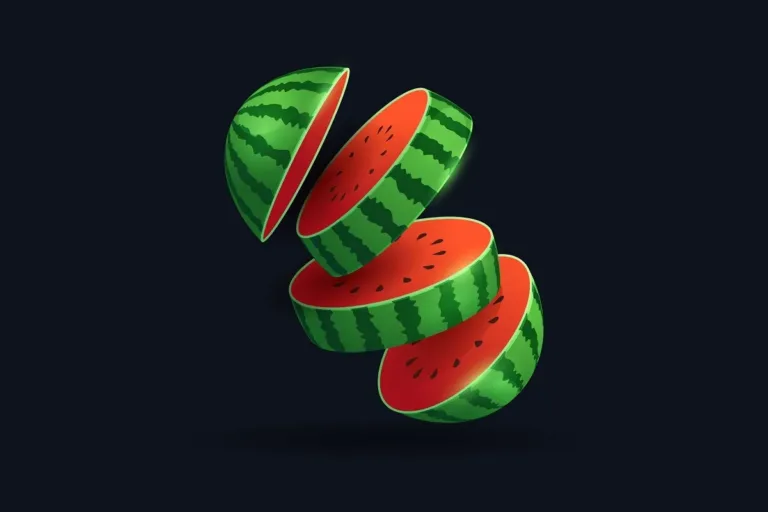
Watermelon or melon and a little lemon
Watermelon is 92 percent water, so it helps in meeting your hydration needs during pregnancy while also providing a sweet treat. And each plate of chopped watermelon contains 170 mg of potassium. You can also make homemade watermelon juice by mixing it with some fresh lime or lime juice and then squeezing the mixture through a fine-mesh strainer.