Benefits of Eating Cashews During Pregnancy: 10 Benefits for Mother and Baby
Pregnancy is an extremely critical period for the health of an expectant mother and her baby. During this period, nutrition is of great importance for mother and baby. A healthy diet during pregnancy is essential to meet the needs of the expectant mother and her baby. In this article, we will explore the benefits of eating cashews during pregnancy. Beyond being a delicious and healthy snack, cashews can also make many positive contributions to the pregnancy process. Here’s what you need to know to discover the “Benefits of Eating Cashews During Pregnancy.”
What Are the Benefits of Eating Cashews During Pregnancy?
Cashews provide many benefits for mother and baby during pregnancy. Some of these benefits include:
Provides essential nutrients
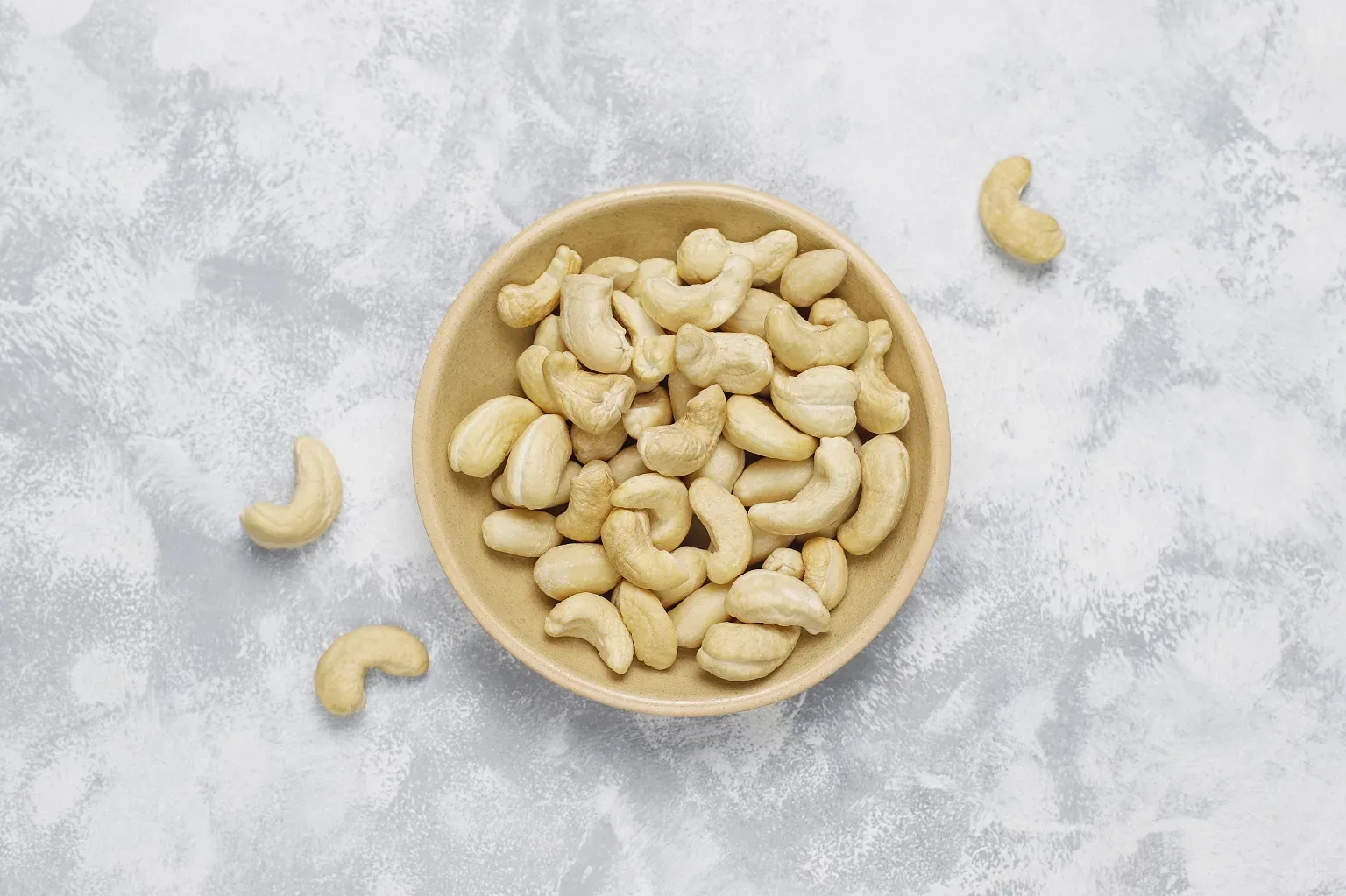
During pregnancy, a number of essential nutrients are needed that are necessary for the mother and baby. Cashews are a rich source of protein, fiber, vitamins, and minerals . The folic acid, iron, magnesium and B vitamins they contain are vital for the developing baby during pregnancy. While these nutrients help support the health of the baby, they also increase the energy levels of the expectant mother.
Supports Bone and Dental Health
During pregnancy, the baby needs more calcium for bone and tooth development. Cashews can help meet this need as a calcium-rich snack. In addition, the magnesium they contain contributes to maintaining bone health and can reduce cramping problems that can occur during pregnancy.
Strengthens the Immune System
During pregnancy, the expectant mother’s immune system is important in protecting her baby. Cashews can help strengthen the immune system thanks to their vitamin C content. This increases resistance to infections and protects the health of the expectant mother.
Prevents Constipation
Hormonal changes and increased uterine pressure during pregnancy can often lead to constipation problems. Since cashews are a snack rich in fiber, they support digestive system health and prevent constipation.
Energizes
The pregnancy process can cause the expectant mother’s energy levels to decrease. Cashews boost energy levels with the healthy fats and proteins they contain. This helps the expectant mother better manage her daily activities.
May Facilitate Childbirth
Cashews are rich in calcium. Calcium is a mineral that helps keep muscles and bones strong. Consuming cashews during pregnancy can help ease the birth process.
Good for Mood
Cashews are rich in magnesium. Magnesium is a mineral that helps improve mood. Consuming cashews during pregnancy can help improve the mood of the expectant mother.
Good for Iron Deficiency
Cashews are rich in iron. Iron is an important mineral for mother and baby. Consuming cashews during pregnancy can help compensate for the iron deficiency of the expectant mother.
Provides Weight Gain Control
Cashews are a healthy snack and low in calories. Consuming cashews during pregnancy can help control the weight gain of the expectant mother.
It can help prevent gestational diabetes (gestational diabetes).
Cashews are rich in magnesium. Magnesium is a mineral that helps prevent gestational diabetes.
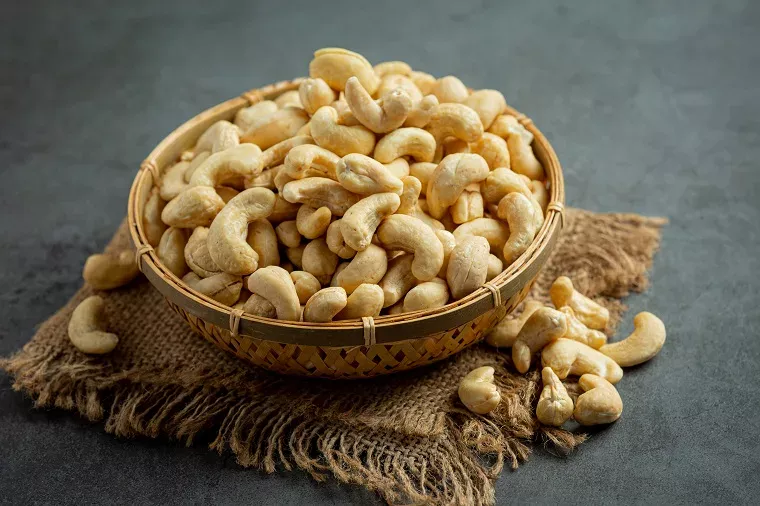
How Much Cashew Should Be Consumed During Pregnancy?
Cashew consumption during pregnancy should be limited to a handful of pieces per day. Excessive cashew consumption can cause weight gain and other health problems.
Things to Consider When Consuming Cashews During Pregnancy
There are some factors to consider when consuming nuts such as cashews during pregnancy. Here are some important things to consider when consuming cashews during pregnancy:
- Quantity Control: Cashews are a type of high-calorie nut. Excessive consumption can lead to excessive weight gain. Therefore, portion control is important. Consuming a handful of cashews (about 30–40 grams) per day can usually be an appropriate amount.
- Allergy Status: Some people may be allergic to cashews or other nuts. If you have ever been allergic to cashews or nuts, you should definitely talk to your doctor before consuming them.
- Check for freshness: Cashews should be fresh and intact. Consuming spoiled or moldy cashews can harm your health. Check the shelf life of the cashew and make sure it is fresh.
- Salt and Sugar Content: Some cashews can be coated with salt or sugar. Excessive consumption of salt or sugar is not recommended during pregnancy. Therefore, avoid cashews with added salt and sugar, or opt for natural, unsalted varieties if possible.
- Good Washing: Washing cashews thoroughly before consuming them is important for food safety. So you can keep it free of dust, dirt, or other contaminants.
- Balanced Consumption with Other Foods: Cashews should be just one part of a balanced diet. During pregnancy, you should create a nutrition plan that includes a variety of foods rich in protein, fiber, vitamins, and minerals.
- Follow your doctor’s recommendations: The pregnancy process is different for every woman. It is important to follow the advice of your doctor or nutritionist who follows your pregnancy process. Keep in touch with your doctor, especially if you have special dietary needs or health problems.
Nutritional Value of Cashews
Cashews are a food rich in protein, fiber, vitamins and minerals. 100 grams of cashews contain the following nutritional values:
- Energy: 553 calories
- Protein: 18 grams
- Fat: 43 grams
- Carbs: 30 grams
- Fiber: 3.3 grams
- Sugar: 3.9 grams
- Calcium: 37 milligrams
- Iron: 2.7 milligrams
- Magnesium: 292 milligrams
- Phosphorus: 593 milligrams
- Potassium: 660 milligrams
- Zinc: 5.8 milligrams
- Copper: 2.2 milligrams
- Selenium: 19.9 micrograms
- Vitamin C: 0.5 milligrams
- Vitamin B6 (Pyridoxine): 0.4 milligrams
- Folic Acid (Vitamin B9): 25 micrograms
- Vitamin E: 0.9 milligrams
- Vitamin K: 9.7 micrograms
These values are approximate and may vary depending on the cashew variety, the region where it is grown and the processing method. Cashews are a type of nut that is especially rich in healthy fats, protein, fiber, magnesium, and other minerals. Therefore, it may be beneficial for health when consumed as part of a balanced diet.
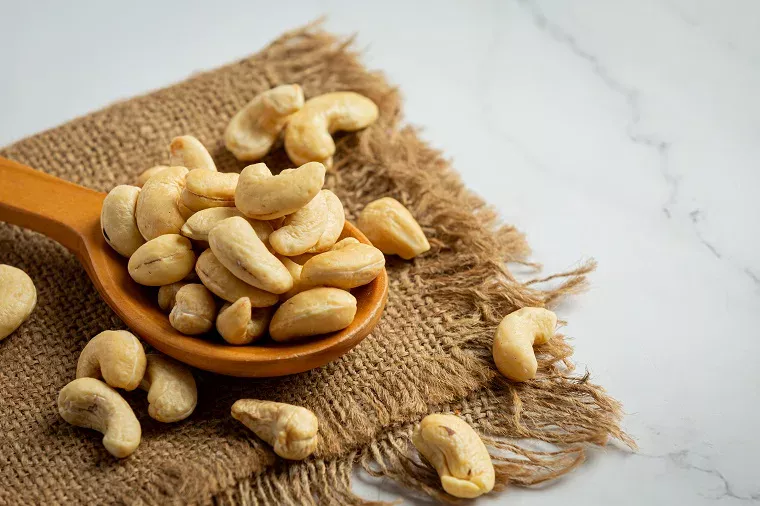
Frequently Asked Questions About the Benefits of Eating Cashews During Pregnancy
How much cashew should I consume during pregnancy?
It may be appropriate to consume about a handful of cashews daily during pregnancy. However, it is always important to act in accordance with your doctor’s recommendations.
How many cashews can be eaten per day during pregnancy?
During pregnancy, it is enough to consume 4-5 cashews per day.
Should cashews be eaten raw during pregnancy?
During pregnancy, cashews can be consumed raw or roasted. However, cashews are exposed to high temperatures while roasting. For this reason, it is necessary not to overdo it when consuming roasted cashews.
Is there any harm in eating cashews during pregnancy?
There is no harm in eating cashews during pregnancy. However, it should be limited to 4-5 pieces per day. Excessive cashew consumption can cause weight gain and other health problems.
How to recognize cashew allergy during pregnancy?
Cashew allergy manifests itself with symptoms such as itching, redness, swelling, and shortness of breath after cashew consumption
Cashews are a healthy nut that can be consumed during pregnancy. Cashews, which have a high nutritional value, offer significant benefits for mother and baby. When consuming cashews during pregnancy, it is important not to overdo it and to consume it in hygienic conditions.
Photos: Freepik