Counting Baby Kicks During Pregnancy
Counting baby kicks during pregnancy is both an exciting and important process for expectant mothers. 🤰 Babies make various movements in the womb; The most obvious form of these movements is kicks. These kicks are a sign that the baby is healthy and is developing. From the second trimester of pregnancy, usually after the 20th week, the movements of the babies become more pronounced, and this is the way for mothers to establish some kind of communication with their babies. 🌟
During pregnancy, counting baby kicks not only helps you keep your baby’s health in check, but it also allows you to create a unique bond between you and him. In addition to monitoring your baby’s development, these kicks also play a critical role in early detection of potential health problems. Therefore, the importance of counting baby kicks during pregnancy is undeniable and is among the essential information that every expectant mother should know.
In this article, we will discuss in detail why it is so important to count baby kicks during pregnancy , how it is done, and what to look out for. If you’re ready, let’s start exploring that baby kicks are much more than just a move. 🚀
Counting Baby Kicks
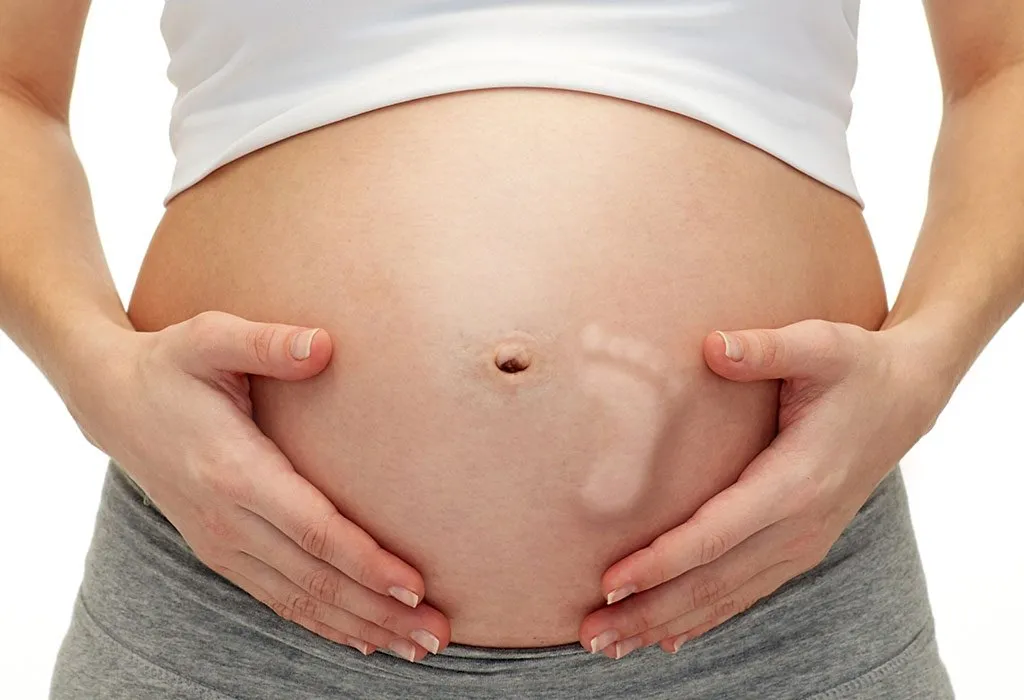
Counting baby kicks during pregnancy is a method used by expectant mothers to observe the health of their babies. This practice usually becomes more regular in the second half of pregnancy, especially after the 28th week. Babies’ movements are an indicator of whether they are okay or not, and counting these movements can help diagnose potential problems early. 📝
How?
- Time Selection: The baby is usually most active in the evening. You can choose this time frame to count baby kicks.
- Comfortable Position: Lying on your left side or sitting in a comfortable chair makes it easier to feel baby movements.
- Counting Method: Take note of the amount of time it takes to feel your baby’s 10 movements. These movements can be kicks, turns, or light pushes.
- Daily Follow-up: This practice should be done at the same time every day. Thus, it becomes easier to notice changes in baby movements.
NOTE: You can record your baby’s past kicks by using the Tekem Sayar feature on the tools page of our Miracle Mother application.
Why Is It Important To Count Baby Kicks During Pregnancy?
Counting baby kicks during pregnancy is one of the most critical observation methods of the pregnancy process. This simple, yet effective app is vital for monitoring the baby’s health. So, why is it so important?
- Indicator of the baby’s health: Babies move regularly when they are healthy and active in the womb. Counting these movements is a strong sign that the baby is fine.
- Early Warning System: Counting baby kicks during pregnancy serves as a warning system to detect potential health problems early. If you notice a decrease in baby movements, this is a sign that you need to visit your doctor for a more detailed checkup.
- Bonding Between Mother and Baby: Counting the baby’s movements helps to form a strong bond between mother and baby. The expectant mother communicates with her baby by feeling his movements, which makes the pregnancy experience more meaningful and special.
- Provides Confidence During Pregnancy: Counting baby kicks during pregnancy allows the expectant mother to have information about her own body and baby. This information allows them to feel more confident during pregnancy.
When to pay attention?
- Decreasing or Increasing Movements: A significant decrease or increase in baby movements is a condition that needs attention. These situations may be a sign that the baby may be under stress or have other health problems.
- Quality of Gestures: Not only the number of movements is important, but also the quality and strength of the movements. Weaker or stronger movements can give clues about the state of health.
Counting baby kicks during pregnancy, although it’s a simple method, offers important information about your baby’s health and development. Therefore, making this practice a regular habit from the second half of pregnancy will benefit both you and your baby. 🍼💖
Health Benefits of Counting Baby’s Kicks
Counting baby kicks during pregnancy is not only a routine, but also a method of observation that is of great importance for the health of the mother and baby. This simple action offers many health benefits and can have significant consequences for both mother and baby. Here are some important health benefits of this practice:
- Early Diagnosis: Abnormal reductions in infant movements can be an important sign for early detection of potential problems with the baby’s health. Early intervention often leads to better outcomes.
- Monitoring Infant Health: Counting baby kicks on a regular basis provides a method for monitoring the baby’s development. The baby’s movements are a reflection of his state of health, and regular monitoring of these movements indicates that the baby is well.
- Psychological Comfort: Counting baby kicks during pregnancy provides psychological comfort to expectant mothers. Feeling the regular movements of the baby has a positive effect on the mental health of mothers and gives them confidence during the pregnancy process.
- Mitigation of Risks: Changes in baby movements can be early warning signals of certain risks. For example, problems with the placenta or cord problems can lead to a decrease in baby movements. Early detection of such changes can reduce risks by ensuring that the necessary interventions are carried out in a timely manner.
- Mother-Baby Bonding: Counting baby kicks during pregnancy creates a strong bond between mother and baby. The expectant mother establishes a kind of communication with her baby by following his movements, which strengthens the mother-baby relationship.
Tips:
- Conduct a regular count: Create a routine by counting baby movements in the same time zone every day. This makes it easier to notice changes.
- Keep Records: Taking note of the number and times of movements offers useful information during doctor visits.
- Stay in Touch with Your Doctor: If you notice any changes, share the situation with your doctor. Your doctor can guide you by recommending additional tests or checkups as needed.
Counting baby kicks during pregnancy, although it is a simple method, is of great importance for the health of the mother and baby. This practice serves as a source of reassurance, both physical and emotional, and makes the pregnancy process more meaningful and safe. 🌸
Noticing changes in the baby’s movements
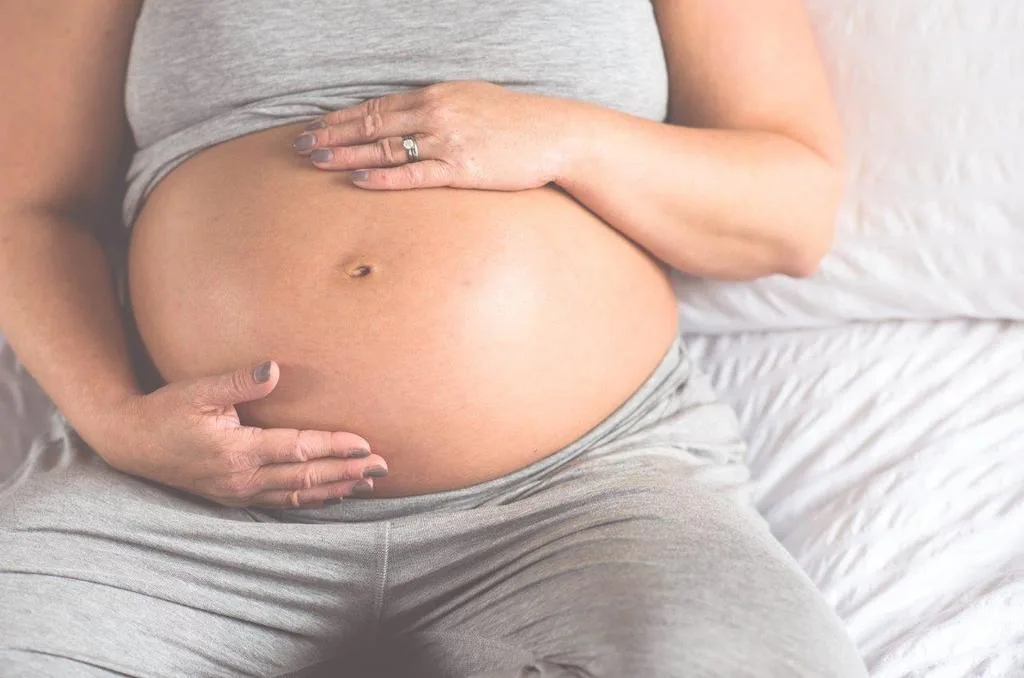
Counting baby kicks during pregnancy is a critical method for noticing changes in baby movements. Any change in baby movements can be a sign of potential problems with baby health. Therefore, expectant mothers should carefully monitor these movements and share them with their doctor when they notice certain changes.
What Should Be Considered in Baby Movements?
- Decrease in Movements: If you notice a significant decrease in baby movements, this can pose a potential risk to the baby. Babies usually move regularly when they’re awake, so a decrease in movements may indicate that there may be a problem with the baby’s health.
- Increase in Movements: Excessive baby movement can also sometimes be a sign of stress. If the baby is moving more than usual, this should also be shared with your doctor.
- Changes in Motion Quality: Unexpected changes in the intensity or type of the baby’s movements can also be significant. A weaker or different movement pattern can provide information about the baby’s health status.
When to consult a doctor?
- Less than 10 Movements in 24 Hours: If you feel less than 10 movements from your baby in 24 hours, you should inform your doctor.
- Sudden Decrease or Increase in Movements: If you notice a sudden decrease or increase in baby movements, contact your doctor without waiting.
- Changes in Motion Quality: If you feel a noticeable change in the strength or frequency of movements, this may also require a doctor’s check-up.
Counting baby kicks during pregnancy and tracking changes in their movements is important for maintaining the baby’s health. These observations can help diagnose any potential problems early. The most important thing for expectant mothers is to regularly monitor their baby’s movements and share this information with their doctor if there are any changes. This is one of the most important steps that can be taken to ensure that your babies are developing in a healthy way. 🍼💕
Foods That Increase the Movements of the Baby in the Womb
During pregnancy, an increase in baby movements can be observed with the consumption of certain foods. These foods can often raise blood sugar levels quickly, or certain flavors and foods can cause the baby to be more active. However, each baby may react differently, and the effect of certain foods on the baby may vary from mother to mother. Here are some foods that can boost baby movements:
- Fruit Juices: Fruit juices rich in vitamin C and containing natural sugar, such as orange juice, can cause a temporary increase in baby movements. This is due to the fact that fruit juices quickly raise blood sugar levels.
- Cold Water: Drinking cold water can sometimes increase babies’ movements. This is associated with the fact that when cold water reaches the stomach, the baby acts in response to it.
- Sweet Foods: Sweet foods, such as sugar or honey, also raise blood sugar, which can cause some babies to move more.
- Spicy Foods: Some expectant mothers report that their babies are more active after consuming spicy foods. This may be related to the effect of spicy foods on the digestive system.
- Protein-Rich Foods: High-protein foods can also increase baby movements. Protein supports the body’s energy levels, which can help babies be more active.
Considerations
- Balanced Diet: While you may want to increase baby movements, it’s important to follow a balanced and healthy eating plan. Any kind of food taken during pregnancy affects the health of both you and your baby.
- Not Overdoing It: Excessive consumption of sugary or spicy foods can cause discomfort during pregnancy. Expectant mothers, especially those with conditions such as reflux or gestational diabetes, should be careful when consuming such foods.
- Doctor’s Advice: Talk to your doctor before making any dietary changes. Your doctor is the person who knows the health status of you and your baby best and can give you appropriate nutritional advice.
It can be interesting to count baby kicks during pregnancy and observe the effects of food to increase baby movements. However, it is best to always remember the importance of a balanced and healthy diet and to consult with your doctor about any dietary changes. 🍏🥛
Frequently Asked Questions
There are many questions that expectant mothers have about counting baby kicks during pregnancy. In this section, we will try to provide answers to the most frequently asked questions on this topic, so you can learn more about this important topic. 🌼
From What Week Of Pregnancy Should I Start Counting Baby Kicks?
You usually start to feel baby movements after the 20th week of pregnancy. But the best time to start counting baby kicks on a regular basis is the 28th week of pregnancy. After this period, baby movements become more regular and pronounced.
How Many Baby Movements Per Day Are Normal?
Usually, 10 baby movements per day (such as kicking, turning, pushing) is the accepted minimum for a healthy pregnancy. However, every baby is different, and some babies may be more active. The important thing is to learn your baby’s normal movement pattern and notice when there are any changes.
What should I do if I notice a decrease in baby movements?
If you notice a decrease in baby movements, you can try drinking some water and taking a comfortable position by lying on your left side. Sometimes this can stimulate the baby’s movements. If you still feel less than 10 movements in 2 hours after this method, you should share the situation with your doctor.
Is It A Problem For The Baby To Be Too Active?
Usually, it is a sign of good health for babies to be active. However, unusually much activity can sometimes be a sign of stress. If you notice an unexpected increase in baby movements, talk to your doctor.
What position should I be in when counting baby movements?
It is often advisable to lie on your left side when counting baby movements, as this position ensures the best blood flow and makes it easier to feel baby movements. However, you can also count baby movements while sitting or in another comfortable position.
What Is The Best Way To Count Baby Kicks?
The best way to count baby kicks is to establish a routine. Counting at the same times each day makes it easier to notice changes in baby movements. You can also record the number and times of movements and share this information with your doctor during your doctor’s visits.