Eating Fish During Pregnancy: 5 Important Tips
Pregnancy is a time when a balanced and nutritious diet is vital for the health of both mother and baby. Eating fish during pregnancy plays a key role in meeting nutritional needs during this period, with its high-quality protein, omega-3 fatty acids and various vitamins. However, it should be taken into account that not all fish are suitable for pregnancy, and some species may be high in harmful substances, such as mercury. This article aims to help expectant mothers make informed choices by detailing the benefits of fish consumption during pregnancy, which types of fish should be preferred, which ones should be avoided, and tips for safe fish consumption. In this journey, we will discover step by step the importance of fish consumption during pregnancy and how to approach it.
Now, let’s take a closer look at the details about the importance of fish consumption during pregnancy .
Why Is It Important To Eat Fish During Pregnancy?
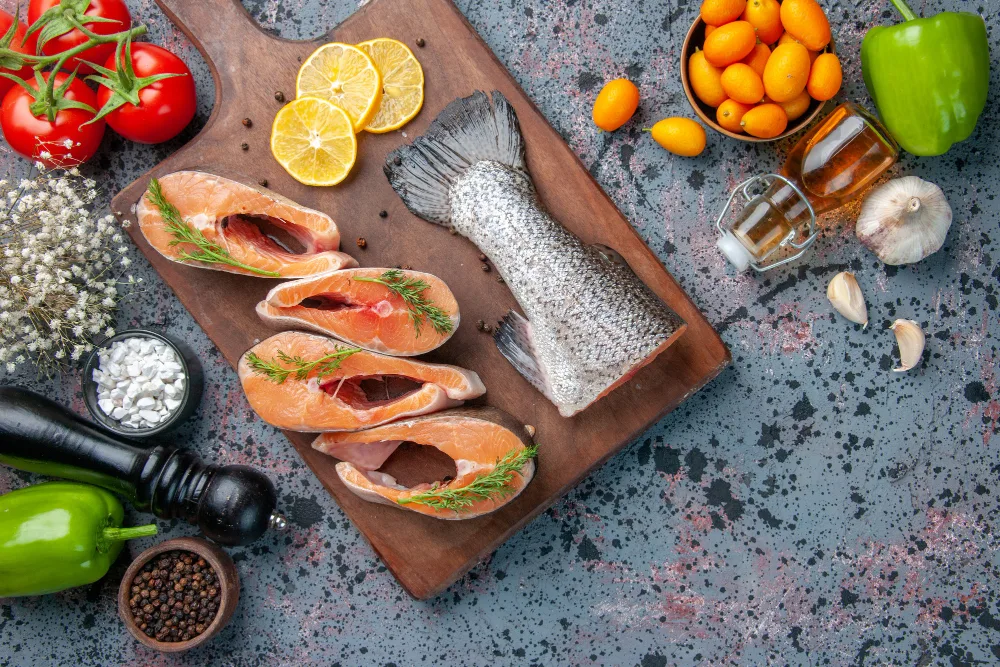
Eating fish during pregnancy provides many benefits for maternal and infant health. Fish is rich in vital nutrients such as high-quality protein, omega-3 fatty acids, vitamin D, and selenium. Omega-3 fatty acids, in particular, are very important for the baby’s brain and eye development. It may also be effective in reducing the risk of depression during pregnancy. In addition to these foods, fish consumption can support maternal health and make the pregnancy process more comfortable.
However, it is necessary to be careful when choosing fish. Not all fish benefit equally, and some may contain high levels of mercury, which can damage the developing baby’s nervous system. Therefore, when it comes to eating fish during pregnancy, it is of great importance to make informed choices in order to both maximize its benefits and minimize possible risks.
In this section, we will look in more detail at the types of fish that should be recommended and avoided during pregnancy, as well as the health effects of fish consumption. In the light of this information, the importance of fish consumption during pregnancy will be better understood and a healthy nutrition guide will be created for expectant mothers.
In the next section, we will focus on the types of fish recommended to be consumed during pregnancyand the nutritional values provided by these fish.
What fish to eat during pregnancy?
Making the right choices about eating fish during pregnancy is of great importance for the health of the mother and baby. Some types of fish stand out for their high content of omega-3 fatty acids and low levels of mercury, and it is especially recommended to consume them during pregnancy. Here are the types of fish that you can safely consume during pregnancy:
- Salmon: It is known for its high content of omega-3 fatty acids and is highly beneficial for the baby’s brain development.
- Sardines: Due to their small size, they have a low mercury content and provide high levels of omega-3s, proteins, and calcium.
- Trout (especially lake trout): Another type of fish that is rich in omega-3s and usually has low mercury levels.
- Anchovies: With its low mercury content and high content of omega-3 fatty acids, it is an ideal option for pregnancy.
- Mackerel: It is rich in omega-3 fatty acids, but it is important to opt for small types of mackerel, as large types of mackerel can contain high mercury.
These fish species provide essential nutrients for both mother and baby, while helping to minimize the intake of potentially harmful substances such as mercury. When consuming fish during pregnancy, limiting yourself to 2-3 servings per week is a good rule of thumb to both reap the benefits and reduce possible risks.
It is important to always talk to your doctor about fish consumption during pregnancy. This is especially true for special situations such as allergies, dietary restrictions or health conditions.
IMPORTANT: It is important to always talk to your doctor about fish consumption during pregnancy. This is especially true for special situations such as allergies, dietary restrictions or health conditions.
In the next section, What fish can not be eaten during pregnancy? And we’ll take a closer look at the potential risks of these fish, so that a safe feeding plan for expectant mothers becomes even clearer.
What fish can not be eaten during pregnancy?
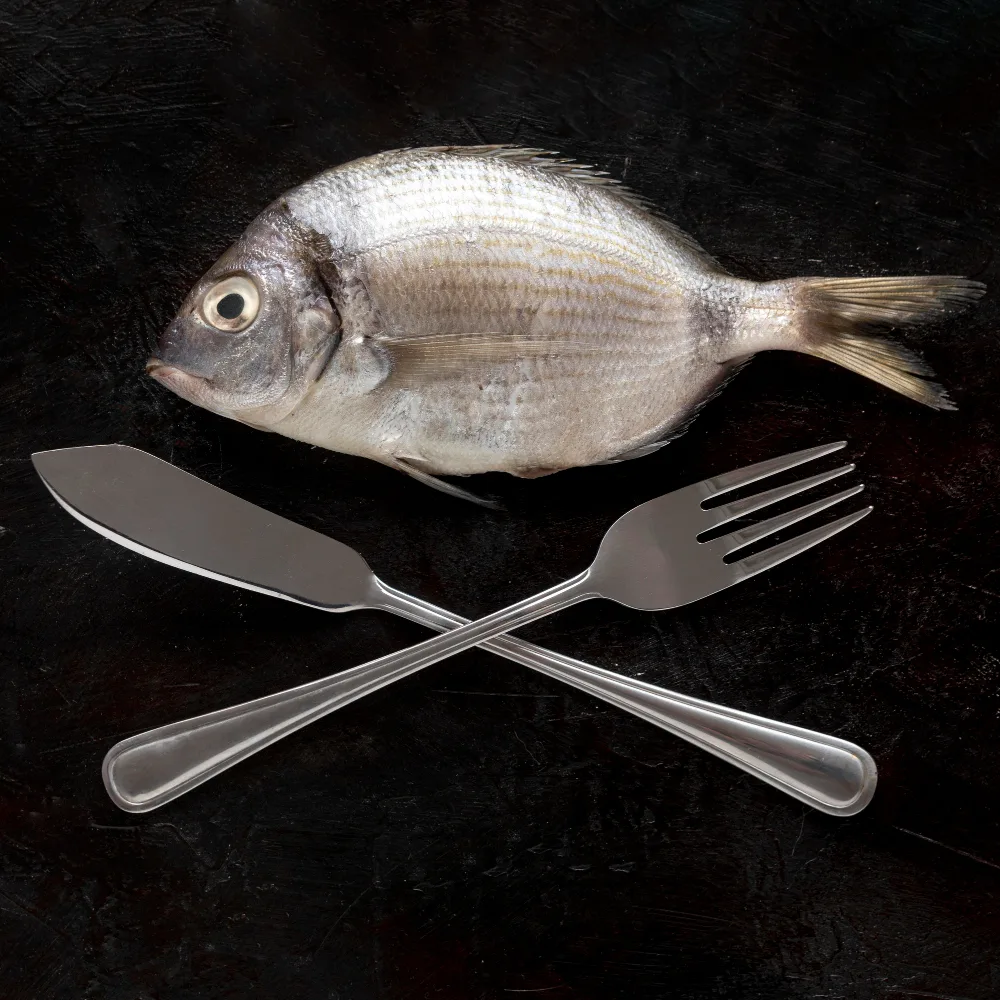
When creating a healthy diet during pregnancy, it is important to avoid certain types of fish. These fish often contain high levels of mercury, which can damage the developing baby’s nervous system. Here are the types of fish that are recommended to avoid consumption during pregnancy:
- Swordfish: It is a type of fish that pregnant women and nursing mothers should stay away from due to its high mercury levels.
- King Mackerel: Like swordfish, king mackerel should not be consumed during pregnancy due to its high mercury content.
- Shark: Shark meat is another type of fish that should be avoided during pregnancy, as it is risky in terms of mercury accumulation.
In general, fish that should not be consumed can be generalized as bottom-dwelling fish.
To make safe choices about eating fish during pregnancy, it’s important to choose fish with a low mercury content. For this reason, fish species such as salmon, sardines and anchovies stand out as safer alternatives.
Additionally, when consuming local fish, it is important to pay attention to regional pollution warnings and consumption guidelines. Some local waters may contain high levels of mercury or other harmful substances due to pollution. In this case, it is best to follow the recommendations of local health departments and environmental protection agencies.
In the next section, we’ll take a more detailed look at the benefits of eating fish during pregnancy . This section will further emphasize the importance of fish consumption during pregnancy and will include information to help expectant mothers make informed choices.
Benefits of Eating Fish During Pregnancy
Eating fish during pregnancy has many positive effects on the health of the mother and baby. In this section, we will examine in detail the effects of fish consumption on health.
Benefits for Maternal Health
- Supports Heart Health: Omega-3 fatty acids can support heart health and reduce the risk of hypertension during pregnancy.
- Reduces the Risk of Depression: It may provide a protective effect against the increased risk of depression during pregnancy. Omega-3 fatty acids help regulate mood.
- May Reduce the Risk of Gestational Diabetes: A diet rich in healthy fats and protein can help stabilize blood sugar.
Baby Health Benefits
- Supports Brain and Eye Development: Omega-3 fatty acids, especially DHA, are critical for a baby’s brain and eye development.
- May Increase Birth Weight: Adequate and balanced fish consumption can reduce the risk of low birth weight and help maintain a healthy birth weight.
- May Reduce the Risk of Preterm Birth: Omega-3 fatty acids have been shown to reduce the risk of preterm birth.
Safe Consumption and Things to Consider
In order to benefit from the positive effects of fish consumption on health during pregnancy, it is important to pay attention to the amount and type of consumption. Consuming 2–3 servings (8–12 ounces in total) of low-mercury fish per week is recommended by most experts. In addition, it is important to remember that fish with a high mercury content should be avoided during pregnancy.
Every decision made about fish consumption during pregnancy should aim to keep the health of the mother and baby at the highest level. Therefore, talking to a healthcare professional about consumption habits will help you make the healthiest choices.
In the next section, we’ll take a closer look at Fish Consumption and the Importance of Omega-3 Fatty Acids . This section will explain in more detail why omega-3 fatty acids are so important during pregnancy and the health effects of these nutrients.
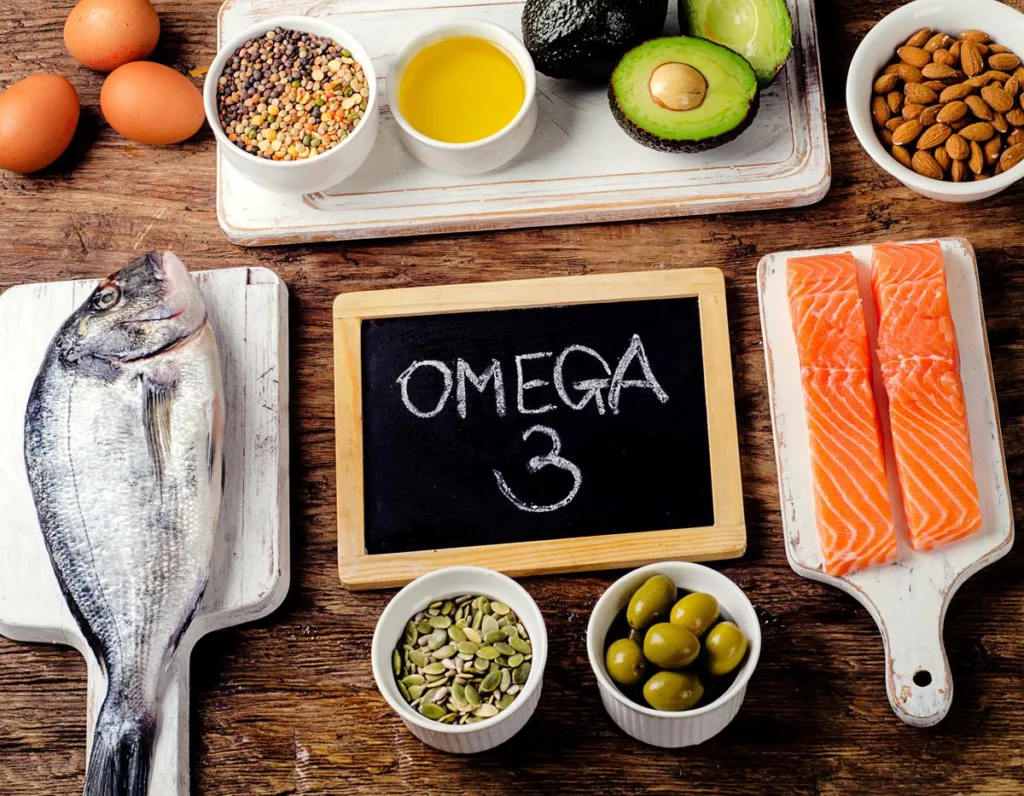
Fish Consumption and the Importance of Omega-3 Fatty Acids
Eating fish during pregnancy, especially fish rich in omega-3 fatty acids, is of great importance for the health of both mother and baby. Omega-3 fatty acids are essential fatty acids that the human body cannot produce on its own and must be taken from the outside. In this section, we’ll take a closer look at the importance of omega-3 fatty acids and the role of fish consumption in providing these critical nutrients.
Effects of Omega-3 Fatty Acids on Health
- Brain and Nervous System Development: Omega-3 fatty acids, especially DHA, are vital for the development of the baby’s brain and nervous system. Adequate DHA intake during pregnancy and breastfeeding supports the development of babies’ cognitive and visual abilities.
- Heart Health: Omega-3 fatty acids have anti-inflammatory properties that help reduce the risk of heart disease. It also protects heart health by lowering triglyceride levels.
- Mental Health: During pregnancy and the postpartum period, omega-3 fatty acids may help reduce the risk of depression . These fatty acids have mood-regulating effects.
The Importance of Omega-3 Fatty Acids in Pregnancy
Adequate omega-3 fatty acid intake during pregnancy is critical for fetal development and maternal health. Omega-3 fatty acids, such as DHA and EPA, are essential for fetal brain development and eye health and may help reduce the risk of preterm birth.
The Role of Fish Consumption
Fish, especially fatty fish, is one of the richest food sources of omega-3 fatty acids, such as DHA and EPA. Eating fish during pregnancy is an effective way to get these essential nutrients in a natural way. However, in order to limit the intake of harmful substances such as mercury, it is important to choose fish species with a low mercury content and to comply with the recommended consumption amounts.
Safe Consumption Tips
- Aim to consume 2-3 servings of low-mercury fish per week.
- Avoid fish with a high mercury content.
- When consuming fish locally, pay attention to regional pollution warnings.
Given the benefits of omega-3 fatty acids, making informed choices about eating fish during pregnancy is essential for both maternal and infant health. Adequate intake of these nutrients is one of the cornerstones for a healthy pregnancy period and healthy baby development.
In the next section, we will include the title of Things to Consider When Consuming Fish During Pregnancy . This section will provide practical information about what to consider when consuming fish during pregnancy and that can be used when choosing fish.
Things to Consider When Consuming Fish During Pregnancy
Although fish consumption during pregnancy provides significant benefits for both maternal and infant health, it is of great importance to be conscious of safe consumption. Here are some basic tips for safe fish consumption during pregnancy:
1. Choose Fish with Low Mercury Content
When it comes to eating fish during pregnancy, choose fish species such as salmon, sardines, trout and anchovies, which are low in mercury. These fish offer high omega-3 fatty acids and minimize the risk of mercury.
2. Pay attention to the amount of consumption
Consuming 2-3 servings of fish per week (340 grams in total) during pregnancy allows you to benefit from both omega-3 fatty acids and limit mercury exposure.
3. Avoid Fish That Contain High Mercury
Stay away from fish with high mercury content, such as swordfish, sharks, king mackerel, and tilefish. Consumption of these fish can increase the risk of mercury exposure, especially during pregnancy.
4. Follow the Warnings for Local Fish Consumption
Check pollution warnings and consumption guidelines for your regional water sources before consuming local fish. Some local waters may contain high levels of mercury or other harmful substances due to industrial contamination.
5. Increase Diversity
Alternating different types of fish increases the variety of nutrients while also reducing the risk of exposure to a particular harmful substance.
6. Cook Fish Safely
Kill potentially harmful bacteria and viruses by cooking the fish thoroughly (allowing its internal temperature to reach 63°C). Avoid the consumption of raw or undercooked fish during pregnancy.
7. Talk to Your Doctor
Discussing your diet plan and any concerns you may have about fish consumption with your doctor will ensure that you receive the most appropriate advice based on your specific health conditions and nutritional needs.
Eating fish during pregnancy is an important part of a balanced and healthy diet. By following the tips mentioned above, you can make the most of the nutritional benefits of fish while maintaining the health of both you and your baby.
Expert Opinions and Research on Fish Consumption During Pregnancy
The importance of fish consumption during pregnancy has been studied in many studies, and it is generally accepted that omega-3 fatty acids, especially DHA, have positive effects on fetal brain and eye development. Experts generally recommend that pregnant women consume 2-3 servings of low-mercury fish per week (up to 340 grams in total) due to its potential positive effects on fetal health.
Health organizations such as the American Pregnancy Associationemphasize the importance of taking omega-3 fatty acids during pregnancy and recommend consuming low-mercury fish such as salmon, sardines, and trout. These recommendations are made to support fetal brain development and reduce the risk of depression during pregnancy.
Studies have also shown that the consumption of fish with a high mercury content can have negative effects on the developing fetus. Therefore, it is recommended to avoid fish such as swordfish, sharks, king mackerel and tilefish.
The World Health Organization (WHO) and the Food and Agriculture Organization (FAO) have issued guidance documents stating that pregnant women and children should limit mercury exposure when consuming fish. These organizations recognize the health benefits of fish while also highlighting ways to reduce the risks associated with consumption.
These reflect general views and research on fish consumption during pregnancy. For up-to-date and detailed information, it is best to visit the websites of credible health organizations and refer to the latest research published in academic journals. In this way, you can access the most up-to-date information and expert opinions on fish consumption during pregnancy.
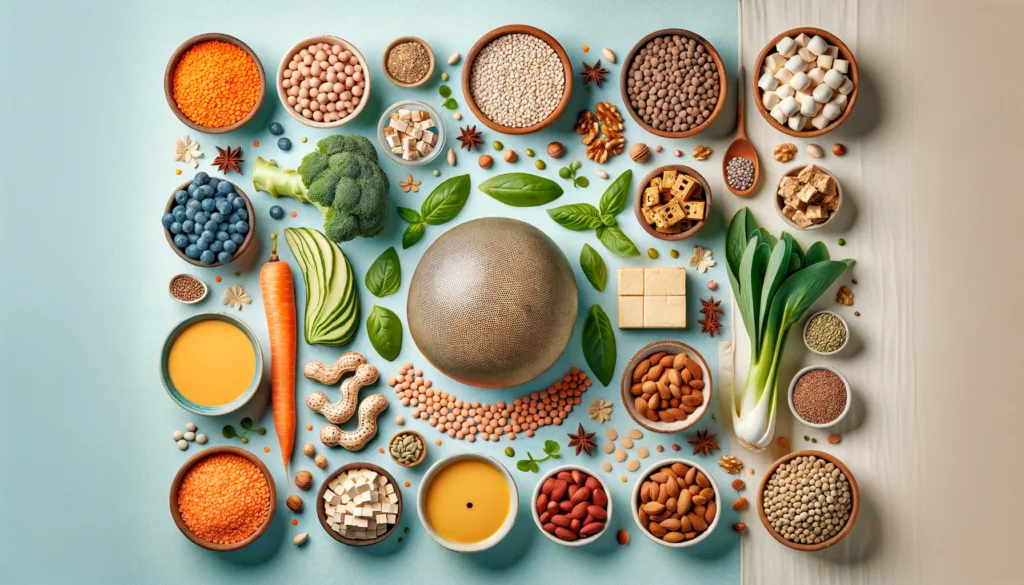
Pregnancy and Vegetarianism: Alternative Protein Sources Instead of Fish
During pregnancy, especially for expectant mothers who are vegetarian or vegan, alternative protein sources that can be used instead of fish consumption are of great importance. Balanced and adequate nutrition is critical to the health of both the mother and the developing baby. Here are some alternatives that can be consumed instead of fish that can provide high-quality protein and other nutrients:
Vegetable Protein Sources
- Lentils and Legumes: Legumes such as lentils, chickpeas, beans, and peas are rich in protein, fiber, iron, and folate. They provide these nutrients, which are especially important during pregnancy.
- Whole Grains: Whole grains such as quinoa, bulgur, and oats are both good sources of protein and contain fiber, B vitamins, and various minerals.
- Seeds and Nuts: Seeds and nuts such as chia seeds, flaxseeds, walnuts, almonds, and peanuts provide healthy fats, protein, omega-3 fatty acids, and vitamin E.
- Soy Products: Soy products such as tofu, tempeh, and edamame contain high-quality protein and are an important source of protein, especially for vegan diets.
Alternatives for Omega-3 Fatty Acids
While fish is one of the most well-known sources of omega-3 fatty acids, there are alternatives for vegetarians and vegans that can provide these nutrients:
- Flaxseed and Flaxseed Oil: Known for its high ALA (alpha-linolenic acid) content, which can be converted into DHA and EPA by the body.
- Walnuts: It is another vegetable source rich in ALA.
- Chia Seeds: They are rich in omega-3 fatty acids and are also high in protein and fiber.
- Seaweed and Microalgae: Most vegan omega-3 supplements are produced from microalgae, which can provide DHA and EPA directly. These supplements are especially beneficial for vegans and vegetarians.
Iron and Other Nutrients
Fish can be a good source of nutrients like iron and vitamin B12 , but there are vegetarian and vegan alternatives for these nutrients as well. For iron, spinach, dried fruits and cereal products; For B12 , supplements and enriched foods can be preferred.
Maintaining a vegetarian or vegan diet during pregnancy is possible with the right planning and diversification. Including these alternative protein sources instead of fish can ensure that all the necessary nutrients are taken for mother and baby. It is always recommended that you work with a healthcare professional or dietitian to create a diet plan that suits your individual nutritional needs.
Frequently Asked Questions About Fish Consumption During Pregnancy
Fish consumption during pregnancy is a topic that many expectant mothers are curious about. Here are some frequently asked questions about eating fish during pregnancy and their answers:
Can all fish be eaten during pregnancy?
No, not all types of fish are safe for pregnancy. Fish with a high mercury content (such as swordfish, shark, king mackerel and tilefish) should not be consumed during pregnancy. Preference should be given to fish containing low mercury (such as salmon, sardines, trout and anchovies).
How many times a week should fish be eaten during pregnancy?
Pregnant women can consume 2-3 servings (340 grams in total) of low-mercury fish per week. This limits your mercury exposure while allowing you to benefit from omega-3 fatty acids.
What is mercury and why should I be careful when consuming fish during pregnancy?
Mercury is a metal found in some species of fish, and at high levels, it can damage the brain and nervous system. Pregnant women should avoid fish with high mercury content due to the risk of the fetus being adversely affected by mercury exposure.
Is it safe to consume canned fish during pregnancy?
Yes, low-mercury fish such as canned sardines, salmon, and anchovies can be safely consumed during pregnancy. However, it is important to pay attention to the sodium content of canned fish; Opt for low-sodium options.
Should I take fish oil supplements during pregnancy?
Fish oil supplements may be recommended in some cases, especially because they are rich in omega-3 fatty acids. However, you should consult your doctor before taking any supplements.
What are the sources of omega-3s I can take instead of fish?
Apart from fish, there are also herbal sources of omega-3 fatty acids such as flaxseeds, walnuts, chia seeds and fish oil supplements obtained from oily fish. However, the use of omega-3 (ALA form) in plant sources by the body is different, and its conversion to DHA/EPA is at a lower rate.
Is cooked sushi safe during pregnancy?
Sushi with cooked fish is generally safe for pregnancy, but the freshness of the fish and hygiene conditions are important. Sushi and seafood containing raw fish can carry risks during pregnancy and should be avoided.
Myths and Facts About Fish Consumption During Pregnancy
There are common beliefs and misinformation about fish consumption during pregnancy. In this section, we will lay out the facts by debunking these myths so that expectant mothers can make informed decisions.
Myth: Any Kind of Fish Consumption During Pregnancy Is Harmful
Fact: The type of fish consumed during pregnancy is important. Fish with a low mercury content (such as salmon, sardines, trout, and anchovies) provide high nutritional value and can be safely consumed during pregnancy. However, fish with a high mercury content (such as swordfish, shark) should be avoided.
Myth: Fish Consumption During Pregnancy Negatively Affects the Baby’s Intelligence Development
Fact: On the contrary, consumption of fish rich in omega-3 fatty acids, especially DHA, is important for fetal brain and eye development. Consumption of fish with a low mercury content can have positive effects on the baby’s intelligence development.
Myth: Fish Is the Only Protein Source Safe for Pregnant Women
Fact: Fish is an excellent source of high-quality protein and omega-3 fatty acids, but pregnancy-safe protein sources aren’t limited to fish. Other protein sources such as lentils, legumes, tofu, and eggs can also be consumed during pregnancy.
Myth: Fish Consumption During Pregnancy Automatically Causes Mercury Poisoning
Fact: Directly linking fish consumption to mercury exposure is misleading. Consumption of fish with low mercury content, in recommended amounts during pregnancy, does not pose a risk of mercury poisoning.
Myth: All Seafood Is On The List To Avoid During Pregnancy
Fact: Some seafood, especially those low in mercury and well-cooked, can be safely consumed during pregnancy. The important thing is to avoid seafood that is high in mercury and consumed raw (for example, raw sushi).
Myth: It’s Always Safe to Consume Fish During Pregnancy
Fact: Fish consumption should be judged based on its type, quantity, and how it is prepared. It is recommended to avoid fish with a high mercury content and consume 2-3 servings of fish with a low mercury content per week.
These myths and realities should be taken into account when making decisions about eating fish during pregnancy . It is always best to discuss your nutrition plan with a healthcare professional, as your individual health situation and nutritional needs are specific and the best recommendations can be provided accordingly.