
Excess Amniotic Fluid During Pregnancy
Pregnancy is a unique process in which expectant mothers and babies go through many changes physically and emotionally. In this process, the baby in the womb grows in a safe environment thanks to the amniotic fluid that supports its development and protects it. However, sometimes there may be an increase in the amount of this fluid more than expected. This condition, called “polyhydramnios” in the medical world, can have significant effects on both maternal and infant health.
In this article, we will discuss in detail what amniotic fluid is, its functions, and the causes and symptoms of polyhydramnios. If you have encountered such a situation during pregnancy or are wondering, you are in the right place!
What is Amniotic Fluid and What Are Its Functions?
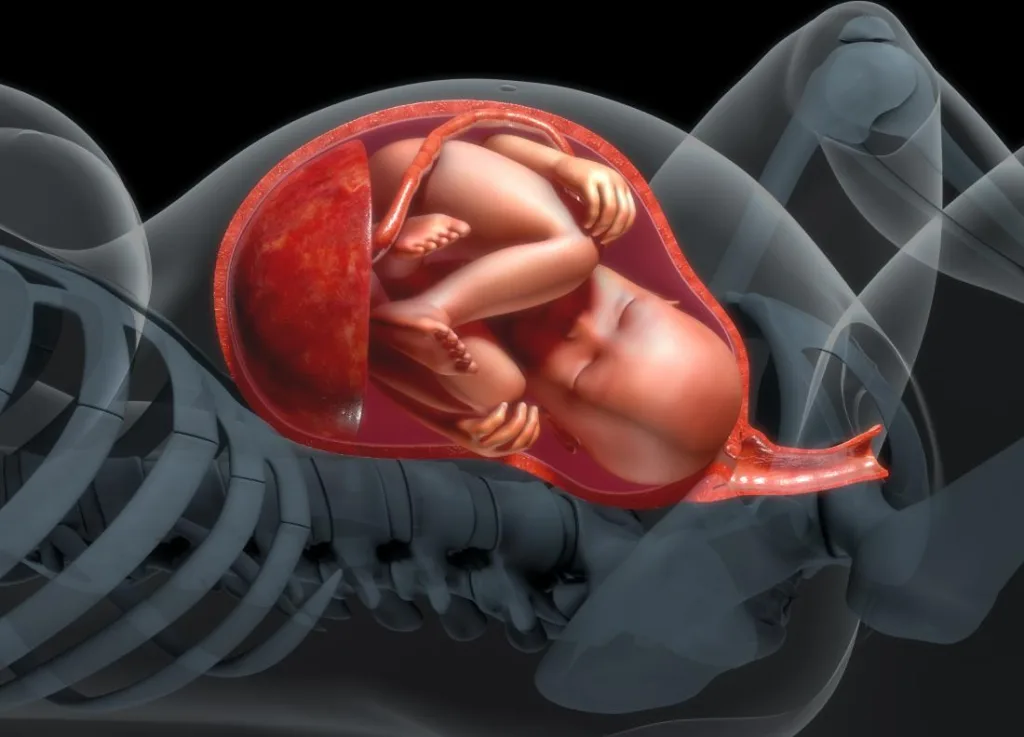
Amniotic fluid is a clear and slightly yellowish fluid that fills the sac in which the baby is located during pregnancy. During pregnancy, this fluid plays a vital role in the development of the baby. The amniotic fluid, which is largely formed by the fluids coming from the mother’s body in the first weeks, continues to be produced in the following weeks with the work of the baby’s kidneys.
So, what are the functions of amniotic fluid? Here are some of the key benefits of this miraculous liquid:
- Protective Barrier: Amniotic fluid protects the baby against external impacts and pressure.
- Provides Space for Development: It creates a flexible and comfortable space for the baby to move, thus supporting muscle and bone development.
- Temperature Balance: It maintains a constant temperature inside the womb, thus supporting the growth of the baby in an ideal environment.
- Protection Against Infection: It acts as a natural barrier that protects the baby from germs and infections.
- Lung and Digestive Development: When the baby swallows the liquid and exhales it again, it helps the lungs and digestive systems develop in a healthy way.
The amount of amniotic fluid can vary throughout pregnancy. In a normal pregnancy, the amount of fluid is usually between 500 and 1000 milliliters. But if this amount increases abnormally, the condition called polyhydramnios occurs.
What is Excess Amniotic Fluid (Polyhydramnios)?
Polyhydramnios is a complication of pregnancy in which the amount of amniotic fluid is higher than normal. It usually occurs in the second or third trimester of pregnancy and occurs in about 1-2% of expectant mothers.
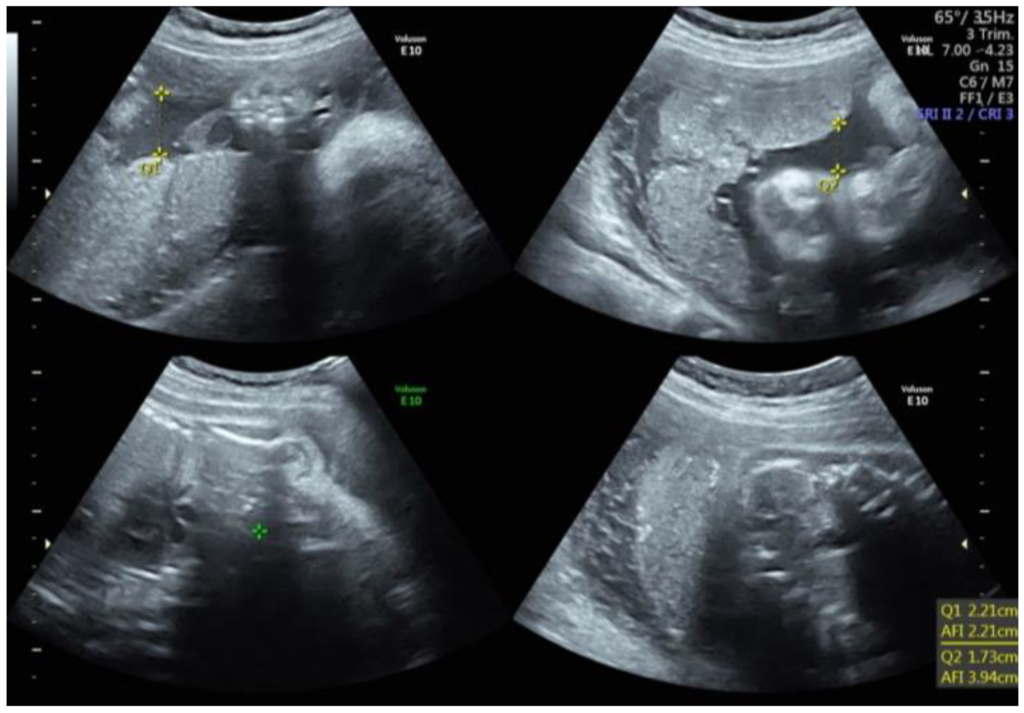
Ultrasound is often used to detect this condition and the amount of fluid is evaluated by methods called “amniotic fluid index” (AFI) or “measurement of the deep pocket”. Normally, AFI is expected to be between 8 and 18 cm, while values above 25 cm are defined as polyhydramnios.
The causes of polyhydramnios may vary. These generally fall into the following categories:
- Maternal Causes: Conditions such as gestational diabetes, infections and incompatibilities due to the mother’s blood type.
- Baby-Related Causes: Problems with the baby’s swallowing reflex, nervous system problems or digestive system anomalies.
- Idiopathic Conditions: In some cases, no obvious cause may be found, which is called “idiopathic polyhydramnios”.
Symptoms of polyhydramnios are usually manifested by complaints such as excessive growth in the mother’s abdomen, shortness of breath, and the risk of premature birth . However, not every expectant mother may experience these symptoms, so regular doctor check-ups are of great importance.
Causes of Excess Amniotic Fluid
Polyhydramnios can be caused by many factors that can affect the expectant mother and the baby. Although the cause of this condition is not always clearly determined, it is usually caused by a combination of several different factors. Here are the most common causes of polyhydramnios:
1. Maternal Causes
- Gestational Diabetes: Diabetescan affect the blood sugar levels of expectant mothers, leading to an excessive increase in amniotic fluid. Women with gestational diabetes have a higher risk of polyhydramnios.
- Blood Incompatibility: When there is a mismatch between the blood types of the mother and the baby, the baby’s blood cells can be attacked by the maternal immune system. This can cause an increase in fluid.
- Infections: Some infections during pregnancy (such as toxoplasma, cytomegalovirus) may increase the risk of polyhydramnios.
2. Baby-Related Causes
- Digestive System Problems: If the baby is unable to swallow amniotic fluid or if the digestive system does not work properly, the fluid cannot be reabsorbed normally. For example, a congenital obstruction in the esophagus (esophageal atresia) can cause this condition.
- Nervous System Problems: Problems in the development of the central nervous system can affect the baby’s swallowing reflex, leading to fluid accumulation.
- Genetic and Chromosomal Abnormalities: Down syndrome or other chromosomal abnormalities may be associated with polyhydramnios.
3. Multiple Pregnancy
Polyhydramnios is more common in expectant mothers carrying twins or more babies. In particular, “twin-to-twin transfusion syndrome” (TTTS), which causes fluid transfer from one baby to another, can trigger this condition.
4. Idiopathic Conditions
In about 50% of all cases, no obvious cause can be found. Such conditions are called “idiopathic polyhydramnios” and are usually mild.
Symptoms and Diagnosis of Polyhydramnios
Polyhydramnios is usually manifested by physical changes and discomfort noticed in the expectant mother. However, in mild cases, no symptoms may be noticed. Here are the symptoms and diagnostic methods of polyhydramnios:
Symptoms of Polyhydramnios
- Rapid Abdominal Growth: When the amniotic fluid is more than normal, the expectant mother’s belly may grow faster than expected. This can cause a feeling of tension and discomfort in the expectant mother.
- Dyspnea: Excess fluid can push the mother’s diaphragm up, making it difficult to breathe.
- Abdominal Pain and Tension: A feeling of extreme tightness and discomfort in the abdomen is a common symptom of polyhydramnios.
- Swelling in the Legs and Feet: The increase in fluid can affect the mother’s circulatory system, causing edema.
- Signs of preterm labor: Overstretching of the uterus can trigger premature birth. Therefore, irregular contractions can be an important sign.
Diagnosis of Polyhydramnios
- Physical Examination: If the doctor measures the expectant mother’s abdomen and notices a larger growth than expected, polyhydramnios may be suspected.
- Ultrasound Review: Ultrasound is one of the most effective methods in the diagnosis of polyhydramnios. The amount of fluid is evaluated by “amniotic fluid index” (AFI) or “maximum vertical pocket” (MVP) measurements. An AFI above 25 cm indicates polyhydramnios.
- Maternal Blood Tests: Blood tests may be done to detect conditions such as gestational diabetes, infections, or blood incompatibility.
- Fetal Assessment: The anatomical structure and general health of the baby are examined by ultrasound. In particular, abnormalities of the digestive system and nervous system are investigated.
When you experience one or more of the symptoms of polyhydramnios, it is extremely important to consult a specialist and perform the necessary examinations. Early diagnosis plays a critical role in protecting the health of mother and baby.
Effects of Polyhydramnios on Mother and Baby
Although polyhydramnios may seem like just an increase in the amount of fluid, it can lead to a variety of health problems for both mother and baby. The effects usually vary depending on how much fluid is too much and the underlying cause.
Effects on the Mother
- Risk of Preterm Birth: The increase in amniotic fluid can overstretch the uterus and initiate premature labor pains.
- Dyspnea: The increased fluid can push the mother’s diaphragm up, causing breathing difficulties.
- Placental Abruption: Polyhydramnios can increase the risk of premature separation of the placenta that feeds the baby from the uterine wall. This condition requires immediate medical attention.
- Risk of Preeclampsia: Excess fluid can increase the mother’s blood pressure, leading to preeclampsia.
- Abdominal Pain and Tension: As the uterus expands, pain and pressure may occur in the mother’s abdomen.
- Rupture of the uterus: The risk of rupture in an overstretched uterus increases, especially if a cesarean delivery was performed in previous pregnancies.
Effects on the Baby
- Birth Defects: Polyhydramnios are often associated with abnormalities of the baby’s digestive system or nervous system.
- Complications of Preterm Birth: Complications such as respiratory problems and low birth weight are more common in premature babies.
- Cord Problems: Excess fluid can increase the baby’s mobility, increasing the risk of cord entanglement or cord prolapse.
- Risk of Stillbirth: In severe cases of polyhydramnios, problems with the baby’s vital organs can lead to stillbirth.
Polyhydramnios Treatment Methods
Treatment for polyhydramnios varies depending on the severity of the condition, the underlying causes, and the week of pregnancy. The goal of treatment is usually to keep the amount of fluid under control and to protect the health of the mother and baby.
1. Lightweight Polyhydramnios
In mild cases, regular follow-up may be sufficient without the need for any intervention. Doctors may perform frequent ultrasounds to monitor the amount of fluid and the baby’s development.
2. Treatment of the Underlying Cause
- Gestational Diabetes: The amount of fluid can be reduced by controlling diabetes. This is usually achieved through diet, exercise and, if necessary, insulin therapy.
- Infections: If an infection is detected in the expectant mother, appropriate antibiotic treatment can be applied.
- Blood Incompatibility: In case of fluid increase due to blood incompatibility, the baby’s condition is closely monitored and, if necessary, special treatments are applied.
3. Drug Therapy
In some cases, medication may be used to reduce fluid production. For example, a drug called “indomethacin” can control fluid accumulation by reducing fluid production from the baby’s kidneys. However, this drug is usually not used after the 32nd week of gestation.
4. Amniorreduction
In severe cases of polyhydramnios, a procedure called amniorreduction may be performed. During this procedure, excess amniotic fluid is drained with the help of a needle. This method can reduce the risk of premature birth while allowing the mother to relax.
5. Birth Planning
If the pregnancy is in the last trimester and the fluid increase cannot be controlled, the doctor may recommend inducing labor. This is an intervention to protect the health of the mother and baby.
Methods of Dealing with Polyhydramnios and Prevention
Although polyhydramnios cannot be prevented, it is possible to minimize risk factors and mitigate the effects of the condition. Here are the precautions that can be taken in this process:
1. Regular Doctor Check-ups
Regular doctor visits throughout pregnancy are critical for early detection of conditions such as polyhydramnios. Ultrasound and other screening tests are used to check the amount of fluid.
2. Control of Gestational Diabetes
If you are at risk of gestational diabetes, you can keep your blood sugar levels under control by following a balanced diet and regular exercise program. Management of diabetes can significantly reduce the risk of polyhydramnios.
3. Healthy Diet and Adequate Water Consumption
Follow a healthy diet and drink enough water to maintain the body’s fluid balance. However, avoid excessive fluid consumption, as this can increase fluid accumulation.
4. Monitoring Risk Factors
If you have had a pregnancy complication or have a history of a genetic disease, tell your doctor about it. Knowledge of the risk factors allows for early intervention of the condition.
5. Stress Management
Stress experienced during pregnancy can negatively affect the overall health of the expectant mother. Stress-reducing methods such as meditation, light exercises, or breathing techniques will make you feel more relaxed during this period.
Frequently Asked Questions About Excess Amniotic Fluid
What postpartum problems can polyhydramnios cause in the baby?
Polyhydramnios can increase the risk of the baby having postpartum breathing problems, low birth weight, and sometimes problems with the digestive system. However, this condition often depends on the underlying cause. These risks can be minimized with regular doctor check-ups and appropriate treatment.
Is normal delivery possible if polyhydramnios is severe?
If polyhydramnios is severe, normal delivery can be challenging because excess fluid can put pressure on the birth canal or cause complications such as cord entanglement. However, depending on the severity of the condition and the doctor’s recommendations, in some cases, a normal delivery can be performed. In severe cases, a cesarean section is usually recommended.
Does polyhydramnios affect baby’s movements?
Yes, excess fluid can affect baby movements. Usually, the baby can move more freely, but excessive mobility can increase the risk of cord entanglement. Expectant mothers should carefully monitor changes in baby movements and consult their doctor if they feel anything unusual.
Does polyhydramnios increase weight gain during pregnancy?
Polyhydramnios is not directly related to weight gain. However, due to the excess fluid, the abdomen may be more enlarged, and this may seem to cause the mother to gain weight. A healthy diet and regular follow-up help keep this condition under control.
In cases where there is too much amniotic fluid, does baby water decrease spontaneously?
In some mild cases of polyhydramnios, the amount of fluid may spontaneously return to normal. However, a cause is usually found, and resolving the underlying problem is important to regulate the amount of fluid. It can be risky to leave this situation on its own without a doctor’s control.
In which week of pregnancy is polyhydramnios more common?
Polyhydramnios usually occurs in the second or third trimester of pregnancy. During these weeks, as the baby grows and the production of amniotic fluid increases, the condition becomes more pronounced. It is rare to see it in the first trimester.
Is polyhydramnios a recurring condition?
Yes, women who have previously experienced polyhydramnios can also have this condition in subsequent pregnancies. Especially if the underlying cause persists (e.g. diabetes or genetic predisposition), the risk may increase. Therefore, stricter follow-up is recommended in subsequent pregnancies.
Is it safe to travel with polyhydramnios?
Expectant mothers diagnosed with polyhydramnios are advised to avoid long-distance travel, especially in the later weeks of pregnancy. It is important to consult with your doctor before traveling, as this can increase the risk of preterm birth or other complications.
Dealing with polyhydramnios is possible with the right information and proper support. You should always follow your doctor’s recommendations and be aware of the symptoms. Remember, the health of you and your baby is a top priority. 😊
NOTE: This article is for informational purposes only, remember that you should always consult your doctor.
Source: WinMec