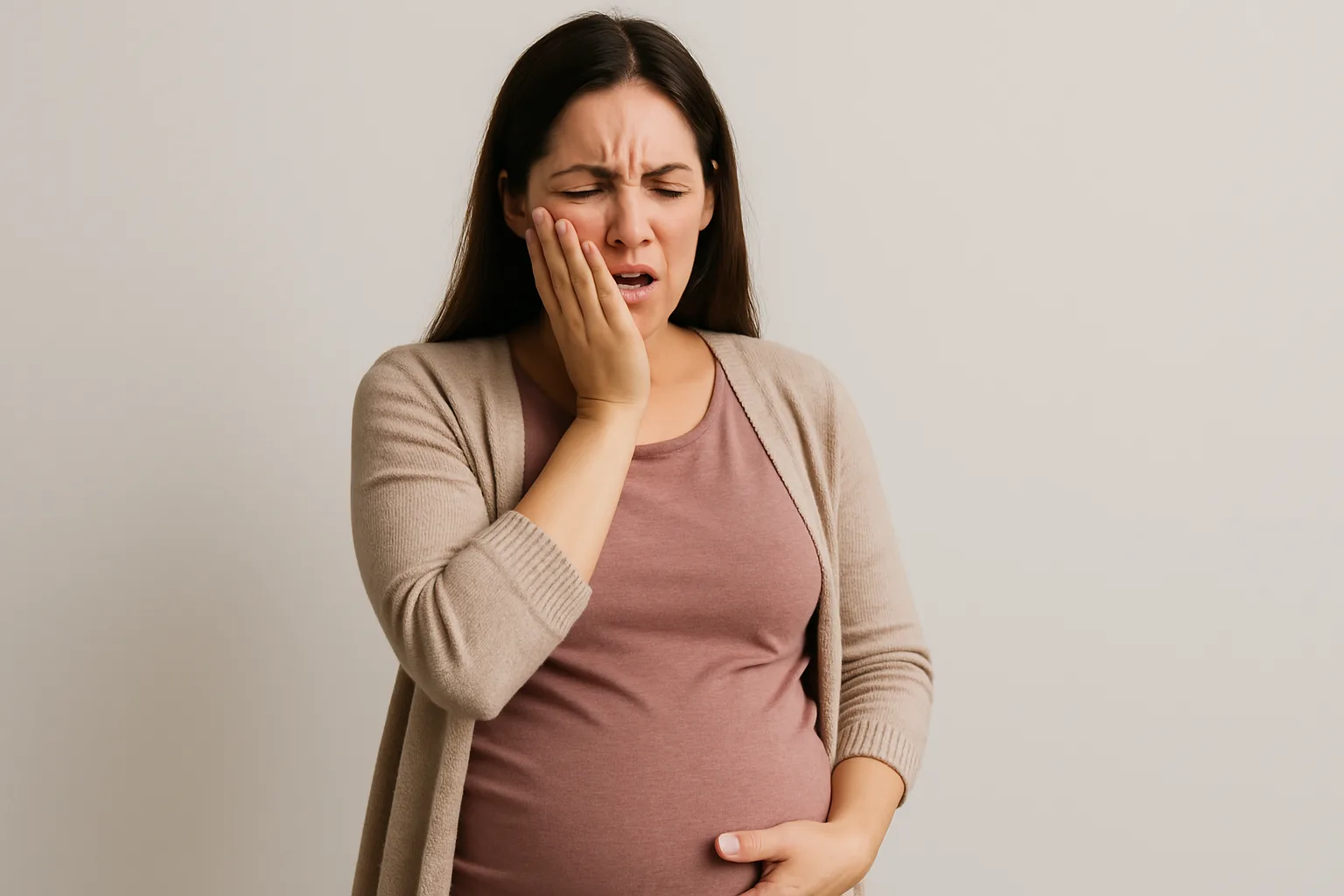
Gum Inflammation During Pregnancy
Gum inflammation during pregnancy is a common condition that many expectant mothers encounter, but is not well known. Hormonal changes during pregnancy affect oral health, as they do in every part of the body. In particular, the increase in progesterone and estrogen hormones causes the gums to become sensitive and more prone to inflammation.
What Causes Gum Inflammation During Pregnancy?
The main cause of gingivitis during pregnancy is pregnancy hormones. These hormones increase blood flow to the gums, increasing sensitivity. In addition, plaque and bacteria in the mouth become difficult to clean, resulting in gingivitis. In addition, changes in the immune system during pregnancy can also trigger gum problems.
What are the symptoms of gingivitis during pregnancy?
The symptoms of gingivitis during pregnancy are quite obvious:
- Redness and swelling of the gums
- Bleeding while brushing teeth or spontaneously
- Tenderness and pain
- Receding gums
- Bad odor and taste change in the mouth
If you experience any of these symptoms, you should definitely consult a dentist.
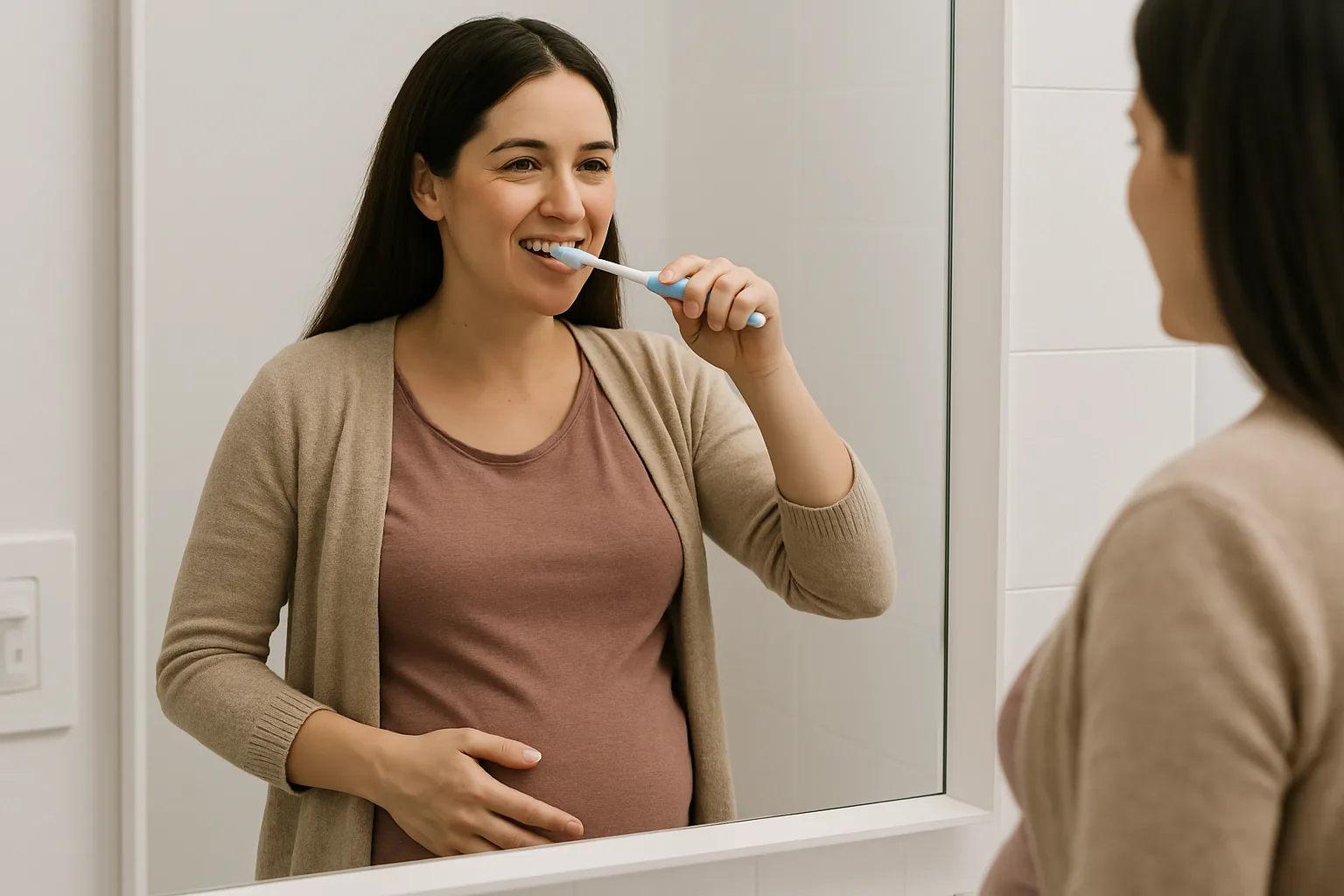
What to Do to Prevent Gum Infection During Pregnancy
You can take some simple precautions to protect yourself from gingivitis during pregnancy:
- Brush your teeth regularly, at least twice a day and, if possible, after every meal.
- Do not neglect using dental floss.
- Reduce bacteria in your mouth by using antibacterial mouthwashes.
- Pay attention to a healthy and balanced diet; especially consume foods rich in vitamins C and D.
- Visit the dentist regularly and have professional teeth cleanings.
What Happens If Gum Inflammation Is Not Treated?
If gingivitis is left untreated during pregnancy, it can lead to more serious problems. There is a risk of receding gums, tooth loss, and even further infection that can harm the baby. Some studies even suggest that untreated gingivitis can increase the risk of premature birth.
How to Treat Gum Inflammation?
Treatment for gingivitis during pregnancy usually begins with a professional cleaning. Your dentist will help eliminate the inflammation by removing plaque and tartar. Depending on the severity of your condition, he or she may also recommend special mouthwashes and antiseptic solutions. Your problems can be controlled with treatment methods that are safe during pregnancy.
Natural Remedies for Gum Inflammation During Pregnancy
You can also take precautions against gingivitis during pregnancy with simple methods that you can apply at home:
- The method of rinsing your mouth with coconut oil (oil pulling) can prevent bacterial growth.
- Gargling with warm salt water may help reduce inflammation.
- Gargling with herbal teas such as sage and chamomile is also among the effective methods.
Frequently Asked Questions
Does gingivitis harm the baby?
If left untreated, it can turn into serious infections and this can increase risks such as premature birth. However, with timely treatment, the risks are greatly reduced.
When does gingivitis start during pregnancy?
It usually begins in the second month of pregnancy and becomes more noticeable in later stages of pregnancy.
Does gingivitis go away after birth?
Symptoms usually decrease or disappear completely after birth as hormone levels return to normal, but it is important to constantly monitor your gum health.
Healthy Gums, Happy Pregnancy
Gum inflammation during pregnancy is like a little game of hormones. But you can easily manage this process with the right steps. Work with your dentist, take care of your oral care and pay attention to your diet. In this way, both you and your baby can go through this period with a healthy smile. Remember, this is a temporary sensitivity and you have the strength to overcome it. Come on, grab your toothbrush today and take action to protect that beautiful smile!