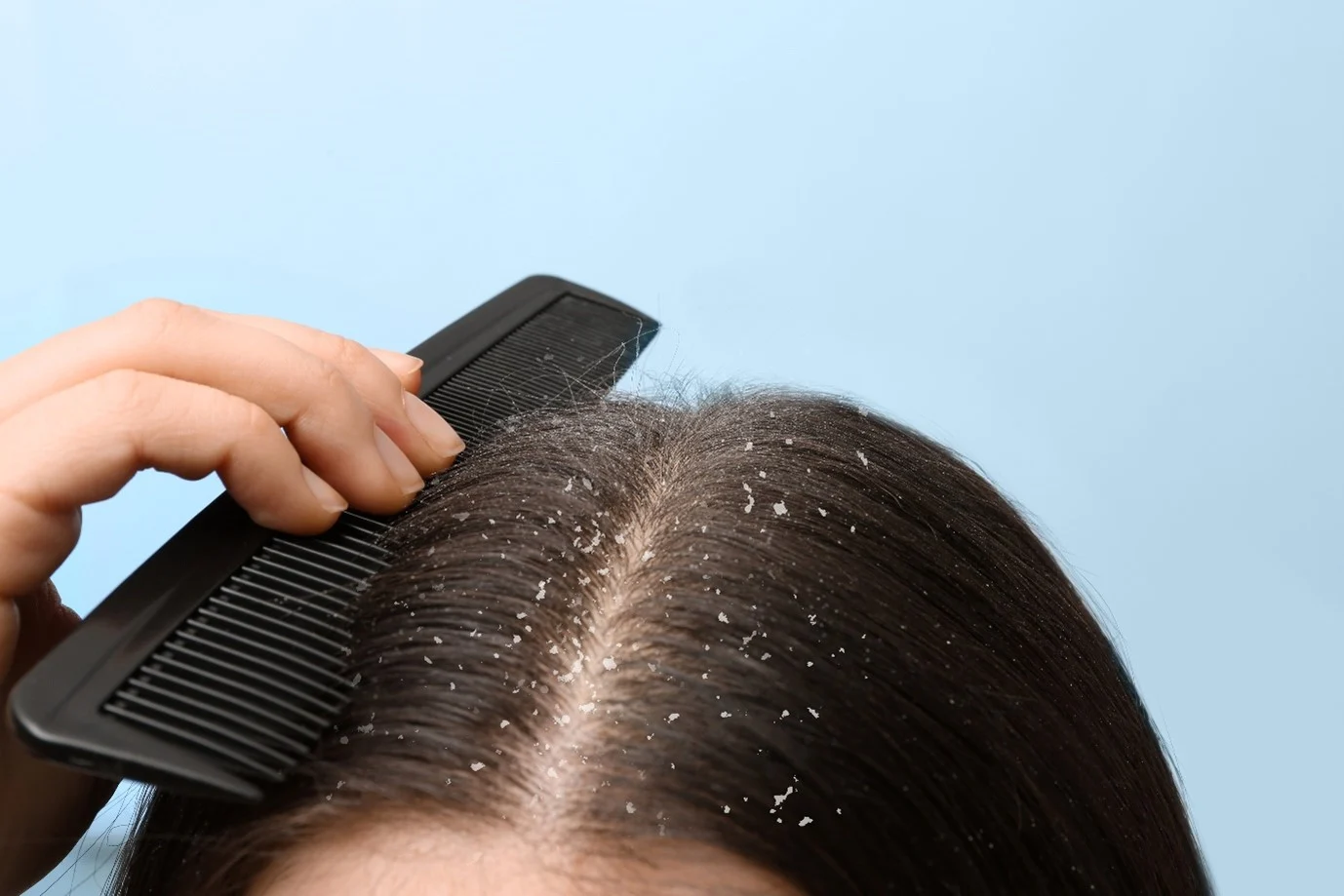
What causes dandruff during pregnancy?
What causes dandruff during pregnancy? The question is wondered by expectant mothers who have the problem of dandruff . In this article, we will talk about what causes dandruff during pregnancy. What are the natural methods that can be applied for dandruff during pregnancy? What are the harmless shampoos that can be used for dandruff during pregnancy? We will try to answer such questions.
When you are pregnant, many changes happen in your body. While pregnancy can be exciting, unwanted pregnancy symptoms, such as dandruff , can upset you. In addition to being an annoying condition for some women, dandruff can also be a source of embarrassment. And dealing with dandruff during pregnancy can be an additional problem. Finding the causes of this condition and remedies to solve the dandruff problem is the key to combating dandruff during pregnancy. So don’t worry and sit back!
Is It Normal to Have Dandruff During Pregnancy?
Dandruff is a problem with the scalp that results in flaking and itching. Most people think that dandruff is caused by not washing the hair regularly.
The process of dead skin cells shedding to make room for newer cells is natural and continues throughout our lives. Only when the process is faster does the scalp become covered with scales, which we know as dandruff.
Doctors often encounter the question of their pregnant patients: what causes pregnancy hair dandruff? The answer is simple. Dandruff during pregnancy is quite common, and many women experience dandruff during pregnancy. Some of the reasons why you might get dandruff while pregnant include:
- Dandruff can occur due to the presence of a yeast (fungus) called Malassezia, which is present in the sebaceous secretion on the skin.
- It can be caused by dysregulation of the immune system.
- Dandruff can occur due to neurological and psychiatric conditions such as Parkinson’s disease and depression.
- The intake of certain medications can trigger dandruff.
What Causes Dandruff During Pregnancy?
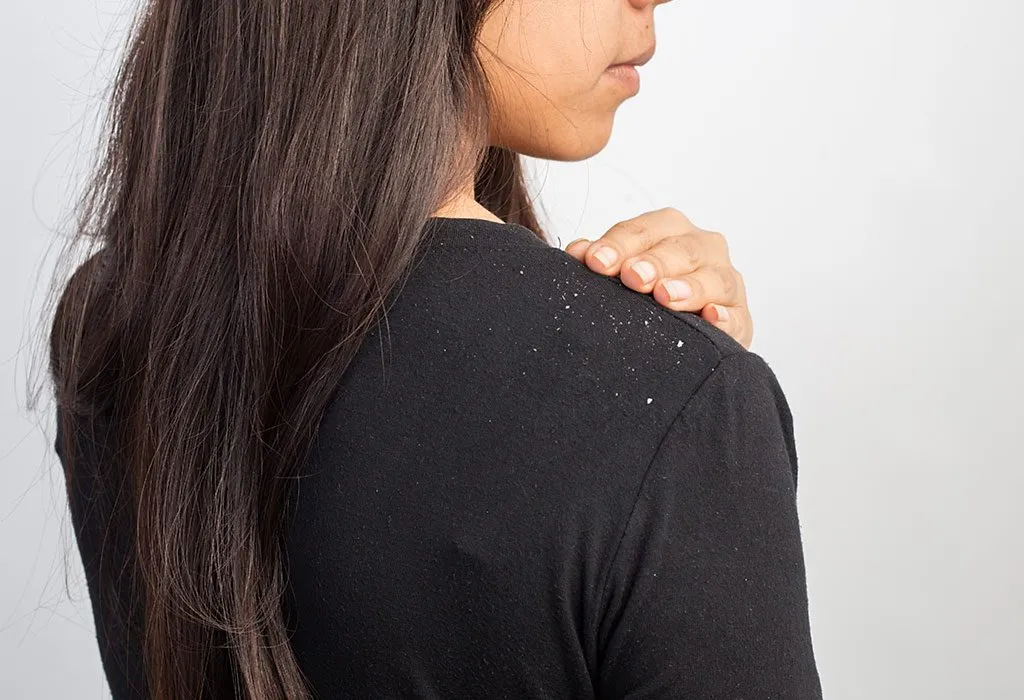
Dandruff occurs as a result of an overgrowth of scalp cells. This can be caused by many reasons, some of which are not linked to your current pregnant status. The main culprit of dandruff during pregnancy is usually hormonal fluctuations. Let’s take a look at this in detail:
Increased Oil Level
Hormonal changes during pregnancy affect your skin in more ways than one. During these months, your skin will produce more oil, which will lead to a higher rate of new cells being produced. This condition is responsible for the rapid formation of a fat layer that causes the scalp to become covered with scales.
Increased Sensitivity to Shampoos, Hair Oils, and Conditioners
The most contributors to the appearance of dandruff during pregnancy are hair care products such as hair oils, shampoos and conditioners. The uncharacteristic exfoliation of skin cells is solely the result of your skin’s protective response. Even if your skin is used to these products and you didn’t change the brand of shampoo during pregnancy, it’s just that your scalp reacted differently that caused flaking.
Overreaction of the body
During pregnancy, a woman’s body is overly sensitive, and due to her low immune strength, there is a high probability of contracting fungal infections. During pregnancy, the body becomes extra sensitive and tries to distance itself from these microorganisms that cause itching or exfoliation on the scalp.
Bile Accumulation
The accumulation of bile on the skin can cause scalp itching that leads to dandruff. The accumulated bile acid causes the release of inflammatory molecules from the cells, resulting in an itchy condition.
Changes in hormonal levels
Due to the reduced hepatic flow during pregnancy, there are constant levels of hormones and cholesterol in the body. These changes promote the growth of dandruff-causing microbes that persist and multiply on the skin.
Polycystic Ovary Syndrome (PCOS)
Women with PCOS or higher levels of the male hormone have fluid-filled cysts or sacs in their ovaries. The condition can also lead to dandruff.
Chronic Metabolic Disorder
Metabolic disorders can affect the sebaceous glands. Abnormal functioning of these glands can cause dandruff.
Oily Skin
Pregnancy is linked to an increase in the skin’s oil production. Having oily skin can attract lipophilic fungi like Malassezia, which can lead to dandruff.
Dandruff Treatment During Pregnancy
It is possible to control dandruff during pregnancy, but you may have to endure several trial and error methods until you find the right solution. Aside from the various medications that your doctor may prescribe if necessary, shampoos usually work in the case of mild dandruff. However, it is best to consult your doctor instead of self-medicating, as the drugs can have side effects on the user. There are a variety of topical creams, gels, and sprays available that can provide relief from this uncomfortable condition. It should only be taken under medical supervision, paying close attention to the dose and duration of treatment.
Is It Safe To Use Dandruff Shampoos?
It is quite common to suffer from dandruff or dry scalp during pregnancy. If regular shampoos are ineffective in treating your condition, dandruff shampoos available in medical stores should be a good alternative. You need to use dandruff shampoos that are safe for pregnancy. Keep in mind that all dandruff shampoos are different, and you’ll need to experiment a bit before you find one that’s right for you. In case of any irritation, such as itching, burning, stinging, or redness, stop using it and talk to your doctor.
Ketoconazole Shampoos
Ketoconazole is an antifungal agent that works when other shampoos are ineffective. It can be purchased without a prescription, but you can ask your doctor to write a prescription. However, keep in mind that repeated use makes the fungus resistant, so you should take it after consulting your doctor.
Pyrionic Zinc Shampoos
Shampoos containing zinc pyrithione have antibacterial and antifungal properties. This shampoo can reduce the fungus on your scalp that causes dandruff and seborrheic dermatitis.
Selenium Sulfide Shampoos
These shampoos slow down the process of skin cells dying. The fungicidal activity seen with these shampoos is often effective. However, after shampooing, you should rinse your hair thoroughly.
Natural Remedies for Dandruff During Pregnancy
The following time-tested solutions have proven to be life-saving when it comes to dandruff and dandruff during pregnancy. Try to find out their effectiveness for yourself.
Apple Cider Vinegar
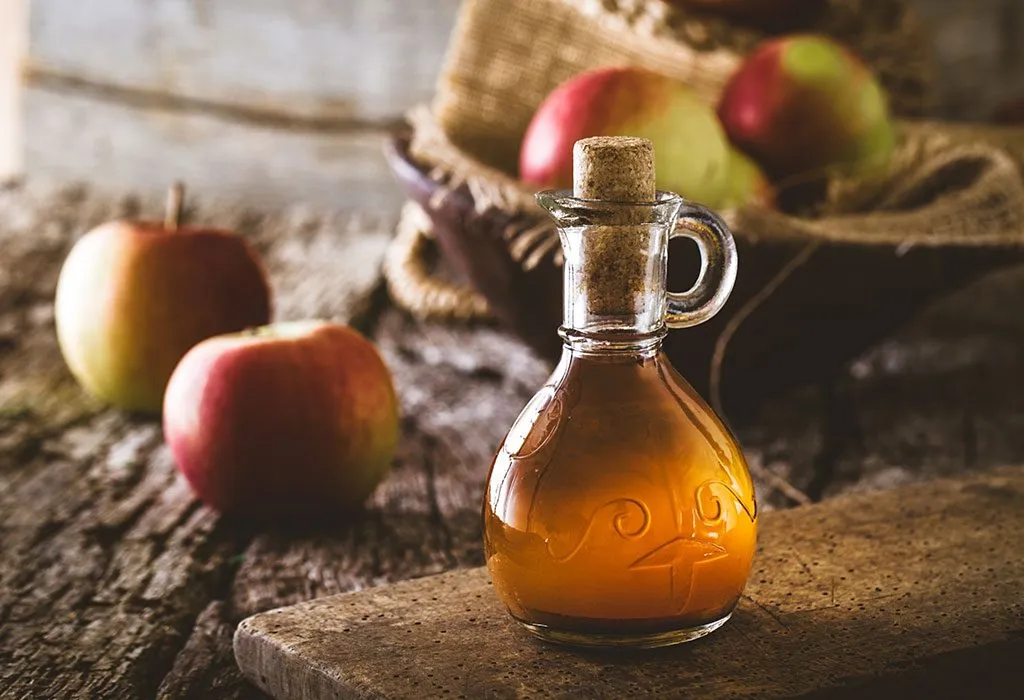
Used as a purifying scalp treatment for those suffering from dandruff, apple cider vinegar can be used effectively as a natural remedy for dandruff. Even during pregnancy, it will not be harmful if it is applied locally, mixed with water in equal proportions. The acidity of vinegar lowers the scalp pH and makes it inconvenient for dandruff-causing microbes to grow. Apple cider vinegar also has antimicrobial and anti-inflammatory properties that destroy the fungus that causes dandruff and keep the scalp clean. You can mix apple cider vinegar with twice the water and apply it to your scalp half an hour before shampooing your hair.
Aloe Vera
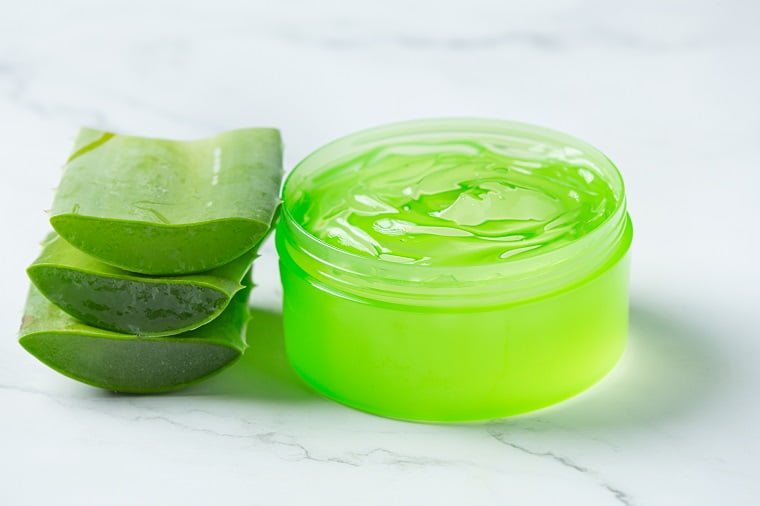
Your dandruff problem during pregnancy can be easily solved with aloe vera. It can effectively provide relief from an itchy scalp. Its anti-inflammatory effect, combined with its moisture-retaining properties, can help keep the scalp’s natural moisture intact and control dryness and exfoliation. Its natural antifungal properties help remove yeast and fungus that cause dandruff on the scalp. It soothes and moisturizes the scalp, thereby removing dead cells from the skin.
Aloe vera is packed with a number of cleansing enzymes that are powerful enough to remove dandruff and dead skin cells from the scalp. It can be used as a standalone natural remedy or in combination with any other natural remedy to eliminate irritating flakes. For best results, pure aloe vera can be applied directly to the scalp in the form of a massage.
Garlic and Argan Oil
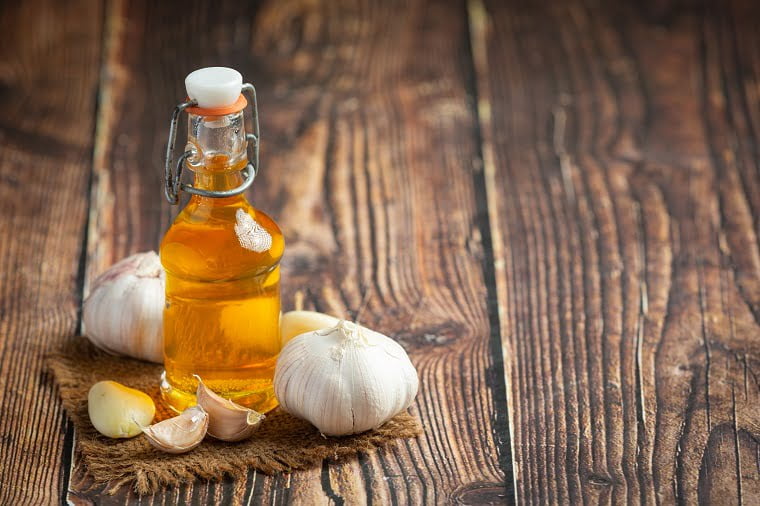
Garlic, which has anti-fungal and anti-bacterial properties, can be rubbed into the scalp for about half an hour before shampooing. In a bowl, mix a little garlic paste, 2-3 cloves and a tablespoon of honey. You can rub this directly on your scalp. This mixture will help improve blood flow to the scalp and remove dust, dirt, and other impurities that have accumulated in the hair. You can also soak finely chopped garlic in argan oil and store it in a bowl. You should only use this once a week.
Coconut Oil
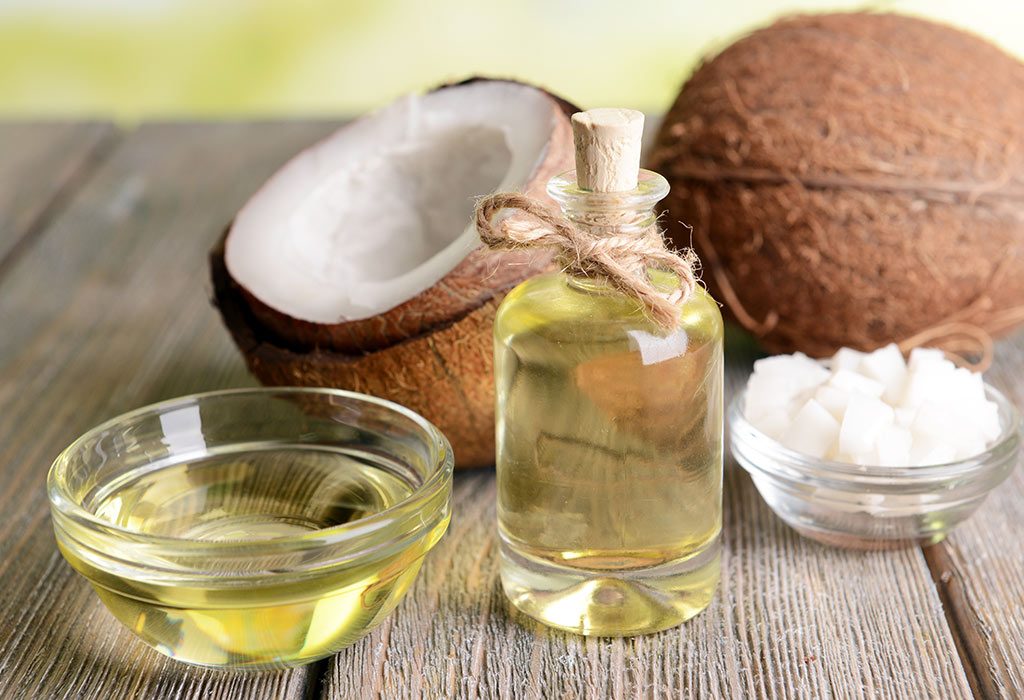
Mix 100 ml of coconut oil with 10 ml of neem oil or 2 ml of tea tree essential oil. The mixture of the two can be safely applied to the scalp overnight and washed off in the morning. You can let your hair sit for up to 2 hours before rinsing it. This is the most widely used and safest method for pregnant women to get rid of dandruff.
Sea Salt

Add 2-3 tablespoons of pure sea salt to an oily shampoo and gently exfoliate the scalp. Use a conditioner after exfoliation. This treatment will help in the treatment of dry skin, which is the cause of dandruff.
Olive oil

Olive oil has been used in skin treatments for centuries. It is widely used as one of the components of anti-dandruff shampoos.
Sage
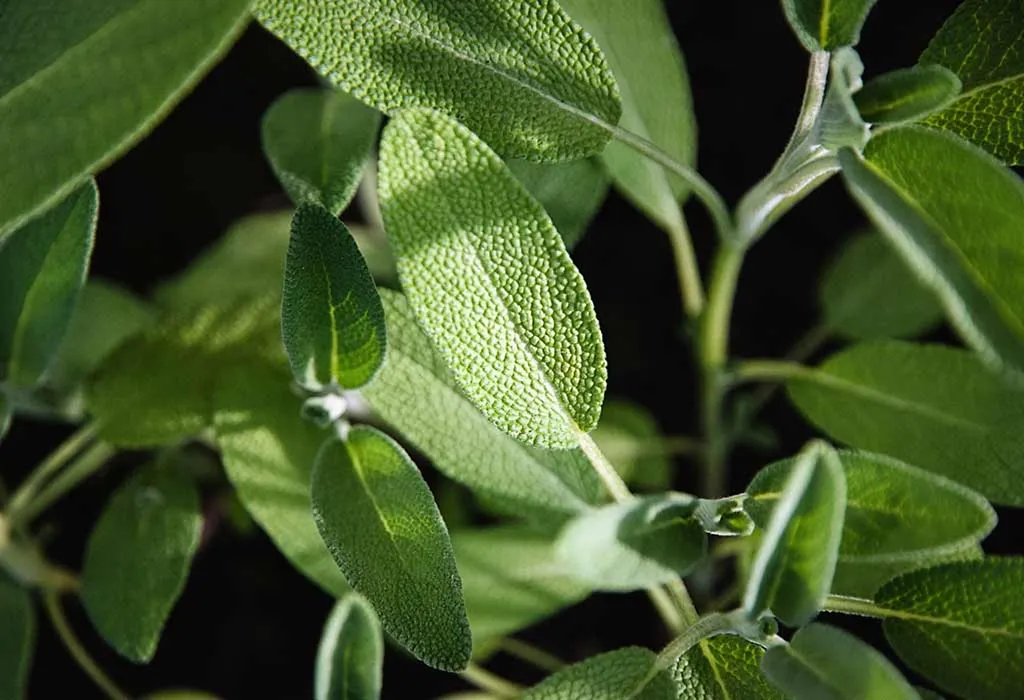
Massaging the scalp and hair with a little sage extract can work wonders in treating dandruff. It has traditionally been used to treat dandruff and oily hair.
Rosemary
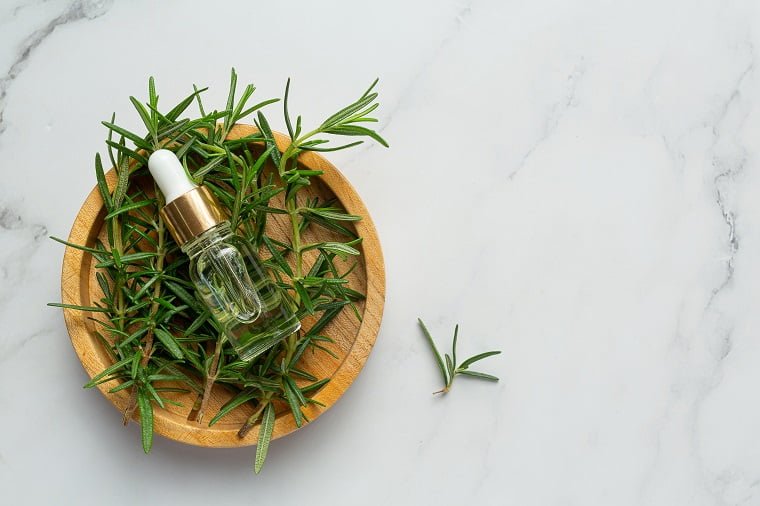
Rosemary acts as a nourishing conditioner and can also help fight dandruff.
Thyme
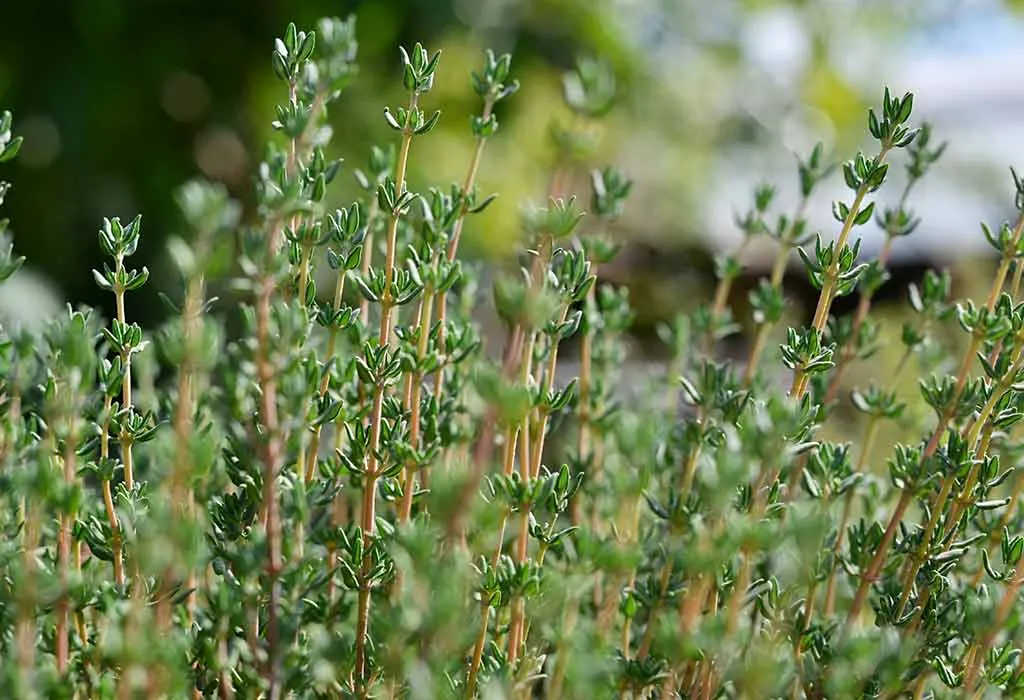
You can apply thyme to your scalp. It is often used in combination with rosemary to keep the hair and scalp healthy.
Walnut
Walnut leaves have traditionally been used to treat skin and scalp problems. It provides a soothing effect on itchy skin.
Hair care is an important part of our care and is absolutely necessary during pregnancy. Keeping the scalp and hair clean, maintaining proper nutrition, and keeping stress levels to a minimum can all help treat dandruff.
Resources: