How Does Childbirth Begin? The 3 Stages of Childbirth
“How Does Labor Begin?” This exciting question may be the main issue on your mind as you, your beloved mother-to-be, approach one of the most miraculous moments of your life. The excitement, curiosity, and perhaps a little bit of anxiety you feel at the beginning of this process are completely natural and understandable emotions. This is the first time this experience has happened for you, and it is an honor for us to guide you.
The onset of labor is when your body and your baby prepare you for a new beginning. Every contraction and every breath brings you one step closer to meeting your baby. In this article, we will provide you with information that will accompany you from the beginning of the birth process. We will tell you about the changes in your body, the signs of labor, when you need to go to the hospital and the stages of labor. You’ll also find out how to deal with labor pains, the postpartum recovery process, and answers to frequently asked questions.
Remember that you are not alone on this journey. Millions of women have had this experience and discovered their strength, love, and maternal instincts. Now take a deep breath, remember that you are strong and brave, and let’s embark on this miraculous journey together.

How Does Childbirth Begin?
Childbirth can begin in many different ways, and each woman’s experience is unique. That’s why we’ve created this article as a guide to how this particular process works. We aim to inform you, empower you and shed light on what to expect during the birth process.
It’s important to understand the onset of labor, to know when contractions are telling you when to go to the hospital, and to be able to read your body’s signals. Here in this article, we’ll look at ways to recognize the onset of labor, the stages of labor, and the options that work best for you at each stage.
In this article, we will not only provide information, but also provide supporting information that will be with you at every stage of the birth process. Because you have to remember that you are not alone in this journey, and millions of women have lived through this experience and discovered their self-confidence and maternal instincts.
Now, let’s take the first step of this miraculous journey together and discover how birth begins. Are you ready? Take a deep breath, find a comfortable position, and dive into this knowledge-packed guide.
Changes in the body in the last weeks of pregnancy
The last weeks of pregnancy bring with them many changes, both physical and emotional. During this period, your body makes a number of important changes in order to prepare for childbirth. Here are some of those changes:
- Drop of the Abdomen: As the baby moves towards the birth canal, the abdomen is located lower. This can make it easier for you to breathe but may cause you to urinate more often.
- Frequent Urination: The baby’s growth and head descending towards the pelvis puts extra pressure on your bladder. This, in turn, increases the need for frequent urination .
- Braxton Hicks Contractions: These ‘practice contractions’ are like a rehearsal for labor contractions and allow the uterus to tighten. They are more irregular and often less painful than actual labor pains.
- Softening and Enlargement of the Cervix: In preparation for childbirth, softening and dilation of the cervix (cervix) occurs. This process is called ‘cervical maturation’.
- Removal of the Mucus Plug: As the cervix expands, the mucus plug may also fall off. This is often a sign that childbirth is approaching.
- A Surge of Energy or ‘Homecoming’ Desire: Some women experience a surge of energy known as a ‘homecoming’. This condition is associated with the instinct to prepare a nest before birth.
- Emotional Changes: Emotional fluctuations can occur with hormones and the approach of childbirth. This is completely normal, and you should be kind to yourself during this process.
Remember, every woman’s experience is unique, and these symptoms may manifest in different ways for you. Being aware of these changes prepares you physically and emotionally for childbirth. Be in regular contact with your doctor and be sure to share any concerns. The health professionals who will accompany you throughout your birth process are here to help you understand what these changes mean and when you need to take action.
As you approach the end of this journey, don’t forget to pamper yourself. Rest, take care of nutrition and hydration, and enjoy these last weeks of looking forward to the arrival of your baby.
What are the Signs of Labor? When to go to the hospital?
There are several signs that indicate the onset of labor. If you experience any of these symptoms, it indicates that labor has begun and it’s time to go to the hospital:
- Contractions That Come At Regular Intervals: True labor pains usually come at regular intervals and become more frequent and severe over time. These pains can also spread to the groin and lower back.
- Bursting of the Water Bladder: This does not occur in every woman, but when the water bladder bursts and the amniotic fluid flows, it is a sign that you need to go to the hospital immediately.
- Bloody Discharge or Mucus Plug Coming Out: A mucus plug coming out or a slightly bloody discharge indicates that the cervix is beginning to open and labor is imminent.
- Decrease in Baby’s Movements: If you notice a significant decrease in your baby’s movements, you should report this to your doctor.
- Severe Abdominal Pain or Pressure: If you feel constant pressure or severe abdominal pain, this may indicate that labor has begun.
If you experience any of these symptoms, be prepared and follow your plan. Communicate with your doctor or birth coach and inform them of the severity and frequency of your symptoms. The most important thing in this process is that you are comfortable and remember that everything is a natural process. You can find more information by using keywords such as “How Does Labor Begin” and “When to Go to the Hospital”.

How Do Labor Pains Happen?
Labor pains are a natural consequence of the contraction of the uterus as the baby passes through the birth canal and are the most recognizable symptom of labor. These pains come in the form of strong and rhythmic contractions and usually start from the back and spread to the abdomen. Management of labor pains can help make this process more comfortable. Here are some methods for managing contractions:
1. Breathing Techniques
- Deep Breathing: Breathing deeply and regularly during labor pains increases the flow of oxygen, helping both you and your baby relax.
- Focus and Direction: Focusing one’s breath on a point or a thought can reduce the intensity of the pain.
2. Physical Activities
- Walking and Moving: Light walking or certain movements can contribute to better management of contractions.
- Changing Position: It may be useful to try different positions to avoid lying on your back and to make the uterus contract more effectively with the help of gravity.
3. Immersion in Water
- Hot Water Bath or Shower: Hot water can help relax muscles and relieve pain.
4. Massage and Touch
- Massage: Light massages on the waist, back and legs can provide relaxation.
- Touch: Touch from loved ones can raise the pain threshold by providing emotional support and relief.
5. Pain Relief Methods and Epidural
- Pain Medications: Pain medications can be used with the recommendation of the doctor.
- Epidural Anesthesia: Epidural is a method that greatly reduces labor pains and sometimes even completely stops sensation.
6. Alternative Methods
- Hypnosis and Meditation: These are techniques that provide mental focus and relaxation.
- Acupuncture and Aromatherapy: Some women may find relief through these methods.
Labor pains and pain management depend on each woman’s personal preferences and medical condition. That’s why it’s important to make a birth plan before birth and talk to your doctor about it. Always trust the guidance of health professionals and listen to your own body. Childbirth is a natural process, not a show of strength, and every woman’s experience is unique. Therefore, be kind to yourself as you manage the pains and accept every moment of this unique experience.
How Does Childbirth Begin? – Stages of Birth
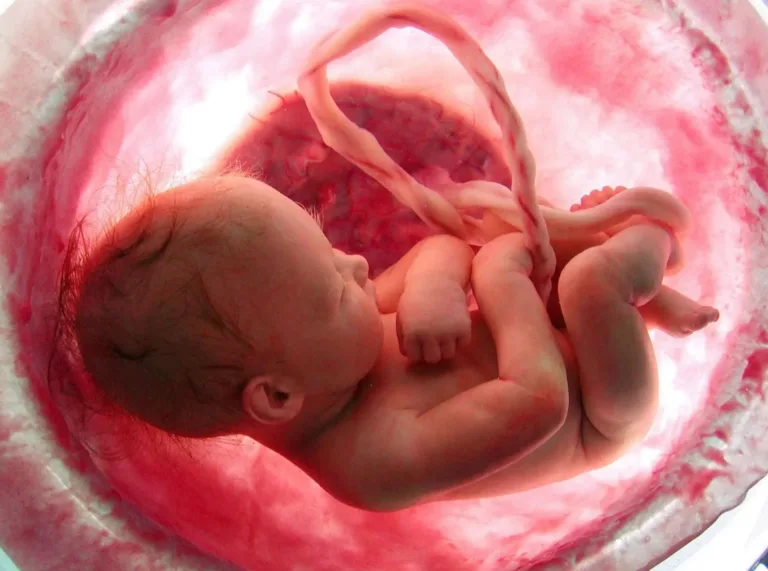
How does childbirth begin? We can answer the question in three parts. Childbirth consists of three basic stages. Here’s what you need to know about each stage of this miraculous process:
Stage 1: Early and Active Birth Phase
- Preterm Birth Stage: This stage is characterized by the onset of regular contractions and the gradual opening of the cervix. During this period, the pains are usually mild and can be managed comfortably at home. The process of opening the cervix can take different time for each woman.
- Active Birth Phase: When the cervix opens approximately 6 cm, the active birth phase is started. The pains become more regular and severe. At this stage, it is important that you are in the place where you will be giving birth, i.e. in the hospital, maternity home, or other place you have planned.
Stage 2: Birth (Birth of the Baby)
- Full Opening: When the cervix is fully opened 10 cm, you are ready for the pushing phase and the birth of the baby. At this stage, pushing takes place under the guidance of the birth educator or health professionals.
- Birth of the Baby: The baby’s head and body pass through the birth canal and say hello to the world. This can be physically challenging, but it is one of the most rewarding moments for many women.
Stage 3: Aftermath (Birth of the Placenta)
- Placental Birth: After the birth of the baby, the placenta is also born. This usually happens between 5 and 30 minutes after the birth of the baby and is much less painful.
- First Healing: With the birth of the placenta, the physical part of the birth process is completed. At this stage, the body’s healing process begins and the first bonding moments between mother and baby are experienced.
These stages form a general framework of the birth experience. However, every woman’s experience is unique, and your experience may be different from another woman’s. That’s why it’s important to discover the positions and techniques you feel most comfortable with. Your doctor and birth team will be here for the safety and comfort of you and your baby. With their guidance, you will feel safe and supported.
Childbirth, on the one hand, requires physical strength, but on the other hand, it also requires great mental preparation. Believe in yourself, remember that you are strong and courageous. Remember that in this natural process, your body is open to miracles.
Postpartum: The First Hours and the Recovery Process
The first hours after giving birth and the healing process that follows are important moments, both physically and emotionally. During this period, as your body recovers from the effects of childbirth, you begin to adapt to your new role as a new mother.
The First Hours: Meeting Your Baby
- Skin-to-Skin Contact: Skin-to-skin contact is one of the most effective methods to strengthen the bond between you and your baby. This helps regulate the baby’s body temperature and stabilize the heart rate.
- Breastfeeding Trials: The first hours after birth are ideal for starting breastfeeding. It gives both you and your baby the opportunity to learn the right techniques.
- Observation: Health professionals will observe the condition of both you and your baby and check for any problems.
Healing Process: Take Time for Yourself
- Rest: After childbirth, the body needs rest. Adequate sleep and rest speed up the healing process.
- Nutrition and Hydration: A balanced diet and plenty of water consumption help replace lost energy.
- Physical Healing: Postpartum body pain is normal, especially in the pelvic area. You can use the painkillers recommended by the doctor for these pains.
Emotional Healing: Emotional Fluctuations Are Normal
- Infant Blues and Postpartum Depression: Emotional fluctuations may occur in the first days after birth. These are usually temporary, but don’t be afraid to ask for help if your feelings become uncontrollable.
- Trust in Support Systems: The support of your partner, family, and friends is crucial in this process. Don’t be afraid to ask for help.
Expert Assistance and Follow-up
- Doctor Visits: Postpartum doctor visits are important for monitoring the healing process and detecting any health issues early.
- Kegel Exercises: Kegel exercises that strengthen the pelvic floor muscles promote postpartum recovery.
The most important thing in this process is to be aware of one’s own body and emotions, and to be patient and compassionate with oneself. Remember that your role as a new mother requires a great deal of adjustment and adjustment, and give yourself the time you need. And remember, birth is not the end, but the first step of a new beginning.
How Does Childbirth Begin? -FAQ
How Does Childbirth Begin? Frequently asked questions cover the most common concerns and topics in the minds of expectant mothers. Here are some answers on these topics:
How long does childbirth take?
The duration of childbirth is different for each woman. The first birth usually lasts longer, while subsequent births may be shorter. The preterm labor phase can last for several hours, while active labor can range from a few minutes to several hours.
How painful will the labor pains be?
The severity of labor pains varies according to personal pain tolerance, the position of the baby, and other factors. Pain management techniques and pain relievers such as epidurals that can be used during labor can make this process more comfortable.
When Will I Regain My Old Form After Birth?
It may take from a few weeks to a few months for the body to fully recover and regain its former form. The important thing is to give your body the time it needs with a healthy diet, regular exercise and adequate rest.
When Can I Go Back to Sexual Intercourse After Childbirth?
Usually, doctors recommend waiting at least 6 weeks after giving birth. However, this depends on each woman’s unique healing process and feeling ready.
Will I Have Depression After Giving Birth?
Some women may experience temporary emotional fluctuations in the first weeks after giving birth, known as the ‘baby blues’. If your emotions become more intense and uncontrollable, you may have postpartum depression and it is important to seek professional help.
How often should I take my baby for a check-up?
The baby will need regular health check-ups in the first year after birth. Follow the schedule recommended by your doctor and share it with your doctor if you have any concerns.
What Should I Do If I Need Help with Breastfeeding?
Lactation consultants can provide expert support in breastfeeding. In addition, hospitals, postpartum clinics, and non-governmental organizations can offer help and guidance regarding breastfeeding.
These questions are some of the most common questions about childbirth and the postpartum process, and each can help you better understand and prepare for the birth process. If you have any questions about your particular situation, please consult with healthcare professionals directly.
Towards the end of pregnancy, most women want labor to finally begin, but they also have mixed feelings about childbirth. Although many women carefully prepare for it, no one knows how it will actually happen. It’s normal to feel at least a little frustrated. The course of birth can only be planned up to a certain point; For example, how long it will last, how much pain it will cause, whether there will be any complications. These only become clear when the baby is there. 1