Nutrition in the last trimester of pregnancy
The last trimester of pregnancy is when your baby grows the fastest. Therefore, the nutrients you will take during this time are extremely important for the healthy development of your baby. Nutrition during the last trimester of pregnancy helps the mother maintain energy levels, have a comfortable birth process, and help the baby grow with the right nutrients.
Foods to be preferred in the last trimester of pregnancy:
Making informed choices about the nutrients you should take during this critical period of pregnancy is important for the healthy development of your baby.
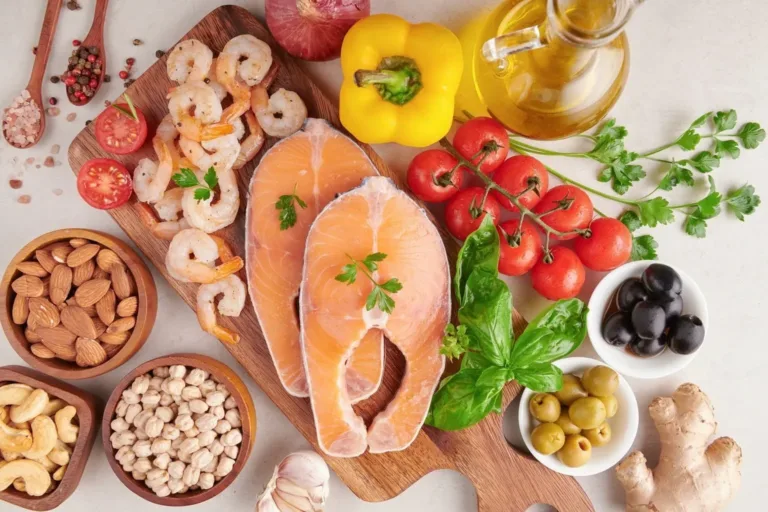
- Protein Sources: High-protein foods such as chicken, turkey, fish, eggs and legumes.
- Sources of Calcium: Milk, yogurt, cheese, almonds and green leafy vegetables.
- Iron Sources: Red meat, chicken, fish, legumes and whole grains.
Foods to avoid in the last trimester of pregnancy:
During this period, some foods can lead to pregnancy complications or adversely affect the development of the baby.
- Highly Caffeinated Beverages: Excessive caffeine intake can lead to low birth weight.
- Raw and Unpasteurized Foods: Such foods should be avoided due to the risk of listeria.
- Fish with High Mercury Content: You should stay away from fish that contain high mercury, such as shark, swordfish, and king makreli.
Nutritional recommendations according to symptoms in the last trimester of pregnancy
The last trimester of pregnancy is a period when expectant mothers experience various symptoms. These symptoms can be caused by common problems such as edema, gestational diabetes, constipation and heartburn. You can make some changes to your eating habits to alleviate these symptoms.
Nutritional Recommendations for Edema (Water Retention):
Edema is manifested by swelling, especially in the legs and feet. Points to be considered in your diet to reduce the occurrence of edema during pregnancy and to alleviate this symptom:
- Reduce salt consumption: High-salt foods can cause water retention in the body. Avoid convenience foods, salty snacks, and excessively salty meals.
- Drink Plenty of Water: By increasing fluid intake, you can keep your kidneys functioning regularly and reduce edema.
- Eat foods rich in potassium: Potassium-rich foods such as bananas, potatoes, spinach, and beans can relieve edema.
Nutritional Recommendations for Gestational Diabetes:
Gestational diabetes refers to high blood sugar that occurs during pregnancy. To manage gestational diabetes:
- Keep Carbohydrate Intake in Balance: Avoid waiting long periods between main meals and eat frequently with small portions.
- Give preference to whole grain products: Avoid refined sugars and processed foods, and opt for whole grain products.
- Avoid Sugary Drinks: Sugary drinks and fruit juices can quickly raise blood sugar levels.
Nutritional Recommendations for Constipation:
Constipation is a common symptom during pregnancy. To prevent and relieve constipation:
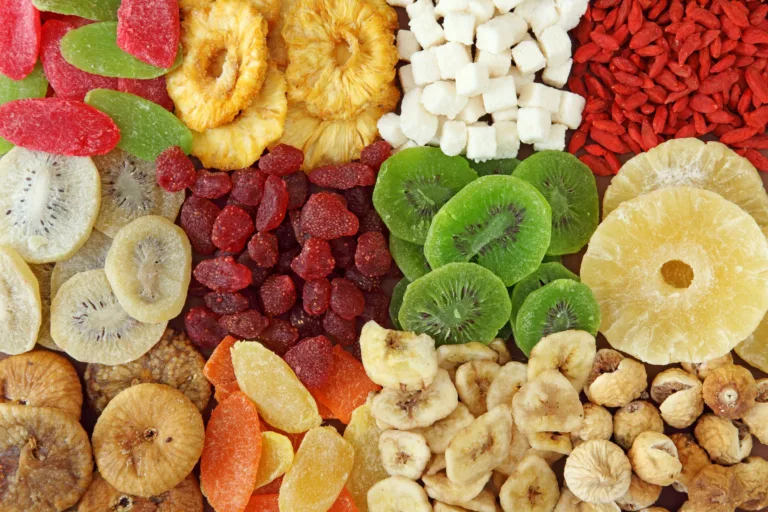
- Eat High-Fiber Foods: Whole grain bread, oats, wholemeal products, dried fruits and vegetables are rich in fiber .
- Drink Plenty of Water: Water regulates bowel movements and prevents constipation.
- Increase Probiotic Intake: Foods containing probiotics such as yogurt and kefir support intestinal health.
Nutritional Recommendations for Heartburn:
Heartburn is a common problem during pregnancy. To relieve heartburn:
- Avoid Spicy and Acidic Foods: Spicy foods, fried foods, tomato sauce, and pickles can trigger heartburn.
- Do not go to bed after meals: After eating, you should wait at least 1-2 hours and go to bed.
- Eat in small portions: Large portions can increase stomach pressure and cause heartburn.
By following the nutritional recommendations for these symptoms, you can have a more comfortable period in the last trimester of pregnancy. However, it is important to contact your doctor if your symptoms worsen or if you feel concerned.
Ideal Meals in the Last Trimester of Pregnancy:
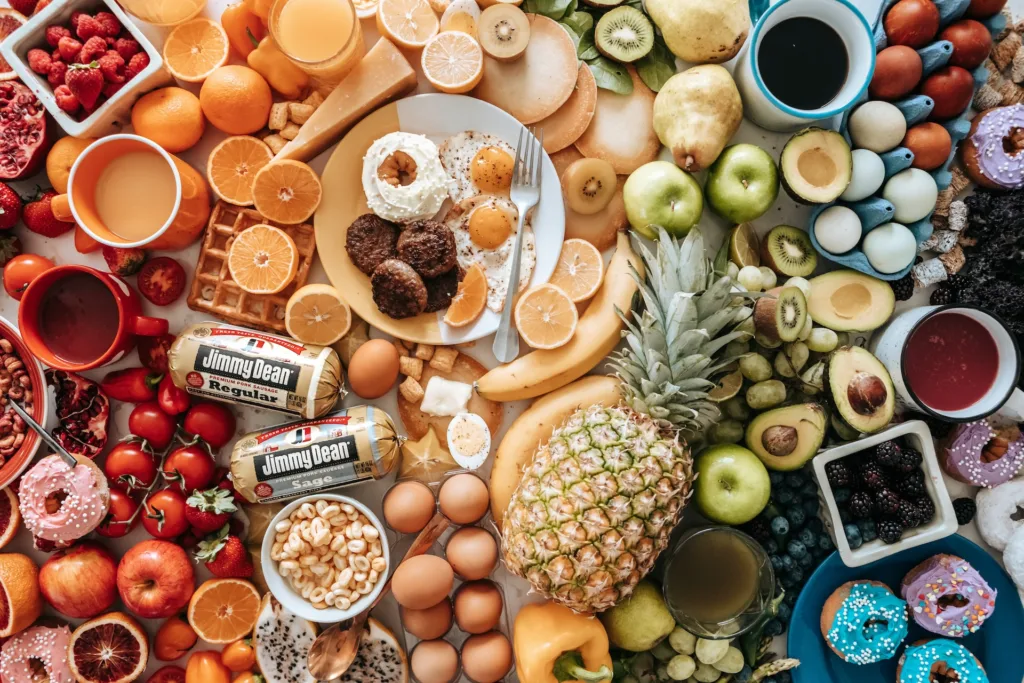
Ideal nutritional recommendations that you can consume in a day during this period:
- Morning: Whole grain bread, avocado, egg and a glass of milk.
- Midday: Salad enriched with grilled chicken breast, brown rice and lots of greens.
- Evening: Grilled fish, quinoa and steamed vegetables.
A Healthy Recipe: Tuna Salad with Avocado
Ingredients:
- 1 ripe avocado
- 1 can of tuna (in water)
- 2 tablespoons of yogurt
- Juice of 1 lemon
- Salt, pepper
- Parsley
Preparation:
- Peel and chop the avocado.
- Put the tuna in a bowl and mash it well.
- Mix with yogurt, lemon juice, salt and pepper.
- Add avocado and parsley, mix.
- Let it rest in the fridge for 30 minutes and serve.
Nutrition in the last trimester of pregnancy is critical for the healthy development of your baby. With a balanced nutrition program, you can get the nutrients your baby needs and spend your pregnancy process more comfortably. By following the recommended nutritional recommendations, you can complete this special period in the healthiest way.
Frequently Asked Questions
How much water should I consume in the last trimester of pregnancy?
During pregnancy, you should take care to consume at least 8-10 glasses of water a day.
Is caffeine consumption safe during pregnancy?
Consumption of less than 200mg of caffeine per day is generally considered safe.
What vitamins and minerals should be given special attention to in the last trimester of pregnancy?
Folate, iron, calcium and vitamin D are especially important during this period. You should continue to take prenatal vitamins as recommended by your doctor.
What vegetables and fruits should I prefer in the last trimester of pregnancy?
High-fiber vegetables and fruits (e.g., broccoli, spinach, bananas, apples) will regulate your bowel movements. At the same time, fruits rich in vitamin C (e.g. oranges, kiwis) support the immune system.
How much should sugar be consumed during pregnancy?
Excessive sugar consumption during pregnancy can increase the risk of gestational diabetes. A maximum consumption of 25 grams (about 6 teaspoons) of sugar per day is ideal. However, you should determine this amount together with your doctor.
Is it safe to consume seafood during pregnancy?
Yes, but some seafood may contain high levels of mercury. You can consume 2-3 servings (about 340 grams) of low-mercury fish (e.g. salmon, sardines) per week. Avoid fish with high mercury content (e.g. shark, swordfish).