Swimming During Pregnancy
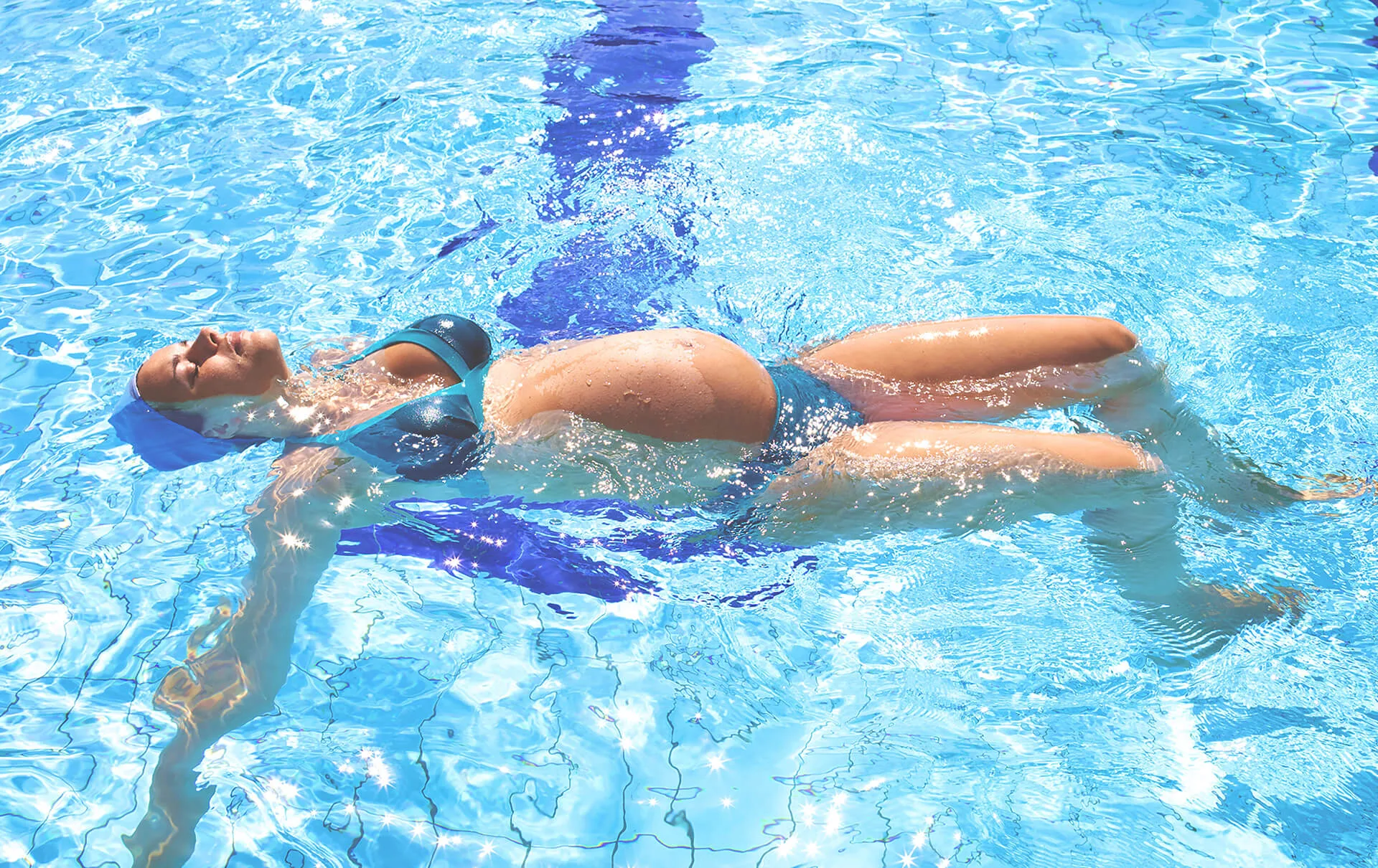
Swimming during pregnancy is a safe and effective form of exercise that is recommended for many pregnant women. However, like any exercise, it is important to consult your doctor if you have some health conditions before the prenatal swimming exercise. Regular exercise is essential to stay fit during pregnancy, and if your health condition is suitable, swimming can be an excellent option.
Is It Possible to Enter the Pool During Pregnancy?
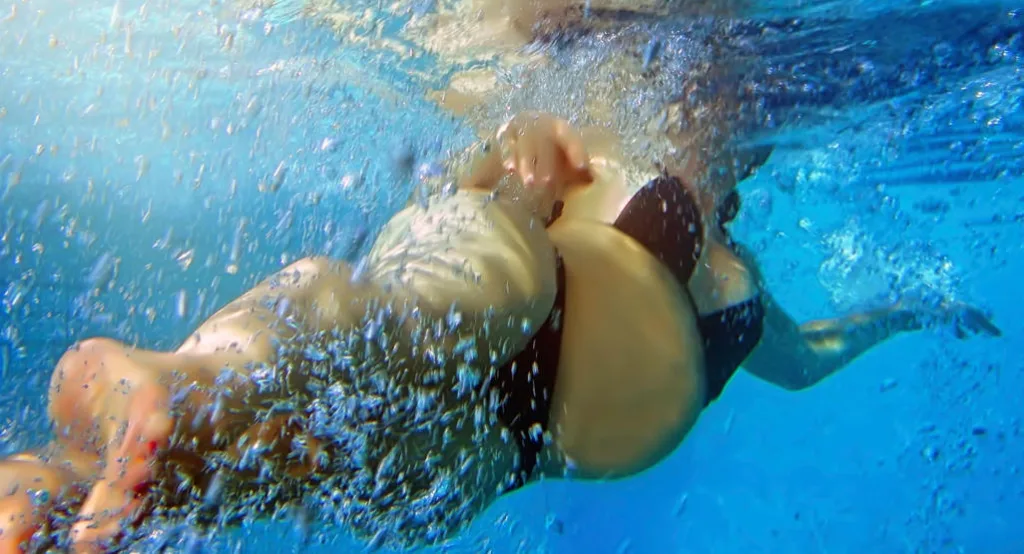
The use of the pool during pregnancy has been studied in many studies, and there is no evidence that disinfectants such as chlorine in the pool have a harmful effect on pregnant women or the fetus. Pools equipped with new technology provide a safe environment by reducing the risk of infection.
Things to consider before you start swimming;
- Make sure the pool is clean.
- Avoid dirty puddles.
- Pregnancy can increase your susceptibility to infections, so opt for pools that are well-ventilated and properly chlorinated.
- The ideal pool temperature is usually between 27-33°C.
Is it possible to swim during pregnancy?
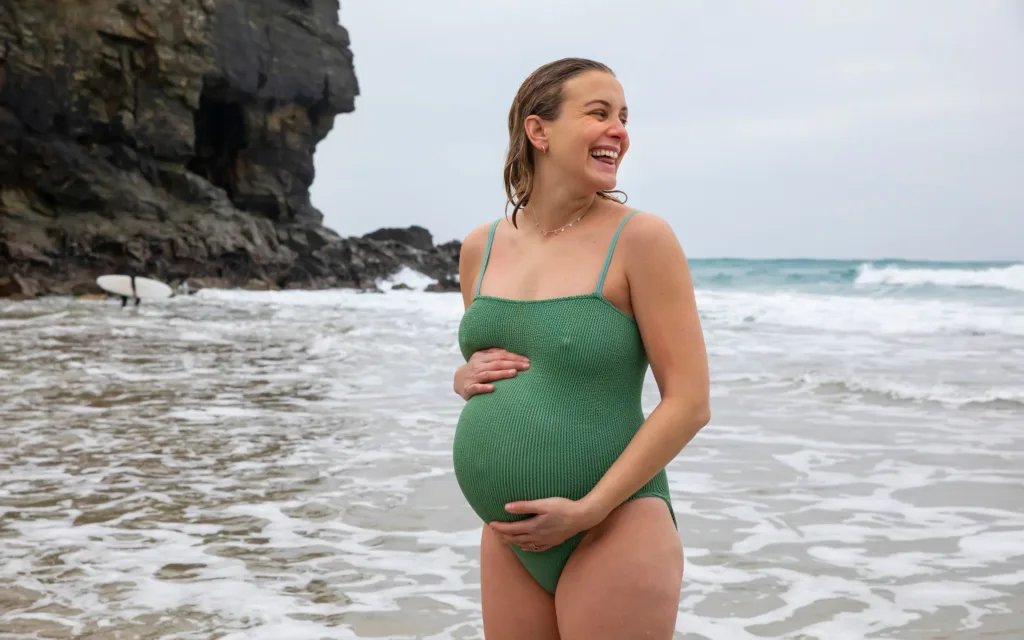
When it comes to swimming, if you don’t have any risks during your pregnancy and your doctor has given the green light, you can enjoy the sea water. Since sea water is natural, it does not pose a risk to the mother and baby, but attention should be paid to the water temperature, as cold water can create a shock effect for the baby.
Benefits of Swimming During Pregnancy
- Swimming relieves the load on the spine and joints, so the body is less tired.
- It helps with weight control and can relieve pain during pregnancy.
- It regulates blood circulation and reduces edema.
- It increases physical endurance and contributes to the birth process.
- It provides mental relaxation and relieves stress .
- It relieves sciatica pain and strengthens muscles.
- It increases your lung capacity as you need to breathe deeply while swimming.
- It improves sleep quality and prevents overheating by keeping your body temperature low.
In addition to adding an interesting variety to your weekly exercise routine, swimming can provide many benefits to your health. Swimming 2-3 days a week, when combined with other exercises, is ideal for the health of both you and your baby.
Swimming Exercise According to Pregnancy Periods
First Trimester (first trimester)
Swimming at the beginning of pregnancy is aimed at strengthening muscles, learning correct breathing techniques and activating the immune system. Regular exercises during this period help the body to adapt to future changes.
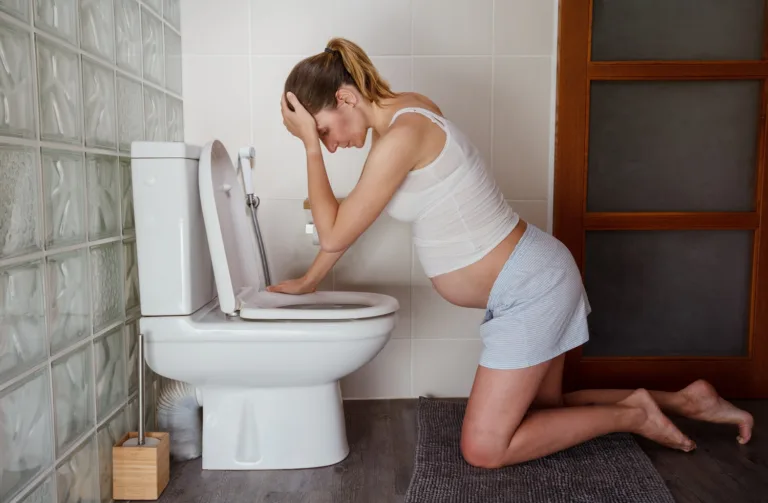
Important points to consider in the first trimester; For those who experience frequent vomiting, swimming should be postponed until they recover. Pregnant women with symptoms such as low blood pressure, weakness or dizziness should not swim. Swimming is strongly not recommended in case of vaginal bleeding.
The two most common challenges during this period are; It is extreme fatigue and nausea caused by high hormone changes .
Second Trimester (2nd trimester)
The middle phase of pregnancy is a great time for swimming, of course, after your doctor’s approval. Thirty-minute swimming sessions two or three times a week are ideal. You can start swimming gradually and increase the duration of exercise over time.
Always be understanding with yourself and rest immediately when you need rest.
Third Trimester (last 3 trimesters)
In the last 20 weeks of pregnancy, the load on the spine increases; The bones of the pelvis, ligaments and back muscles are more strained. During this period, low back pain and a general feeling of fatigue can be seen. Maintaining regular breathing and finding a comfortable swimming rhythm become important at this stage. In the last trimester, you may notice that your time spent in the water may increase.
Swimming in water during pregnancy allows you to develop three important skills:
- Breath control,
- Durability
- Relaxation of the muscles.
What Should Be Considered When Exercising Swimming During Pregnancy?
It is important to take some precautions so that you can safely enjoy swimming during pregnancy. Here are some things to consider in this regard:
- Never be alone in the water. Always have a person by your side who can help in an emergency.
- Choose times when the pool or sea is not the most crowded. Early morning is ideal for when the water is cleaner and calmer.
- Make your entry into the water slow. Avoid sudden movements, especially during pregnancy. Allow your body to adjust to the water temperature by slowly entering the water.
- Focus on your breathing techniques. Avoid holding your breath while swimming and breathe regularly.
- Do not forget to drink water. You may not feel thirst when you’re in the water, but hydration is very important. Drink enough water before and after you start swimming.
- The choice of swimwear is important. Sitting in a wet swimsuit for long periods of time can lead to vaginal infections. Choose swimsuits made of fast-drying and chlorine-resistant fabric. One-piece swimsuits with a relaxed fit to support your growing belly are ideal.
- It is a must to take a shower after swimming. Be sure to take a shower to remove chlorine and other microorganisms from your body in pool or sea water.
- Pay attention to genital area hygiene. Humid environments create a suitable environment for fungi and other microorganisms. Dry this area well after showering.
- Sun protection is important. Use sunscreens with a high protection factor when sunbathing and avoid direct sunlight, especially at noon.
- Use slippers with non-slip soles. Wear slippers with non-slip soles to reduce the risk of slipping by the pool and on wet floors.
If you feel dizzy, short of breath or general weakness while swimming, stop swimming immediately and go out to rest.
Swimming during pregnancy, when done under the right conditions, offers a comfortable sports alternative by reducing the effect of gravity. But keep in mind that if you have any pain or vaginal bleeding, you should consult your doctor immediately.
Frequently Asked Questions About Swimming During Pregnancy
Is it safe to swim during pregnancy?
Yes, swimming is generally a safe exercise during pregnancy. However, if you have any health conditions or have a specific medical condition, you should definitely consult your doctor before you start swimming.
How long should I swim daily during pregnancy?
Unless your doctor recommends otherwise, it’s ideal to swim 2-3 times a week, 30 minutes at a time. You can adjust the duration and intensity of the swim according to your own energy level and health status.
What is the best time to swim during pregnancy?
The “best time” for swimming during pregnancy can vary from person to person. However, usually the second trimester, between 13 and 26 weeks of pregnancy, is when your energy levels for swimming are at their highest and your mobility is at their best.
What should I pay attention to after swimming during pregnancy?
After swimming, be sure to take a shower and remove chlorine and other chemicals from your body. Do not stay in a wet swimsuit for a long time and dry yourself well. Take care to get water by increasing water consumption.