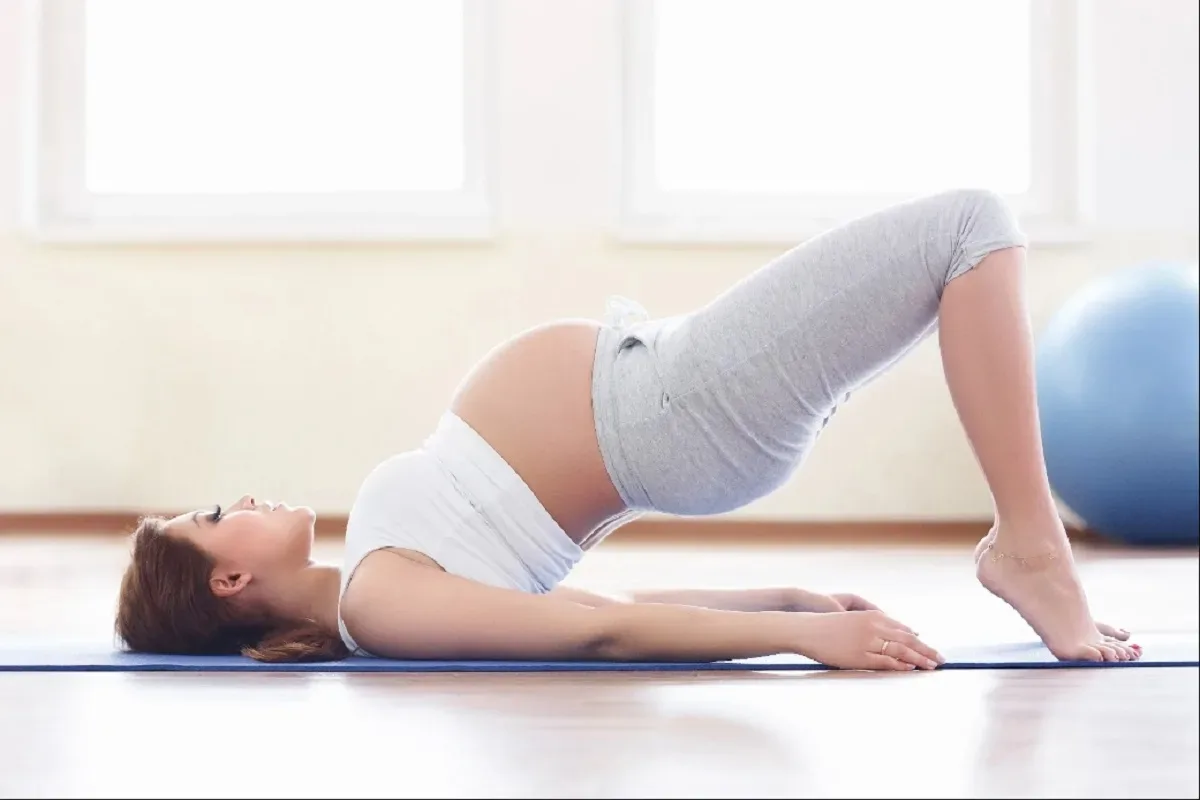
Kegel Exercise During Pregnancy
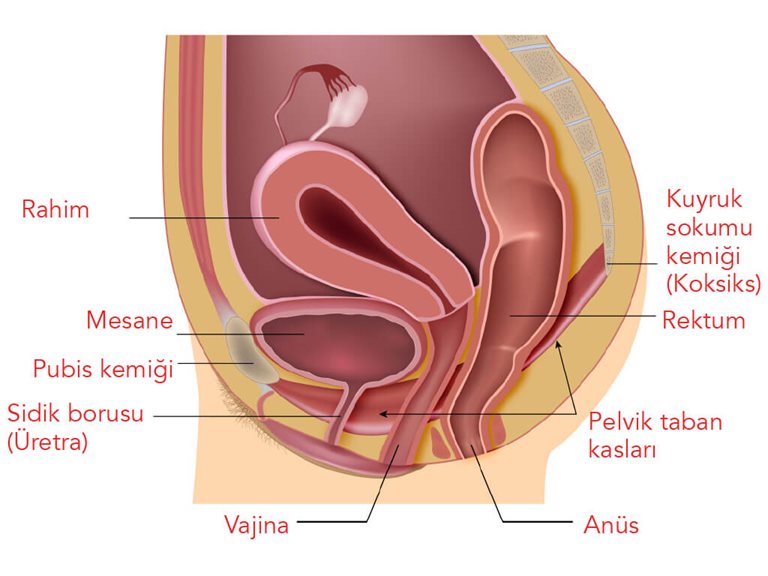
With Kegel Exercise during pregnancy, you can facilitate normal birth by strengthening your pelvic muscles. Pelvic muscles uterus. It is a muscle group that holds the bladder and intestines. This hammock-shaped muscle is located between the pubic bone and the tailbone. If the pelvic muscles are strengthened with kegel exercise, it facilitates normal birth and eliminates the problems of urinary incontinence.
What Does Kegel Exercise Do During Pregnancy?
The main purpose of doing kegel exercises during pregnancy is to facilitate childbirth. Kegel exercise has an important role in strengthening the pelvic floor muscles. The pelvic floor muscles have a function in childbirth, urination and exclusion. Kegel exercise prevents bladder and uterine prolapse, facilitates normal birth, and allows the vagina to return to its former tight appearance after birth. In addition to increasing muscle strength, it reduces the possibility of genital prolapse, increases bowel control and orgasm, and reduces sexual problems.
Get rid of the incision in normal birth with Kegel exercise!
During pregnancy, your pelvic muscles may weaken due to hormones circulating like crazy in your body or due to external factors. If you strengthen your pelvic muscles with Kegel exercise, you are more likely to give birth without an episiotomy (incision) during normal delivery (straining). In addition, these exercises allow the vagina to regain its former appearance earlier after childbirth.
When Should Kegel Exercise Be Done During Pregnancy?
Kegel exercise is recommended to be started from the 20th week of pregnancy. The positive effects of Kegel exercise begin to be seen within 4 – 6 weeks. It can take up to 4 – 6 hours to give the exact desired result. This exercise is an exercise for continuity. It should be done for a long time.

How to Do Kegel Exercises?
Also known as Kegel exercises, you can do these exercises from the comfort of your home, even while you’re at work, on the bus. We recommend that you urinate before starting this exercise. With a full bladder, you may find it difficult to do these exercises.
Now how to do kegel exercise during pregnancy? Let’s look at this.
- Squeeze and pull the muscles around your vagina and anus at the same time. Imagine that you have missed the administration, your reaction is exactly what is intended to be told.
- As you squeeze, you should feel your pelvic muscles rise inside you.
- Stand like this for up to 8 – 10 seconds.
- Then relax your muscles. As you relax, you will feel a sense of letting go.
- Repeat this movement up to 10 times. If possible, do three sets.
- Relax your muscles after each squeezing of the muscles. In other words, do not leave the muscles constantly contracted.
Like all other exercises, continuity is essential in this exercise. For this reason, it is recommended that women do pelvic floor exercises every day.
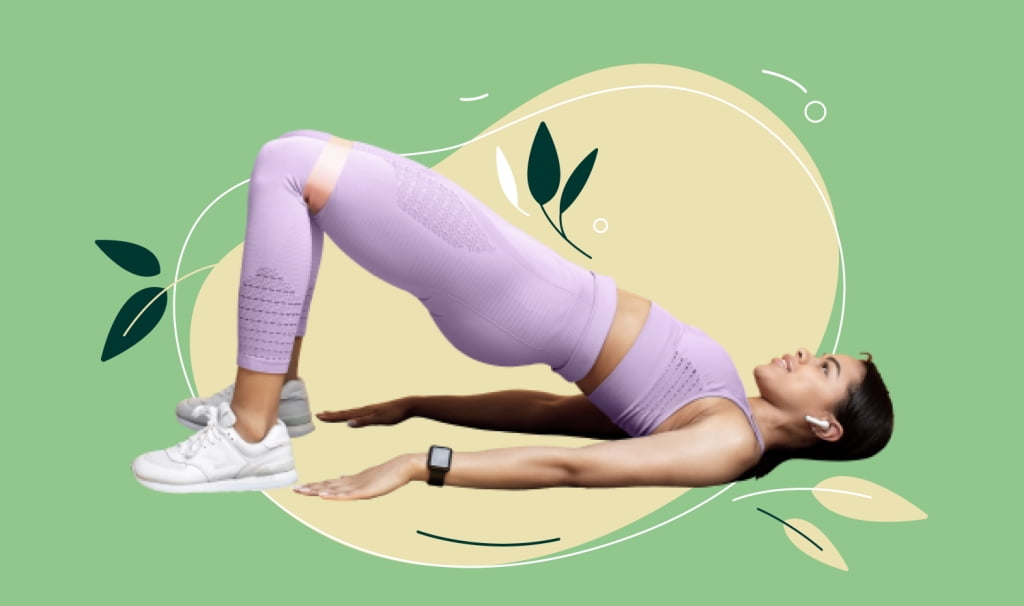
How Do I Know If Pelvic Floor Muscles Are Getting Stronger?
You can understand that the pelvic floor muscles are getting stronger by stopping them suddenly while urinating. If you can stop urinating immediately, your pelvic muscles are strong enough. However, it is not recommended to do this often. Continuous exercises always give results.
Imagine that you are stuck in the gas, if you can continue to hold your gas, it means that your muscles are working correctly.
When Do Kegel Exercises Give Results?
Most women who make Kegel exercises a habit begin to see positive results between 4 and 6 weeks. Two weeks after starting the exercise, there is a decrease in complaints (for example, urinary incontinence), and the desired result can be achieved within 4 to 6 months.
Kegel Exercises After Childbirth
Kegel exercises should continue to be done after birth. However, you should ask your doctor when you can start Kegel exercises after childbirth.
Most women have urinary incontinence after normal delivery. You can overcome problems such as uterine prolapse and bladder probes by doing Kegel exercises. In addition, it will be beneficial for the vagina to regain its former tight appearance after birth.