Water Birth – Benefits and Risks
Water birth is a method that has become popular in recent years to enable expectant mothers to spend the birth process more comfortably and calmly. As we approach the end of pregnancy, many mothers who are exploring different options for childbirth become interested in the benefits that water birth offers for both themselves and their babies. In this article, we’ll cover in detail what a water birth is, its benefits, risks, and more. If you are looking for an answer to the question “What is a water birth?”, you are in the right place.
What is Water Birth?
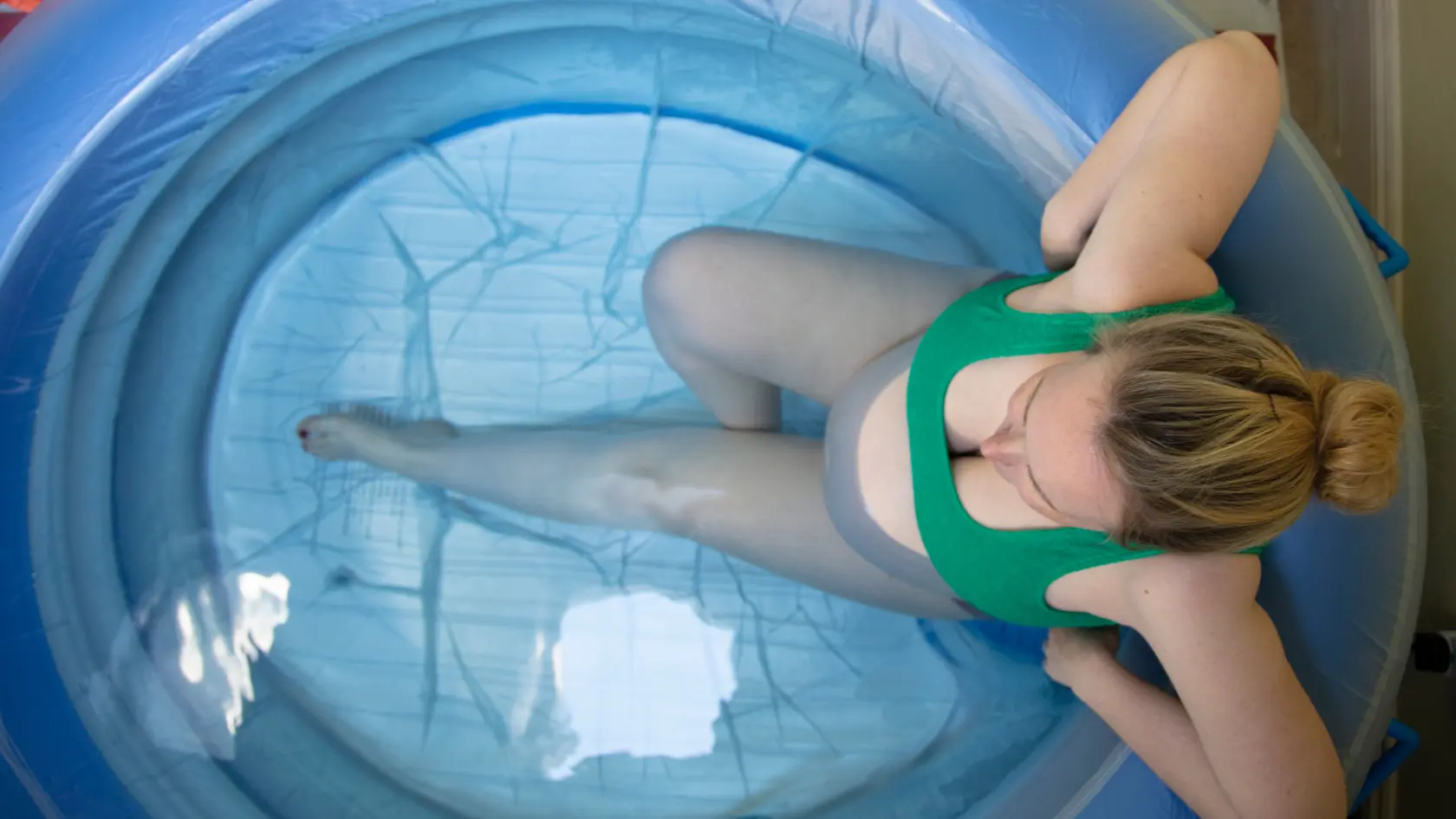
Water birth is a method of delivery in which the expectant mother spends part or all of the birth in a pool of water. The relaxing effect of hot water during childbirth helps to relax the muscles while reducing the mother’s stress . This method, which is generally preferred for mothers who want to have a natural birth, is especially known for relieving pain and speeding up the birth process.
In this method, the expectant mother is taken to a pool of hot water when the contractions begin or when she reaches a certain opening. The baby, on the other hand, is born in the water and is immediately placed in the mother’s arms. Water birth can be performed both at home and in the hospital, but it is important for safety that it is done with the help of a team of specialists.
What are the Benefits of Water Birth?
The benefits of water birth are quite high for the mother and the baby, both physically and psychologically. Here are the main advantages offered by water birth:
1. Feeling less pain
Thanks to the relaxing effect of hot water on the body, it helps to feel less labor pains . Water lightens body weight and makes it easier for the mother to change position, which makes the birth more comfortable.
2. Shorter Birth Time
Water birth can help the birth process go faster. Relaxed muscles contribute to easier expansion of the uterine opening, which can shorten the duration of the first and second stages of labor .
3. Less Stress
The relaxation of hot water during childbirth reduces the stress of the mother. The expectant mother feels safer in the water, which positively affects the birth process. Low stress levels make the birth process easier and help the mother focus.
4. Calm Birth of the Baby
Since the baby develops in amniotic fluid, being born into an aquatic environment provides a smoother transition for him. This, in turn, can help reduce postpartum stress in the baby. At the same time, there are studies that show that babies born in water cry less.
Is Water Birth Safe?
Many expectant mothers wonder if water birth is safe. In general, water birth is considered safe for expectant mothers who have had a healthy pregnancy and do not have any complications. However, it is of great importance that water birth is guided by an expert team and hygienic conditions are provided. Before deciding to have a water birth, you should definitely consult your doctor and check the suitability of the environment where the birth will take place.
Here are a few important factors that increase the safety of water birth:
- Having a health team that constantly monitors the condition of the mother and baby during childbirth
- Regular checking of the temperature of the water
- Using a sterilized birthing pool
- Making a plan for any emergency
Are There Any Risks to Giving Birth in Water?
Like any method of childbirth, water birth can carry some risks. However, these risks are minimal when the right conditions are provided. Possible risks can be:
1. Risk of Infection
If the water is not hygienic, the risk of infection may increase. Therefore, attention should be paid to the sterilization of the water to be delivered and it should be changed regularly.
2. Need for Immediate Response
In some cases, complications may develop during childbirth and urgent intervention may be required. For such cases, it may be necessary to get out of the water and resort to classical birth methods. When any problem is noticed in the baby or mother during water birth, the medical team should intervene quickly.
3. Risk of ingestion into water
Since the baby is born into water, there is a rare risk of swallowing water. However, this is very unlikely and the professional medical team managing the birth process will be ready for such situations.
Who Is Water Birth Suitable For?
Water birth is an ideal option for expectant mothers who have a healthy pregnancy and do not have any medical complications. However, not every expectant mother can choose this method. It is not recommended to give birth in water, especially those who have the following conditions:
- Multiple pregnancies (twins, triplets, etc.)
- The baby is in an inverted position (breech presentation)
- Pregnancy-related complications such as preeclampsia
- Mothers who have previously had a cesarean section
- Those at risk of preterm birth
Where is Water Birth Performed?
Water birth can be carried out at home or in a hospital. Mothers who want to have a water birth at home can rent or buy private birthing pools. Hospitals can also have specially equipped rooms for water birth. However, it is important to check in advance whether the hospital where you plan to give birth offers water birth services, as not every hospital has this facility.
What are the Equipment Required for Water Birth?
The equipment required for water birth are:
- Birthing pool (hygienic and sterile)
- Devices that control the pool water temperature
- Waterproof birth monitors
- Towels and clean water for mother and baby after childbirth
How Does the Water Birth Process Work?
The process of birth in water consists of several stages, from the moment the mother enters the water to the moment the birth is completed. Here’s a step-by-step walkthrough:
1. Onset of Contractions
When labor begins, your doctor or midwife will decide when you need to go into the water. Usually, water is entered at a stage when the opening of the uterus is 4-5 cm. It is a good method to enter the water to relieve the mother when the contractions begin, but entering too early can cause the contractions to slow down.
2. Getting in the Water and Relaxing
After the expectant mother enters the birthing pool filled with temperature-adjusted water, the body relaxes in the water and the feeling of heaviness decreases. At this stage, the muscles relax, the mother’s resistance to pains increases, and the birth process becomes less painful. The temperature of the water is usually kept between 36-37 degrees, which is ideal for the safety of both mother and baby.
3. Progression of Labor
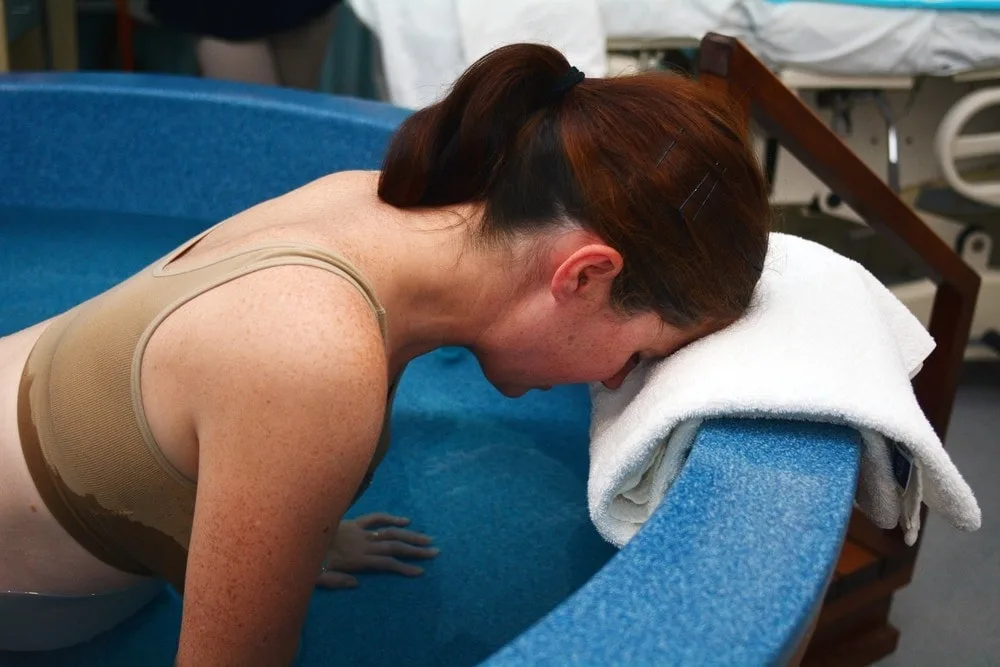
Until the uterine opening is fully realized, the mother copes with the pains and the baby moves towards the birth canal. In this process, taking different positions in the water can facilitate birth. Water supports the mother to move and find comfortable positions.
4. Birth of the Baby
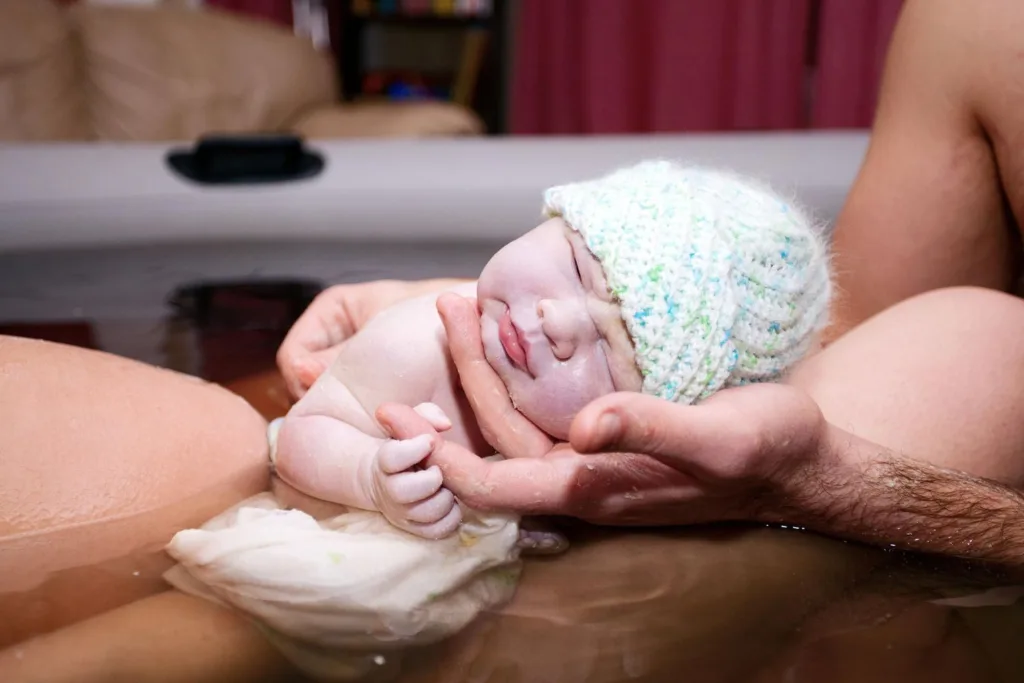
When the baby is born in water, the baby’s transition from the amniotic fluid to the water is quite smooth. The baby does not breathe in water, because he receives oxygen through the placenta. The baby is carefully removed from the water and immediately placed on the mother’s breast. The moment of first contact strengthens the bond between mother and baby.
What are the Effects of Water Birth on the Baby?
Water birth is known to have positive effects on the baby. Here are some potential effects of this method of delivery on the baby:
1. Smoother Transition
Because the baby develops in the amniotic fluid in the womb, being born into the water provides a natural transition for it. Instead of a sudden change of air, the temperature of the water is more familiar to the baby. This can contribute to reduced postpartum stress in the baby.
2. Less Crying
It has been observed that babies born in water cry less than the classical birth method. The baby can be more peaceful because he is born with the relaxing effect of water. When the baby is placed on its mother’s breast immediately after being taken out of the water, this calmness continues.
3. Ease of Breathing
Since the baby is immediately taken out of the water and given to the mother after birth, the breathing process begins immediately. Thanks to careful management of water birth, the baby can breathe healthily after birth and the risk of complications is minimized.
4. Strong First Contact with the Baby
Water birth allows the mother to have direct contact with her baby from the moment of birth. When the baby is taken out of the water, it is immediately placed on the mother’s breast, strengthening the mother-infant bond, and this early contact is thought to provide long-term emotional and physical benefits for the baby.
Water Birth Awaits You
If you are looking for a natural and calm birth experience, water birth may be the ideal option for you. The relaxing effect of water during childbirth can be both physically and emotionally supportive. However, before trying this method, you should definitely talk to your doctor in detail and clarify your birth plan.
Water birth is increasingly preferred as a method that makes the birth process of both mother and baby more enjoyable and comfortable. If you want to have this experience, you can create a safe birth environment by making your preparations in advance.
Water Birth Prices
The issue of water birth prices is variable. You can get a price from a property closest to you where you live.
Resources:
- Water Births | American Pregnancy Association
- Immersion in Water During Labour and Birth | RCOG