Week 1 of Pregnancy 🌼 Invisible Beginning
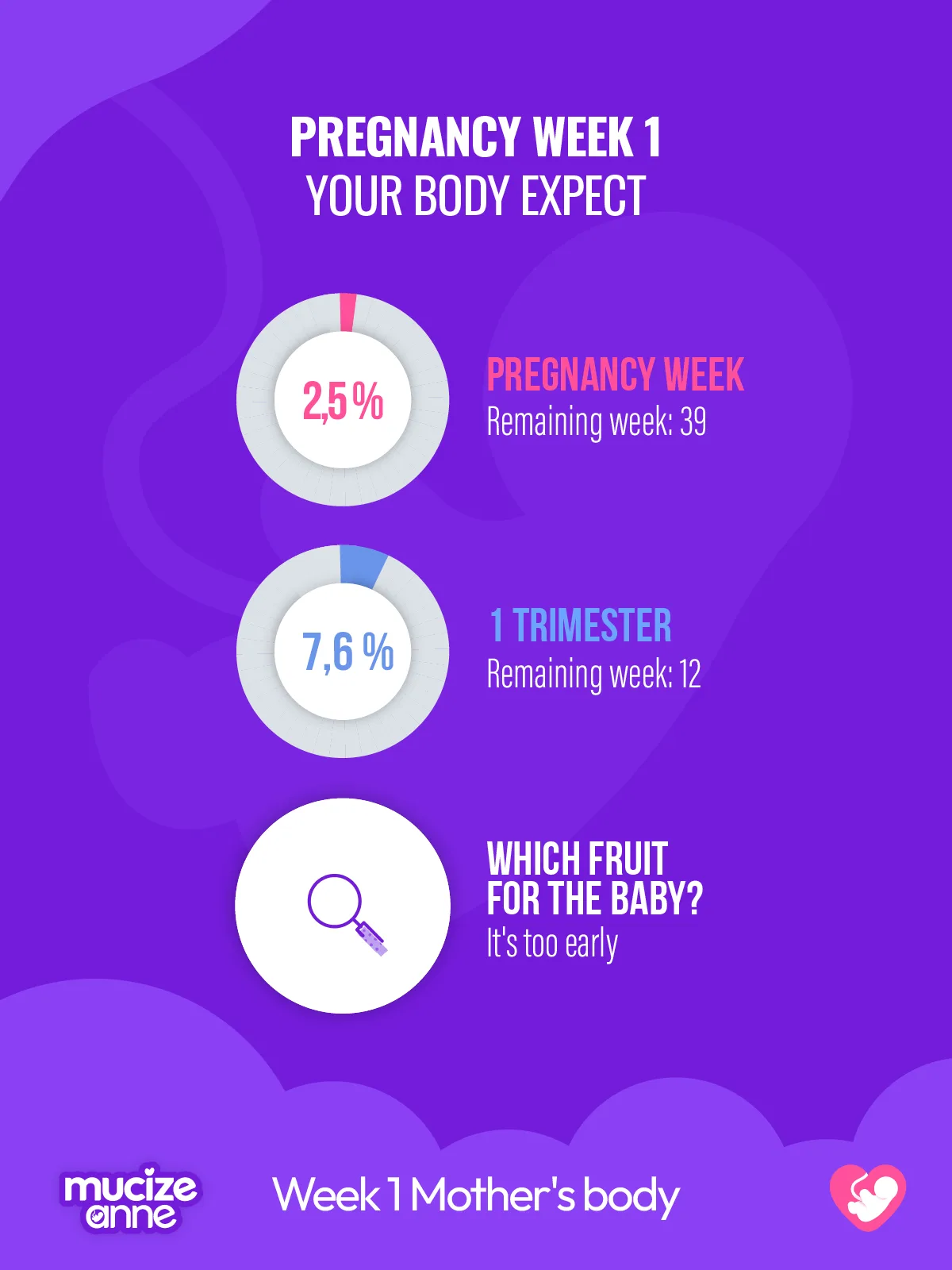
Welcome to the first week of pregnancy! Perhaps you are wondering why the gestation period is 40 weeks and why it is calculated from the date of your last period. In fact, this calculation method is used to establish a reference point to accurately estimate the duration of pregnancy. Since the exact time of ovulation and fertilization cannot be determined, doctors count the start of pregnancy from the first day of your last period. Therefore, even though technically fertilization has not yet taken place, the pregnancy process is started from this date.
The 40-week gestation period is due to the fact that it is calculated to cover the full 9 months of pregnancy. During this 40-week period, your baby’s development progresses gradually and each week brings a new excitement. The first week is a time when your body is preparing for pregnancy and you may not notice some symptoms. Let’s take a look at what happens in your body during the first week of pregnancy, what you may feel and how you can make this period more comfortable.
What are the Symptoms of Pregnancy in the 1st Week of Pregnancy?
Week 1 of pregnancy technically refers to the first week of your last menstrual period. So you’re not actually pregnant yet, but your body is starting to prepare for the journey. The symptoms you may notice during this week are usually related to your period:
- Abdominal Cramps You may feel mild cramps due to uterine contractions during menstruation.
- Breast tenderness You may notice a slight tenderness or fullness in your breasts.
- Fatigue and weakness: You may feel tired due to changes in hormones.
These symptoms are not caused by the pregnancy itself, but by your body preparing for pregnancy.
What are the Changes in the Mother’s Body in the 1st Week of Pregnancy?
Many changes occur in your body during this week, but most of these changes are microscopic. Here are some of the changes that occur in your body during this period:
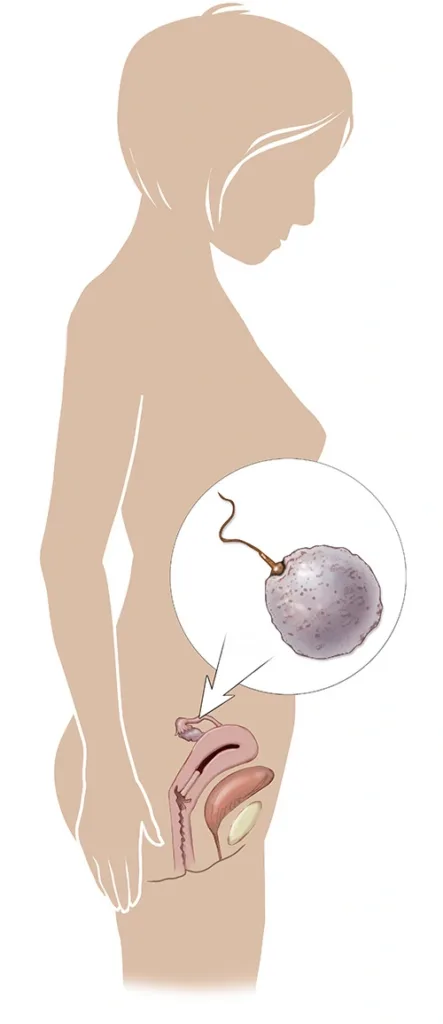
- Hormonal Changes: Estrogen and progesterone levels begin to increase. These hormones thicken the inner wall of the uterus and create a suitable environment for the egg to become ready for fertilization.
- Uterine Preparation: The uterus begins to prepare itself for the implantation of the fertilized egg. This process means thickening the lining of the uterus and creating a nutrient-rich environment.
Ways to Cope with Symptoms
Here are a few tips to ease the symptoms of menstruation and feel more comfortable during the first week of pregnancy:
- Take Care to Rest: If you feel tired, try to rest as much as possible. Your body needs more energy during this period.
- Use a hot water bottle: You can use a hot water bottle to relieve abdominal cramps.
- Drink plenty of water: It is important that your body gets enough water . By drinking plenty of water, you can both increase your energy and contribute to your overall health.
- Relaxing Activities: Try to avoid stress with relaxing activities such as yoga or meditation. These activities can also help with mood swings caused by hormones.
Questions about the 1st week of pregnancy (FAQ)
1. How do I know if I am pregnant at 1 week of pregnancy?
In the first week of pregnancy it is impossible to know that you are pregnant. In this week, fertilization has not yet taken place. However, once fertilization has taken place and pregnancy is confirmed, you can start to feel the signs of pregnancy. Usually, you can find out if you are pregnant after the second or third week by taking a pregnancy test.
2. Should I start taking folic acid this week?
Yes, if you are planning a pregnancy, it is important to start taking folic acid from this week. Folic acid is essential for the development of your baby’s brain and spinal cord and it is important to have enough of it in your body before you get pregnant.
3. What should I watch out for in my diet during the first week of pregnancy?
Eating a healthy and balanced diet is very important this week. Make sure you eat fruits, vegetables, whole grains, protein and healthy fats. In particular, choosing foods rich in folic acid can help you get off to a strong start in your pregnancy.
4. Can I test this week if I think I am pregnant?
Tests in the first week of pregnancy are usually inconclusive. The level of Beta hCG (pregnancy hormone) in your body is too low to be detected yet. It will be healthier for you to take a pregnancy test one week after your period is delayed in order to get accurate results.
5. Should I start exercising from this week?
If you do not exercise regularly, you can start with low-paced activities such as light walks. Exercise will help you maintain your health throughout pregnancy and prepare for childbirth. However, keep in mind that you should avoid high-paced and demanding exercise.
Take Care of Yourself in Week 1 of Pregnancy
Week 1 represents the beginning of a new life and it is important to take good care of yourself during this time. Eating a balanced diet, getting enough rest and avoiding stress are the best things you can do during this week. You may not realize you are pregnant yet, but your body is already preparing. So starting to take care of your health at this time will lay a great foundation for your baby’s development.
Checklist for Week 1 of Pregnancy
- ✅ Note the date of your last period: It is important to know this date to calculate your pregnancy. This date will be used to estimate your due date.
- ✅ Start Taking Folic Acid: You can contribute to your baby’s healthy development by taking 400-800 mcg of folic acid a day.
- ✅ Make sure you eat a healthy diet: Creating a balanced diet is very important for both you and your baby’s health during this period.
- ✅ Take Time to Rest: If you feel tired, take time to rest and listen to your body.
- ✅ Avoid alcohol and smoking: Alcohol and smoking during this period can have negative effects on your baby’s development, so you should avoid them.
- ✅ Do Regular Light Exercises: Light exercise, such as walking or yoga, not only improves your mood but also prepares your body for the process.
- ✅ Find Relaxing Activities: Do relaxing activities such as meditation or breathing exercises to reduce stress.
- ✅ Consult your doctor: If you are planning a pregnancy, talk to a doctor to assess your health and get the necessary tests done.
- ✅ Don’t Neglect Drinking Water: Make sure you get the fluid your body needs by drinking plenty of water.
At every stage of pregnancy, it is very important to take care of yourself, both physically and emotionally, and to enjoy the process. Congratulations on the first week of your journey and we wish you all the best on the exciting journey ahead!