
What Causes Joint Pain During Pregnancy? What’s Good?
During pregnancy, women experience many hormonal and physical changes. One of the symptoms that occur in this process is joint pain. These pains, which are more common especially in the third trimester, are considered a natural result of changes in the body. However, this situation is not limited to the third trimester; Some women may begin to experience joint pain from the first trimester.
Joint pain during pregnancy becomes more pronounced as the body’s center of gravity changes and weight increases. For example, the growing uterus affects body posture, which can lead to pain in the back, lower back, and pelvic area. Also, hormonal changes loosen the connective tissues surrounding the joints and cause a loss of stability.
What Causes Joint Pain During Pregnancy?
- Weight Gain: Weight gained during pregnancy can put extra strain on the joints and cause pain, especially in the knees.
- Fluid Retention and Edema: Fluid retention in the body can cause pressure on the hands and wrists and trigger conditions such as carpal tunnel syndrome.
- Hormonal Changes: The relaxin hormone relaxes the connective tissues, making the joints more sensitive.
- Abdominal Growth: The growth of the uterus and the change in the center of gravity can cause posture disorders and joint pain.
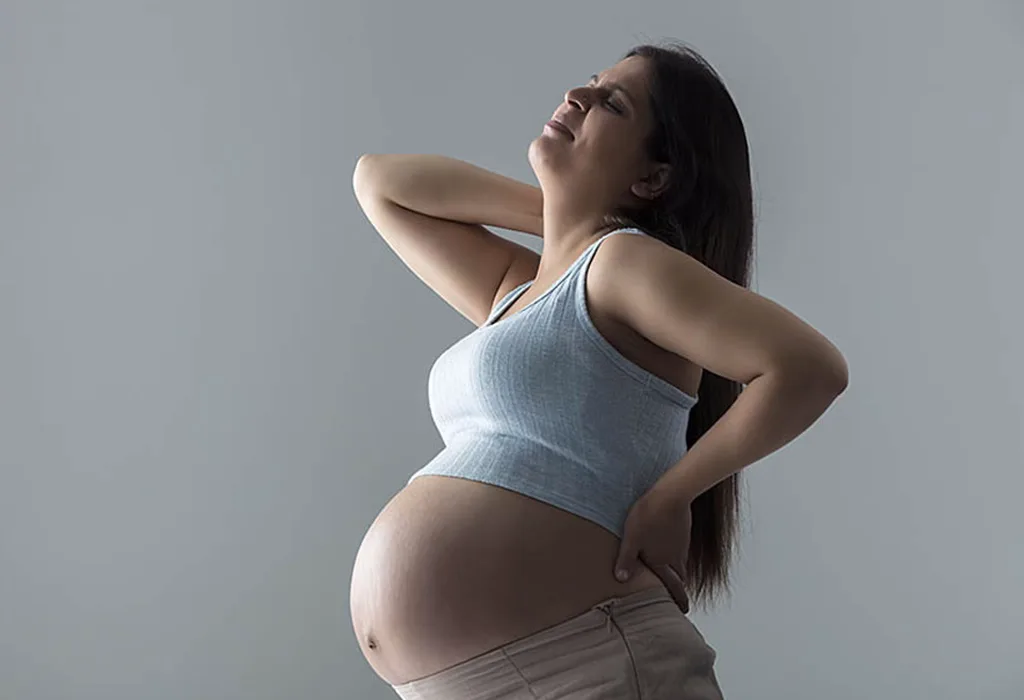
The Most Common Areas of Joint Pain During Pregnancy
Joint pain during pregnancy can be felt in different parts of the body and the causes of these pains may vary from region to region. The most common pain areas and their causes are as follows:
1. Sacroiliac Joint Pain
The sacroiliac (SI) joint is located in the pelvic region and transfers weight from the upper part of the body to the lower regions. During pregnancy, the pelvis expands, the ligaments loosen, and the pressure on this joint increases. This can lead to pain in the pelvis, coccyx and lumbar region. Standing, sitting, or moving for long periods of time can exacerbate these pains.
2. Knee Pain
Knee pain during pregnancy is quite common due to the strain on the joints trying to bear the weight of the growing baby. As the center of gravity changes, the gait pattern also changes to maintain body balance. Especially women with smaller bone structures may experience this situation more intensely.
3. Hands and Wrists
Swelling may occur in the hands and wrists due to fluid retention (edema) during pregnancy. This can lead to problems such as carpal tunnel syndrome. Carpal tunnel syndrome presses on the nerves in the wrist, causing numbness, tingling, and pain. In addition, a condition called “maternal thumb” can be seen, especially in women with young children. This condition occurs as a result of inflammation of the thumb tendons and is caused by repetitive movements, such as frequently lifting young children.
4. Elbow Pain
Although elbow pain is less common during pregnancy, it can occur, especially with increased pressure on the hands. These pains, which are generally mild, are not considered as a primary problem compared to other joint pains that are more pronounced. While these different areas of pain are a natural part of the pregnancy process, they can make daily life difficult.
Recommendations for Relieving Joint Pain During Pregnancy
There are various methods to deal with joint pain during pregnancy. These suggestions not only relieve pain, but can also help you make the pregnancy process more comfortable by supporting your body.
1. Regular and Light Exercise
Moving is one of the most effective ways to relieve joint pain. Regular exercise strengthens your joints and increases mobility.
- Swimming: It reduces the pressure on the body and allows the joints to relax.
- Hiking: Light-paced walks are recommended to support the joints.
- Pregnancy Yoga: In particular, yoga poses that support posture and increase flexibility relieve joint pain.
- Pelvic Exercises: Exercises such as Kegel movements increase the stability of the pelvic area.
2. Hot and Cold Therapy
- Hot Application: A hot shower or a warm compress can be used to relax the muscles.
- Cold Application: A cold compress or cold water bath is recommended to reduce swelling and inflammation. It can be especially effective for hands, feet and knees.
3. Use of Supporting Shoes
During pregnancy, it is important to wear comfortable shoes that support your posture and gait. Avoid high heels; Instead, choose shoes that support the sole and are non-slip.
4. Diet
A healthy diet has a huge impact on joint health.
- Omega-3 Fatty Acids: It’s found in foods like salmon, walnuts, and flaxseeds and can help relieve joint pain.
- Calcium and Vitamin D: Supports healthy bone structure. Dairy products, broccoli, and almonds are good sources.
- Vegetable and Fruit Based Diet: Foods rich in vitamins and minerals can strengthen your muscles and joints.
5. Massage and Acupuncture
Therapies such as prenatal massages and acupuncture are effective methods for relieving joint pain during pregnancy. However, it is important that you get these applications from experts.
6. Rest and Elevating the Feet
Resting after a busy day with your feet elevated can relieve swelling and pain by increasing circulation. However, be careful not to sit still for too long; Inactivity can lead to joint stiffness.
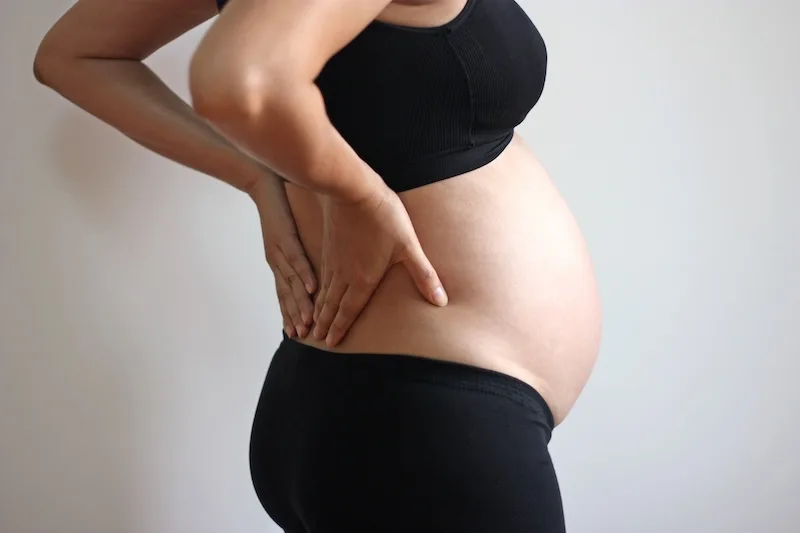
The Condition of Joint Pain During Pregnancy in the Postpartum Period
Joint pain during pregnancy may disappear completely in the postpartum period or may continue for a while. This situation varies from person to person. The process of body recovery usually begins within the first 12 weeks after birth; This period is called the “fourth trimester”. However, many women state that full recovery can take a year or more.
Recommendations for Reducing Postpartum Joint Pain
- Slow and Regular Exercise: During the postpartum recovery process, you can start strengthening your muscles with light-paced exercises. However, do not start an exercise program without your doctor’s approval.
- Be Careful When Carrying a Baby: Paying attention to the correct posture when carrying newborn babies can alleviate your back and lower back pain, in particular.
- Proper Nutrition: As during pregnancy, a diet rich in calcium, vitamin D and omega-3 fatty acids supports your joint health after childbirth.
When Should You Consult a Doctor?
If your joint pain continues to be severe after childbirth or if you have one of the following symptoms, you should definitely consult a doctor:
- Swelling, redness, or increased heat in the joint
- High fever
- Restriction of your mobility
Also, it’s important to listen to your body and not ignore any discomfort due to hormonal changes after childbirth. Experts note that in case of severe pain, physical therapy or other treatment options can be considered.
Can Joint Pain Be Prevented?
Joint pain during pregnancy can be difficult to completely prevent, but you can keep it to a minimum by taking some precautions:
- Exercise Habit: Women who exercise regularly before and during pregnancy may experience less severe joint pain.
- Muscle Strengthening: Strengthening the pelvic floor and core muscles provides support to the joints.
- Correct Posture and Ergonomics: Maintaining correct posture during daily movements reduces the stress on the joints.
Joint pain during pregnancy is a natural and common process. However, if these pains are negatively affecting your quality of life, do not hesitate to ask your doctor for help. By taking care of yourself and following the recommendations, you can get through this process more comfortably. 😊
Source: TheBump