
What is cerclage during pregnancy? Why is it done?
Cerclage during pregnancy is the surgical suturing of the cervix to prevent the risk of miscarriage or premature birth . It is usually applied in pregnant women diagnosed with cervical insufficiency (cervical insufficiency). This comes into play when the cervix may open earlier than normal, causing the pregnancy to terminate. Cerclage is performed to keep the cervix closed and to ensure that the baby remains safely in the womb until birth. So, why is cerclage performed and in what cases is this procedure necessary?
What is cerclage?
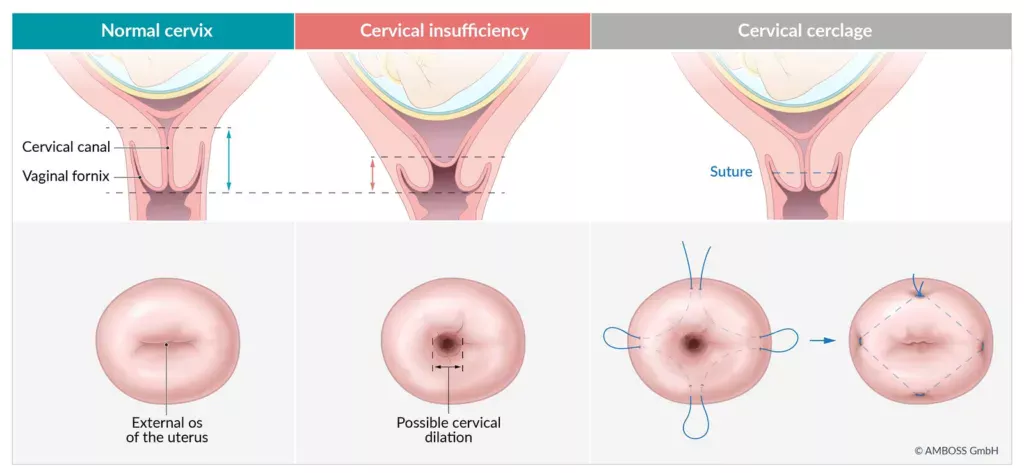
Cerclage is defined as a procedure performed surgically to prevent premature dilation of the cervix (cervix). Later in pregnancy, premature opening of the cervix can lead to premature birth or miscarriage. For this reason, cerclage is recommended for expectant mothers, especially those who have been diagnosed with cervical insufficiency. During this procedure, the cervix is sutured so that the cervix remains closed for a longer period of time.
Why is cerclage performed during pregnancy?
Cerclage during pregnancy is applied to ensure that expectant mothers with cervical insufficiency have a healthy pregnancy process. The main reasons for carrying out the procedure are:
- Cervical Insufficiency: Spontaneous opening of the cervix as pregnancy progresses increases the risk of miscarriage or premature birth. Cerclage is performed to minimize this risk in expectant mothers with cervical insufficiency.
- Past Miscarriages and Preterm Births: Expectant mothers who have experienced second trimester miscarriages in their previous pregnancies or who have given birth prematurely can be protected by cerclage to prevent this risk from recurring.
- Detection of Short Cervix: In some cases, it is determined that the cervix is shorter than normal during the ultrasound examination. This may indicate the risk of preterm birth. In these cases, cerclage is recommended.
How is cerclage performed?
Cerclage is usually performed between 12 and 14 weeks of gestation. This process can be applied in two main ways:
- Transvaginal Cerclage: It is the most common method and is performed by suturing the cervix vaginally. The procedure is usually performed under local or general anesthesia and requires the expectant mother to be kept under observation in the hospital for a period of time.
- Transabdominal Cerclage: In cases where it cannot be performed vaginally, cerclage is performed by reaching the cervix by surgical intervention over the abdomen. This method is especially preferable in cases where vaginal cerclage has previously failed.
What Should Be Considered After Cerclage?
After the cerclage procedure, expectant mothers may need to pay attention to some points. In this process, it is very important to avoid heavy lifting, to stay away from activities that require a lot of effort and to strictly follow the doctor’s recommendations. In addition, regular doctor check-ups after cerclage should not be neglected. In case of bleeding, contraction or pain after the procedure, it is necessary to consult a doctor immediately.
Who Is Cerclage Not Suitable For?
Although cerclage is effective in preventing the risk of preterm birth and miscarriage in many cases, in some cases this procedure may not be appropriate. It is not recommended to perform cerclage, especially if there is a suspicion of infection in the uterus, if the cervix has already begun to open, or if the pregnancy has progressed. In such cases, your doctor may recommend different approaches to determine the most appropriate treatment method.
What are the Risks of Cerclage?
Although cerclage can often be performed successfully and safely, it also carries some risks. Negative situations such as the risk of infection, early opening of the water bladder, and early dissolution of the sutures may occur. However, these risks can usually be minimized by the doctor and the expectant mother acting carefully. For this reason, it is of great importance that pregnant women who have undergone cerclage do not disrupt the doctor’s controls and follow all the instructions recommended by the doctor.
When Is Cerclage Removed?
The cerclage process should be removed with the approach of birth. Stitches are usually removed at the 37th week of pregnancy, and this procedure can usually be performed painlessly. However, in some cases, cerclage sutures can be removed early in emergencies such as the onset of labor or the opening of the water bladder.
Result
Cerclage during pregnancy is a vital procedure for expectant mothers who are at risk of premature birth or miscarriage due to cervical insufficiency. This surgical intervention helps the pregnancy to continue in a healthy way by keeping the cervix closed for a longer period of time. However, as with any surgical intervention, cerclage has some risks and points to be considered. For this reason, it is of great importance to follow your doctor’s recommendations before and after the cerclage procedure and not to neglect your regular check-ups.
Source: Cleveland Clinic