What is Cesarean Delivery?
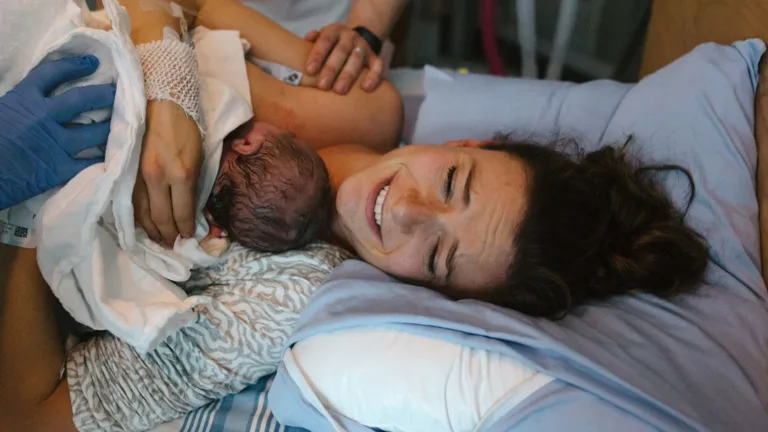
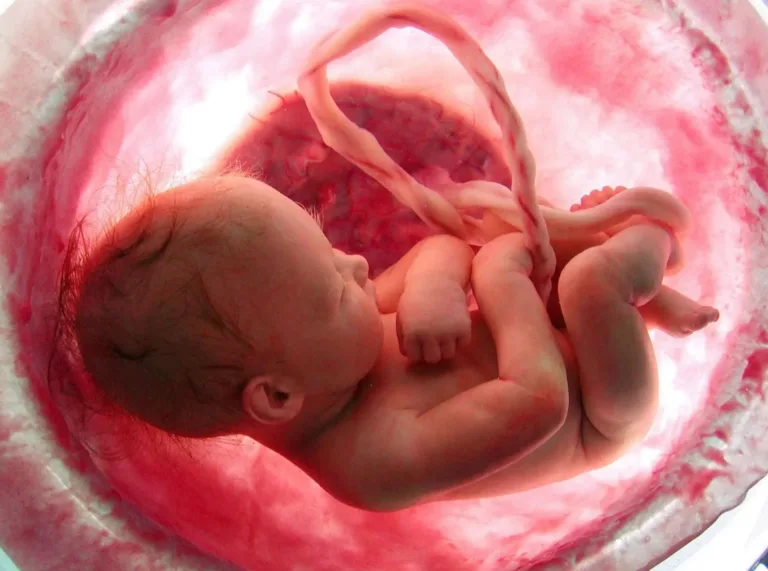
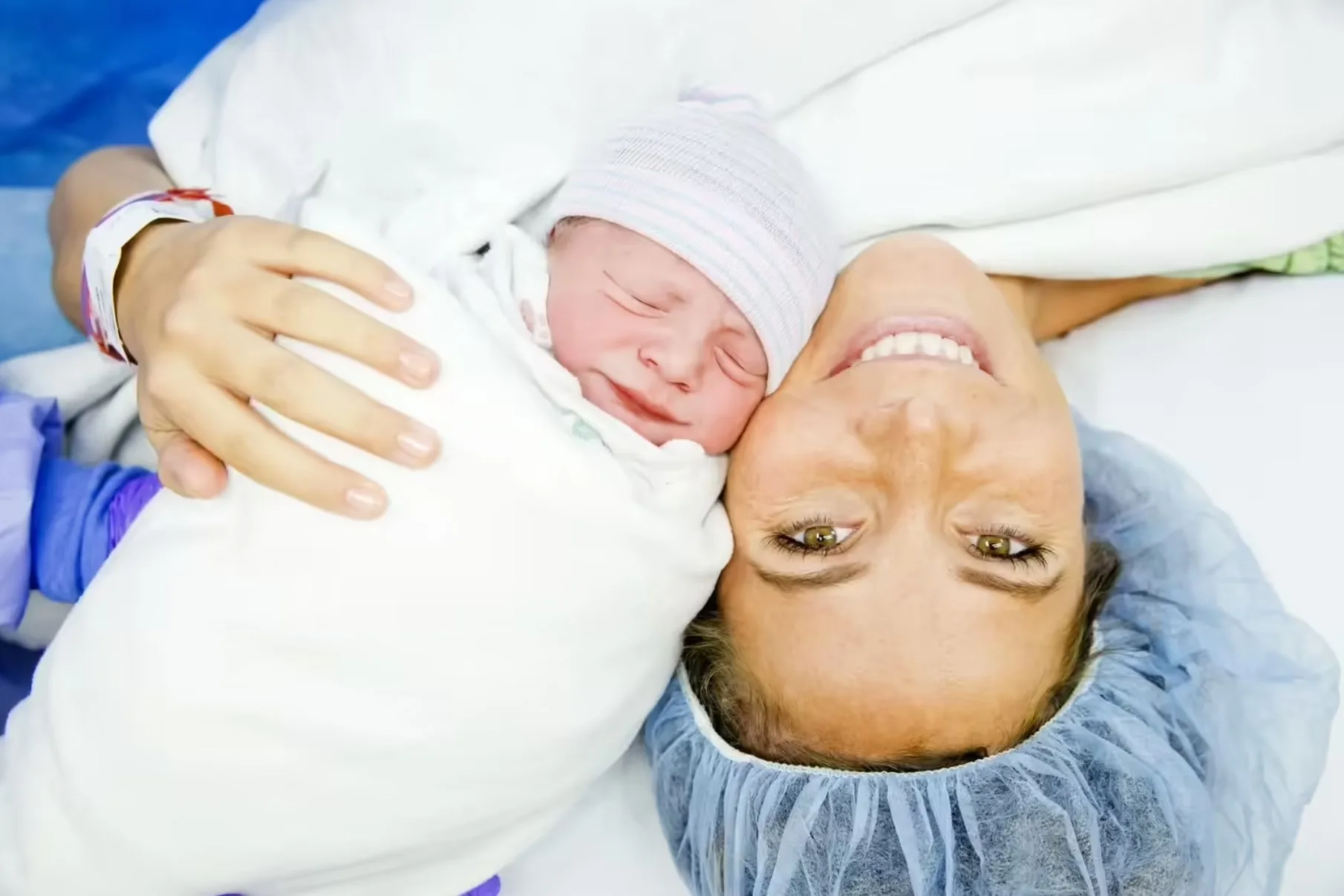
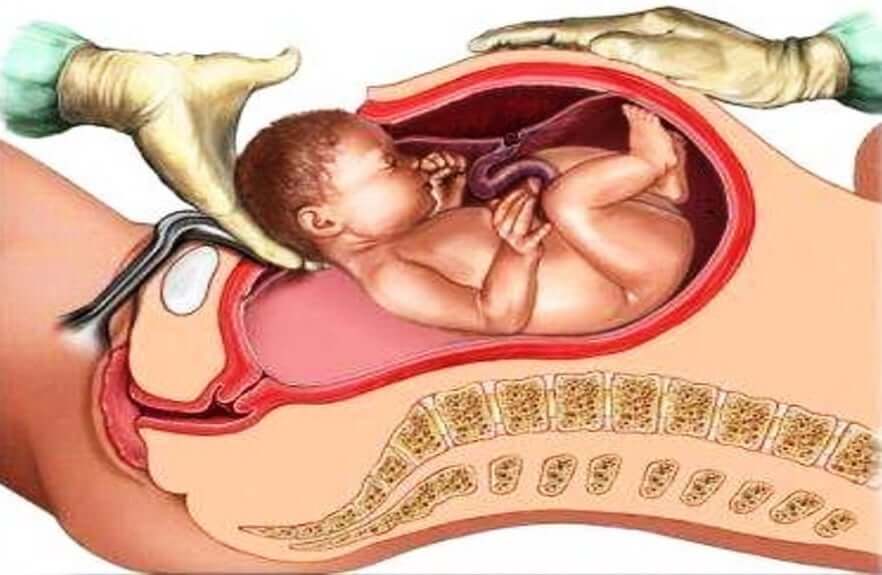
Cesarean delivery is a method of delivery in which babies are surgically removed from the mother’s womb. Medical requirements, risks related to the health of the mother or baby are among the important factors in choosing this method. Today, many expectant mothers prefer cesarean delivery for various reasons.
In this article, we will discuss in detail what cesarean delivery is, why it may be necessary, its processes, and what advantages or disadvantages may be encountered afterwards. At the same time, we will provide answers to frequently asked questions about the recovery process after cesarean section, the effects of this method on health. Our aim is to help expectant mothers make informed decisions by presenting everything that is curious about cesarean delivery in a clear and understandable language. Having comprehensive information about cesarean delivery is of great importance for the health of both mother and baby.
Causes of cesarean delivery
Cesarean delivery is a preferred method to protect the health of the mother and baby in certain situations. Various factors can lead doctors and expectant mothers to this method. Here are the main factors that cause cesarean delivery:
Medical Requirements and Maternal Health
- Unexpected Complications: Unexpected health problems such as high blood pressure and preeclampsia that occur during pregnancy can pose serious risks to maternal health.
- Abnormal position of the uterus: Abnormal placement or growth of the uterus can make normal delivery difficult.
- Previous Cesarean Delivery: Having a previous cesarean delivery can increase the risk of uterine rupture, which may require a cesarean section in subsequent pregnancies.
Infant Health and Position Abnormalities
- Baby’s Position: Situations such as the baby being in an inverted (breech) position or diagonal standing can make normal birth risky.
- Too Big Baby: If the baby is larger than expected (macrosomia), it can make it difficult for it to pass through the birth canal.
- Placenta Problems: Problems with the placenta, such as placenta previa , can interfere with the flow of enough oxygen and nutrients to the baby.
Multiple Pregnancies
- Twin or More Babies: In pregnancies carrying twins, triplets or more babies, cesarean delivery may be preferred for the babies to be born in a healthy way.
Cesarean delivery can be chosen as the safest delivery method for the mother and baby, taking into account the above-mentioned situations. This decision is taken as a result of your doctor’s recommendation and detailed evaluation. The reasons for cesarean delivery aim to achieve the best outcome for both parties, prioritizing the health of the mother and baby.
Types of cesarean delivery
Cesarean delivery is a preferred method in various situations to protect the health of the mother and baby. However, each cesarean delivery has its own cause and type. These methods are generally grouped under two main categories: Planned (elective) cesarean section and emergency cesarean section.
Planned (Elective) Cesarean Section
Planned cesarean section is performed on a predetermined date during the gestation process. This type is generally preferred due to the known risks to the health of the baby or mother. Planned cesarean deliveries may be recommended for:
- The baby is in an inverted or lateral position,
- Placental complications, such as placenta previa,
- The presence of more than one baby in the mother’s womb (twins, triplets, etc.),
- Previous cesarean deliveries.
Emergency Cesarean section
An emergency cesarean section is performed due to unexpected circumstances and complications that arise during childbirth. When there is a sudden health risk to the mother or baby, doctors take quick action. Causes of emergency cesarean section may include:
- The baby is under stress and there is a decrease in heartbeat,
- Failure to progress in childbirth,
- Sudden deterioration in the mother’s state of health,
- Unexpected situations such as cord sagging.
A Second Cesarean Section
If a woman has had a previous birth by cesarean section, a cesarean section may also be recommended for subsequent pregnancies. However, this is not an absolute rule and is evaluated depending on many factors. A second cesarean section may be planned, especially depending on the cause of the previous cesarean section and the condition of the scar in the womb.
Each type of cesarean section aims to protect the health of the mother and baby. It is important for expectant mothers, together with their doctors, to determine the most appropriate type of cesarean delivery for their situation. Although cesarean delivery is a common method, each pregnancy is unique and requires a personalized approach.
Cesarean Section Birth Process
Cesarean delivery may be a planned operation or may be required due to emergencies. In both cases, careful preparation and follow-up is necessary for the health of the expectant mother and the baby. This process includes a series of steps, from pre-operative preparations to post-operative recovery.
Pre-Operative Preparations
- Medical Assessment: After the decision to give cesarean section is made, the general health status of the expectant mother, past surgical operations and current pregnancy status are evaluated in detail.
- Acknowledgment and Consent: The doctor discusses in detail with the expectant mother why cesarean delivery is necessary, the process and possible risks. The consent of the expectant mother is obtained.
- Preparation: The expectant mother is given instructions about food and fluid intake before the operation. In addition, physical preparations are made, such as cleaning the surgical site and, if necessary, removing hair.
Operation Stages
- Anesthesia: Cesarean delivery is usually performed under spinal or epidural anesthesia. In this way, the expectant mother does not feel pain but can stay awake.
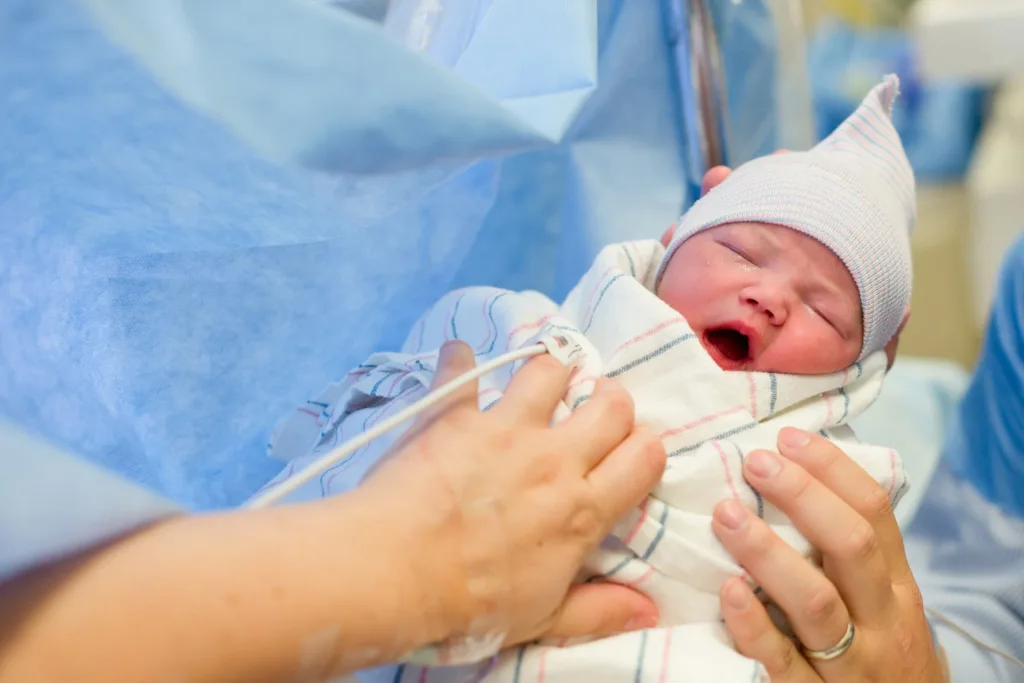
- Surgical Procedure: The doctor makes a small incision in the abdomen and uterus of the expectant mother. The baby is carefully removed from this incision.
- Placenta Removal and Suturing: After the baby is born, the placenta is removed and the incisions made are sutured.
Post-Operative Period
- First Hours: The mother is usually kept under observation for several hours after the operation. During this time, pain control and vital signs are monitored.
- Hospital Stay: The length of hospital stay after cesarean delivery usually ranges from 2-4 days. During this process, nurses and doctors closely monitor the condition of the mother and baby.
- Home Recovery: After discharge from the hospital, the process of rest and recovery begins at home. The expectant mother is given instructions on suture care, pain management and general health monitoring.
Although cesarean delivery is a common procedure, it is an important surgical procedure that requires careful planning and execution of every step. For this reason, it is of great importance for expectant mothers to be in open communication with their doctors and to be informed about the process.
Advantages and Disadvantages of Cesarean Section
Cesarean delivery can be inevitable in some cases and can offer significant advantages for both mother and baby health. However, as with any medical procedure, there are certain risks and disadvantages. Therefore, it is important to carefully consider the advantages and disadvantages of cesarean delivery.
Advantages
- Life-Saving in Cases of Medical Necessity: Cesarean delivery is a life-saving method in situations that may be dangerous for the baby or in medical complications that may put the mother’s health at risk.
- Planning Possibility: A planned cesarean section allows the mother and doctor to know in advance when the birth will take place. This can be especially beneficial for expectant mothers who live in remote areas or have certain medical conditions.
- Mitigating Certain Risks: Conditions such as the risk of rupture in the pelvic area, lack of oxygen in the baby during childbirth can be reduced by cesarean section.
Disadvantages
- Long Healing Process: Cesarean delivery has a longer recovery period compared to normal birth. Expectant mothers may face post-operative pain, risk of infection and physical limitations.
- Increased Risks: Since cesarean delivery requires surgery, it carries the general risks of surgical interventions such as infection and bleeding. It can also increase the risk of complications in future pregnancies.
- Cost: Cesarean delivery is usually more costly than normal delivery. This is due to the length of the operation, anesthesia and hospital stay.
Balancing
The advantages and disadvantages of cesarean delivery should be evaluated in accordance with the individual health status of each expectant mother, the characteristics of the pregnancy and the recommendations of her doctor. When making a decision, the short- and long-term effects of cesarean delivery, as well as the potential benefits and risks on maternal and infant health, should be carefully weighed.
As a result, while cesarean delivery may be the safest and most convenient delivery method in some cases, like any operation, it comes with certain risks and consequences. Therefore, when making the decision to have a cesarean delivery, it is important to carefully review all factors and have an open dialogue with your doctor.

Recovery Process After Cesarean Section
Since cesarean delivery is an operation, the postpartum recovery period is a longer period that requires attention than normal birth. In this process, both physical and emotional recovery of the expectant mother is important. Recovery can happen more quickly and smoothly with the right care, support, and time.
Hospital Stay
- First Hours: After cesarean delivery, mothers are usually kept under observation for the first few hours after surgery. In this process, pain control and vital signs are closely monitored.
- Length of Hospital Stay: The length of hospital stay after cesarean section usually ranges from 2 to 4 days. During this time, nurses and doctors monitor the health status of the mother and baby and provide support with pain management and wound care.
Healing at Home
- Rest: It is very important to rest during the recovery period at home. The mother needs enough time and a calm environment for her body to recover.
- Wound Care: The cesarean section incision should be checked regularly and kept clean to prevent infection. Your doctor will give you specific instructions for wound care.
- Pain Management: Your doctor may recommend medications to manage the pain. The pain usually begins to subside within a few weeks, but full recovery may take several months.
- Physical Activity: In the beginning, it is important to avoid heavy lifting and gradually increase physical activity. Light exercise, such as walking, can speed up recovery by increasing circulation.
- Lactation: Cesarean delivery can cause difficulties with breastfeeding. Lactation specialists and nurses can provide support with appropriate breastfeeding positions and techniques.
Emotional Healing
- Emotional Fluctuations: Postpartum hormonal changes can cause emotional fluctuations. A supportive family environment and seeking professional help when needed promotes emotional healing.
- Mother-Infant Bonding: Physical restrictions after cesarean section can make it difficult to bond between mother and baby. Spending plenty of time with your baby, skin-to-skin contact, can make this process easier.
The recovery process after cesarean section differs for each woman and requires patience. Following your doctor’s instructions and getting adequate support and care will help you get through this period in a more comfortable and healthy way.
Comparison of Cesarean Section and Normal Birth
Cesarean delivery and normal birth are the two main methods of how babies are born. Both types of childbirth have their advantages, disadvantages and suitability in different situations. This comparison can help expectant mothers decide on the most appropriate delivery method for their situation.
Birth Process
- Normal Birth: It occurs naturally and usually begins with the onset of labor pains. This process indicates that the mother’s body must be physically ready for childbirth. Childbirth usually requires a shorter hospital stay.
- Cesarean Delivery: It takes place through a surgical procedure and is usually performed due to a medical necessity or as a planned operation. Cesarean section carries certain risks and the recovery process is longer.
Risks & Benefits
- Normal Birth: The natural nature of the birth process allows the mother to recover faster. In addition, there is a lower risk of postpartum infection and facilitates early contact with the baby.
- Cesarean Delivery: In certain cases, especially in situations that may pose a risk to the baby or the mother, a cesarean delivery may be safer. However, since it is a surgical procedure, it carries risks such as infection, bleeding and may require a longer hospital stay.
Healing Process
- Normal Birth: Recovery is usually faster and allows the mother to return to physical activities more quickly.
- Cesarean Delivery: The healing process is longer and requires additional steps, such as maintenance of the incision. Also, more attention and care may be required for pain control.
Future Pregnancies
- Normal Birth: It usually does not pose an obstacle to future pregnancies.
- Cesarean Delivery: In future pregnancies, the risk of certain complications may increase, especially if more than one cesarean delivery has been performed. However, many women can give birth by cesarean section more than once.
Decision-Making Process
The decision-making process of expectant mothers depends on many factors, such as their personal health status, the health of their babies, previous birth experiences, and the recommendations of their doctors. Both delivery methods offer advantages and disadvantages based on specific situations and personal preferences. Therefore, it is important to have open communication with your doctor and determine the most appropriate option for you when making a decision.
Misconceptions About Cesarean Birth
Although cesarean delivery is a common method of delivery around the world, there is a lot of misinformation and myths about it. This misinformation can negatively affect the decision-making process of expectant mothers. Here are the most common misinformation and facts about cesarean delivery:
1. Cesarean Birth Is Seen as the “Easy Way”
Real: Cesarean delivery requires a surgical procedure and carries certain risks. The healing process is usually longer and comes with more pain and discomfort compared to a normal birth. Therefore, it should not be seen as the “easy way”, but as a medical necessity or the most appropriate option for the health of the mother and baby.
2. Women Cannot Breastfeed After Cesarean Section
Real: Women who have had a cesarean section can successfully breastfeed their babies with support and proper information about breastfeeding. Breastfeeding after cesarean section is encouraged by correct positioning and frequent breastfeeding.
3. Women Who Give Birth by Cesarean Section Cannot Give Normal Birth
Real: Many women are able to give birth normally through a “Vaginal Postpartum Cesarean Section” (VBAC) after a cesarean delivery. This is assessed by doctors, taking into account individual health conditions and the causes of the previous cesarean section.
4. Cesarean Delivery, Less Painful
Real: Although anesthesia is used during cesarean delivery, the post-operative recovery process can be painful and take longer than in a normal birth. Pain management is an important issue after cesarean delivery.
5. Cesarean Section Birth Is Safer for Mother and Baby
Real: Cesarean delivery can be necessary and vital for certain medical conditions. However, like any medical intervention, cesarean delivery carries its own risks. The safest method of delivery for mother and baby depends on their individual health conditions and pregnancy conditions.
6. Cesarean delivery requires all future births to be cesarean section
Real: After a cesarean delivery, many women are able to safely give birth normally through VBAC. This depends on your doctor’s advice and your individual health conditions.
Debunking misinformation about cesarean delivery helps expectant mothers make informed decisions about delivery methods. It is important to always have open communication with your doctor and make the most appropriate decision based on your own health situation and preferences.
Choosing a Doctor and Hospital for Cesarean Section
Cesarean delivery is a critical process for maternal and infant health, and choosing the right doctor and hospital plays an important role in the success of this process. For an ideal cesarean delivery experience, you expect your doctor and the hospital to provide a high standard of service. Here are some important factors to consider when choosing a doctor and hospital for a cesarean delivery:
Doctor Selection
- Field of Expertise and Experience: It is important that your doctor has extensive experience and knowledge of cesarean deliveries. In addition, the ability to deal with possible risks and complications is critical.
- Contact & Support: It is important that your doctor is able to communicate clearly, understandably and supportively about the process. It should give you a comforting and reassuring attitude throughout your pregnancy and birth.
- Testimonials: The experiences of other expectant mothers can help you gain insight into your doctor. Positive feedback can give important clues about the quality of your doctor’s service.
Hospital Selection
- Medical Facilities and Technology: The hospital where cesarean delivery will be performed must have modern medical technologies and adequate medical facilities. This allows for quick intervention in case of emergency.
- Quality of Care: It is important that the hospital offers high-quality care that is tailored to the needs of both mother and baby. Postnatal care and support services should also be considered.
- Hospital Location: It is important that the hospital is easy to reach and close to you, especially for emergencies. It also facilitates hospital visits and follow-up appointments.
- Insurance & Cost: Check to see if hospital and doctor services are covered by your health insurance. It’s also important to get transparent information about costs and payment options.
Decision-Making Process
The choice of doctor and hospital varies depending on personal preferences, health needs, and financial situation. When choosing the most suitable doctor and hospital for cesarean delivery, it is important to conduct thorough research and evaluate the available options, taking into account the above factors. Remember, choosing the right doctor and hospital will help you get the best results for you and your baby’s health.
Frequently Asked Questions After Cesarean Section
After cesarean delivery, mothers may have many questions. In this section, we cover some of the most frequently asked questions and their answers, so you can better understand the process of cesarean delivery and prepare yourself for this important period.
When Can I Return to Normal Activities After Cesarean Section?
The healing process varies from person to person, but many women are able to gradually return to normal activities within 6-8 weeks. Your doctor will determine the best time and activity level for you.
When Does a Cesarean Section Wound Heal?
The cesarean section incision usually heals significantly within 4-6 weeks, but it may take several months for full healing and scarring to fade. It is important to pay attention to the care of the incision and follow your doctor’s recommendations.
When Can I Take a Bath After Cesarean Section?
Many doctors recommend showering for the first few days after surgery so as not to affect the healing process of the incision. It is important to get your doctor’s approval before taking a full bath.
When Can I Do Sports After Cesarean Delivery?
Light exercises can usually be started 6-8 weeks after surgery, but you should get your doctor’s approval before starting any exercise program. Your doctor will recommend the most appropriate time and type of activity depending on the condition of your body.
When Can A Second Pregnancy Be Planned After Cesarean Section?
Doctors usually recommend waiting at least 18-24 months after a cesarean section. This time is important for your body to fully recover and be ready for the next pregnancy.
Will I Have Problems With Breastfeeding After Cesarean Delivery?
Cesarean delivery can make it difficult to start breastfeeding in some mothers, but lactation consultants and nurses can help with the right techniques and positions. Early and frequent breastfeeding stimulates milk production and facilitates the breastfeeding process.
How Long Does Cesarean Section Incision Pain Last?
Cesarean section incision pain usually subsides within a few weeks after surgery, but mild pain and discomfort can last for several months. You can use the medications recommended by your doctor for pain management.
Cesarean delivery is being performed at an increasing rate around the world, and this trend brings with it research and debate on delivery methods. Vaginal delivery after cesarean section (VBAC) is gaining importance in order to reduce cesarean section rates and give women more flexibility in their birth options. Research provides important information about the applicability of VBAC and its knowledge levels on pregnant women. In this process, it is important for pregnant women to have sufficient information about VBAC and to be open to evaluating this method. However, even if all the conditions are met, VBAC cannot be applied if the pregnant woman does not want to participate in this process. This situation shows that information and education activities can increase the participation and knowledge level of pregnant women in VBAC. (Sources 1, 2)
In summarizing this article, I would like to emphasize the importance of studies on the complex nature and various aspects of cesarean delivery. Research on cesarean section and VBAC is critical to guiding women in decision-making processes and improving the quality of healthcare. In conclusion, cesarean delivery decisions should be made based on individual health conditions, preferences, and available scientific evidence. In this process, open communication and information sharing between healthcare professionals and patients is essential.