What is Polycystic Ovary Syndrome?
Women with polycystic ovary syndrome (PCOS) have too many male hormones and not enough female hormones. This disrupts the woman’s ovulation pattern. 80 percent of women with PCOS are obese. More than 70 percent have excessive hair growth on their face, chest and abdomen, back or genital area.
What is polycystic ovary syndrome (PCOS)?
Women with polycystic ovary syndrome (PCOS) have too many male hormones and not enough female hormones. This condition reduces ovulation or makes it irregular. If PCOS is left untreated, this hormone imbalance can affect all parts of the body and increase the risk of various health problems, including diabetes, heart disease, and infertility.
Women normally ovulate each month when an ovarian follicle (a fluid-filled sac containing a developing egg) breaks and releases a mature egg into the fallopian tube. An excess of male hormones in a woman with polycystic ovary syndrome prevents the maturation and release of the egg, so the egg remains inside the fluid-filled follicle or “cyst”. Many women with PCOS have enlarged ovaries filled with these small clusters of cysts. A high level of male hormones disrupts normal follicle development and ovulation patterns, female hormones become unbalanced, and the cycle repeats itself.
Many women with PCOS have insulin resistance, meaning the body can’t process glucose (sugar) efficiently. As a result, extra insulin is needed to send glucose to the cells that need it. Too much insulin can increase appetite, which can lead to weight gain and the production of more male hormones.
Polycystic ovary syndrome occurs in 5 to 10 percent of women of childbearing age. That’s why PCOS is the most common cause of infertility in women.
PCOS is a disease that needs to be treated.
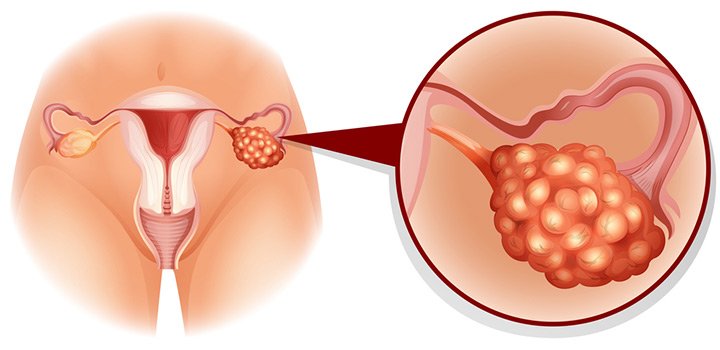
What causes polycystic ovary syndrome?
Experts aren’t exactly sure what causes PCOS. However, the common opinion is that it is a hereditary disease. This may have been caused by eating habits and environmental factors. PCOS is thought to develop as a result of a combination of genetic and environmental factors.
What are the symptoms of polycystic ovary syndrome?
Every woman with PCOS has unique hormone levels and hormone fluctuations. Therefore, the symptoms vary from woman to woman. 80 percent of women with PCOS are overweight and usually have a wider waist circumference. More than 70 percent have excessive hair growth on their face, chest, lower abdomen, back, or thighs.
Other symptoms of PCOS include:
- If you have irregular menstrual cycles or do not have a menstrual cycle at all
- Bleeding that is very light, very heavy, or unexpected during menstrual periods
- Skin problems such as acne, dark spots (small, excess skin flaps in the armpits or around the neck)
- Hair loss
- Sleep apnea
- Difficulty getting pregnant
How is polycystic ovary syndrome diagnosed?
The doctor evaluates the symptoms, looks at your medical history, and examines you with a physical examination. He orders blood tests to measure hormone levels. An ultrasound scan is performed to check for cysts in the ovaries.
To be diagnosed with PCOS, you must have at least two of these three symptoms:
- Irregular or absent menstrual periods
- Related symptoms such as high male hormone levels, male pattern hair loss, or excessive hair growth
- Numerous small cysts on one or both ovaries

Can a woman with PCOS get pregnant?
Can a woman with polycystic ovary syndrome get pregnant? Yes, she can get pregnant, provided she gets treatment. PCOS can be treated by losing weight or using medication.
Weight loss: If you are overweight, you should lose weight with appropriate diet and sports programs
Medication: By using the medicines prescribed by your doctor regularly
Infertility Treatment
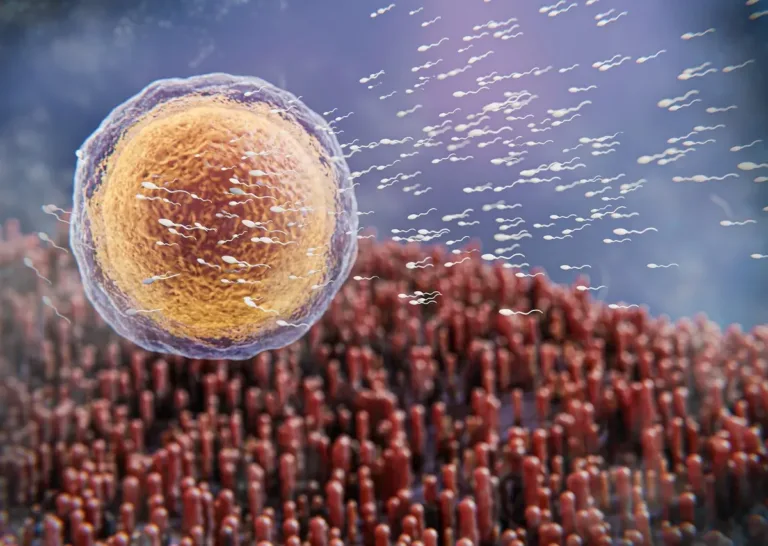
Your doctor may recommend in vitro fertilization to you. In the method of getting pregnant with IVF, the sperm and egg are brought together in the laboratory environment and the fertilized egg is placed back in the mother’s womb.
The pregnancy rate varies depending on age and the couple’s fertility problems. However, women with PCOS usually have the same chance of getting pregnant through IVF as women with other fertility problems.
Surgery
A surgical procedure called ovarian puncture may be an option. In this technique, a surgeon makes small incisions in your abdomen and small holes in your ovaries. This method can lower the level of male hormones and help with ovulation.
Unlike oral and injectable medications, ovarian puncture is a one-time treatment. The effects are only temporary, but about 50 percent of women become pregnant within a year of surgery.
Are you undergoing infertility treatment? For more content, you can follow the I Don’t Have a Baby category.