Use of folic acid before pregnancy
The use of folic acid before pregnancy is extremely important. Today, the use of folic acid before pregnancy is not very common. Especially in unplanned pregnancies, expectant mothers do not use folic acid. The use of folic acid before pregnancy is just as important as during pregnancy. It has been proven that folic acid plays an important role in the development of the baby. Folic acid supplementation is recommended all over the world to prevent major health problems such as neural tube defects.
Folic acid supplements may help prevent neural tube irregularities, including spina bifida and anencephaly. Getting enough folic acid during pregnancy can reduce the chances of your baby being born with one of these conditions.
Folic acid supplements not only help prevent fetal development problems, but they also help reduce the risk of pregnancy complications such as preeclampsia. Source
What is Folic Acid?
Folic acid is a folate-derived synthetic vitamin. It is found in the group of B vitamins. Folate, a group B vitamin found in natural foods, is called folic acid if it is produced synthetically. That’s why natural foods contain folate, not folic acid. The human body needs to take this vitamin from the outside, which it cannot produce.
What Foods Contain Folate?
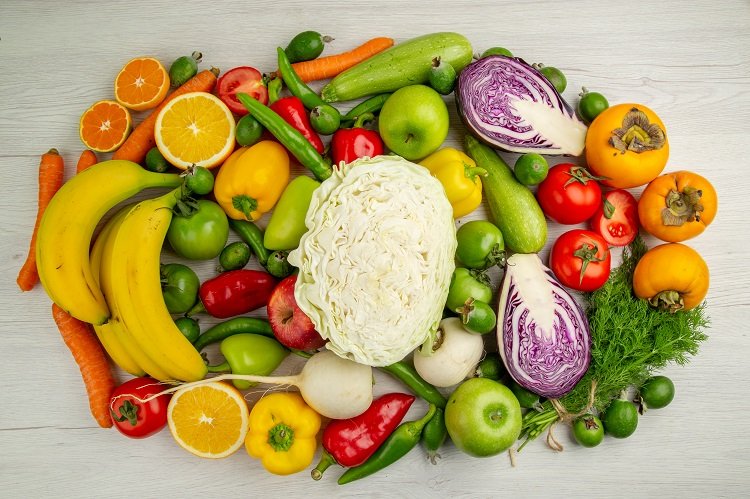
Foods rich in folic acid (Folate) are listed below.
- Legumes: Legumes such as black-eyed peas, beans, peas and lentils contain plenty of folate.
Legumes are rich in folate and many other nutrients. One cup (198 grams) of cooked lentils provides 90% of the daily folate requirement, and one cup (177 grams) of cooked kidney beans provides about 33% of the daily foliate requirement.
- Asparagus: Askanmaz is a food that contains not only folate but also many beneficial vitamins and minerals.
Asparagus is rich in fiber and contains a lot of folate. A half-cup serving of asparagus provides about 34% of the daily folate requirement.
- Egg: Eggs are a storehouse of B12. It is also a food rich in protein and folate.
Eggs are a good source of folate, and a single egg provides about 6% of the daily folate requirement.
- Green Leafy Vegetables: Spinach is a plant food that is both low in calories and high in folate. At the same time, green leafy vegetables such as beans, broccoli, and cabbage are rich in folate.
Leafy green vegetables contain many nutrients, including folate. 30 grams of raw spinach contains about 15% of the daily folate requirement.
- Beet: In addition to adding color to meals and desserts, beets are also rich in many important nutrients. They contain most of the manganese, potassium, and vitamin C you need throughout the day.
Beets are rich in nitrates and folate. 136 grams of raw beets contain 37% of the daily folate requirement.
- Citrus: Although Vitamin C comes to mind first when it comes to citrus fruits, it is also a good source of folate.
Citrus fruits are rich in vitamin C and folate. One large orange contains 14% of the daily folate requirement.
- Liver: Beef liver contains dense folate.
A single 85-gram serving contains about 54% of the daily folate.
- Hazelnuts and Nuts: In addition to containing a hearty dose of protein, they are rich in fiber and many vitamins and minerals that your body needs.
28 grams of walnuts meet about 7% of the daily folate requirement, while 28 grams of flaxseed meets 6% of the daily folate need.
- Broccoli: Well known for its health-promoting properties, broccoli contains the essential vitamins and minerals you need.
Broccoli is rich in folate, especially when cooked. 91 grams of raw broccoli can meet 14% of your daily needs, while 78 grams of cooked broccoli can meet 21% of your daily needs.
- Wheat: It provides a high concentration of vitamins, minerals and antioxidants.
Wheat germ is rich in fiber, antioxidants, and micronutrients. 28 grams of wheat germ contains about 20% of the daily folate requirement.
- Papaya, Banana, Avocado: Papaya is rich in antioxidants and folate. 140 grams of raw papaya provides about 13% of the daily requirement for folate.
One medium-sized banana contains about 6% of the daily folate requirement.
Avocados are rich in heart-healthy fats and folate. Half of an avocado meets about 21% of the daily requirement for folate.
Why is it important to use folic acid before pregnancy?
Folic acid plays an important role in the development of the baby. Folic acid supplements help support pregnancy, reduce pregnancy-related complications, and reduce the likelihood of fetal development problems.
It takes part in cell division and tissue growth. It also helps the baby’s brain and spine, called the neural tube, develop. Taking folic acid both before and during pregnancy may help prevent neural tube irregularities such as anencephaly and spina bifida .
Beyond preventing fetal developmental problems, taking folic acid supplements during pregnancy can contribute to a child’s mental development and reduce the chances of a child being born with autism.
Folic acid is also important for maternal health. Folic acid supplementation has been shown to reduce the risk of pregnancy-related complications, including preeclampsia . Folic acid can reduce the risk of preterm birth.
Folate is important for the health of both pregnant women and their babies, and it may not always be easy to get enough of it from food alone.
What is the Amount of Folic Acid That Should Be Taken Daily?

The amount of folic acid that a woman who wants to get pregnant should take daily is 400 mcg at most. Taking too much folic acid can potentially lead to a buildup of unmetabolized folic acid in your blood.
“Unmetabolized” means that your body doesn’t break down folic acid or convert it into other forms of folate. Although the diseases that can be caused by unmetabolized folic acid have not yet been found, it is known that it carries several risks.
High levels of unmetabolized folic acid during pregnancy can affect children’s mental development. In an intelligence score study of 1,682 mother-child pairs in the United States, children of mothers who used more than 1,000 mcg of folic acid daily scored lower than children of mothers who used 400-999 mcg daily. Although these studies suggest that there may be risks associated with taking high doses of folic acid during pregnancy, more research is needed to confirm these findings.
Folate taken from food naturally does not cause any harm. Even if you take too much, the body can turn it into different forms. However, synthetically produced Folic acid cannot be converted into other forms. That is why you should not take too much.
Does Folic Acid Interact with Other Medications?
Folic acid is known to interact with certain medications. Therefore, it is useful to tell your doctor about the drugs you use with or without a prescription.
When Should I Start Using Folic Acid?
Experts recommend that anyone trying to get pregnant start taking acid supplements containing 400-800 mcg daily at least 1 month before getting pregnant and for the first 2 months. Source