10th week of pregnancy
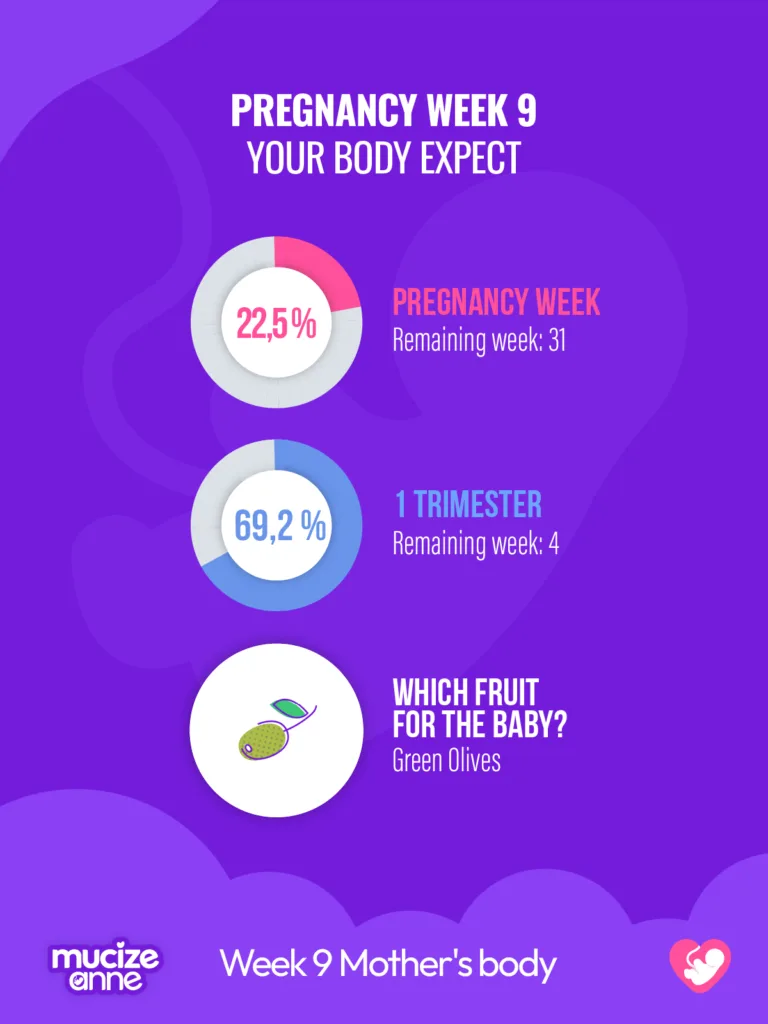
You are approaching the last stretch of your first trimester! If you haven’t experienced any obvious pregnancy symptoms so far, you may start to feel some changes in your body this week. Mild aches, pains, and veins becoming more prominent are the usual symptoms of this period.
That tiny belly you see is the beginning of a little baby belly! People around you may not realize it yet, but the day is coming when you won’t be able to keep this secret any longer.
Your first doctor’s appointment has probably already taken place (or will take place this week). At this appointment you can see and hear the baby’s heartbeat with an early ultrasound. Your doctor can also discuss some options for a nuchal translucency scan and non-invasive prenatal testing (non-invasive refers to approaches, methods and techniques that do not require puncturing or cutting the skin or inserting a device or instrument into the body for diagnosis or treatment, and do not violate the integrity of the living being). Both scans are done to check for chromosomal abnormalities.
And your baby belly is officially here! At 10 weeks pregnant, you will no longer have to question whether you look pregnant or not, because it is at this time that your belly starts to show. What’s even more exciting is that the baby is no longer scientifically called an embryo, but a fetus. This means that your baby is starting to look more and more like a baby every day, and the challenging symptoms of the first trimester are almost behind you.
Your Baby in the 10th Week of Pregnancy
The 10th week of pregnancy is an important milestone: Your baby is no longer an embryo, but a fetus! The embryo stage is when the main organs such as the brain, heart, lungs, arms and legs are formed. By the time your baby reaches the fetal stage, these organs and body parts are fully formed and are in the stage of growth and development. At this stage, the baby’s head is more rounded and makes up half the length of the body. There is a slight bump on the forehead for the brain to develop.
Goodbye to webbed fingers and toes! The baby’s hands and feet are now fully formed, fingers and toes are longer and nails are beginning to develop. She can bend her elbows and her arm joints are gaining function; cartilage and bones are forming. Finger nails and hair are also starting to appear this week! At 10 weeks, your baby is already practicing swallowing and kicking.
How big is a 10-week-old baby?
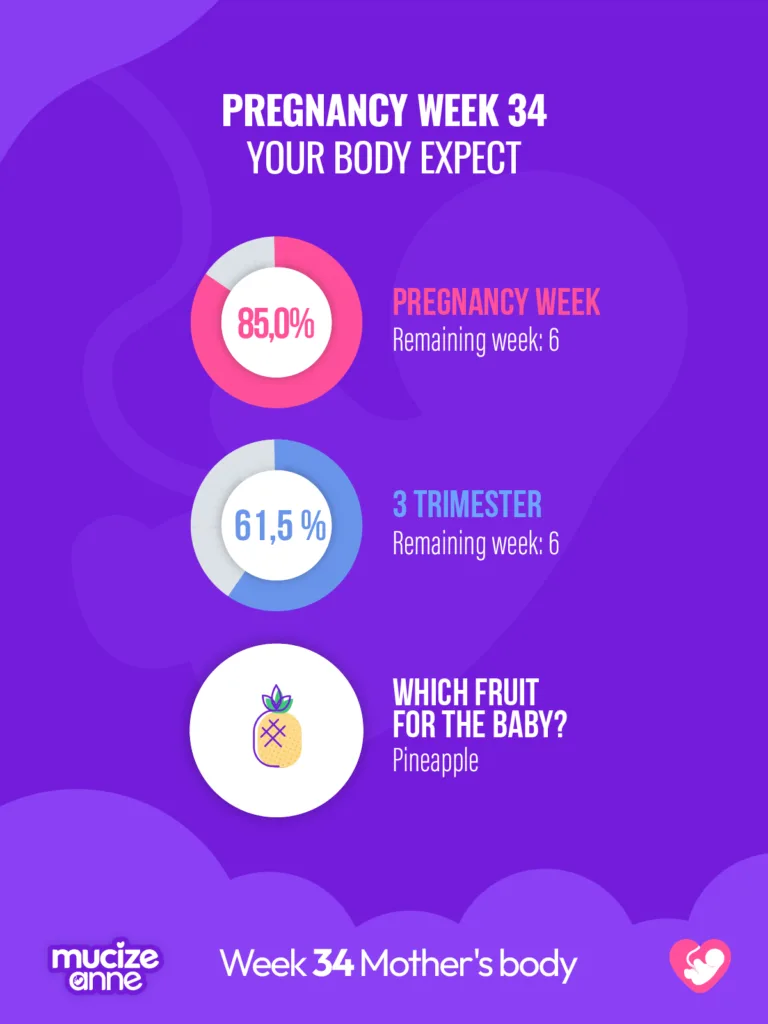
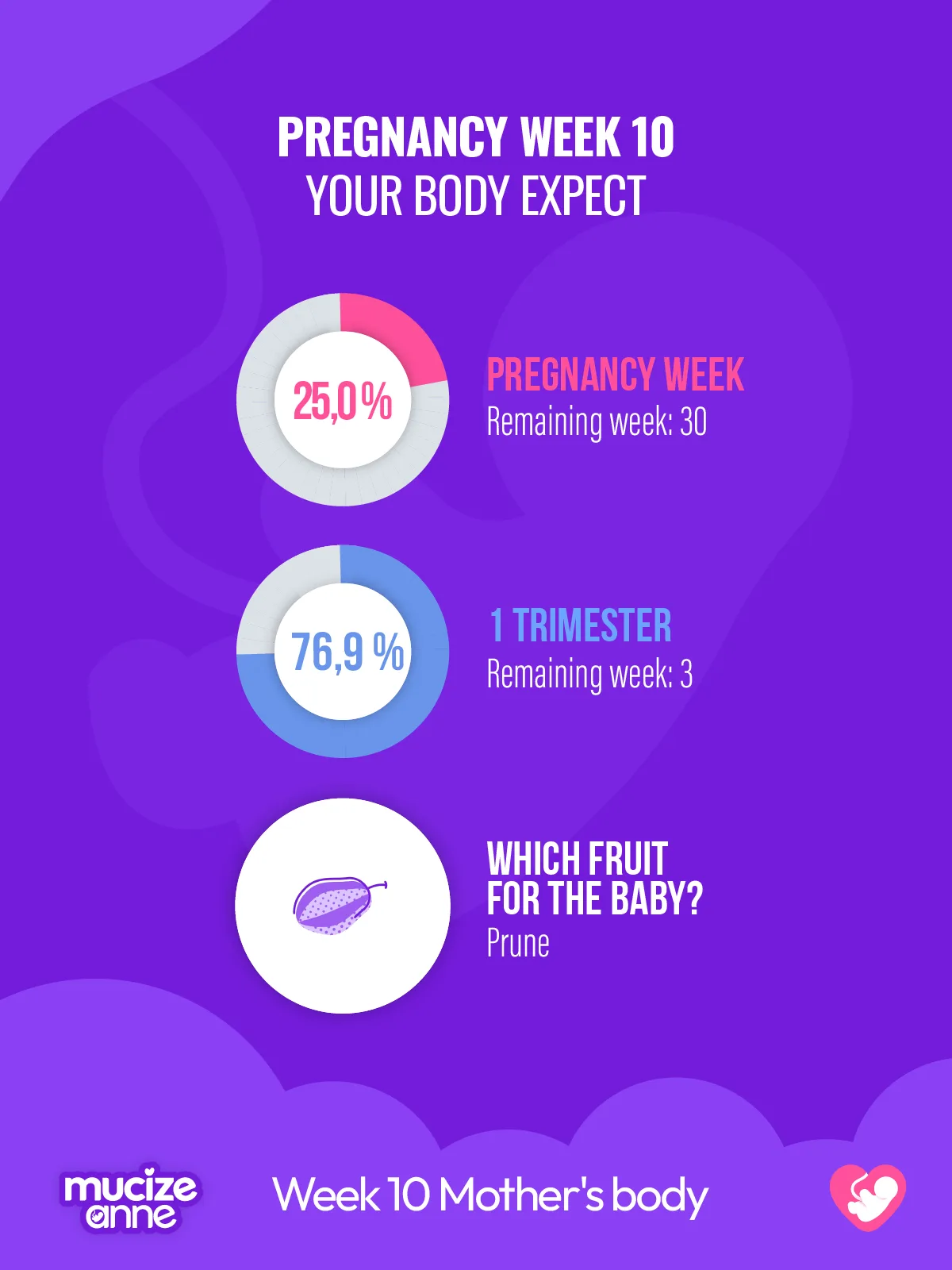
In the 10th week of pregnancy, your baby is about the size of a plum. It is about 2.5 to 5 centimeters long and weighs around 7 grams. In the next three weeks it will almost double in size!
How many months is a 10-week pregnancy?
You are approximately 2 months and 2 weeks pregnant at 10 weeks, but doctors prefer to track pregnancy in weeks. This is because pregnancy is calculated as 40 weeks from the day of your last period, which is more than 9 months, which can be confusing.
10-Week Pregnancy Ultrasound
If you are considering first trimester genetic testing, week 10 is an important time. Genetic tests are voluntary; it is up to you to decide which ones to have, but a genetic counselor can guide you based on your family history and risk factors.
- Nuchal Translucency Screening (NT Screening): This scan is usually performed between 10 and 14 weeks and tests the fetus for Down syndrome and some other chromosomal abnormalities. During this painless ultrasound, the baby’s nuchal translucency (nuchal layer) is measured to look for signs of abnormalities. This test, commonly known as “First Trimester Screening”, also includes a blood sample and risk assessment based on both ultrasound and blood test results. (2-test)
- Non-cellular Fetal DNA Test (NIPT): At 10 weeks or later, this blood test screens the mother’s blood for Down syndrome, Edward syndrome, Patau syndrome and other chromosomal abnormalities(Verifi NIPT test).
Other, more invasive tests – chorionic villus sampling (CVS) and amniocentesis –are used to definitively diagnose abnormalities and are usually done if there is a higher risk based on family history, risk factors or previous screening results.
- Chorionic Villus Sampling (CVS): This test, performed between 10 and 13 weeks, uses ultrasound to determine the position of the placenta. Under ultrasound guidance, the doctor collects cells from the placenta with a needle through the abdomen or vagina, and these cells are analyzed for genetic abnormalities.
- Amniocentesis: If you choose to have this test, it is scheduled between weeks 15 and 20.
If you think the first and second trimester tests are too much, don’t worry – once they’re all done, you’ll be able to focus on the joyful preparations of pregnancy!
10th Week of Pregnancy Pregnancy Symptoms
As your baby grows, you may feel your abdominal ligaments and muscles start to tighten. Your breasts are getting bigger and you may be experiencing some other important changes. Here are some common symptoms you may experience this week:
Round ligament pain: Don’t be surprised by the aches and pains that occur to make room for the growing baby in your belly. These pains are known as“round ligament pain” and can be quite uncomfortable for some expectant mothers. If you are expecting twins, these pains may be even more pronounced. Do not hesitate to tell your doctor if your discomfort is severe or if you have any concerns.
Growing breasts By week 10, your breasts are probably enlarged and tender because they have been preparing for weeks for breastfeeding!
Morning sickness Nausea and vomiting can still be common during the 10th week of pregnancy, and not just in the morning. The good news is that these symptoms will usually subside once you enter the second trimester.
Emotional Fluctuations Changes in hormones can cause emotional fluctuations. It’s normal to feel happy and excited sometimes and angry or sad at other times.
Fatigue Don’t be surprised if you feel completely exhausted! Your body is working hard to grow the baby, and strange dreams can also interrupt your sleep.
Increased Vaginal Discharge: Increased blood flow and estrogen production can lead to a transparent and odorless discharge (leucorrhea). This is nature’s mechanism to remove bacteria. However, if the discharge is colored, smelly or uncomfortable, you should consult your doctor.
Prominent Veins These blue vein lines are a sign of additional blood circulation in your body for your baby! Spider veins can also form due to the increased blood volume.
How Do You Feel at 10 Weeks Pregnant?
It’s normal to feel fully pregnant by the 10th week of pregnancy. You’ve passed the two and a half month mark, so you’re probably feeling tired, achy and a little emotional. The changes in your body can sometimes excite you and sometimes make you nervous; these feelings are completely normal.
10th week of pregnancy Mother’s abdomen
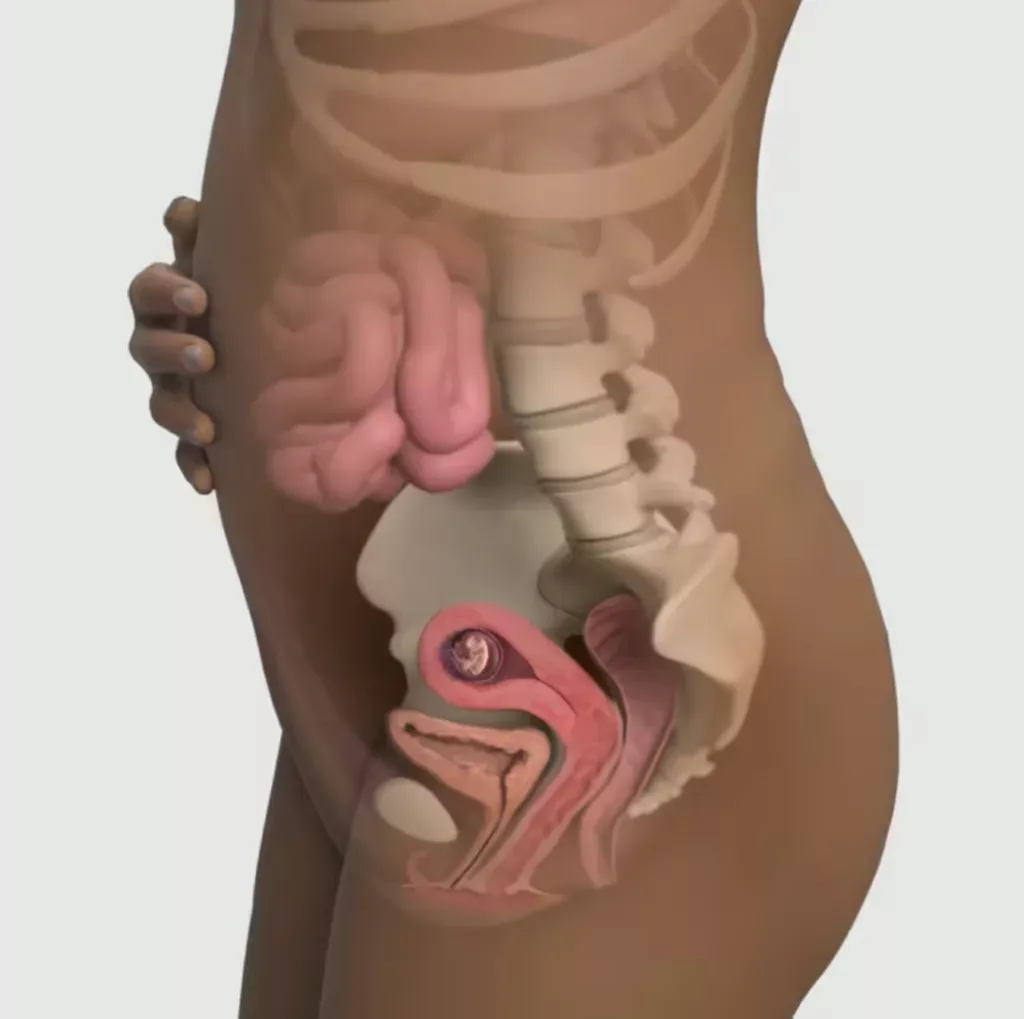
Your belly is slowly becoming more and more prominent! Your belly is starting to take on a rounded appearance as your baby is growing rapidly. You may still not look pregnant on the outside this week, but it may be time to switch to pants with elastic waistbands or loose tops.
Most doctors recommend that pregnant women with a normal BMI(Body Mass Index) gain 0.5-2.5 kg in the first trimester. At 10 weeks pregnant, if you have gained a few pounds, this is ideal. If you are expecting twins, your doctor may recommend that you gain about one kilogram per week in the first half, in which case it is normal to gain about 4-5 kilograms at 10 weeks. However, it is not uncommon for you to have morning sickness and not gain or lose weight.
Can you feel baby movements at 10 weeks?
You may be looking forward to feeling your baby’s first movements, but it’s unlikely that you will feel the movements of a 10-week-old fetus. Even though your baby is practicing tiny kicks this week, they are too small to be felt before the second trimester. But just seeing the baby move during the ultrasound is quite exhilarating!
Tips for the 10th week of pregnancy
We have prepared some tips to help you get through this exciting but sometimes tiring period in the healthiest way possible:
Snack before you get out of bed to reduce morning sickness: Nausea can be more severe in the morning. You can make a light snack before getting out of bed by keeping oat bars or pretzels next to the bed. This can help prevent morning sickness.
Don’t forget to take your vitamins: You are creating a brand new life, so it is important to take your prenatal vitamins regularly and eat vitamin-rich foods. Vitamins D, C, A, folic acid, DHA, iron, calcium and potassium are especially critical during pregnancy.
Eat healthy snacks: The right snacks provide the vitamins and minerals you and your 10-week-old fetus need and can help you feel better. Potassium-rich snacks like mango or bananas can ease nausea, while the protein and essential nutrients in eggs and nuts will keep you full and nourished.
Don’t Push Yourself Fatigue, dizziness, changing emotions and strong reactions to smells or food are common this week. Your body is changing rapidly and hormones are affecting you. In week 10, symptoms can range from mild to intense, so let your body tell you when you need to rest. Fortunately, these symptoms will start to ease soon.
Frequently Asked Questions About the 10th Week of Pregnancy
How Much Water Should I Drink This Pregnancy?
During pregnancy, you need to drink more fluids to support your increased blood volume, your baby’s circulation and amniotic fluid. Aim to drink 8 to 12 glasses (240 ml) of water daily and try to reach this amount by taking frequent small sips. You can keep a large jug of water in the fridge or take a water bottle with you to remind yourself to drink water. If plain water is not appealing enough, you can add fruit slices to flavor it.
What are the Foods Good for Morning Nausea?
To ease your nausea, you can choose light and simple foods, such as crackers, cereal or oats with fruit. Sipping ginger or mint tea can also be soothing. Avoiding spicy and fatty foods is usually helpful, but if your body craves them, it’s up to you! Cravings, aversions and morning sickness can often go hand in hand, so focus on eating foods that are good for you. Remember, this period will pass soon (and if it doesn’t, you can talk to your doctor about other options!)
What are the Recommended Screening Tests in the 10th Week of Pregnancy?
Between weeks 10 and 13, your doctor may recommend that you make an appointment for a first trimester scan. This screening usually includes two tests at the same time: a maternal blood test and an ultrasound. The blood test measures two substances associated with pregnancy: plasma protein and human chorionic gonadotropin (hCG). The ultrasound is known as a nuchal translucency scan and measures the thickness of the space behind the baby’s neck. Together, these results allow the doctor to better predict whether the baby is at risk of a genetic disorder such as Down syndrome (trisomy 21) or trisomy 18.
When Will I Feel My Baby’s Movements?
Although you may feel like you can feel the baby moving at 10 weeks, it’s probably just gas (unfortunately). You will start to feel the baby’s movements, what we call “quickening”, usually between weeks 16 and 20. This will be in the form of bubbles, light fluttering or pulsating vibrations.
Checklist for the 10th week of pregnancy
- Prepare snacks for morning sickness: Keep simple snacks like crackers or oat bars on hand before you get out of bed, which can help ease nausea.
- Don’t forget your prenatal vitamins: Continue to take your prenatal vitamins regularly and try to eat foods that contain essential nutrients, especially vitamins D, C, A, folic acid, DHA, iron, calcium and potassium.
- Do Light Exercises: You can take short walks or do some light stretching to keep your energy levels up and support your body. But avoid exerting yourself.
- Schedule a Genetic Screening Appointment: If you are considering a first trimester genetic screening test, you can schedule this appointment by talking to your doctor about blood testing and nuchal translucency screening.
- Stay Hydrated: Staying hydrated reduces headaches and fatigue. Carry a water bottle with you and make a habit of drinking water in small sips throughout the day.
- Wear Comfortable Clothes: The belly may be starting to show slightly, so pants with elastic waistbands or loose-fitting clothes may make you feel more comfortable.
- Be Kind to Yourself and Don’t Neglect Rest: Fatigue is common during this period, so rest as much as possible and listen to your body’s needs.