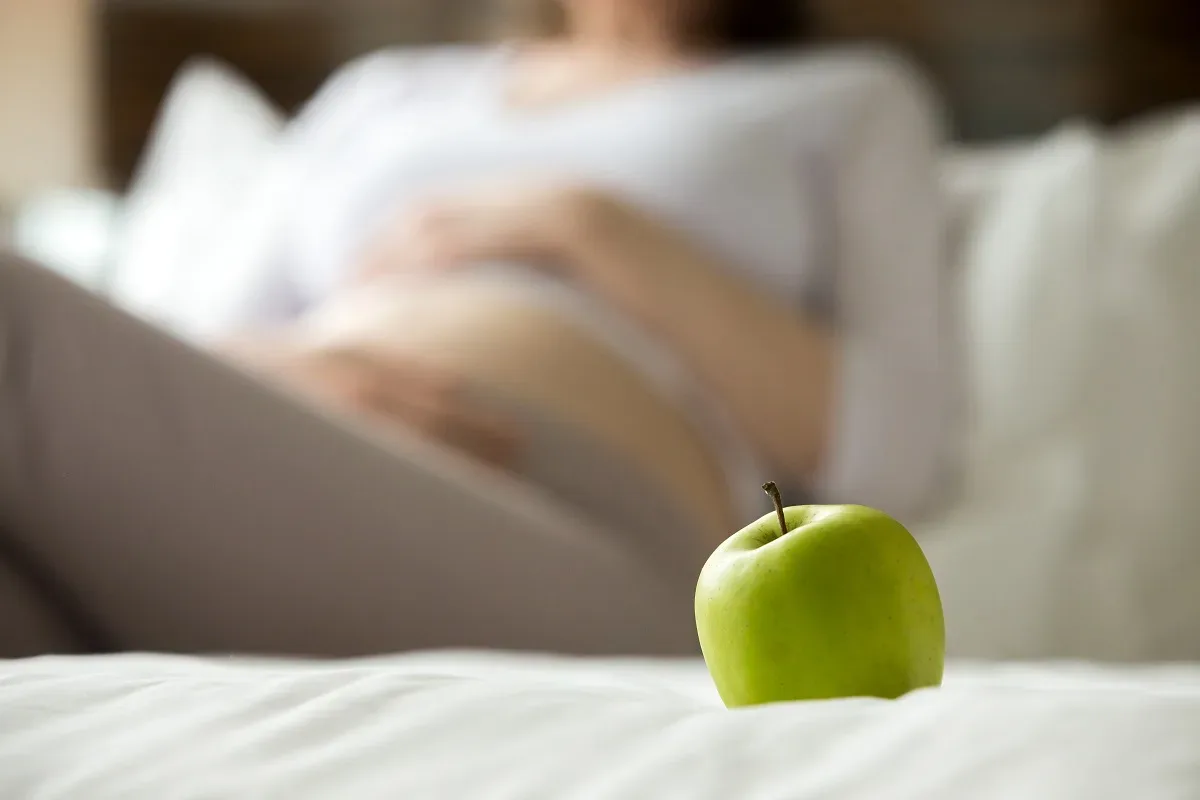
2 of Pregnancy Nutrition during the trimester
2 of pregnancy. During the trimester period, the energy needs and body changes of the expectant mother come to the fore. During this period, the importance of eating habits increases. In this article you will find practical information and recommendations on nutrition in the 2nd trimester of pregnancy.
2 of pregnancy. Pay Attention to the Increase in Appetite During the Trimester Period!

In the second trimester of pregnancy, a significant increase in the mother’s appetite occurs due to her energy needs. However, this increase in appetite does not mean neglecting a controlled diet. Proper eating habits are critical to the health of both mother and baby.
Why Does Appetite Increase?
The second trimester is a period in which the baby grows and develops rapidly. During this period, the mother’s need for energy and nutrients naturally increases. However, this does not mean “food for two”. In particular, attention should be paid to the quality and nutritional value of the calories taken.
Why Is Controlled Weight Gain Important?
A healthy weight gain reduces the risk of complications and facilitates a return to the ideal weight after childbirth. Excess weight can increase the risk of gestational diabetes, high blood pressure, and birth complications. In general, an average weight gain of 0.5 to 1 kilogram per week is recommended during the second trimester. However, this amount may vary depending on the health status, physical activity and current weight of the expectant mother.
2 of pregnancy. Nutrition in the trimester period: what to pay attention to!
The 2nd trimester is a critical period for both the expectant mother and the baby. Nutrition plays a key role in a healthy way during this period.
- Adequate Protein Intake: Focus on high-quality protein sources. Foods such as eggs, milk, yogurt and meat should be preferred during this period.
- Iron and Calcium: It is important for iron deficiency anemia and bone health. Green leafy vegetables, legumes, and dairy products help meet your needs for this mineral.
- Adequate Fluid Intake: During pregnancy, the need for fluid increases. Take care to drink at least 2-2.5 liters of water per day.
2 of pregnancy. Nutrition in the Trimester Period: What to Eat and Drink?

2 of pregnancy. Nutrition during the trimester requires making balanced and healthy choices. Here are some recommended foods:
- Whole Grains: You can turn to whole grains such as brown rice, oats, and quinoa to meet your energy needs.
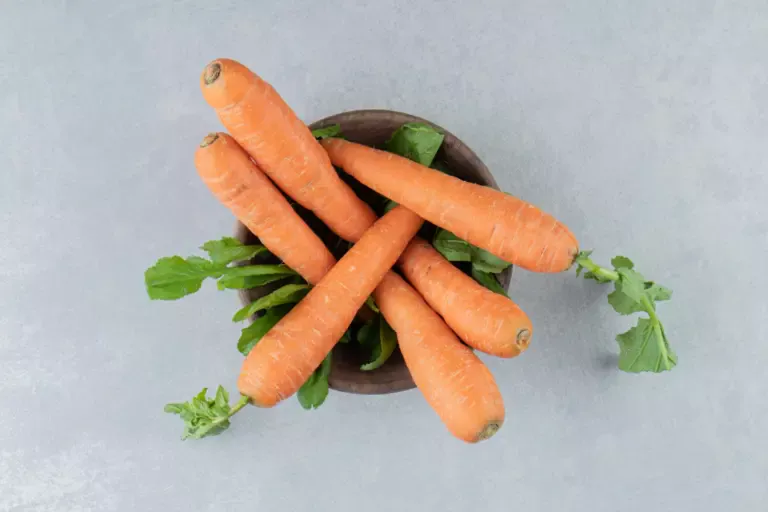
- Fresh Fruits and Vegetables: Take care to consume fruits and vegetables of various colors to meet your vitamin and mineral needs.
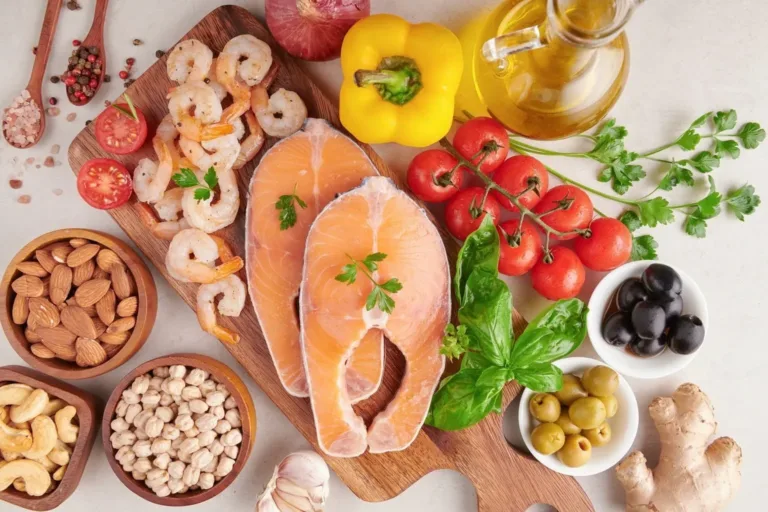
- Fish: It is rich in omega-3 fatty acids. However, avoid fish with a high mercury content.
- Milk and Dairy Products: You can consume milk, yogurt or cheese on a daily basis to meet your calcium needs.
Foods and Drinks to Avoid
Although a balanced diet is essential, it is necessary to avoid certain foods and drinks.
- Caffeine: Excessive caffeine intake can increase the risk of low birth weight. Avoid consuming more than 200 mg of caffeine per day.
- Alcohol: Alcohol can cause birth defects. Avoid consuming alcohol during pregnancy.
- Raw Meat and Seafood: It is not safe for pregnant women due to the risk of bacteria and parasites .
Important Foods for Baby’s Development:
- Protein: Protein, which is necessary for the formation of the baby’s cell structure, can be obtained from eggs, milk, yogurt, meat, legumes and nuts.
- Iron: It is critical for the baby’s brain development and oxygen-carrying capacity. Red meat, green leafy vegetables and legumes are rich in iron.
- Calcium: It is important for the development of the baby’s bones and teeth. It is abundant in milk, yogurt, cheese and green leafy vegetables.
- Folic Acid: It helps prevent neural tube defects. It is found in green leafy vegetables, citrus fruits, and whole grains.
- Omega-3 Fatty Acids: It is critical for the development of the baby’s brain and eyes. It can be obtained from sources such as salmon, walnuts and chia seeds.
Frequently Asked Questions:
2 of pregnancy. Are there any special dietary requirements for nutrition during the trimester?
No, there are no special dietary requirements, but it is important to opt for balanced and nutritious foods.
How much weight should I gain during this period?
Usually, a weight gain of about 0.5 to 1 kilogram per week in the second trimester is normal.
Do I need extra calories in the second trimester?
Yes, it’s generally recommended that you eat an extra 350 to 500 calories daily. However, this amount can vary depending on individual needs and your activity level.
My sweet cravings increased during pregnancy, is this normal?
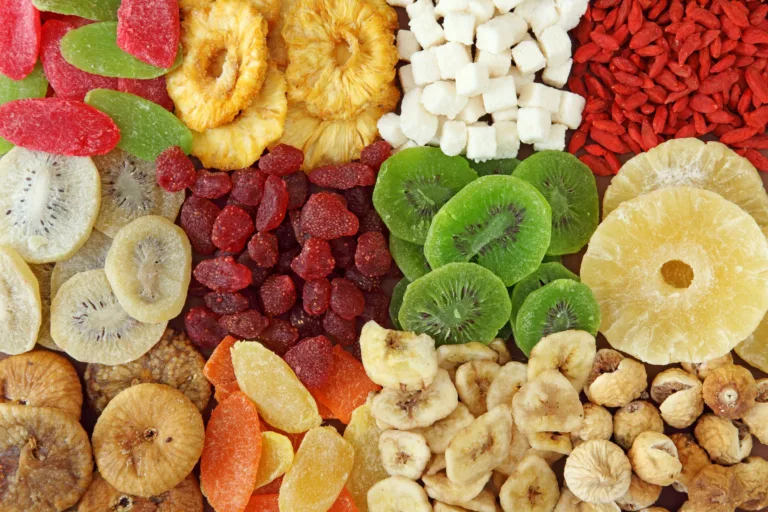
Yes, some women feel a sweet tooth during pregnancy. However, it is important not to overdo it with the consumption of sweets and to opt for healthy alternatives (e.g. fruit).
What vitamins and minerals should I take as supplements?
Folate, iron, calcium, and vitamin D are important nutrients that are recommended to be taken as a supplement during pregnancy. However, you should talk to your doctor before using any supplements.
What should I do about caffeine consumption?
Ideally, less than 200 mg of caffeine should be consumed per day during pregnancy. This is approximately equivalent to 1 cup of coffee.
What fish should I avoid?
You should stay away from fish with a high mercury content (e.g. swordfish, shark). Instead, you can opt for fish that are rich in omega-3 fatty acids and low in mercury, such as salmon, sardines, or trout.
2 of pregnancy. What eating habits should I avoid during the trimester?
Avoid raw and semi-cooked meat, unpasteurized dairy products, and unwashed fruits and vegetables. These foods can increase the risk of infection during pregnancy.
Nutrition during the second trimester of pregnancy is vital for the health of both mother and baby. Adopting balanced eating habits allows you to spend this special period healthier and more energetic. By paying attention to our recommendations and being in regular contact with your doctor, you can get through this period in the best way.