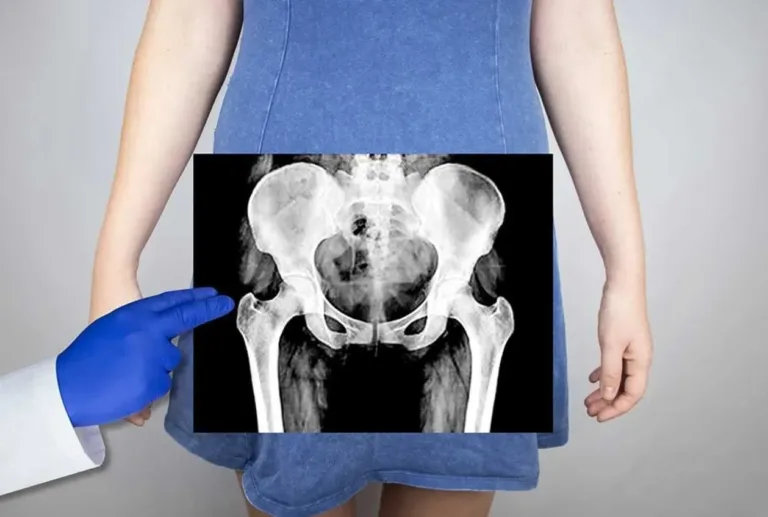
Opening of the Cervix During Pregnancy – Preparation Process for Childbirth
It’s no secret that during pregnancy, your body experiences many changes in preparation for childbirth. Your vaginal discharge may increase, and your belly may go down as your baby settles in your pelvis. However, there is another alteration that goes unnoticed from the outside: the opening of the cervix, that is, the dilation of the cervix in preparation for childbirth. A few weeks before your baby’s arrival, your doctor or midwife may begin to check the opening of your cervix. Because in order for the birth to take place, the cervix must be completely opened in order for the baby’s head to fit into the birth canal. The cervix opens progressively from a completely closed state until it reaches a wide opening for childbirth. So, what exactly is this process and what role does it play in childbirth? Here’s what you need to know about opening the cervix during pregnancy.
What is the opening of the cervix?
The opening of the cervix is a natural and necessary part of the birth process . As the body prepares to deliver the baby, the cervix gradually becomes thinner and wider. Experts state that as we get closer to birth, terms such as “opening of the cervix” and “thinning” will be heard frequently. These stages are necessary to facilitate the baby’s passage into the birth canal.
The opening of the cervix is measured in centimeters. The fully closed state is “0 centimeters”, while the full opening for childbirth is expressed as “10 centimeters”. In order for the baby to enter the birth canal, the cervix must reach this 10-centimeter opening.

When Does the Cervix Start to Open?
In the third trimester of pregnancy, the process of opening and thinning of the cervix begins, especially with the descent of the baby into the pelvis. This condition occurs when the baby puts pressure on the pelvis and begins to prepare the body for birth. It usually occurs at an early stage of labor, but this does not mean that there will be an immediate birth.
Although the opening of the cervix is seen as one of the harbingers of birth, this opening process can start weeks in advance. While some women do not notice that their cervix has opened, their doctor may determine that the opening has begun during the checkup. For example, even if your doctor says that your cervix is 1 centimeter open at the 37th week check-up, this does not mean that the baby will come immediately. In fact, some experts may encounter situations where the cervix opens up to 3-4 centimeters towards the end of the third trimester.
On the other hand, it is quite normal for the cervix to have never opened before birth. Even if you’re 40 weeks pregnant, your cervix may be completely closed, and that means your body is still preparing for childbirth. The opening of the cervix is just one of the many stages of the birth process. Experts note that during the examinations carried out during the birth process, they evaluate not only the patency of the cervix, but also the softness, position and thinning.
Opening of the cervix with the onset of childbirth
When the body enters the phase of active labor, the cervix begins to open at a more regular rate. Experts state that usually about 2 centimeters of opening occurs every two hours.
Opening of the cervix in premature birth
The opening of the cervix in the late stages of pregnancy indicates that the body is preparing for childbirth and is considered normal. However, if the cervix opens too early, it can be a sign of premature birth . If this happens, doctors may recommend additional evaluation or hospitalization. The body’s transition to premature birth can be triggered by various reasons. If there is a condition related to the cervix, it can be detected with the help of ultrasound before the opening begins. Although premature opening of the cervix, which cannot bear the weight of pregnancy, is rare, it can usually occur in the second trimester. If diagnosed early, a treatment plan can be created with your doctor.
Signs of Cervix Opening: Signs That It Has Started
Most women may not notice any physical signs when their cervix begins to open. But one of the most obvious signs is the fall of the “mucus plug” (the arrival of engagement). This thick layer of mucus, which covers the cervix throughout pregnancy, protects the baby against bacteria. When the cervix begins to open, the mucus plug may detach from its place and come in the form of discharge. You may also experience “bloody discharge” in the form of bloody mucus due to changes in the cervix.
As labor progresses and the active labor phase is passed, more signs of opening appear. As the cervix opens, contractions begin. These contractions help the baby move forward into the birth canal by slowly dilating the cervix. The severity of contractions may differ in each woman; Some women may feel cramping and pressure in the pelvic area.

How to Check Cervical Opening?
If there are no complications in the pregnancy, your doctor or midwife will usually start routinely checking the opening of the cervix after 39 weeks. If there are signs of preterm labor (e.g. contractions), these checks can also be done earlier. The cervical opening is checked by hand to monitor progress during the birth process. Specialists perform this examination with gloves and a lubricating finger; They reach the cervix from the vagina and measure according to the finger opening. Although this procedure is not painful, it can cause mild discomfort.
Is It Safe To Check Cervical Opening At Home?
This check, which is technically done manually, can also be done at home, but experts do not recommend it due to the risks of infection and complications. Checking the cervix at home can lead to the spread of bacteria, and it is difficult to accurately assess the opening without medical training. In addition, given the risk of incorrect measurements and the possibility of bleeding or infection in the cervix, it is safest to leave this procedure to professionals.
Table of cervical opening: comparison with everyday objects
We visualized how the cervix opens from 1 centimeter to 10 centimeters, comparing it with everyday objects. This chart can help you imagine the levels of openness in the birth process in a more concrete way.
- 1 cm: In the diameter of a cereal ring.
- 2 cm: It’s the diameter of a coin.
- 3 cm: It’s the diameter of a ping-pong ball.
- 4 cm: It’s the diameter of a golf ball.
- 5 cm: A blue rubber ball in diameter.
- 6 cm: It’s the diameter of a baseball.
- 7 cm: On the diameter of a medium-sized apple.
- 8 cm: The diameter of an orange.
- 9 cm: One small orange in diameter.
- 10 cm: A grapefruit in diameter.
This table can help you better understand the stages of opening the cervix during the birth process.
What Can Be Done To Open The Cervix Faster?
The process of opening the cervix is completely dependent on hormones and the natural rhythm of the muscles, so there is not much that can be done to speed it up. However, some methods can contribute to this process by supporting uterine contractions.
1. Get Moving: Studies show that women who do light exerciseduring pregnancy have a shorter labor cycle. Gentle movements such as walking, especially in the early stages of labor, can trigger contractions by increasing oxytocin secretion.
2. Sexual Intercourse: Sexual intercourse can speed up the process by softening the cervix in the period close to birth. The hormone prostaglandin in semen can help soften the cervix, and orgasm can help the initiation of contractions by secreting oxytocin. However, if there are certain risk factors, it is important to discuss with the doctor or midwife.
3. Nipple Stimulation: With the approval of your doctor, stimulating the nipples by hand or using a milk pump can trigger oxytocin secretion and initiate contractions. This method should be applied with caution as it can lead to intense contractions. ⚠️
4. Evening Primrose Oil: Some experts recommend inserting a capsule of evening primrose oil into the vagina to soften the cervix before delivery. However, this method is controversial and its effect has not been scientifically proven. It’s important to talk to your doctor before trying it. ⚠️
All of these methods can support the birth process, but each pregnancy is unique. Before trying any method, you can consult your healthcare provider to find out the safest options for you.
Reasons why the cervix does not open
If your due date is approaching or has passed, but your cervix still hasn’t opened, it may be because your body isn’t ready for birth yet. Experts state that it is not known exactly when and how labor will begin, and the reasons why the cervix does not open are not always clear. Factors such as the positioning of the cervix at the back and the baby’s large or inverted position can also affect this situation. Also, the contractions may not be strong enough to open the cervix sufficiently.
If the labor process doesn’t start naturally, your doctor may recommend inducing labor. In this case, some physical interventions can be done first. For example, the process of stripping the membrane can trigger the secretion of the hormone prostaglandin, which softens the cervix. In addition, a Foley catheter, which acts as a small balloon, can be used to support the opening of the cervix. Medications such as Pitocin are also among the options to speed up labor. If all these methods do not work, cesarean delivery may be necessary.
Frequently Asked Questions
How long does it take for the cervix to open from 1 centimeter to 10 centimeters?
This period varies depending on the position of the baby, the strength and frequency of contractions, whether or not a birth has already been given. Experts state that for a mother who gives birth for the first time, this process can take an average of 6 to 12 hours, while the time is usually shorter for subsequent births.
How much is the cervix dilated when the mucus plug falls off?
Although the fall of the mucus plug (engagement) is a sign that labor is approaching, this does not indicate that the cervix has reached a certain level of opening. The mucus plug can fall off at different stages of the labor process, and it can also come before labor begins.
How painful is the opening of the cervix?
Childbirth is a painful process for many women, and the opening of the cervix can also be a painful experience. However, the feeling of pain may vary from person to person; The pain threshold and individual factors play an important role in this process. Some women may experience mild discomfort, while others may experience more intense pain. You can be prepared by talking to your doctor before birth to ease labor pains.
The opening of the cervix is an important stage of childbirth, but other processes must be completed in order for the body to be ready for birth. So if your due date is close and your cervix hasn’t opened yet, try to trust your body by taking this situation for granted. Babies are ultimately born somehow; You can trust that your body will also adapt to this process.
⚠️ Note: These contents do not constitute medical or health advice and should not be used for diagnostic or therapeutic purposes. You should always consult a doctor or healthcare professional with any questions you may have about your own situation.
Source: TheBump