Hair Loss During Pregnancy
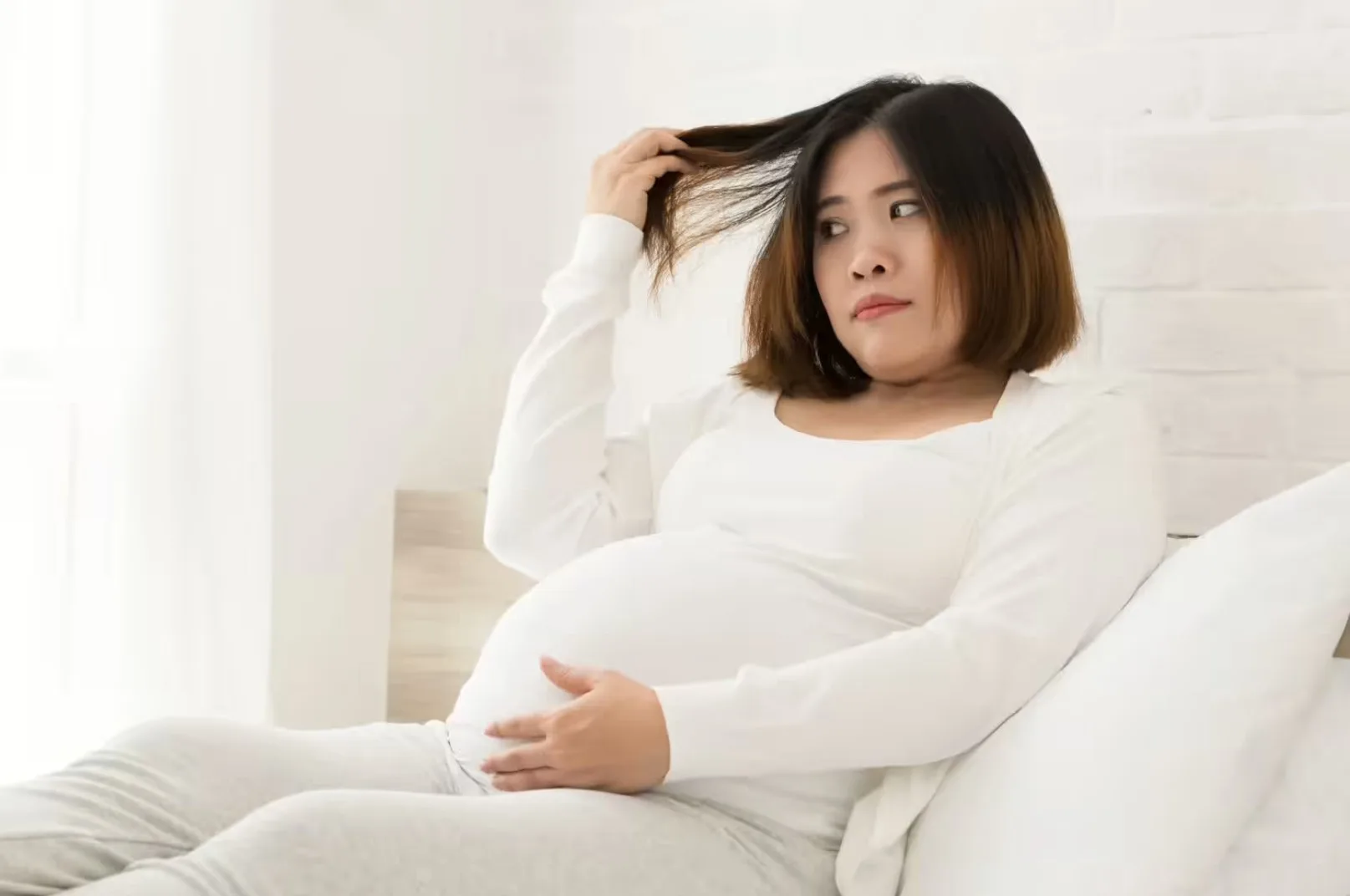
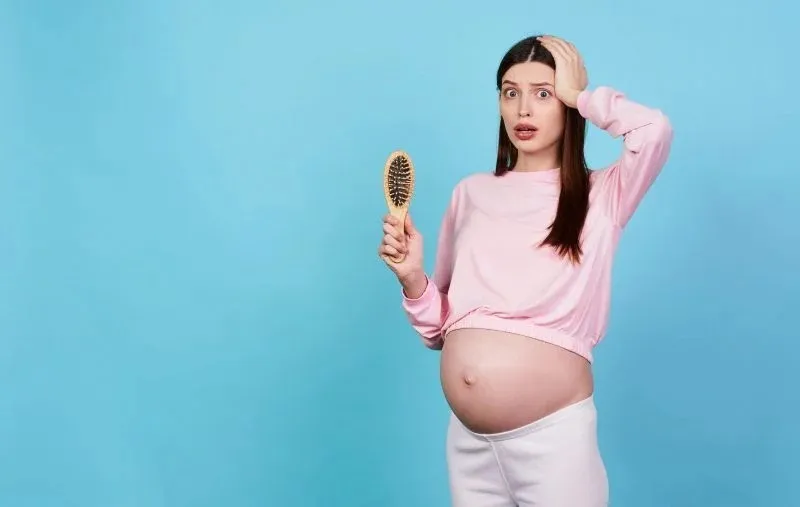
Hair loss during pregnancy is one of the problems faced by many expectant mothers. This can be caused by hormonal changes, eating habits, or even stress . 😅 So, what are the ways to deal with this furry problem? Don’t worry, this guide has been prepared for you!
Is Hair Loss Normal During Pregnancy?
👶 Pregnancy can be a time when your hormones make a little fun of you. Hair loss during pregnancy is usually normal and mostly temporary. The elevation of progesterone and estrogen hormones can affect the normal hair loss cycle. These hormones can put the hair follicles into a long resting phase, meaning you will experience less shedding, but then the wave of accumulated shedding may come! (Este Health)
Causes of Hair Loss During Pregnancy
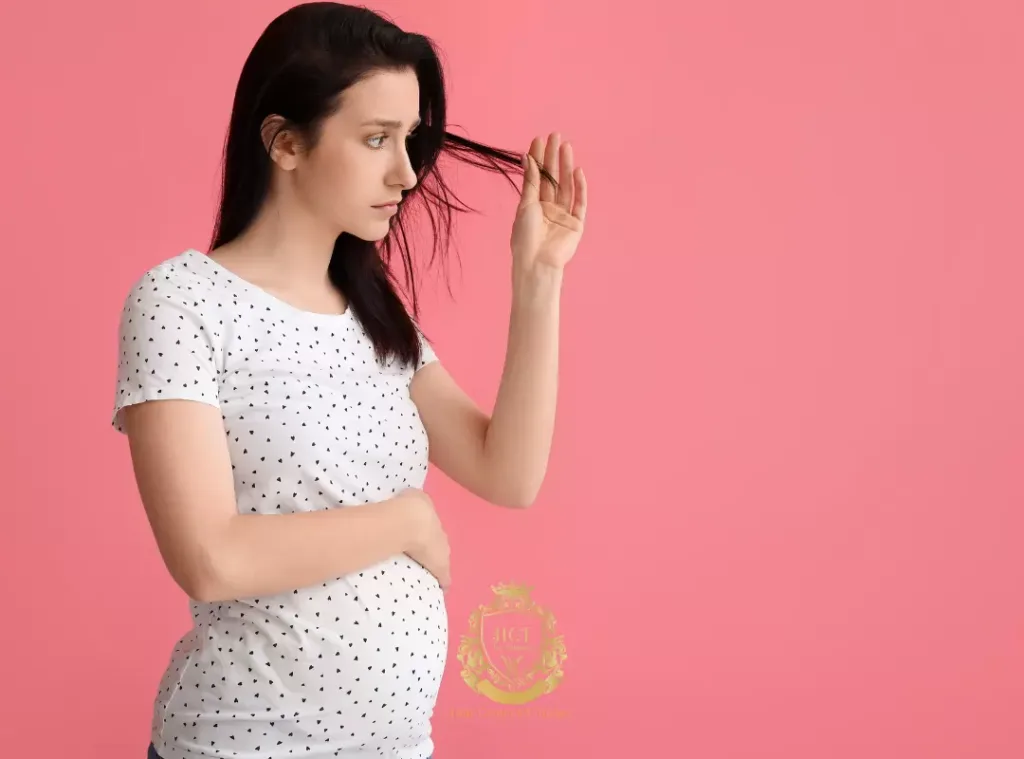
Hair loss during pregnancy can be caused by many different conditions, Here are the factors that cause hair loss the most:
- Hormonal Changes: Pregnancy causes major changes in hormone levels in the body. In particular, the increase in estrogen and progesterone hormones can affect the life cycle of hair follicles. These hormones normally delay the hair loss phase, but when hormone levels normalize after childbirth, the accumulated hair may fall out. (Source: Dr. Serkan Aygin)
- Nutritional Deficiencies: Deficiencies in important nutrients such as iron, zinc, vitamin B12 , and omega-3 fatty acids can directly affect hair health. Pregnancy may require a greater consumption of these nutrients, as they are essential for both the mother and the developing baby
- Physical and Psychological Stress: Pregnancy can be a stressful time, especially for women who are going to be mothers for the first time. Stress can increase inflammation in the body and impair the health of hair follicles, which can lead to hair loss
- Thyroid Problems: Pregnancy can affect thyroid function, which can lead to hair loss. Both hypothyroidism (thyroid hormone deficiency) and hyperthyroidism (excess thyroid hormone) can trigger hair loss
- Medications and Medical Conditions: Certain medications and medical conditions (e.g., gestational diabetes or high blood pressure) can also cause hair loss. Some medications used during pregnancy can cause hair loss as a side effect
Understanding these causes is the first step in dealing with hair loss during pregnancy. Pregnant women who experience hair loss should review their diet, use stress management techniques, and seek medical attention if necessary to alleviate this condition. 🥦💆♀️
What Can Be Done Against Hair Loss During Pregnancy?
There are several effective steps you can take to deal with hair loss during pregnancy. Here are some suggestions you can do to protect your hair health:
- Practice Gentle Hair Care Routines: Gently comb your hair and avoid using excessively hot water when washing. Also, avoid picking your hair too tightly or brushing it hard, as this can damage the hair follicles and increase the risk of shedding
- Use Natural and Mild Shampoos: Choose shampoos that are suitable for your hair type and do not contain harsh chemicals such as sulfates, parabens and silicones. These products help maintain your hair’s natural oil balance while reducing the risk of damaging the hair follicles.
- Pay Attention to Your Diet: A diet containing enough iron, vitamin B12, zinc, and omega-3 fatty acids supports hair health. Take care to consume foods such as leafy greens, red meat, fish, eggs, nuts and seeds.
- Drink Enough Water: Try to drink at least 8-10 glasses of water a day so that your body, and therefore your scalp, stays adequately hydrated. Adequate hydration helps keep hair follicles healthy.
- Avoid Heat Exposure: Limit the use of heating tools such as hair dryers, straighteners, and tongs as much as possible. High heat can deteriorate the structure of the hair and cause brittleness.
- Exercise Regularly: Exercising regularly helps to carry more oxygen and nutrients to the hair follicles by increasing blood circulation. It also protects against hair loss by reducing stress.
- Stress Management: Stress-reducing activities such as yoga, meditation, or light exercises can improve your overall health and, in turn, your hair health. Stress can be a major cause of hair loss, so it’s important to take care of stress management.
By following these recommendations, you can reduce hair loss during pregnancy and maintain the health of your hair. Remember, it may take time to see the benefits of these changes, so be patient and maintain your routine regularly.
Postpartum Hair Loss
👩🍼 Hair loss after childbirth is also quite common. In fact, during this period, hair loss can increase even more because the falling estrogen levels normalize the cycle of hair loss. However, this condition is usually temporary and returns to normal within a few months.
Frequently Asked Questions
Is hair loss permanent during pregnancy?
No, hair loss during pregnancy is usually temporary and resolves after delivery.
Which hair care products should I use during pregnancy?
Choose products that are natural and chemical-free as much as possible.
When does hair loss start during pregnancy?
Hair loss during pregnancy usually begins in the second or third trimester, but each woman may experience it at a different timing.
How long does postpartum hair loss last?
Postpartum hair loss begins in the first few months after birth and can usually last from six months to a year. However, this process can be different for everyone.
What kind of foods should I consume to prevent hair loss during pregnancy?
It is important to consume foods rich in iron, zinc, omega-3 fatty acids, protein and B vitamins. Leafy greens, fatty fish, nuts and seeds, meat, and whole grains are all good options.
Should I take vitamin supplements for hair loss during pregnancy?
If you are not getting enough nutrients through your diet, you can take multivitamin supplements with your doctor’s recommendation. In particular, iron and vitamin B12 supplementation may be beneficial for hair health.
My hair loss is more than normal, what should I do?
If your hair loss during pregnancy is more than normal or is worrisome, it’s best to see a dermatologist or obstetrician.
🌟 I hope this guide will help you deal with hair loss during pregnancy. Remember, it’s best to always consult with a healthcare professional you trust. Wishing you healthy and shiny hair!