How Does Labor Pain?
For many women, labor is one of the most memorable experiences of their lives. However, everyone may have a lot of questions about this before having this experience: “How does labor pain? What symptoms does it manifest with? Here’s everything you need to know about what labor is, what it feels like, and how to get through the experience more easily.
What is Labor Pain?
Labor pain is a pain that occurs as a result of contractions of the uterus. These contractions occur to facilitate the baby’s passage through the birth canal. Let’s take a closer look at how these contractions occur and when they start.
- Contraction of the uterus: The uterus has a strong musculature. About a time before birth, these muscles begin to contract regularly. These contractions may be mild at first, but they intensify as you get closer to labor.
- Prostaglandin Effect: Prostaglandins are natural compounds that trigger the contraction of the uterus. As childbirth approaches, the level of these compounds increases.
- Oxytocin Hormone: This hormone is produced by our brain and can trigger labor.
How Does Labor Pain?
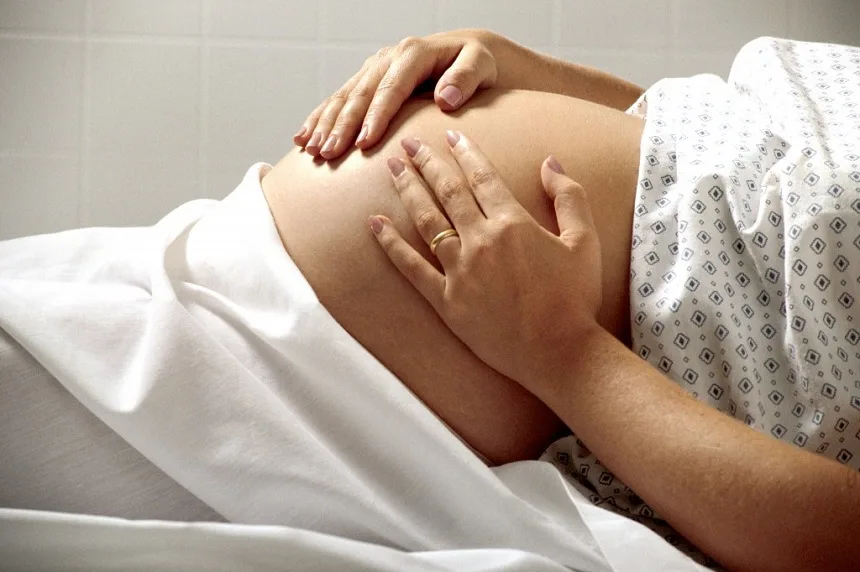
In order to fully grasp the answer to the question “How does labor pain?” happen, it is essential to know the symptoms and stages of this process.
- Early Labor Stage: At this stage, contractions are mild and irregular. It usually takes between 30-60 seconds. During this period, there may be long breaks such as 5-30 minutes between contractions.
- Active Labor Phase: Contractions are more regular and severe. It can last 45-60 seconds and comes at intervals of 3-5 minutes.
- Stage of Childbirth: At this stage, the contractions are extremely severe and can last 60-90 seconds.
How Does Labor Pain Begin?
The birth process usually manifests itself with the onset of labor pains. However, every woman’s experience is different, so the way and intensity of the onset of the contractions may vary. So, how does labor begin? Let’s take a deep dive into the answer to this question, both from a physiological and sensory point of view.
Physiological Onset of Labor Pains:
The uterus is an organ made up of thick muscle tissues. With the onset of labor, these muscles begin to contract at regular intervals. The causes of these contractions are as follows:
- Prostaglandin Production: As we approach birth, the production of a hormone called prostaglandin increases in the uterus. This hormone triggers contractions of the uterus.
- Oxytocin Hormone: As she approaches the birth process, the hormone oxytocin secreted from the pituitary gland increases. This hormone also triggers contractions in the uterus.
- Baby’s Position: When the baby begins to move towards the birth canal, this stimulates the contractions of the uterus.
Onset and Progression of Contractions:
- Irregular Contractions: Prior to childbirth, many women experience irregular and often painless contractions, known as Braxton Hicks contractions. This may not be the true onset of labor, but it can be a sign that the body is preparing for childbirth.
- Regulation of contractions: Over time, contractions become more regular and intense. This is a sign that labor pains have really begun. Contractions usually start in the lower back and spread to the abdomen.
- Time Between Contractions: Initially, there may be 15-20 minutes between contractions. However, over time, these intervals become shorter. If contractions occur 5 minutes apart or more often, this may be a sign that labor is approaching.
What Is Labor Like Like?
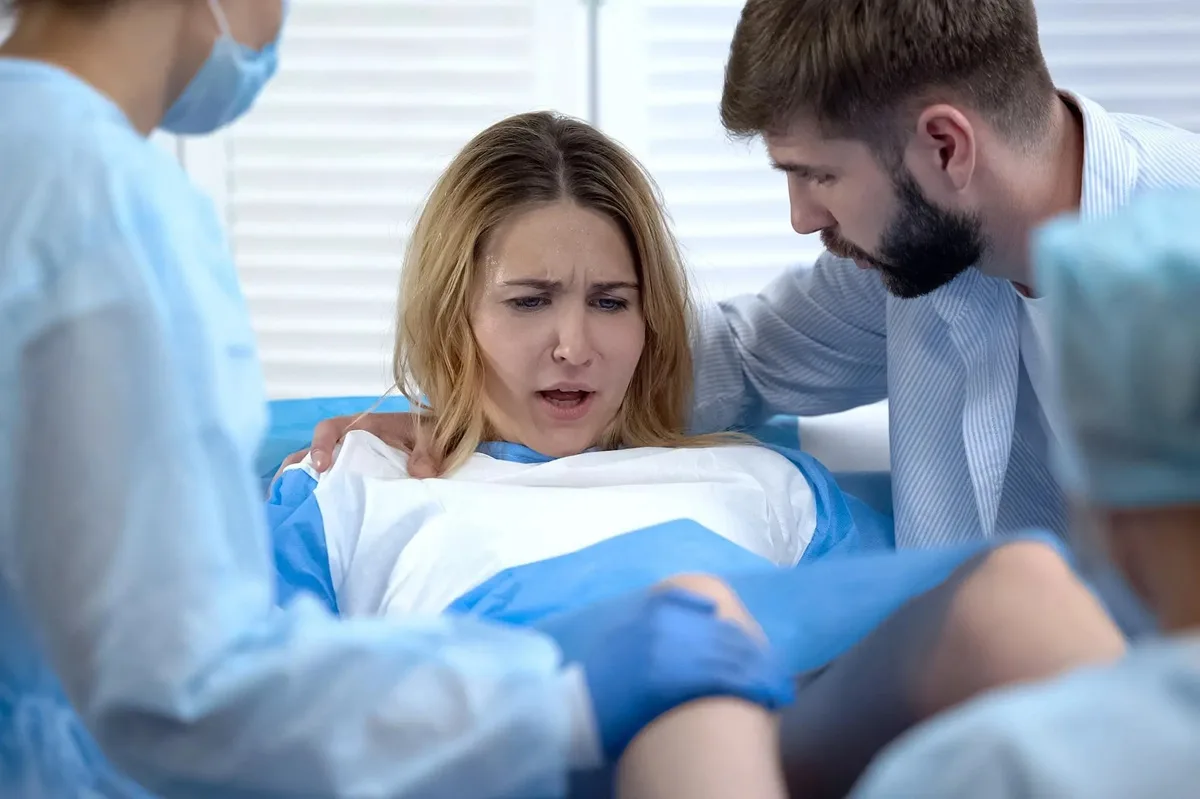
Women who are pregnant for the first time wonder, “What Kind of Pain Is Labor Pain?” Labor pain is a very intense and unique pain that many women experience in their lives. This pain is caused by uterine contractions, which signal the beginning of the labor process. However, labor pains are felt with a different intensity and different characteristics in each woman. Here are the main characteristics of labor pains:
- Where is it felt? Labor pain is usually felt in the lower back and abdomen. In addition, the pain can radiate to the upper abdomen, buttocks, and even legs.
- What kind of pain is it? The character of labor pains may vary from woman to woman. For some women, this pain comes in waves, while for others it may be in the form of a constant pain. The pain, which comes in waves, peaks during the contraction and decreases as the contraction ends.
- Duration and Interval of Contractions: Initially, contractions may be lighter and infrequent. However, as the birth approaches, the duration and intensity of the contractions increase, and the time period between them becomes shorter.
- Density: The intensity of labor can vary depending on the stages of labor, the position of the baby, the mother’s pain threshold, and other factors.
- Duration of Labor Pain: Contractions continue from the onset of labor until the end of labor. However, the character of contractions at different stages of childbirth may vary.
Labor pains can be challenging for many women, but at the end of this process, a baby is born. This experience, although painful, remains an unforgettable memory for many women. If you are looking for more information or support about labor, it may be helpful to contact an obstetrician or midwife.
What is the Difference Between False Labor Pains and Real Labor Pains? How can it be understood?
There are a few key differences between Braxton Hicks contractions and true labor contractions. Here is a comparison detailing the main differences between these two types of contractions:
- Frequency and Regularity:
- Braxton Hicks: They are usually irregular and do not have a specific rhythm.
- True Labor Contractions: It becomes more regular and over time, the intervals between contractions begin to shorten.
- Intensity and Duration:
- Braxton Hicks: They are usually lighter and shorter. Their density does not increase.
- True Labor Contractions: Over time, they increase in intensity and last longer.
- Pain Location:
- Braxton Hicks: It is usually felt only in the abdomen.
- True Labor Contractions: The pain usually starts in the lower back and spreads to the abdomen.
- Change and Influence:
- Braxton Hicks: It may be alleviated or passed by a change in activity (walking, lying down, etc.).
- True Labor Contractions: They are not affected by the change of activity and usually do not go away with rest.
- When does it often occur?
- Braxton Hicks: It begins to be felt from the second trimester (sometimes earlier) and can last until birth.
- True Labor Contractions: It usually occurs near the onset of labor.
- Other Symptoms:
- Braxton Hicks: It usually doesn’t come with other signs of labor, such as a change in vaginal discharge or the arrival of water.
- True Labor Contractions: It is often accompanied by other symptoms, such as softening of the cervix, increased vaginal discharge, or dropped mucus plug.
Braxton Hicks contractions are also called “practice contractions” or “illusory contractions”, which are different from the actual contractions of labor. However, if you are unsure whether or not the contractions signal the onset of labor, it is always recommended to contact a healthcare professional.
Frequently Asked Questions
What kind of pain is labor pain?
Labor pain is an intense pain caused by uterine contractions. It is usually felt in the lower back, in the abdomen, and comes and goes in waves. The intensity of the pain may vary depending on the stages of labor, the position of the baby and the mother’s pain threshold.
When do labor pains begin?
Labor pains are the first sign that labor is about to begin. However, it can start at different times in each woman. It can usually start a few hours before or a few days before birth.
How does the time between labor pains vary?
Initially, contractions may be lighter and infrequent. However, as the birth approaches, the duration and intensity of the contractions increase, and the time period between them becomes shorter.
Are labor pains the same in every woman?
No, labor pains may differ in each woman. The intensity, frequency, duration and character of pain may vary from woman to woman.
What is the difference between labor pains and Braxton Hicks contractions?
Braxton Hicks contractions are similar to labor pains, but are usually lighter and irregular. These contractions are also known as training contractions of the uterus in the prenatal period and are less intense than actual labor pains.
What are the ways to alleviate labor pains?
Natural methods such as breathing techniques, hot water baths, massage, meditation, and distraction methods can be used to alleviate labor pains. In addition, pain control can be achieved with medical methods such as epidural anesthesia.
Source: KidsHealth