Nail Care During Pregnancy: 8 Tips
Nail care during pregnancy is an issue that expectant mothers often focus on and pay attention to. During this period, hormonal and physiological changes occurring in the body can cause various changes in the structure and health of the nails. In this article, we will discuss in detail the natural and safe methods that can be followed for nail care during pregnancy, nutritional tips and daily routines that support nail health. So, you can find the information you need to keep your nails strong, healthy and well-groomed during this special period.

The Importance of Natural Nail Care During Pregnancy
Nail care during pregnancy is not only an aesthetic issue, but also a part of overall health and hygiene. During this special period, while the body experiences changes, the nails are also affected by these changes. Hormonal fluctuations, dietary changes, and increased body fluids can lead to differences in the structure and growth rate of nails. The importance of natural nail care during pregnancy increases even more. Here’s what you need to pay attention to:
- Power of Natural Oils: Natural oils are indispensable for strengthening and moisturizing nails. Natural products such as olive oil and coconut oil penetrate deep into the nails, strengthening them and preventing breakage. Massage these oils into your nails regularly, helping them to become healthier and stronger.
- Protecting the Nails: It is also important to protect the nails from excessive moisture. Prolonged exposure to water can cause nails to weaken and break. It will be useful to use protective gloves when doing household chores or in situations where you will be in frequent contact with water.
- Regular Grooming Routine: Trimming and shaping your nails regularly supports nail health. Long nails break more easily, while short and neatly trimmed nails are stronger and healthier. It is also important to avoid putting excessive pressure on the nails and to stay away from harmful chemicals when using nail polish.
- Coping with Stress: Stress can negatively affect nail health. Avoiding stress and using relaxation techniques during pregnancy is also beneficial for your nail health. Yoga, meditation or deep breathing exercises contribute to supporting both your mental and physical health.
By adopting natural nail care during pregnancy, you can strengthen your nails and prevent possible problems. Remember, each step lays a healthy foundation for both you and your baby during this special period.

Nutrition and Nail Health During Pregnancy
Nail care during pregnancy is closely related to healthy eating habits. During this period, adequate intake of nutrients needed by the body is critical for the health of both the mother and the baby, as well as for the health of the nails. Some of the nutrients necessary for nails to be strong and healthy and the effects of these elements on nail health are as follows:
- Protein: Nails are mainly made up of keratin, it is a type of protein . Adequate protein intake helps maintain the strong structure of the nails. Include protein-rich foods such as meat, fish, eggs, and beans in your diet.
- Iron: Iron deficiency can cause weakness and deformities in the nails. Eat iron-rich foods such as red meat, green leafy vegetables, and dried fruits.
- Zinc: It is important for the growth and repair of nails. Zinc deficiency can lead to the formation of white spots on the nails. Zinc is found in foods such as red meat, shellfish, and nuts.
- B Vitamins: B vitamins, especially biotin, are vital for nail health. It prevents nails from breaking and promotes healthy growth. Whole grains, eggs, dairy, and green leafy vegetables are good sources of B vitamins.
A balanced and varied diet during pregnancy will help you maintain your overall health as well as support your nail health.
Tips for Nail Care During Pregnancy
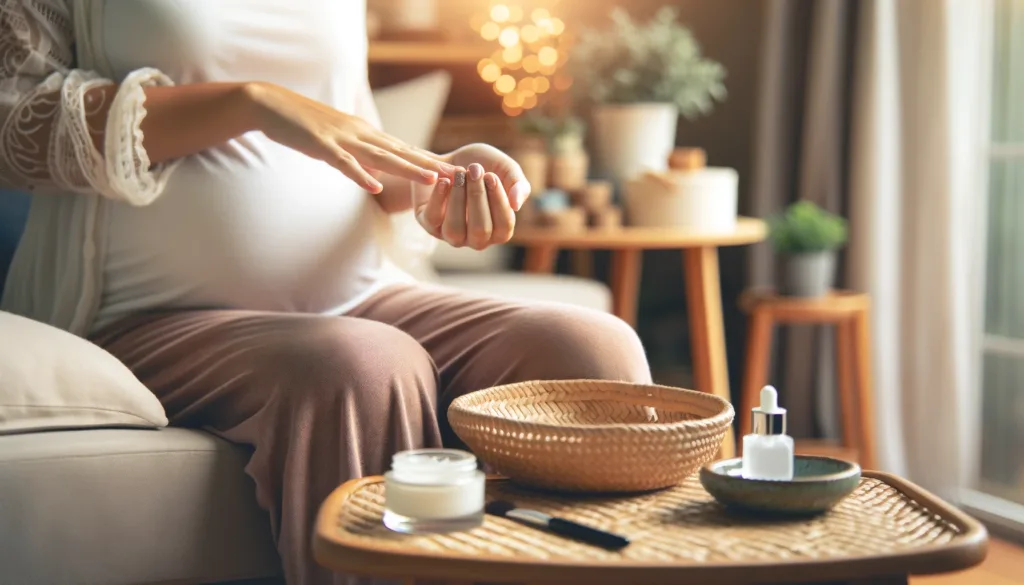
Nail care during pregnancy should be done taking into account the increased sensitivity and changing body conditions, especially during this period. Here are some basic tricks you can apply for healthy and strong nails:
- Cleanliness and Hygiene: Clean your nails regularly and keep them free of germs. Wash your hands with plenty of water several times a day and dry them with a clean cotton towel. Cleaning is an essential step for nail health and reduces the risk of bacterial infections.
- Moisturizing: Keep your nails and the surrounding area constantly moisturized. Moisturizing prevents the brittleness of the nails and increases their elasticity. You can moisturize your nails by regularly massaging them with natural oils (e.g. olive oil, coconut oil).
- Proper Cutting and Styling: Trimming and shaping your nails regularly prevents breakage and helps them grow healthily. Be careful not to cut the nails too short and file them properly. Long nails can break easily, so short and properly trimmed nails should be preferred.
- Choosing the Right Product: When choosing nail polish and nail care products, pay attention to their ingredients. Choose products that do not contain harmful chemicals such as formaldehyde, toluene, and dibutyl phthalate. Also, avoid products that harden your nails, as these products can cause cracks and damage to the nails.
- Use of Protective Gloves: Using protective gloves while doing household chores or doing jobs that will expose your hands to water frequently protects your nails from water and harmful substances such as detergents.
These tricks can form the basis of your nail care routine during pregnancy. By following these simple steps for healthy nails, you can have strong and healthy nails both during and after pregnancy.

Is it safe to use nail polish during pregnancy?
The use of nail polish during pregnancy is generally considered safe, but some precautions should be taken. It is important to pay attention to the chemicals contained in nail polish and other nail products. Some nail polishes may contain harmful chemical compounds such as formaldehyde, toluene, and dibutyl phthalate. These chemicals can have negative effects on health, especially with prolonged and frequent use. When using nail polish during pregnancy, you can take into account the following recommendations:
- Choose 3-Free or 5-Free Nail Polishes: These nail polishes do not contain harmful chemicals such as formaldehyde, toluene, dibutyl phthalate. You can opt for this type of nail polish by checking the product labels.
- Apply in Well-Ventilated Environments: When applying nail polish, being in a well-ventilated environment reduces the inhalation of vapors. Prefer to wear nail polish outdoors or in a ventilated room.
- Avoid Frequent Use: Avoiding frequent use of nail polish during pregnancy reduces the amount of chemicals exposed.
- Consider Alternatives: If possible, it may be a good idea to reduce the use of nail polish during pregnancy or explore natural alternatives.
The use of nail polish during pregnancy is a matter of personal preference, and many women take some precautions to improve safety during this period.
Cuticle Care and Importance During Pregnancy
Cuticle care is an important part of nail care during pregnancy and can often be overlooked. However, cuticles are the basis of healthy nails and therefore it is very important to take care of them correctly. Proper care of the cuticles plays a huge role in nail health and overall hand hygiene. Here are some points and tips on the importance of cuticle care:
- Cuticle Health Protection: Cuticles protect the skin under the nails and prevent the entry of bacteria. Toring or cutting the cuticles can lead to infections. Therefore, it is important to gently push back the cuticles and moisturize them regularly. (“)
- Moisturizing and Massage: Moisturizing the cuticles keeps them healthy and supple. Natural oils, especially coconut or almond oil, moisturize and nourish the cuticles. Gently massaging these oils by applying them regularly ensures that the cuticles remain healthy.
- Gentle Cleaning: Be gentle when cleaning the cuticles. Harsh chemicals or excessive brushing can damage the cuticles. Clean gently using warm water and a mild soap, and moisturize the cuticles after each cleaning.
- Nourishing Treatments: To nourish the cuticles, you can use salt water baths or cuticle softeners. These nourish and soften the cuticles and help the nails grow healthier.
- Regular Care: Make cuticle care a part of your daily hand and nail care routine. This keeps the cuticles healthy and contributes to healthier growth of the nails.
Cuticle care is an essential component of nail care during pregnancy, although it is often neglected. Regular care for cuticles, in addition to maintaining nail health, also reduces the risk of infection.
Ingrown Toenail Problems During Pregnancy and Solutions
Ingrown toenails during pregnancy can be a common problem, especially with toenails. Ingrown toenails can occur due to hormonal changes, weight gain, and changes in body shape. This can lead to pain and the risk of infection. However, it is possible to overcome this problem with the right care methods and some precautions:
- Proper Nail Trimming: To prevent ingrown toenails, it is important to cut the nails straight and round them so that the corners are not too deep. This prevents the nail from sinking into the flesh. (“)
- Choosing Suitable Shoes: Narrow and tight shoes can lead to ingrown toenails. During pregnancy, choose comfortable and wide shoes that are suitable for the shape of your feet.
- Foot Hygiene: Wash and dry your feet regularly. Keeping it clean and dry reduces the risk of infection.
- Ingrown Toenail Treatment: If you experience an ingrown toenail, early intervention is important. Hot water baths, antibacterial ointments, and bandaging correctly for ingrown nails can alleviate the problem. If there are signs of pain, redness, or infection, it is best to contact a healthcare professional.
- Light Exercises: Activities to move your feet, such as light walks, can help prevent ingrown toenails by increasing blood circulation.
Ingrown toenails during pregnancy is a manageable problem with proper precautions and care methods. If you notice pain, swelling, or signs of infection, seek medical attention immediately. Before applying any method of treatment, it is safest to seek the advice of a healthcare professional.
Changes in Nails During Pregnancy
Various changes can occur in the nails during pregnancy. These changes are caused by hormonal and other changes in the body and can vary from woman to woman. Here are some common changes that can be observed in nails during pregnancy:
- Rapid Growth: Some women notice that their nails grow faster during pregnancy. This may be due to pregnancy hormones and increased blood circulation. (“) (“)
- Fragility and Breakage: On the other hand, some women experience that their nails become more brittle and break easily. This can be caused by nutritional deficiencies or mineral imbalances in the body.
- Form and Color Changes: There may be changes in the shape or color of the nails. In some cases, the nails may have a wavy structure or experience color changes.
- Streaks and Dimples: Streaks or dimples may occur on the surface of the nail. This may be a result of hormonal changes experienced during pregnancy.
Such changes are usually temporary and not cause for concern. However, if you notice severe discoloration of the nails, extreme brittleness, or other abnormal symptoms, it is best to consult a healthcare professional. A balanced diet and regular nail care are important to maintain your nail health.
These changes underscore the need for special attention to nail care during pregnancy. A healthy diet and regular care can minimize nail problems you may encounter during this period.
Nail fungus during pregnancy
Nail fungus during pregnancy is a common problem that can occur, especially on the toenails. During this period, changes in the body and changes in the immune system can increase the risk of fungal infections. Symptoms of nail fungus include nails changing color, thickening, and becoming brittle. Here are some important points to consider when dealing with nail fungus during pregnancy:
- Hygiene and Cleanliness: Keeping your nails and feet clean regularly is the first step in preventing fungal infections. Wash your feet daily and dry them thoroughly, especially between the nails.
- Keeping Dry and Cool: Fungi thrive in humid and warm environments. Take care to keep your feet dry and cool. Opt for breathable shoes and cotton socks.
- Choosing the Right Shoes: Tight shoes put pressure on the nails and can create a suitable environment for fungal infections. Considering that the feet can expand during pregnancy, choose comfortable and breathable shoes.
- Caution in Public Areas: Places such as shared showers, pools, or gyms can pose a risk for fungal infections. Use foot protectors in such places and, if possible, use your own towel.
- Medical Attention: If you notice symptoms of nail fungus, especially during pregnancy, consult a healthcare professional before starting any treatment. Some antifungal medications may not be recommended during pregnancy.
Nail fungus is a problem that needs attention during pregnancy and can be controlled with early intervention. Before starting any treatment, it is important to consult your doctor and choose the safest approach. Remember, preventative maintenance is always the best approach.
Frequently Asked Questions About Nail Care During Pregnancy
Why is nail care important during pregnancy?
Hormonal and physical changes during pregnancy can affect the structure and growth rate of nails. Healthy nails help reduce the risk of infection and maintain overall hand hygiene. In addition, nail care can also positively affect your mood and self-confidence as a way to take care of yourself.
What nail care products should I avoid during pregnancy?
During pregnancy, you should avoid nail polish and nail care products that contain harmful chemicals such as formaldehyde, toluene, and dibutyl phthalate. Instead, opt for products that are organic or indicated to be safe for pregnancy. Always consult your doctor before using a new product.
Are manicures and pedicures safe during pregnancy?
: Manicures and pedicures during pregnancy are generally considered safe, but some precautions should be taken. First, make sure that the salon is clean and hygienic. The sterility of the instruments reduces the risk of infection. Second, avoid exposure to strong chemicals and odors. It is known that certain chemicals and strong odors can cause discomfort or pose a risk during pregnancy. Third, avoid excessively hot water baths or spa treatments, as these can increase your body temperature. Finally, be sure to consult with a healthcare professional before starting any manicure or pedicure procedure, especially if you have any signs of cuts, wounds, or infections on your skin. In general, with these measures in mind, manicure and pedicure procedures can be safely performed during pregnancy.